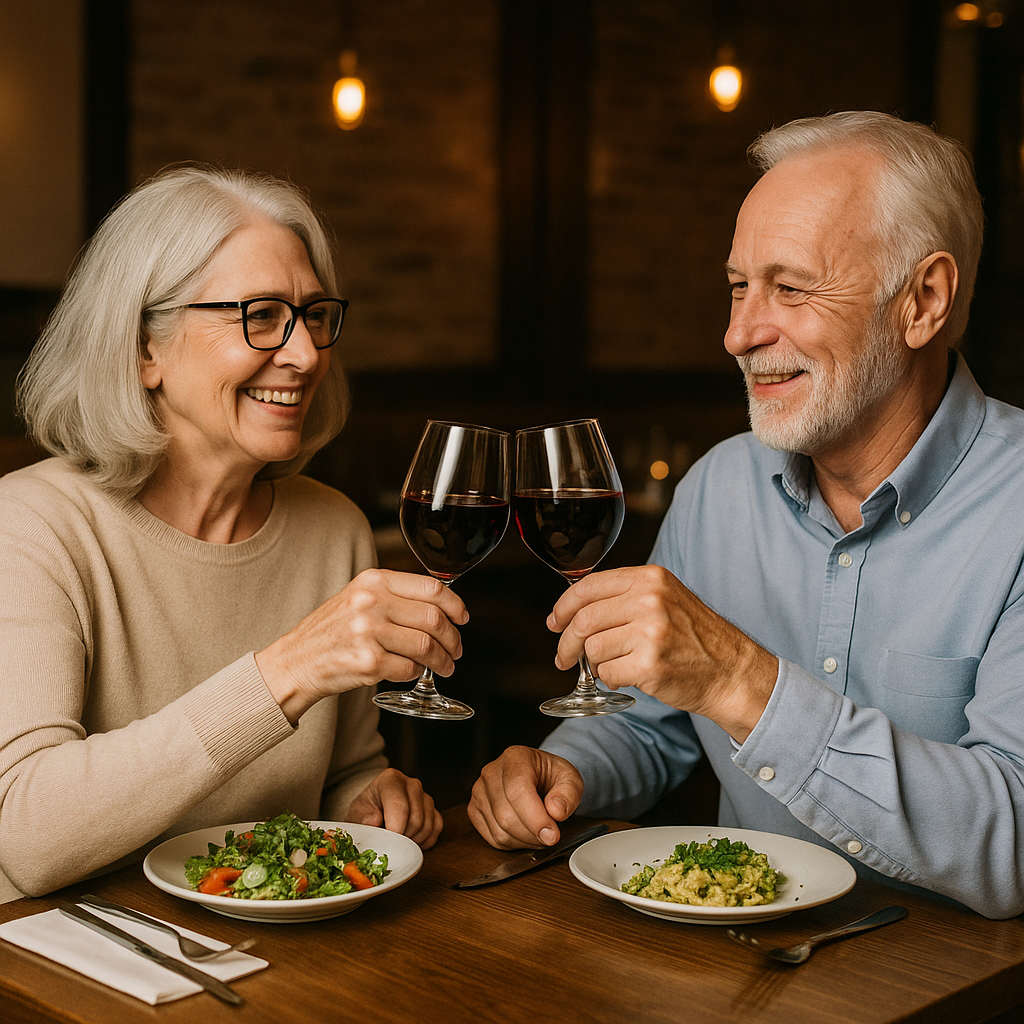
I’ve always enjoyed a cocktail or glass of wine with dinner, but recently I’ve noticed that if I decide to have a second drink it affects me more than it ever has before. As we age, our relationship with alcohol undergoes significant changes that many people don’t fully understand. What might have been a manageable glass of wine or cocktail with dinner in your thirties can have dramatically different effects in your sixties and beyond. Understanding these changes is crucial for maintaining health and safety as you grow older.
How Aging Changes Alcohol Processing
The human body’s ability to process alcohol diminishes considerably with age, creating a perfect storm of physiological changes that make older adults more vulnerable to alcohol’s effects. These changes begin gradually in middle age and become more pronounced as we enter our senior years.
Decreased Lean Body Mass and Increased Fat: As we age, our bodies naturally lose muscle mass and gain fat tissue. Since alcohol distributes primarily in water-rich lean tissue rather than fat, older adults have less space for alcohol to distribute throughout our bodies. This means the same amount of alcohol that once felt manageable now results in higher blood alcohol concentrations.
Reduced Water Content: Our total body water content decreases significantly with age, dropping from about 60% in young adults to roughly 50% or less in older adults. With less water to dilute alcohol, even modest amounts can lead to higher concentrations in the bloodstream and more pronounced effects.
Slower Metabolism: The liver, our body’s primary alcohol-processing center, becomes less efficient with age. Liver enzymes responsible for breaking down alcohol work more slowly, meaning alcohol stays in the system longer. What once took an hour to metabolize might now take two hours or more, prolonging both the effects and potential for harm.
In sum: Studies now show that chronic and heavy alcohol consumption can actually accelerate the body’s biological aging, making tissues and organs age faster than our calendar years suggest. This effect is especially strong with liquor and binge drinking, both driving up markers of cellular aging more than moderate beer or wine consumption. A drink that felt “fine” at 40 might lead to wooziness or poor judgment at 70—not because of frailty or weakness, but because of predictable physiological changes.
Physical Effects of Alcohol on the Aging Body
The aging process makes our bodies more susceptible to alcohol’s negative effects across multiple systems. These changes can have serious implications for both immediate safety and long-term health.
Cardiovascular Impact: While moderate alcohol consumption has sometimes been associated with heart benefits in younger adults, aging changes this equation. Older adults are more likely to have existing cardiovascular conditions, and alcohol can exacerbate high blood pressure, irregular heart rhythms, and heart disease. The dehydrating effects of alcohol become more problematic as our bodies become less efficient at maintaining fluid balance.
Brain and Cognitive Effects: The aging brain is particularly vulnerable to alcohol’s effects. Alcohol can worsen age-related cognitive decline and increase the risk of falls due to impaired balance and coordination. Even small amounts can significantly impact reaction time, judgment, and memory in older adults. Regular consumption may accelerate cognitive decline and increase dementia risk.
Bone Health: Alcohol interferes with calcium absorption and bone formation, making older adults more susceptible to osteoporosis and fractures. Since aging already increases fracture risk, alcohol consumption compounds this danger significantly.
Sleep Disruption: While alcohol might initially seem to help with sleep, it actually disrupts sleep quality, particularly in older adults who already face age-related sleep challenges. Poor sleep quality can cascade into numerous other health problems, from weakened immunity to increased fall risk.
Dangerous Drug Interactions
Perhaps the most critical concern for older adults and alcohol consumption is the potential for dangerous interactions with medications. Adults over 65 take an average of four prescription medications, and many of these can have serious interactions with alcohol.
Blood Thinners: Medications like warfarin (Coumadin), apixaban (Eliquis), and even aspirin can have dangerous interactions with alcohol. Alcohol can either increase bleeding risk to dangerous levels or, paradoxically, reduce the medication’s effectiveness, increasing stroke risk.
Diabetes Medications: Alcohol can cause unpredictable blood sugar changes, particularly dangerous for those taking insulin or medications like metformin. The combination can lead to severe hypoglycemia, which can be life-threatening.
Blood Pressure Medications: ACE inhibitors, beta-blockers, and diuretics can all interact with alcohol, potentially causing dangerous drops in blood pressure, dizziness, and increased fall risk.
Pain Medications: The combination of alcohol with opioid pain medications can cause severe respiratory depression with possibly fatal results. Even over-the-counter pain relievers like acetaminophen, when combined with alcohol, can potentially cause liver damage.
Sleep Aids and Anxiety Medications: Benzodiazepines like lorazepam (Ativan) or sleep medications like zolpidem (Ambien) can have amplified sedating effects when combined with alcohol, increasing risk of falls, accidents, and respiratory depression.
Antidepressants: Many older adults take antidepressants, and alcohol can interfere with their effectiveness while increasing side effects like drowsiness and coordination problems.
Key Takeaway: Even small amounts of alcohol can react with medications, increasing accident risk and threatening life. Always consult a healthcare provider about drinking while taking any medication.
Guidelines for Safer Alcohol Consumption
The National Institute on Aging recommends that adults over 65 limit themselves to no more than one drink per day and no more than seven drinks per week, significantly lower than recommendations for younger adults. However, even this guideline may be too liberal for many older adults, particularly those taking medications or with underlying health conditions.
Key Safety Strategies: Always consult with healthcare providers about alcohol consumption and medication interactions. Keep a detailed list of all medications, including over-the-counter drugs and supplements, and review them regularly with doctors and pharmacists. Consider the cumulative effects of multiple medications when making decisions about alcohol consumption.
Timing Matters: If you choose to drink, timing can be crucial. Avoiding alcohol within several hours of taking medications can reduce interaction risks, though some medications require longer intervals.
Recommendations: According to the National Institute on Alcohol Abuse and Alcoholism, adults over 65 should:limit consumption to no more than one standard drink per day;have at least two alcohol-free days per week; avoid alcohol entirely when taking certain medications or managing specific chronic illnesses. A standard drink is defined as:12 oz of beer (5% alcohol), 5 oz of wine (12% alcohol), or 1.5 oz of distilled spirits (40% alcohol). Please note that this is smaller than most restaurant or cocktail lounge servings, particularly for distilled spirits that usually average about 3 oz or more per drink.
For some people, the safest level of drinking may be none at all—particularly if falls, liver disease, or cognitive impairment are concerns.
Warning Signs
Alcohol misuse in older adults is often overlooked. Its symptoms can mimic—or be mistaken for—age-related issues like memory loss, depression, or poor balance. Some warning signs include: frequent falls or bruises, unexplained memory lapses or confusion, changes in sleep patterns, neglect of hygiene or nutrition, social withdrawal or irritability, mixing alcohol with medications—intentionally or unintentionally.
Even if alcohol isn’t consumed in large quantities, it can still be harmful if consumed regularly in combination with underlying health conditions or with medications—both prescription and over the counter.
The Bottom Line
Aging fundamentally changes how our bodies process and respond to alcohol, making us more vulnerable to both immediate dangers and long-term health consequences. The combination of physiological changes, increased medication use, and higher baseline health risks means that alcohol consumption strategies that worked in our younger years may no longer be safe or appropriate.
An important step is open communication with healthcare providers about alcohol consumption and its potential interactions with medications and health conditions. For many older adults, reducing alcohol consumption or abstaining entirely becomes the safest choice for maintaining health, independence, and quality of life in their later years. I still enjoy the occasional drink, just not as much or as often as when I was younger—like many things in life.
Resources
The Substance Abuse and Mental Health Services Administration (www.SAMHSA.gov) has a helpline at 1-800-662-HELP (4357).
National Institute on Aging (https://www.nia.nih.gov/health/alcohol-misuse-or-alcohol-use-disorder/facts-about-aging-and-alcohol)
Mayo Clinic (https://www.mayoclinic.org/search/search-results?q=alcohol%20and%20aging).
Centers for Disease Control and Prevention (https://www.cdc.gov/mmwr/preview/mmwrhtml/00001403.htm)