Grumpy opinions about everything.

Month: March 2026

A Clearer Look at the Chemistry of Health and Aging

A Clearer Look at the Chemistry of Health and Aging

Introduction: The Invisible Chemistry Inside Your Body

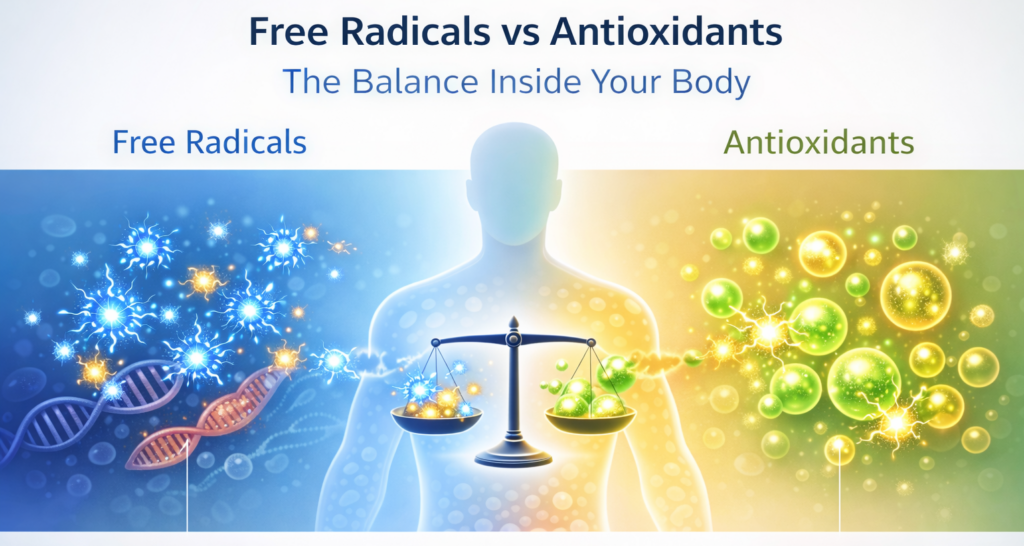
At this very moment, a quiet chemical battle is taking place inside every cell of your body. On one side are free radicals—unstable molecules that react aggressively with nearby cells. On the other side are antioxidants, compounds that neutralize those unstable molecules before they cause damage.

When these two forces stay in balance, the body functions normally. But when free radicals outnumber the body’s defenses, the result is oxidative stress. Scientists increasingly believe oxidative stress contributes to aging and many chronic diseases.

Understanding this process does not require a chemistry degree. But knowing the basics can help explain why lifestyle choices such as diet, smoking, sun exposure, and exercise affect long-term health.

What Are Free Radicals?

Free radicals are simply unstable molecules. They are unstable because they contain an unpaired electron, which makes them highly reactive.

To stabilize themselves, free radicals attempt to steal electrons from nearby molecules. When they do this, they may damage the structure of cells, proteins, or DNA.

The most common free radicals in the body are forms of oxygen and nitrogen known as reactiveoxygen species (ROS) and reactive nitrogen species (RNS). Examples include superoxide, hydrogen peroxide, and hydroxyl radicals. Although these names sound intimidating, the basic idea is straightforward: they are oxygen-based molecules that react easily with other parts of the cell.

According to the National Cancer Institute, free radicals form when atoms or molecules gain or lose electrons during normal metabolic processes.

How Free Radicals Are Produced

Free radicals arise from both normal body processes and environmental exposures.

Internal Sources

The most important source is the body’s energy production system. Cells convert food into energy inside tiny structures called mitochondria. During this process, small numbers of free radicals are produced as natural by-products.

In addition, the immune system intentionally generates free radicals when fighting infections. Certain white blood cells release bursts of reactive oxygen molecules that help destroy bacteria and viruses.

Free radical production can also increase during inflammation, psychological stress, and intense physical exertion. In short, some degree of free radical production is unavoidable because it is a normal part of life’s chemistry.

External Sources

Environmental exposures can significantly increase free radical production. Cigarette smoke is one of the most powerful sources of oxidative chemicals. Air pollution, alcohol consumption, and excessive exposure to sunlight—particularly ultraviolet radiation—can also generate large numbers of reactive molecules. In addition, exposure to pesticides, industrial chemicals, and certain types of radiation may contribute to oxidative reactions inside the body.

These exposures can push free radical production beyond what the body’s natural defenses can easily manage.

The Surprisingly Useful Side of Free Radicals

Free radicals are often portrayed as purely harmful, but that description is incomplete. In moderate amounts they serve several useful functions.

One of the immune system’s most effective weapons is the oxidative burst. When immune cells encounter bacteria, they release a wave of free radicals that chemically attack and destroy the invading organisms. Without this response, the body would have far greater difficulty controlling infections.

Small amounts of reactive molecules also function as cellular signaling agents, helping regulate processes such as cell growth, repair, and programmed cell death. Programmed cell death is especially important because it allows the body to remove damaged or potentially dangerous cells.

Nitric oxide provides another example. Although it technically qualifies as a free radical, it plays an important role in controlling blood vessel relaxation and maintaining healthy blood pressure.

Exercise also temporarily increases free radical production. Surprisingly, this mild oxidative stress appears to stimulate beneficial adaptations. The body responds by strengthening its natural antioxidant defenses, which may partly explain why regular physical activity improves long-term health. Some researchers have suggested that very large doses of antioxidant supplements taken around workouts could reduce some of these benefits, although this remains an area of ongoing research.

When Free Radicals Cause Damage

Problems begin when free radical production exceeds the body’s ability to neutralize them.

Because free radicals steal electrons from other molecules, they can trigger chain reactions that damage important cellular structures.

One major target is the cell membrane. Cell membranes are composed largely of fats, and free radicals can attack these fats in a process called lipid peroxidation. When this happens, the membrane becomes weaker and less able to control what enters or leaves the cell.

Proteins are another common target. Proteins carry out much of the body’s work, including thousands of chemical reactions controlled by enzymes. When free radicals alter the structure of proteins, those proteins may lose their normal function.

Perhaps the most concerning effect involves DNA damage. Free radicals can alter the genetic material inside cells, creating mutations. If the body’s repair systems cannot correct these changes, the mutations may contribute to the development of cancer.

The body does possess repair mechanisms that fix much of this damage. However, these systems can be overwhelmed when oxidative stress persists for long periods.

Free Radicals and Chronic Disease

Researchers have found a strong association between oxidative stress and chronic diseases. Although the exact relationships are still being studied, the evidence suggests that oxidative damage contributes to several major health conditions.

Cardiovascular disease provides one of the clearest examples. Oxidative stress appears to play an important role in atherosclerosis, the process that leads to heart attacks and strokes. Free radicals can chemically modify LDL cholesterol, making it more likely to accumulate in artery walls and trigger plaque formation.

Cancer is also linked to oxidative DNA damage. When free radicals alter genetic material, they may activate genes that promote uncontrolled cell growth or disable genes that normally suppress tumors.

Interestingly, cancer cells themselves often produce large amounts of free radicals because of their rapid metabolism. Some cancer therapies take advantage of this by pushing tumor cells beyond their ability to tolerate oxidative stress.

Neurodegenerative diseases such as Alzheimer’s disease and Parkinson’s disease are also associated with oxidative damage. The brain may be particularly vulnerable because it consumes large amounts of oxygen and contains fats that are easily oxidized.

Other conditions linked to oxidative stress include diabetes, cataracts, rheumatoid arthritis, chronic kidney disease, and inflammatory bowel disease. Aging itself may partly reflect the gradual accumulation of oxidative damage over time, a concept sometimes referred to as the free radical theory of aging.

Antioxidants: The Body’s Defense System

The body is not defenseless against free radicals. It maintains an extensive network of protective molecules known as antioxidants.  They stabilize free radicals by donating an electron without becoming unstable themselves. This process stops the damaging chain reaction.  The body relies on both internally produced antioxidants and antioxidants obtained from food.

Antioxidants Produced by the Body

Several powerful antioxidant enzyme systems operate inside cells. They work together to convert highly reactive molecules into less harmful substances, eventually producing water or oxygen.

A key molecule is glutathione, sometimes described as the body’s “master antioxidant.” Produced largely in the liver, glutathione plays an important role in neutralizing free radicals and assisting in detoxification processes.

However, the body’s ability to produce some antioxidants may decline with age, which could partly explain increased vulnerability to oxidative damage later in life.

Antioxidants from Food

Diet provides a wide variety of antioxidant compounds that support the body’s defenses.

Vitamin C is a water-soluble antioxidant commonly found in citrus fruits, strawberries, bell peppers, and broccoli. Vitamin E, a fat-soluble antioxidant that helps protect cell membranes, is abundant in nuts, seeds, and vegetable oils.

Plant pigments known as carotenoids also have antioxidant activity. Beta-carotene in carrots and sweet potatoes, lycopene in tomatoes, and lutein in leafy green vegetables are well-known examples. Plants also produce thousands of protective compounds called polyphenols. These substances occur in foods such as berries, tea, apples, onions, dark chocolate, and olive oil.

Because different plant foods contain different protective chemicals, nutrition scientists often recommend eating a variety of colorful fruits and vegetables.

The Antioxidant Supplement Puzzle

For many years, antioxidant supplements were promoted as a simple way to prevent disease. However, large clinical studies have produced mixed results. Several major trials found that high-dose antioxidant supplements did not provide the expected benefits. In some cases they were even associated with harm. For example, studies showed that high dose beta-carotene supplements increased lung cancer risk in smokers.

One possible explanation is that antioxidants behave differently when taken in very large doses. Under certain conditions they may act as pro-oxidants, potentially increasing oxidative reactions instead of preventing them.

Another concern involves cancer treatment. Some therapies work by generating oxidative damage that destroys cancer cells. High doses of antioxidant supplements might interfere with this mechanism.

Because of these uncertainties, many experts recommend obtaining antioxidants primarily from whole foods rather than supplements.

Oxidative Stress: When the Balance Is Lost

Oxidative stress occurs when free radical production exceeds the body’s ability to neutralize them.  At the cellular level, oxidative stress can weaken membranes, disrupt protein function, and damage DNA. At the tissue level, it can trigger chronic inflammation, which in turn generates additional free radicals and perpetuates the cycle of damage.

Because free radicals exist only briefly, scientists usually measure oxidative stress indirectly by detecting chemical by-products that remain after oxidative reactions occur.


Lifestyle Factors That Influence Oxidative Stress

Many everyday habits influence the balance between free radicals and antioxidants.

Smoking, heavy alcohol consumption, air pollution exposure, chronic psychological stress, diets high in processed foods, obesity, and poorly controlled diabetes all increase oxidative stress.

In contrast, regular moderate exercise, diets rich in fruits and vegetables, maintaining a healthy weight, avoiding smoking, and managing stress help maintain a healthier balance between free radicals and antioxidants.


Conclusion: Balance Is Everything

The story of free radicals, antioxidants, and oxidative stress is ultimately about balance.

Free radicals are not simply destructive molecules. In appropriate amounts they help the immune system fight infection, regulate cellular communication, and assist the body in adapting to exercise. The damage occurs when these reactive molecules accumulate faster than the body can control them.

Antioxidants are an important part of the defense system, but they are not magic solutions. The best strategy appears to be supporting the body’s natural balance through healthy lifestyle choices. A diet rich in plant foods, regular physical activity, avoiding smoking, and minimizing harmful exposures all help maintain that balance.

Despite decades of marketing by the supplement industry, scientific evidence continues to suggest that the complex chemistry of whole foods works better than isolated antioxidant pills.

In many ways, modern science has simply confirmed an old piece of advice: eat plenty of fruits and vegetables, stay active, and take care of your body.


Sources:

Cleveland Clinic – Oxidative Stress

PMC – Free Radicals, Antioxidants in Disease and Health (2013)

Nature Cell Death Discovery – Free Radicals and Their Impact on Health (2025)

Frontiers in Chemistry – Oxidative Stress and Antioxidants (2023)

PMC – Oxidative Stress Crosstalk in Human Diseases (2023)

PMC – Free Radicals, Antioxidants and Functional Foods

MD Anderson Cancer Center – What Are Free Radicals?

Medical News Today – Free Radicals: How Do They Affect the Body?

Cleveland Clinic Health – What Are Free Radicals?

Top of Form

Bottom of Form
Native Americans in the Revolutionary War: Choosing Sides in a Conflict Not Their Own

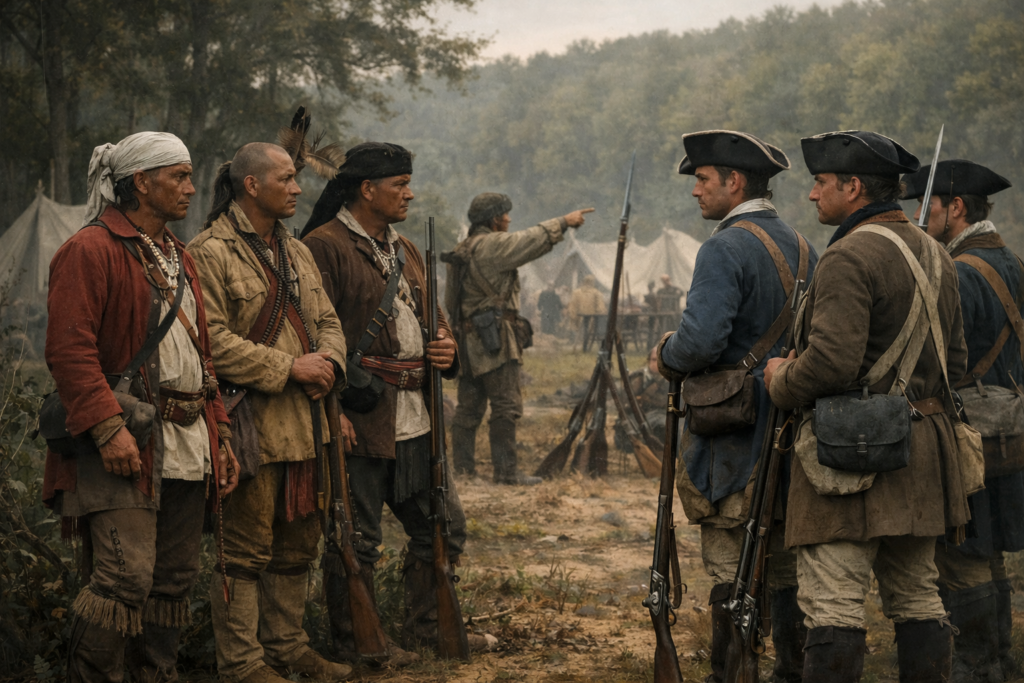
The American Revolution wasn’t just a showdown between colonists and the British Crown. For the more than 80 distinct Native American nations living east of the Mississippi River, the conflict posed an existential threat — one that would reshape their world no matter who won. They faced an agonizing choice: stay neutral in what many viewed as a family dispute within the British Empire, or pick a side and hope that alliance might help preserve their lands and sovereignty.

Most tribes that chose a side supported the British, and their reasoning was sound. The Proclamation of 1763 had attempted to block colonial settlement west of the Appalachians, and Native leaders correctly recognized that an independent America, freed from British constraints, would accelerate land seizures at a terrifying pace. As Mohawk leader Joseph Brant warned in 1775, independence for the colonists would likely mean disaster for indigenous peoples across the continent. History would prove him right.

The Patriots’ Native Allies

Still, several tribes made the difficult calculation to support the Revolutionary cause. The most significant were the Oneida and Tuscarora nations of the Iroquois Confederacy, along with the Stockbridge-Mohican people of Massachusetts and New York. Smaller contingents from the Catawba, Delaware, Maliseet, Pequot, Narragansett, Niantics, and Montauks also fought alongside colonial forces.

The Stockbridge-Mohican had a relatively clear-cut situation: surrounded by colonial settlements in western Massachusetts, neutrality was essentially impossible. They had already developed cultural and trade ties with their English neighbors, and they bet that loyalty might protect their remaining land rights in the new nation. They were among the very first Native people to take up arms, with members serving as minutemen at Lexington and Concord in April 1775 and fighting at Bunker Hill that June.

The Oneida’s decision was more complex. Unlike tribes facing immediate frontier pressure, they had some geographic breathing room. Their choice reflected relationships built with colonial missionaries and traders, but also a calculated gamble: that an American victory might better respect their territorial claims than continued British rule. In 1776, Congress formally authorized General Washington to recruit Stockbridge Indians, and the Oneida soon became crucial assets — not just as fighters, but as scouts who knew the terrain intimately, and as diplomats attempting to keep other tribes neutral.

Combat Contributions

Native Americans who fought for the Patriots contributed far beyond their numbers. Historian Pekka Hämäläinen has argued that proportionally more Indians than New Englanders served in Patriot forces during the war. Their most consequential military moment came at the Battle of Oriskany on August 6, 1777 — one of the bloodiest engagements of the entire conflict.

At least 60 Oneida warriors fought alongside New York militia against a combined British, Loyalist, and Mohawk force. Warrior Han Yerry, his wife Tyonajanegen, and their son all distinguished themselves that day. According to contemporary accounts, Han Yerry killed nine enemy fighters before a bullet disabled his gun hand, forcing him to continue with his tomahawk; Tyonajanegen fought on horseback with pistols throughout the battle. The engagement fractured the Iroquois Confederacy permanently and helped prevent British forces from reinforcing General Burgoyne before the decisive American victory at Saratoga two months later.

Perhaps the Oneida’s most vital — and least celebrated — contribution came during the winter of 1777-78 at Valley Forge. When Washington’s army faced starvation, Oneida Chief Shenandoah dispatched warriors carrying several hundred bushels of white corn. An Oneida woman named Polly Cooper made the 200-mile journey from Fort Stanwix and stayed at Valley Forge, teaching the starving soldiers how to properly cook the corn so it was actually digestible. Washington personally met with Oneida leaders to express his gratitude, presenting each with a wampum belt. It was a quiet act of generosity that may have saved the Continental Army.

The Oneida continued fighting throughout the war — at the Battle of Barren Hill in May 1778, where scouts stayed behind to allow Lafayette’s troops to escape a British trap; at the Battle of Monmouth; and in numerous northern campaigns. Ten Oneida soldiers earned officers’ commissions in the Continental Army, one rising to lieutenant colonel. Some even served as spies, gathering intelligence deep in enemy territory at enormous personal risk.

The Bitter Aftermath

And then came the betrayal. The 1783 Treaty of Paris, which ended the war, contained no Native American representatives and made no provisions whatsoever for protecting indigenous lands or sovereignty. Britain simply handed over all territory east of the Mississippi to the new United States — without consulting a single Native nation — treating indigenous homelands as British property to dispose of at will.

Even the tribes that had fought for the American cause found that wartime promises evaporated in peacetime. The Oneida, whose contributions had been genuinely critical, faced immediate pressure to cede their territories. By 1788, New York State had leveraged the Oneida into surrendering approximately 5.5 million acres, leaving them with just 300,000. Between 1785 and 1846, New York forced the Oneida to sign 26 additional treaties, stripping away nearly everything that remained.

In 1794, Congress did formally acknowledge the service of the Oneida, Tuscarora, and Stockbridge with the Treaty of Canandaigua, providing $5,000, a new church, and some mills. But the treaty also required the tribes to relinquish all other claims for compensation — effectively closing the books on their wartime losses. Historians estimate the Oneida lost nearly a third of their population during and immediately after the war through combat casualties, displacement, and the destruction of their villages and food stores. The Stockbridge-Mohican, similarly dispossessed, largely migrated west to present-day Wisconsin by the early 19th century.

The Larger Picture

British-allied tribes fared no better. When Britain ceded its eastern territories, it abandoned all its Native allies without protection or compensation. Joseph Brant’s Mohawk lost nearly all their land, though the British eventually granted Brant’s followers about 810,000 hectares along the Grand River in present-day Ontario — land where the Six Nations Reserve still exists today.

The pattern was consistent across tribes, regardless of which side they chose: the Revolution was a catastrophe for virtually every Native American nation. Those who supported the Patriots made contributions that were real, substantial, and in some cases decisive. The Oneida at Oriskany, the Stockbridge minutemen at Lexington, Polly Cooper at Valley Forge — these weren’t footnotes. They were participants in the founding of a nation that would spend the next century systematically dispossessing them.

The Revolution shattered longstanding indigenous alliances, set precedents for how the new United States would treat Native peoples, and demonstrated that for Native Americans, the choice between British and American sides was ultimately a choice between two different roads to the same devastating destination: the loss of their lands, their sovereignty, and their way of life. It’s a chapter of the founding era that deserves far more attention than it typically gets.

Illustration generated by the author using ChatGPT.

Sources

Oneida Nation — Revolutionary War contributions: https://www.oneida-nsn.gov/our-ways/history/

Treaty of Canandaigua (1794): https://www.onondaganation.org/history/1794-treaty-of-canandaigua/

Stockbridge-Mohican history: https://www.mohican.com/history/

Battle of Oriskany: https://www.nps.gov/orpi/index.htm

Pekka Hämäläinen — Native American roles in the Revolution: https://www.hup.harvard.edu/books/9780674248717

Proclamation of 1763: https://www.britannica.com/event/Proclamation-of-1763

Treaty of Paris (1783) and Native lands: https://avalon.law.yale.edu/18th_century/paris.asp

Six Nations Reserve, Ontario: https://www.sixnations.ca/

Seeing Inside: A Guide to Modern Diagnostic Radiology

Not so long ago, if a doctor needed to know what was happening inside your body, the options were limited — a basic X-ray, an exploratory surgery, or educated guesswork. Today, a radiologist can map your brain’s blood vessels, detect a cancer smaller than a pea, or watch your heart metabolizing sugar in near real time — all without making a single incision.

The first medical X-ray appeared in 1895. For decades, imaging largely meant detecting fractures or large abnormalities. Today, radiology guides emergency care, cancer treatment, stroke therapy, cardiac management, and preventive medicine. Modern diagnostic imaging has transformed medicine in ways that would have seemed like science fiction to physicians just a few generations ago.

Modern imaging falls into three broad categories: structural imaging — what tissues look like, vascular imaging — how blood flows, and functional imaging — how cells behave metabolically. Here’s a plain-language guide to the big three: MRI/MRA, CT/CTA, and PET scans — what they are, how they work, and why they matter.

MRI and MRA: Magnets and Radio Waves

The MRI — magnetic resonance imaging — is one of the most versatile tools in modern medicine, and it works without a single ray of radiation. An MRI passes an electric current through coiled wires to create a temporary magnetic field in your body. A transmitter and receiver then send and receive radio waves, and a computer uses those signals to construct detailed digital images of whatever area is being scanned. Think of it as a very sophisticated tuning fork: it causes hydrogen atoms in your body’s water molecules to briefly align, then releases them — and the energy they emit on the way back creates the image. Because different tissues relax at different rates, MRI can distinguish gray matter from white matter in the brain, normal from inflamed or cancerous tissue, and ligament from muscle with impressive contrast.

The result is exceptional detail, especially for soft tissue. MRI scans take much clearer pictures of your brain, spinal cord, nerves, muscles, ligaments, and tendons than regular X-rays and CT scans. That’s why your orthopedic surgeon orders one when your knee goes sideways, and why neurologists reach for it when they suspect a stroke or multiple sclerosis.

MRA — magnetic resonance angiography — is MRI’s cousin, using the same magnetic technology but focused specifically on blood vessels. It lets physicians map arteries and veins in remarkable detail, identifying narrowing (stenosis), bulges (aneurysms), or blockages (occlusions) without the need for invasive catheterization. If your doctor suspects a blockage in the blood vessels feeding your brain or kidneys, an MRA can reveal it clearly. A contrast dye is sometimes injected to make vessels stand out even more sharply.

The main trade-offs with MRI are time and noise — scans generally take between 30 to 50 minutes, and the machine produces the kind of clanging racket that makes earplugs standard issue. People with certain metal implants or severe claustrophobia can’t always use it, which is where CT steps in.

CT and CTA: X-Rays, Upgraded

The CT scan — computed tomography — takes the familiar chest X-ray and turns it into something far more powerful. A CT scan takes multiple X-ray images from different angles rotating around the body, separates them by depth then processes them by computer to create cross-sectional views — essentially a detailed 3D picture rather than a flat 2D image. Think of slicing a loaf of bread: instead of seeing only the crust, you can examine every slice.

A CT shows more detail than a standard X-ray and is used to diagnose cancer, heart disease, injuries from trauma, and musculoskeletal disorders — it’s one of the most common imaging tests used today.  Emergency departments rely on CT heavily because it’s fast, often completed in 10 to 15 minutes, and can quickly identify life-threatening conditions like internal bleeding or pulmonary embolism.

CTA — CT angiography — adds an injected contrast dye to the mix, allowing physicians to see blood vessels with high clarity. Contrasting agents help show various structures of the body more clearly, making CTA the go-to test for evaluating coronary arteries, aortic aneurysms, and vascular disease throughout the body. Unlike MRA, it’s faster and more widely available, though it does involve a dose of radiation — something physicians weigh carefully against the diagnostic benefit.

PET Scan: When Function Matters More Than Form

If MRI and CT show you the structure of the body, the PET scan — positron emission tomography — shows you what’s happening inside it. This is a fundamentally different question, and the technology reflects that.

A PET scan is used to see metabolism and chemical activity within your body. It can detect abnormal changes before structural changes occur — meaning it can detect cancer before a tumor is large enough to be seen on a CT or MRI. That’s a remarkable capability. The scan works by injecting a small amount of a radioactive tracer — most commonly a form of glucose — into your bloodstream. Diseased cells, particularly cancer cells, absorb more of the radiotracer than healthy ones do.  Active cells consume glucose. Cancer cells, inflamed tissue, and active brain regions often use more glucose than surrounding tissue. These are called “hot spots,” and the PET scanner detects this radiation to produce images of affected tissue.

Beyond cancer, PET scans are invaluable in cardiology — showing whether heart muscle is still alive after a heart attack — and in neurology, helping diagnose Alzheimer’s disease, epilepsy, and brain tumors by revealing abnormal patterns of brain activity.

The trade-off is resolution. The image resolution of nuclear medicine images may not be as high as that of CT or MRI, which is why PET is rarely used alone today. Combined PET/CT scanners perform almost all PET scans today , marrying metabolic information with anatomical precision. Hybrid PET/MRI scanners are also emerging though not yet in widespread use. They are particularly valuable for soft-tissue cancers of the brain, liver, and pelvis.

How They Compare — and Why It Matters

The simplest way to think about these three technologies is this: CT shows shape and structure quickly, with emphasis on bone and dense tissue; MRI shows soft tissue in extraordinary detail without radiation; and PET shows function and cellular activity that neither of the others can see directly.

A patient with suspected cancer might undergo a CT scan to identify the location of a mass, followed by a PET to determine its metabolic activity, and then an MRI to map its relationship to critical soft tissues. Used together, these tools give physicians a picture of disease that is more complete than any single test could provide.

The value to modern medicine is difficult to overstate. These technologies allow doctors to diagnose conditions earlier, stage cancers more accurately, guide surgical planning, and monitor how well treatments are working — all without exploratory surgery. Survival rates for many cancers have improved substantially in part because imaging lets us find disease when it’s still manageable.

The era when medicine was largely guesswork about what lay beneath the skin is over. Today, radiologists are, in a very real sense, reading the body like an open book.

Illustration generated by author using ChatGPT.

Sources:

UNC Health Appalachian — MRI, CT, and PET Scan Comparison: https://www.unchealthappalachian.org/blog/2024/comparing-mri-ct-and-pet-scans-how-they-work-and-when-theyre-use/

WashU Mallinckrodt Institute of Radiology — Differences Between CT, MRI, and PET: https://www.mir.wustl.edu/do-you-know-the-differences-between-a-ct-mri-and-pet-scan/

Cleveland Clinic — PET Scan Overview: https://my.clevelandclinic.org/health/diagnostics/10123-pet-scan

RadiologyInfo.org — PET/CT: https://www.radiologyinfo.org/en/info/pet

Open MedScience — CT, MRI, and PET Differences: https://openmedscience.com/ct-mri-and-pet-scanners-unravelling-the-differences-in-modern-medical-imaging/

Healthline — MRI vs. PET Scan: https://www.healthline.com/health/mri-vs-pet-scan

Revere Health — MRI, CT, and PET Explained: https://reverehealth.com/live-better/mri-ct-pet/

The Marble Statue Problem: Why Half the Story Is No Story at All

A Commentary on Selective American History

There is a version of American history that looks spectacular. Founding Fathers on horseback, industrialists building steel empires from nothing, pioneers pushing west into open lands. It is the kind of history that gets carved into marble, hoisted onto pedestals, and taught as national mythology. Clean. Inspiring. Incomplete. And right now, there is a visible push by some politicians, curriculum reformers, and commentators to make that marble-statue version the only version — to scrub away what one American Historical Association report called the “inconvenient” truths that complicate the picture. What we lose in that scrubbing is not just accuracy. We lose the full human story of this country, and with it, the lessons that might be useful today.

The selective telling is not new, but its current form has new energy. In recent years, legislation has been introduced across multiple states to restrict how teachers discuss slavery, Indigenous displacement, immigration history, and the treatment of women and the poor. The argument is usually dressed up as national unity and pride. But the practical effect is something else: a history curriculum where triumph and innovation are permissible but suffering and exploitation are edited out.

Historians surveying American teachers in 2024 found this impulse reflected in the classroom as well — students arriving with what teachers described as a “marble statues” version of history absorbed from earlier grades, one that freezes the Founders and other heroes in idealized civic memory, stripped of contradiction. The pitch is usually framed as morale: kids need pride and self esteem, not “division.” But the practical effect is a kind of historical editing that turns real people—enslaved Americans, Native communities, women, immigrants, and the poor—into background scenery rather than participants with agency, suffering, and claims on the national memory. 

You can see the argument playing out in education policy and curriculum fights. The “patriotic education” push associated with the federal 1776 Commission is a clear example: it cast some approaches to teaching slavery and racism as inherently “anti-American,” and it encouraged a narrative that stresses national ideals while softening the lived realities that contradicted those ideals. 

Historians’ organizations have answered back that this kind of narrowing doesn’t create unity so much as it creates amnesia.  At the state level, controversies over how to describe or contextualize slavery—down to euphemisms and selective framing—keep resurfacing, because controlling the vocabulary controls the moral takeaway.  Florida’s education standards went so far as to compare slavery with job training.

The tension between celebratory and critical history also appears in how we interpret national symbols. The Statue of Liberty, now widely read as a welcoming beacon for immigrants, was originally conceived in significant part as a commemoration of the end of slavery in the United States and of the nation’s centennial. Over time, its antislavery meaning was overshadowed by a more comfortable story about voluntary immigration and opportunity as official imagery and public campaigns recast the statue to fit new national needs. This shift did not merely “add” an interpretation; it obscured the connection between American liberty and Black emancipation, pushing aside the reality that millions arrived in chains rather than by choice.

The deeper problem isn’t that Americans disagree about the past—healthy societies argue about meaning all the time. The problem is when disagreement becomes a one-way ratchet: complexity gets labeled “bias,” and only a feel-good storyline qualifies as “neutral.” That’s not neutral. That’s a choice to privilege certain experiences as representative and treat others as “inconvenient.”

Nowhere does this distortion show up more clearly than in how Americans tend to celebrate the industrialists of the late 19th and early 20th centuries — the Gilded Age titans who built railroads, steel mills, and oil empires. Andrew Carnegie, John D. Rockefeller, J.P. Morgan, Cornelius Vanderbilt: these men are frequently held up as models of American ambition and ingenuity, visionaries who transformed a post-Civil War nation into the world’s dominant industrial power. And they did do that. But the marble-statue version stops there, and stopping there is where the dishonesty begins.

Look at what powered that industrial machine: coal. And look at who powered coal. The men — and children — who went underground every day to dig it out of the earth under conditions that were, by any modern standard, a form of institutionalized violence. Between 1880 and 1923, more than 70,000 coal miners died on the job in the United States. That is not a rounding error; it is a small city’s worth of human lives, consumed by an industry that knew the dangers and chose profits over protection. Cave-ins, gas explosions, machinery accidents, and the slow suffocation of black lung took miners in ones and twos on ordinary days, and in mass casualties during what miners grimly called “explosion season” — when dry winter air made methane and coal dust especially volatile. Three major mine disasters in the first decade of the 1900s killed 201, 362, and 239 miners respectively, the latter two occurring within two weeks of each other.

And those were the adults. In the anthracite coal fields of Pennsylvania alone, an estimated 20,000 boys were working as “breaker boys” in 1880 — children as young as eight years old, perched above chutes and conveyor belts for ten hours a day, six days a week, picking slate and impurities out of rushing coal with bare hands. The coal dust was so thick at times it obscured their view. Photographer Lewis Hine documented these children in the early 1900s specifically because he understood that seeing them — their coal-blackened faces, their missing fingers, their flat eyes — was the only way to make comfortable Americans confront the total cost of the industrial miracle. Pennsylvania passed a law in 1885 banning children under twelve from working in coal breakers. The law was routinely ignored; employers forged age documents and desperate families went along with it because the wages, however meager, kept families from starving.

Coal mining is a representative case study because the work was both essential and punishing, and because the labor conflicts were not metaphorical—they were sometimes literally armed. In the coalfields, many miners lived in company towns where the company controlled the housing and the local economy. Some workers were paid in “scrip” redeemable only at the company store, a system that locked families into dependency and debt.  When union organizing surged, the backlash could be violent. West Virginia’s Mine Wars culminated in the Battle of Blair Mountain in 1921—widely described as the largest labor uprising in U.S. history—where thousands of miners confronted company-aligned forces and state power.  The mine owners deployed heavy machine guns and hired private pilots to drop arial bombs on the miners.

If you zoom out, this pattern wasn’t limited to coal. The Triangle Shirtwaist Factory fire in 1911 became infamous partly because locked doors and poor safety practices trapped workers—mostly young immigrant women—leading to 146 deaths in minutes. 

When workers tried to organize for better pay and safer conditions, the response from the industrialists and their allies was not negotiation. It was force. Henry Clay Frick, chairman at Carnegie Steel, cut worker wages in half while increasing shifts to twelve hours, then hired the Pinkerton Detective Agency — effectively a private army — to break the strike that followed at Homestead, PA in 1892. During the Great Railroad Strike of 1877, when workers walked off the job across the country, state militias were called in. In Maryland, militia fired into a crowd of strikers, killing eleven. In Pittsburgh, twenty more were killed with bayonets and rifle fire. A railroad executive of the era, asked about hungry striking workers, reportedly suggested they be given “a rifle diet for a few days” to see how they liked it. Throughout this period the federal government largely sided with capital against labor.

This is the part of the story that the marble-statue version leaves out — and not because it is marginal. The labor movement that emerged from these battles shaped virtually every protection American workers have today: the eight-hour workday, child labor laws, workplace safety regulations, the right to organize. These were not gifts handed down by generous industrialists. They were won through strikes, suffering, and in some cases, death. Ignoring that history does not honor the industrialists. It dishonors the workers.

The same pattern runs through every thread of American history that is currently under pressure. The story of westward expansion is incomplete without the story of Native displacement and the deliberate destruction of Indigenous cultures. The story of American agriculture is incomplete without the story of enslaved labor and the systems of racial control that followed emancipation. The story of American prosperity is incomplete without the story of immigrant communities channeled into the most dangerous, lowest-paid work and then told to be grateful for the opportunity. Women’s history, for most of American history, was not considered history at all. In each case, leaving out the difficult chapter does not produce a cleaner story. It produces a false one.

The argument for the marble-statue version is usually that complexity is demoralizing — that children need heroes, that citizens need pride, that a nation cannot function if it is constantly relitigating its worst moments. There is something in that concern worth taking seriously. History taught purely as a catalog of grievances is not good history either. But the answer to that problem is not to swap one distortion for another. Good history holds both: the genuine achievement and the genuine cost. Mark Twain understood this when he coined “The Gilded Age” — a title that means literally covered in a thin layer of gold over something much cheaper underneath. That phrase has been in the American vocabulary for 150 years because it captures something true about how surfaces can deceive.

A country that cannot look honestly at its own history is a country that will keep repeating the parts it refuses to examine. The enslaved deserve to be in the story. Indigenous people deserve to be in the story. Women deserve to be in the story. The breaker boys deserve to be in the story. The miners killed by the thousands deserve to be in the story. The workers shot by militias while asking for a living wage deserve to be in the story. Not because the story should only be about suffering, but because they were there — and because understanding what they faced, and what they fought for, and what they eventually changed, is how the story makes sense.

Illustration generated by author using ChatGPT.

Sources

American Historical Association. “American Lesson Plan: Curricular Content.” 2024.
https://www.historians.org/teaching-learning/k-12-education/american-lesson-plan/curricular-content/

Brewminate. “Replaceable Lives and Labor Abuse in the Gilded Age: Labor Exploitation and the Human Cost in America’s Gilded Age.” 2026.
https://brewminate.com/replaceable-lives-and-labor-abuse-in-the-gilded-age/

Bureau of Labor Statistics. “History of Child Labor in the United States, Part 1.” 2017.
https://www.bls.gov/opub/mlr/2017/article/history-of-child-labor-in-the-united-states-part-1.htm

Energy History Project, Yale University. “Coal Mining and Labor Conflict.”
https://energyhistory.yale.edu/coal-mining-and-labor-conflict/

Hannah-Jones, Nikole, et al. “A Brief History of Slavery That You Didn’t Learn in School.” New York Times Magazine. 2019.
https://www.nytimes.com/interactive/2019/08/14/magazine/slavery-capitalism.html

Investopedia. “The Gilded Age Explained: An Era of Wealth and Inequality.” 2025.
https://www.investopedia.com/terms/g/gilded-age.asp

MLPP Pressbooks. “Gilded Age Labor Conflict.”
https://mlpp.pressbooks.pub/ushistory2/chapter/chapter-1/

Princeton School of Public and International Affairs. “Princeton SPIA Faculty Reflect on America’s Past as 250th Anniversary Approaches.” 2026.
https://spia.princeton.edu/

USA Today. “Millions of Native People Were Enslaved in the Americas. Their Story Is Rarely Told.” 2025.
https://www.usatoday.com/

Wikipedia. “Breaker Boy.”
https://en.wikipedia.org/wiki/Breaker_boy

Wikipedia. “Robber Baron (Industrialist).”
https://en.wikipedia.org/wiki/Robber_baron_(industrialist)

America250 (U.S. Semiquincentennial Commission). “America250: The United States Semiquincentennial.”
https://www.america250.org/

Bunk History (citing Washington Post reporting). “The Statue of Liberty Was Created to Celebrate Freed Slaves, Not Immigrants.”
https://www.bunkhistory.org/

Upworthy. “The Statue of Liberty Is a Symbol of Welcoming Immigrants. That’s Not What She Was Originally Meant to Be.” 2026.
https://www.upworthy.com/

Lipoprotein(a): The Hidden Genetic Risk Factor That’s Finally Being Recognized

For decades, most doctors, me included, focused on the usual suspects when assessing heart disease risk: LDL cholesterol, HDL cholesterol, triglycerides, blood pressure, and lifestyle factors like smoking, activity, and diet. But lurking in the background was another player that most of us didn’t routinely check and most patients had never heard of—lipoprotein(a), abbreviated as Lp(a) and pronounced “L-P-little-A.”

Here’s the sobering reality: about one in five people worldwide have elevated Lp(a) levels, and if you’re among them, your risk of heart attack or stroke roughly doubles or triples. Yet until recently, most clinical guidelines didn’t even recommend testing for it. Why? Because there wasn’t much doctors could do about it even if we found it. That’s changing now, and the story of Lp(a) offers a window into how medicine sometimes waits for treatment options before fully embracing a diagnostic test.

What Exactly Is Lipoprotein(a)?

Lp(a) is structurally similar to LDL cholesterol—both are cholesterol-carrying particles—but Lp(a) has an extra protein component called apolipoprotein(a), or apo(a), that makes it particularly troublesome. The structure of this protein varies dramatically between individuals due to differences in genetic sequences, and the specific variant you inherit from your parents determines your Lp(a) level for life.

Unlike LDL cholesterol, which rises with age and responds to diet and exercise, your Lp(a) level remains largely constant throughout your lifetime. Eating better, exercising more, losing weight—none of the lifestyle interventions that work wonders for other cardiovascular risk factors will budge your Lp(a). It’s entirely genetic. There’s also significant variation across populations, with individuals of African descent tending to have higher average Lp(a) levels compared to people of White or Asian backgrounds, though the clinical implications of these differences are still not well understood.

Getting Tested: Who Should Do It and How Does It Works

The blood test for Lp(a) isn’t part of a routine cholesterol panel—your doctor has to specifically order it. So, who should be tested? Current recommendations focus on people with a family history of high Lp(a), those with a personal or family history of premature heart disease (cardiovascular events before age 55 in men or 65 in women), and anyone diagnosed with familial hypercholesterolemia, a genetic condition where the body poorly recycles LDL cholesterol. About a third of people with familial hypercholesterolemia also have high Lp(a), compounding their cardiovascular risk significantly.

Because Lp(a) levels don’t change over time, a single test is all you need. Results can be reported in two different units—milligrams per deciliter (mg/dL) or nanomoles per liter (nmol/L)—and there’s no universal agreement on what constitutes a risky level. Most American guidelines use a threshold of ≥50 mg/dL or ≥125 nmol/L as indicating increased cardiovascular risk, with levels below 30 mg/dL generally considered normal.

What High Lp(a) Means for Your Health

The evidence linking elevated Lp(a) to cardiovascular disease has become increasingly compelling over the past two decades. People with high Lp(a) face a two to threefold increased risk of heart attack and aortic valve disease. For those with extremely elevated levels above 180 mg/dL, the cardiovascular risk approaches that of people with untreated familial hypercholesterolemia (genetic extremely high cholesterol), which is notoriously dangerous.

Beyond heart attacks and valve problems, elevated Lp(a) has been linked to peripheral arterial disease (clogged arteries) and aortic aneurysms. What makes it particularly insidious is that it contributes to what researchers call “residual cardiovascular risk”—meaning it raises your chances of a cardiovascular event even when your LDL cholesterol is well controlled. You could be doing everything right by traditional measures and still be at elevated risk if your Lp(a) is high.

A large multi-ethnic study following nearly 28,000 people for an average of 21 years found that higher Lp(a) levels were consistently associated with greater cardiovascular disease risk across different ethnic groups and in both men and women. The mechanism involves both promoting arterial plaque buildup and increasing blood clot formation—a double threat to cardiovascular health.

Current Management Options: Limited but Important

This is where the story gets frustrating. For years, the honest answer to “what can I do about my high Lp(a)?” has been: not much directly, but a few things indirectly.

While lifestyle changes won’t affect your Lp(a) numbers, people with high levels should still follow all standard heart-healthy practices—physical activity, good nutrition, adequate sleep, avoiding smoking, and maintaining a healthy weight. The logic is straightforward: if you can’t eliminate one major risk factor, be more diligent about controlling all the others.

People with high Lp(a) may also benefit from more aggressive LDL cholesterol treatment, even if their LDL is already in a normal range. Some injectable cholesterol medications can lower Lp(a) by about 20% in some patients in addition to their primary effect on LDL. This helps overall cardiovascular risk even if it doesn’t fully address the Lp(a) problem.

For the most severe cases, the only FDA-approved treatment specifically targeting Lp(a) lipoprotein is apheresis which filters apolipoprotein-containing particles from the blood, achieving over 50% reduction. But the reductions are temporary, the procedure is similar to dialysis in its time demands, and it’s expensive and reserved for only the most extreme situations. It’s not a practical solution for the millions of people with moderately elevated levels.

The Treatment Revolution: New Therapies on the Horizon

Here’s where things get genuinely exciting. After decades of essentially no targeted treatment, five promising new therapies are now in advanced clinical development.

Four are RNA-based therapies that work by silencing the gene responsible for producing apolipoprotein(a) in the liver thereby preventing Lp(a) formation at its source. All are engineered to be taken up specifically by liver cells, where Lp(a) is made to minimize side effects elsewhere.

Early trial results have been remarkable. One drug, given as a monthly injection under the skin, has reduced Lp(a) levels by about 80%, with 98% of participants achieving levels below the risk threshold of 50 mg/dL. A phase 3 trial enrolling over 8,300 patients is expected to report results sometime in 2026, potentially leading to regulatory approval shortly after.

Other drugs have shown even more dramatic results, with one achieving a 93.9% reduction in Lp(a) with a single dose, with the effect persisting above 90% even at 360 days after just one injection.

There’s also an oral medication in development which works by preventing the apo(a) protein from assembling into Lp(a) particles in the first place. Taken daily as a pill, it has shown reductions of 63-65%—less dramatic than the RNA-based therapies, but potentially preferable for patients who want to avoid injections entirely.

The Critical Caveat

While these medications dramatically lower Lp(a) levels, we don’t yet have definitive proof that lowering Lp(a) will prevent heart attacks and strokes. That sounds counterintuitive—if high Lp(a) causes cardiovascular disease, then lowering it should help—but medicine requires rigorous evidence from randomized controlled trials. The FDA won’t approve these drugs based solely on their ability to improve a lab value; they need to demonstrate actual clinical benefit. Large outcome trials are underway and we should have answers within the next few years.

Where Things Stand Now

The story of Lp(a) reflects a broader tension in medicine: when should we test for something we can’t yet treat? For decades, many argued against routine screening precisely because no targeted therapies existed. That calculus has shifted. Recent reviews have concluded that the benefits of early detection now outweigh the risks, even though specific Lp(a)-lowering drugs are not yet approved, because early knowledge allows for more aggressive management of other risk factors.

For the roughly 20-25% of people with elevated Lp(a), the next few years could bring transformative options. If you fall into one of the higher-risk groups and have never been tested, it’s worth asking your doctor whether screening makes sense. The treatment landscape for Lp(a) is changing faster than it has in decades, and knowing your number today puts you in a much better position to act when those new options arrive.

Illustration generated by the author using ChatGPT.

Sources

American Heart Association. (n.d.). Lipoprotein (a). https://www.heart.org/en/health-topics/cholesterol/genetic-conditions/lipoprotein-a

American Heart Association. (n.d.). Lipoprotein (a) meaning and how does it impact my heart health? https://www.heart.org/en/health-topics/cholesterol/genetic-conditions/lipoprotein-a-risks

Beck, D. L. (2025). Lipoprotein(a): An independent risk factor for CV disease. American College of Cardiology. https://www.acc.org/latest-in-cardiology/articles/2025/12/01/01/feature-lipoprotein-a

Centers for Disease Control and Prevention. (2025). About lipoprotein (a). https://www.cdc.gov/heart-disease-family-history/about/about-lipoprotein-a.html

Cleveland Clinic. (2025). Novel siRNA reduces lipoprotein(a) by more than 90% for 48 weeks. https://consultqd.clevelandclinic.org/novel-sirna-reduces-lipoproteina-by-more-than-90-for-48-weeks

Corliss, J. (2025). Lipoprotein(a): An update on testing and treatment. Harvard Health Publishing. https://www.health.harvard.edu/heart-health/lipoproteina-an-update-on-testing-and-treatment

Grundy, S. M., & Stone, N. J. (2022). Lipoprotein(a): A genetically determined, causal, and prevalent risk factor for atherosclerotic cardiovascular disease: A scientific statement from the American Heart Association. Arteriosclerosis, Thrombosis, and Vascular Biology, 42(1), e48-e60. https://www.ahajournals.org/doi/10.1161/ATV.0000000000000147

Katsiki, N., et al. (2023). An update on lipoprotein(a): The latest on testing, treatment, and guideline recommendations. American College of Cardiology. https://www.acc.org/Latest-in-Cardiology/Articles/2023/09/19/10/54/An-Update-on-Lipoprotein-a

Lombardi, A., et al. (2024). Lipoprotein (a): Underrecognized risk with a promising future. PMC. https://pmc.ncbi.nlm.nih.gov/articles/PMC11607505/

Lombardo, C., et al. (2025). Lp(a)-lowering agents in development: A new era in tackling the burden of cardiovascular risk? PMC. https://pmc.ncbi.nlm.nih.gov/articles/PMC12115060/

Managed Healthcare Executive. (2025). New therapies on the way to lower Lp(a), a cardiovascular risk factor. https://www.managedhealthcareexecutive.com/view/new-therapies-on-the-way-to-lower-lp-a-a-cardiovascular-risk-factor

Papathanasiou, M., et al. (2025). Current clinical trials for treating elevated lipoprotein(a). PMC. https://pmc.ncbi.nlm.nih.gov/articles/PMC12282488/

Sabatine, M. S., et al. (2025). Lipoprotein(a) as a pharmacological target: Premises, promises, and prospects. Circulation. https://www.ahajournals.org/doi/10.1161/CIRCULATIONAHA.124.069210

StatPearls. (2024). Lipoprotein A. National Center for Biotechnology Information. https://www.ncbi.nlm.nih.gov/books/NBK570621/

Tsimikas, S., et al. (2025). Pelacarsen: Mechanism of action and Lp(a)-lowering effect. ScienceDirect. https://www.sciencedirect.com/science/article/pii/S1933287425003228

Tsimikas, S., et al. (2025). Rethinking cardiovascular risk: The emerging role of lipoprotein(a) screening. ScienceDirect. https://www.sciencedirect.com/science/article/pii/S2666667725000182

Wong, N. D., et al. (2024). Lipoprotein(a) and long-term cardiovascular risk in a multi-ethnic pooled prospective cohort. Journal of the American College of Cardiology. https://www.jacc.org/doi/10.1016/j.jacc.2024.02.031

Zambon, A., et al. (2023). Lipoprotein(a) as a risk factor for cardiovascular diseases: Pathophysiology and treatment perspectives. PMC. https://pmc.ncbi.nlm.nih.gov/articles/PMC10531345/

Henry Knox vs Joseph Plumb Martin: A Case Study in Officer Privilege After the Revolution

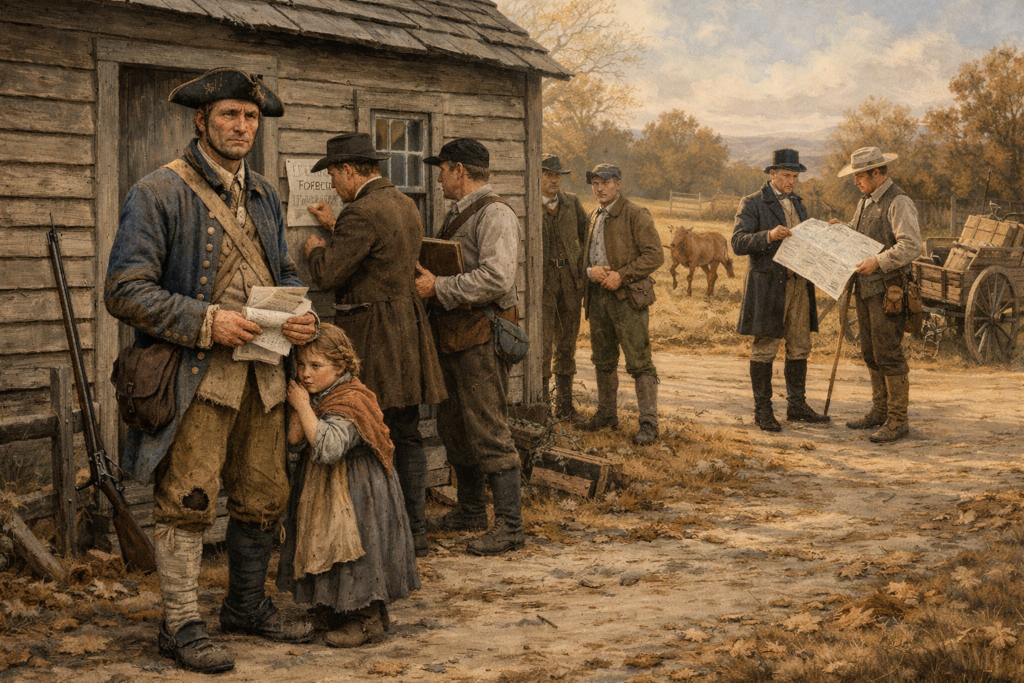
Last week I looked at how poorly revolutionary war veterans were treated in general. This week I’d like to take a look at a specific example —the contrast between how generals like Henry Knox and common soldiers like Joseph Plumb Martin fared after the Revolutionary War. It perfectly illustrates the class divide I discussed in my previous post. These two men served in the same army, helped win the same independence, and endured similar hardships—although Martin endured far greater hardship. Their post-war experiences couldn’t have been more different—and in a bitter twist, Knox’s prosperity came partly at Martin’s expense.
Knox’s Golden Parachute
Henry Knox entered the war as a Boston bookseller of modest means whose military knowledge was gained from reading rather than formal training. He rose to become Washington’s chief of artillery and a major general. When the war ended, Knox received benefits that set him up for life—or should have.
As an officer who served until the war’s end, Knox received the 1783 commutation payment: five years’ full pay in the form of government securities bearing six percent annual interest. This came after Knox himself helped lead the officer corps in pressuring Congress for payment during the near-mutiny known as the Newburgh Conspiracy in early 1783. In total, 2,480 officers received these commutation certificates
But Knox’s real windfall came from his marriage and his government connections. His wife Lucy came from a wealthy Loyalist family—her grandfather was Brigadier General Samuel Waldo, who’d gained control of a massive land patent in Maine in the 1730’s. When Lucy’s family fled to England, she became the sole heir to approximately 576,000 acres known as the Waldo Patent.
Knox used his position as the first Secretary of War (earning $3,000 annually in 1793) and his wartime connections to expand his land holdings and business ventures. He was able to ensure that his wife’s family lands were passed to her, rather than being seized by the government, as the holding of many loyalists were. Knox was firmly positioned on the creditor side of the equation, and his political connections helped shield him from the harsh economic reality faced by common soldiers.
He also acquired additional property in the Ohio Valley and engaged in extensive land speculation. He ran multiple businesses: timber operations, shipbuilding, brick-making, quarrying, and extensive real estate development.
After retiring from government in 1795, he built Montpelier, a magnificent three-story mansion in Thomaston, Maine, described as having “beauty, symmetry and magnificence” unequaled in Massachusetts. (My wife and I visited a reconstruction of his mansion this past summer and I can personally testify as to how elaborate a home it was.)
Martin’s Broken Promises
Joseph Plumb Martin’s story is the experience of the roughly 80,000-90,000 common soldiers who did most of the fighting. Martin enlisted at age 15 in 1776 and served seven years—fighting at Brooklyn, White Plains, Monmouth, surviving Valley Forge, and digging trenches at Yorktown. He rose from private to sergeant.
When Martin mustered out, he received certificates of indebtedness instead of actual pay—IOUs that depreciated rapidly. Unlike Knox, enlisted men received no pension, no commutation payment, nothing beyond those nearly worthless certificates. Martin, like many veterans, sold his certificates to speculators at a fraction of their face value just to survive.
After teaching briefly in New York, Martin settled in Maine in the early 1790s.  Based on the promise of a land bounty from Massachusetts, Martin and other “Liberty Men” each claimed 100 acres in Maine, assuming that Loyalist lands would be confiscated and sold cheaply to the current occupants or, perhaps, even treated as vacant lands they could secure by clearing and improving.
Martin married Lucy Clewley in 1794 and started farming. He’d fought for independence and now just wanted to build a modest life in the belief that the country he had fought for would stand by its promises.
When Former Comrades Became Adversaries
Here’s where the story takes a dark turn. In 1794, Henry Knox—Martin’s former commanding general—asserted legal ownership of Martin’s 100-acre farm. Knox claimed the land was part of the Waldo Patent. Martin and other settlers argued they had the right to farm the land they’d improved, especially as it should be payment for their Revolutionary service.
The dispute dragged on for years, with some veterans even forming a guerrilla group called the “White Indians” who attacked Knox’s surveyors. But Knox had wealth, lawyers, and political connections. In 1797, the legal system upheld Knox’s claim. Martin’s farm was appraised at $170—payable over six years in installments.
To put that in perspective, when Martin finally received a pension in 1818—twenty-one years later—it paid only $96 per year. And to get even that meager pension, Martin had to prove he was destitute. The $170 Knox demanded represented nearly two years of the pension Martin wouldn’t receive for another two decades.
Martin begged Knox to let him keep the land. There’s no evidence Knox even acknowledged his letters. By 1811, Martin had lost more than half his farm. By 1818, when he appeared before the Massachusetts General Court with other veterans seeking their long-promised pensions, he owned nothing.
The Irony of “Fair Treatment”
Knox claimed he treated settlers on his Maine lands fairly, though he used intermediaries to evict those who couldn’t pay rent or whom he considered to be squatters. The settlers disagreed so strenuously that they once threatened to burn Montpelier to the ground
The situation’s bitter irony is hard to overstate. Knox had been one of the officers who organized the Society of the Cincinnati in 1783, ostensibly to support widows and orphans of Revolutionary War officers. He’d helped lead the push for officer commutation payments by threatening Congress during the Newburgh affair. Yet when common soldiers like Martin—men who’d literally dug the trenches that won the siege at Yorktown—needed help, Knox showed no mercy.
The Numbers Tell the Story
Let’s compare their situations side by side:
Henry Knox:
              ∙            Officer commutation: Five years’ full pay in securities with 6% interest
              ∙            Secretary of War salary: $3,000 per year (1793)
              ∙            Land holdings: 576,000+ acres in Maine, plus Ohio Valley properties
              ∙            Housing: Three-story mansion with extensive outbuildings
              ∙            Businesses: Multiple ventures in timber, ships, bricks, quarrying, real estate
              ∙            Death: 1806, in debt from failed business ventures but having lived in luxury
Joseph Plumb Martin:
              ∙            Enlisted pay: Mostly unpaid certificates sold at a loss to speculators
              ∙            Pension: None until 1818, then $96 per year (had to be destitute to qualify)
              ∙            Land holdings: Started with 100 acres, lost all most all of it to Knox by 1818
              ∙            Housing: Small farmhouse, struggling to farm 8 of his original 100 acres
              ∙            Income: Subsistence farming, served as town clerk for modest pay
              ∙            Death: 1850 at age 89, having struggled financially his entire post-war life
A Memoir Born of Frustration
In 1830, at age 70, Martin published his memoir anonymously. The full title captured his experience: “A Narrative of Some of the Adventures, Dangers, and Sufferings of a Revolutionary Soldier.” He published it partly to support other veterans fighting for their promised benefits and possibly hoping to earn some money from sales.
The book didn’t sell. It essentially disappeared until a first edition was rediscovered in the 1950s and republished in 1962. Today it’s considered one of the most valuable primary sources we have for understanding what common soldiers experienced during the Revolution. Historians praise it precisely because it’s not written by someone like Washington, Knox, or Greene—it’s the voice of a regular soldier
When Martin died in 1850, a passing platoon of U.S. Light Infantry stopped at his house and fired a salute to honor the Revolutionary War hero. But that gesture of respect came long after the country should have helped Martin when he needed it.
The Broader Pattern
Knox wasn’t unusual among officers, nor was Martin unusual among enlisted men. This was the pattern: officers with education, connections, and capital leveraged their wartime service into political positions, land grants, and business opportunities. Common soldiers received promises, waited decades for minimal pensions, and often lost what little property they had to the very elites who’d commanded them.
It’s worth noting that Knox’s business ventures eventually failed. He died in debt in 1806, having borrowed extensively to fund his speculations. His widow Lucy had to gradually sell off land to survive. But Knox still lived eleven years in a mansion, engaged in enterprises of his choosing, and died surrounded by family on his comfortable estate. Martin outlived him by forty-four years, spending most of them in poverty.
The story of Knox and Martin isn’t one of villainy versus heroism. Knox was a capable general who genuinely contributed to winning independence. Martin was a dedicated soldier who did the same. But the system they operated within distributed the benefits of that shared victory in profoundly unequal ways, and Knox—whether intentionally or not—used that system to take what little they had from soldiers who’d fought under his command. This was not corruption in the modern sense; it was the predictable outcome of a system that rewarded status, education, and proximity to power. Knox’s experience illustrates a broader truth of the post-Revolutionary period: independence redistributed political sovereignty, but economic security flowed upward, not downward.
When we talk about how Continental Army veterans were treated, this is what it looked like on the ground: the officer who led the charge for officer pensions living in a mansion on 600,000 acres, while the sergeant who dug the trenches at Yorktown lost his 100-acre farm and had to prove he was destitute to get $96 a year, decades too late to matter. This will always be a black mark on American history.
 
Illustrations generated by author using ChatGPT.

Personal note: I spent 12 years on active duty, both as an officer and an enlisted man. I’m proud of my service and I’m proud of the people who have served our country. I do not write this in order to condemn our history. I write it in order to make us aware that we need to always support the common people who contribute vitally to our national success and are seldom recognized.

Sources
Martin, Joseph Plumb. “A Narrative of a Revolutionary Soldier: Some of the Adventures, Dangers and Sufferings of Joseph Plumb Martin”
Originally published anonymously in 1830 at Hallowell, Maine as “A narrative of some of the adventures, dangers, and sufferings of a Revolutionary soldier, interspersed with anecdotes of incidents that occurred within his own observation.” The memoir fell into obscurity until a first edition copy was discovered in the 1950s and donated to Morristown National Historical Park. Republished by Little, Brown in 1962 under the title “Private Yankee Doodle” (edited by George F. Scheer). Current edition published 2001. This firsthand account by a Continental Army private who served seven years provides invaluable insight into the common soldier’s experience during the war and the struggles veterans faced afterward, including Martin’s own land dispute with Henry Knox.  I highly recommend this book to anyone with an interest in ordinary people and their role in history.
 
American Battlefield Trust – The Newburgh Conspiracy
https://www.battlefields.org/learn/articles/newburgh-conspiracy
 
Maine Memory Network – Henry Knox: Land Dealings
https://thomaston.mainememory.net/page/735/display.html
 
World History Encyclopedia – Henry Knox
https://www.worldhistory.org/Henry_Knox/
 
Maine: An Encyclopedia – Knox, Henry
https://maineanencyclopedia.com/knox-henry/
 
American Battlefield Trust – Joseph Plumb Martin: Voice of the Common American Soldier
https://www.battlefields.org/learn/articles/joseph-plumb-martin
 
Wikipedia – Joseph Plumb Martin
https://en.wikipedia.org/wiki/Joseph_Plumb_Martin
 
Note on Additional Context: While these were the primary sources directly used in this article, the discussion also drew on information from my earlier Revolutionary War veterans article about the general treatment of enlisted soldiers, pension systems, and the class disparities in how benefits were distributed after the war.

Understanding Critical Race Theory: What It Is—and Why It Divides America

When I first started hearing debates about Critical Race Theory, I thought these people can’t possibly be talking about the same thing. There seemed to be no common ground—even the words they were using seemed to have different meanings.

Critical Race Theory (CRT) has become one of the most contested intellectual concepts in contemporary American culture. Originally developed in law schools during the 1970s and 1980s, CRT has evolved into a broad analytical method of examining how race and racism operate in society. Understanding its origins, core principles, and the political debates surrounding it requires examining both its academic foundations and its journey into public consciousness.

Origins and Early Development

Legal scholars who were dissatisfied with the slow pace of racial progress following the Civil Rights Movement laid the groundwork for CRT. The early figures included Derrick Bell, often considered the father of CRT, along with Alan Freeman, Richard Delgado, Kimberlé Crenshaw, and Cheryl Harris. These scholars were frustrated that despite landmark legislation like the Civil Rights Act of 1964 and the Voting Rights Act of 1965, racial inequality persisted across American institutions.

The intellectual roots of CRT can be traced to Critical Legal Studies, a movement that challenged traditional legal scholarship’s claims of objectivity and neutrality. However, CRT scholars felt that Critical Legal Studies failed to adequately address race and racism. They drew inspiration from various sources, including the work of civil rights lawyers like Charles Hamilton Houston, sociological insights about institutional racism, and postmodern critiques of knowledge and power.

Derrick Bell’s groundbreaking work in the 1970s laid crucial foundation. His “interest convergence” theory, presented in his analysis of Brown v. Board of Education, argued that advances in civil rights occur only when they align with white interests. This insight became central to CRT’s understanding of how racial progress unfolds in American society.

Core Elements and Principles

Critical Race Theory encompasses several key tenets that distinguish it from other approaches to studying race and racism.

First, CRT posits that race is not biologically real; it’s a human invention to justify unequal treatment. It also holds that racism is not merely individual prejudice, but a systemic feature of American society embedded in legal, political, and social institutions. This “structural racism” perspective emphasizes how seemingly neutral policies and practices can perpetuate racial inequality.

Second, CRT challenges the traditional civil rights approach that emphasizes color-blindness and incremental reform. Instead, CRT scholars argue that color-blind approaches often mask and perpetuate racial inequities. They advocate for race-conscious policies and a more aggressive approach to dismantling systemic racism.

Third, CRT emphasizes the importance of lived experience in the form of storytelling and narrative. Scholars use personal narratives, historical accounts, and counter-stories to challenge dominant narratives about race and racism. This methodological approach reflects CRT’s belief that experiential knowledge from communities of color provides crucial insights often overlooked by traditional scholarship.

Fourth, CRT introduces the concept of intersectionality, a term coined by legal scholar Kimberlé Crenshaw. This framework examines how multiple forms of identity and oppression—including race, gender, class, and sexuality—intersect and compound each other’s effects.

Finally, CRT is explicitly activist-oriented with a goal of creating new norms of interracial interaction. Unlike purely descriptive academic theories, CRT aims to understand racism in order to eliminate it. This commitment to social transformation distinguishes CRT from more traditional academic approaches.

Evolution and Expansion

Since its origins in legal studies, CRT has expanded into numerous disciplines including education, sociology, political science, and ethnic studies. In education, scholars like Gloria Ladson-Billings and William Tate applied CRT frameworks to understand racial disparities in schooling. This educational application of CRT examines how school policies, curriculum, and practices contribute to achievement gaps and educational inequality.

Conservative Perspectives

Conservative critics of CRT raise several concerns about the theory and its applications. They argue that CRT’s emphasis on systemic racism is overly deterministic and fails to account for individual differences and the significant progress made in racial equality since the Civil Rights era. Many conservatives contend that CRT promotes a victim mentality that undermines personal responsibility and achievement.

From this perspective, CRT’s race-conscious approach is seen as divisive and potentially counterproductive. Critics argue that emphasizing racial differences rather than common humanity perpetuates division and resentment. They often prefer color-blind approaches that treat all individuals equally regardless of race.

Conservative critics also express concern about CRT’s application in educational settings, arguing that it introduces inappropriate political content into classrooms and may cause students to feel guilt or shame based on their racial identity. Some argue that CRT-influenced curricula amount to indoctrination rather than education.

Additionally, some conservatives view CRT as fundamentally un-American, arguing that its critique of American institutions and emphasis on systemic oppression undermines national unity and patriotism. They contend that CRT presents an overly negative view of American history and society.

Some conservatives go further, calling CRT a form of “anti-American radicalism.” They believe it rejects Enlightenment values—reason, objectivity, and universal rights—in favor of ideology and emotion. Others criticize CRT’s reliance on narrative and lived experience, arguing that it substitutes storytelling for empirical evidence.

Liberal Perspectives

Supporters of CRT argue that it provides essential tools for understanding persistent racial inequalities that other approaches fail to explain adequately. They contend that CRT’s focus on systemic racism accurately describes how racial disparities continue despite formal legal equality.

To them, CRT isn’t about blaming individuals; it’s about recognizing how systems work. Advocates say that color-blind policies often perpetuate inequality because they ignore how race has historically shaped opportunity. They see CRT as empowering marginalized communities to tell their stories and as pushing America closer to its own ideals of justice and equality.

Liberal and progressive thinkers see CRT as a reality check—a necessary tool for understanding and dismantling systemic racism. They argue that laws and policies that seem neutral can still produce racially unequal outcomes—for example disparities in school funding or redlining in housing. (Denying loans or insurance based on neighborhoods rather than individual qualifications.)

From this perspective, CRT’s race-conscious approach is necessary because color-blind policies have proven insufficient to address entrenched racial inequities. Supporters argue that acknowledging and directly confronting racism is more effective than pretending race doesn’t matter.

Liberal defenders of CRT emphasize its scholarly rigor and empirical grounding, arguing that criticism often mischaracterizes or oversimplifies the theory. They point out that CRT is primarily an analytical framework used by scholars and graduate students, not a curriculum taught to elementary school children, as some critics suggest. Progressive educators also note that much of what critics call “CRT in schools” is really teaching about historical facts—slavery, segregation, civil-rights struggles—not law-school theory. They argue that banning CRT is less about protecting students and more about suppressing uncomfortable conversations about race and history.

Supporters also argue that CRT’s emphasis on storytelling and lived experience provides valuable perspectives that have been historically marginalized in academic discourse. They see this as democratizing knowledge production rather than abandoning scholarly standards.

Furthermore, many on the left argue that attacks on CRT represent attempts to silence discussions of racism and maintain the status quo. They view criticism of CRT as part of a broader backlash against racial justice efforts.

Why It Matters

You don’t have to buy every part of CRT to see why it struck a nerve. It forces us to ask uncomfortable but important questions: Why do some inequalities persist even after laws change? How do institutions carry the weight of history?

Whether you agree or disagree with CRT, it’s hard to deny that it has shaped how Americans talk about race. The theory challenges us to look beyond personal prejudice and ask how systems distribute power and privilege. Its critics, in turn, remind us that any theory of justice must preserve individual rights and shared civic values.

The real challenge may be learning to hold both ideas at once: that racism can be systemic, and that individuals should still be treated as individuals. CRT’s greatest value—and its greatest controversy—comes from forcing that tension into the open.

Sources:

JSTOR Daily. “What Is Critical Race Theory?” https://daily.jstor.org/what-is-critical-race-theory/ (Accessed December 3, 2025)

Harvard Law Review Blog. “Derrick Bell’s Interest Convergence and the Permanence of Racism: A Reflection on Resistance.” https://harvardlawreview.org/blog/2020/08/derrick-bells-interest-convergence-and-the-permanence-of-racism-a-reflection-on-resistance/ (March 24, 2023)

Bell, Derrick A., Jr. “Brown v. Board of Education and the Interest-Convergence Dilemma.” Harvard Law Review, Vol. 93, No. 3 (January 1980), pp. 518-533.

Columbia Law School. “Kimberlé Crenshaw on Intersectionality, More than Two Decades Later.” https://www.law.columbia.edu/news/archive/kimberle-crenshaw-intersectionality-more-two-decades-later

Crenshaw, Kimberlé. “Demarginalizing the Intersection of Race and Sex: A Black Feminist Critique of Antidiscrimination Doctrine, Feminist Theory and Antiracist Politics.” 1989.

Britannica. “Richard Delgado | American legal scholar.” https://www.britannica.com/biography/Richard-Delgado

Wikipedia. “Critical Race Theory.” https://en.wikipedia.org/wiki/Critical_race_theory (Updated December 31, 2025)

MTSU First Amendment Encyclopedia. “Critical Race Theory.” https://www.mtsu.edu/first-amendment/article/1254/critical-race-theory (July 10, 2024)

Delgado, Richard and Jean Stefancic. “Critical Race Theory: An Introduction.” New York University Press, 2001 (2nd edition 2012, 3rd edition 2018).

Teachers College Press. “Critical Race Theory in Education.” https://www.tcpress.com/critical-race-theory-in-education-9780807765838

American Bar Association. “A Lesson on Critical Race Theory.” https://www.americanbar.org/groups/crsj/publications/human_rights_magazine_home/civil-rights-reimagining-policing/a-lesson-on-critical-race-theory/

NAACP Legal Defense and Educational Fund. “What is Critical Race Theory, Anyway? | FAQs.” https://www.naacpldf.org/critical-race-theory-faq/ (May 6, 2025)

The illustration was generated by the author using Midjourney.

Powered by WordPress & Theme by Anders Norén