Here’s a story that most Americans never learned in school and it’s one worth knowing.
When we think about Memorial Day, we typically picture a date set by Congress, a general’s order, or some official act of government. What we don’t picture is a group of newly freed Black Americans in post-Civil War Charleston, South Carolina, quietly reburying the dead and making sure they weren’t forgotten. But that’s exactly what happened — and it may be the closest thing we have to the true origin of Memorial Day.
A Racetrack Turned Prison Turned Cemetery
Before the Civil War, the Washington Race Course and Jockey Club in Charleston was the kind of place where the Southern planter class went to be seen — horse racing, socializing, a symbol of antebellum wealth. By the war’s final year, the Confederate Army had repurposed it into something far grimmer: an open-air prison for captured Union soldiers.
The conditions were brutal. More than 257 Union prisoners of war died there from disease and exposure, and when the Confederates abandoned Charleston in early 1865, they left the bodies in a hastily dug mass grave in the infield. It was an ugly end for men who had fought to hold the country together.
What Happened Next Was Extraordinary
Less than a month after the Confederacy surrendered, a group of roughly two dozen Black volunteers did something remarkable. They went to that racetrack, exhumed the bodies one by one, and gave each man a proper individual burial. Then they built a ten-foot white fence around the entire site. Above the entrance, they hung a hand-painted sign that read: “Martyrs of the Race Course.”
They didn’t stop there. Together with Black schoolchildren, mutual aid societies, Union troops, Black ministers, and white northern missionaries, the community organized a formal ceremony for May 1, 1865. Nearly ten thousand people showed up — mostly freedmen — and most of them brought flowers.
The New York Tribune was there to cover it, describing the scene as “a procession of friends and mourners as South Carolina and the United States never saw before,” with gravesites that looked like “one mass of flowers.”
Why It Matters
Historian David W. Blight, who uncovered this story in a Harvard archive in the late 1990s, framed the significance of that day in striking terms: “What you have there is Black Americans recently freed from slavery announcing to the world with their flowers, their feet, and their songs what the war had been about. What they basically were creating was the Independence Day of a Second American Revolution.”
That’s not a small claim. And yet it’s grounded in documented newspaper accounts, archival records, and careful historical research. Blight laid it all out in his 2001 book Race and Reunion: The Civil War in American Memory — a work that brought this story back from near-total obscurity.
The moment that perhaps best captures the weight of this rediscovery came after Blight gave a talk at the Smithsonian. An older Black woman approached him afterward. “You mean that story is true?” she asked. “I grew up in Charleston, and my granddaddy used to tell us this story of a parade at the old racetrack, and we never knew whether to believe him or not.”
How the Story Got Buried
The Charleston ceremony didn’t disappear by accident. During the post-Reconstruction era, groups like the United Daughters of the Confederacy worked systematically to reshape public memory of the Civil War. Books were rewritten, narratives were shifted, and the Black-led origins of what would become Memorial Day were quietly erased from the historical record. White organizers were credited in their place.
This wasn’t unusual. It fits a much broader pattern in American history in which Black contributions to the nation’s military and civic life — from the Revolutionary War through both World Wars — were minimized or simply left out of the story that got told in schools and textbooks.
A Note on Competing Claims
It’s worth being fair about the history here: towns like Waterloo, New York, and Columbus, Georgia also claim early Memorial Day commemorations, and historians continue to debate which event was truly “the first.” Waterloo, in fact, holds the official congressional designation as the birthplace of Memorial Day.
But the Charleston ceremony of May 1, 1865, stands as one of the most thoroughly documented early observances — and arguably the most meaningful in its context. What makes the Charleston ceremony especially significant is that it linked remembrance of the war dead directly to emancipation and Black citizenship. To the participants, honoring fallen Union soldiers also meant honoring the destruction of slavery itself. It was organized by people who had the most personal stake in honoring those deaths: the men and women who had been enslaved, and who understood better than anyone what those Union soldiers had given their lives for.
The Bottom Line
Memorial Day didn’t begin with an act of Congress. One of its earliest and most powerful expressions came from a community of recently freed Black Americans in Charleston, South Carolina, who spent two weeks exhuming the dead, burying them properly, and organizing a ceremony that ten thousand people attended.
They did it with flowers, hymns, and their presence — and then history buried the story much as the Confederates had buried the soldiers. It took a box of old newspaper clippings in a Harvard archive to bring it back.
The Shameless, Relentless, Occasionally Confounding World of Credit Card Solicitations
There is a tree somewhere in North America that gave its life so that you could receive a glossy envelope informing you that you have been “pre-approved” for a credit card you never asked for, do not need, and will almost certainly use to buy something you will regret. And then, before the last fibers of that tree have even fully composted in a landfill, another envelope arrives. And another. And another. The credit card industry, it turns out, does not take rejection personally.
If there is one thing that unites every American regardless of age, income, or credit score, it is the daily ritual of sorting through a mailbox that appears to be funded entirely by credit card marketing departments. You may be rich, poor, employed, retired, or technically living in a van — the credit card offers will find you. In effect, your mailbox has become a credit card distribution center.
The Numbers: A Blizzard of Pre-Approval
Let’s start with some data, because the numbers are genuinely staggering. At an early peak of credit card direct mail campaigns in 2005 and 2006, the industry was mailing roughly 7.5 billion pieces per year — which works out to approximately 30 offers for every adult in the country. That’s a piece of mail roughly every twelve days, from an industry that had apparently decided that subtlety was for amateurs. The market is so saturated that the response rate is typically less than 1%; that’s an absurd amount of mail just to catch few fish.
The Great Recession briefly interrupted this party. By July 2009, the volume had cratered to a trickle of just over 1.2 billion pieces per year. But credit card issuers, being resilient optimists in the face of human financial suffering, bounced back. By 2020, estimates placed the total at around 11 billion credit card solicitations sent to consumers in a single year. (I think most of them wound up in my mailbox.)
For context, the average American household currently receives roughly 848 pieces of junk mail per year, and credit card solicitations make up a meaningful share of that. One statistical source estimates Americans spend, in aggregate, eight months of their lifetime opening junk mail. One can only imagine how much of that is spent frowning at an offer for a card with a 29.99% APR and a free tote bag.
Despite digital marketing’s rise, the physical mailbox remains a preferred channel for credit card pitches. Why? Because the industry discovered long ago that a glossy envelope with your name printed in a font that implies importance is harder to ignore than an email you delete before you even finish reading the subject line.
The Average American: Already Carrying Quite Enough, Thank You
So, what do all these offers produce? Americans currently hold an average of 7.1 open credit card accounts, though only about 3.7 of those are actively used. The rest appear to be dormant accounts accumulated over the years, like ex-partners you never quite got around to officially ending things with.
Baby Boomers lead the generational pack with an average of 4.61 active cards, followed by Gen X at 4.23. In total, there are now 636 million open credit card accounts in the United States as of mid-2025 — nearly two per American, counting children and people who have sworn off plastic entirely.
The average credit card balance in the U.S. as of late 2024 was $6,730, with the average APR sitting at a punishing 21 to 22 percent. This means that for many people, the credit card they received in a “pre-approved!” envelope is now costing them more in interest than they spend on groceries. The tote bag, presumably, was not worth it.
Senior Citizens: A Special Kind of Target
Now let’s talk about senior citizens, because the credit card industry has a special enthusiasm for this demographic. Seniors, after all, tend to have long credit histories, established accounts, and in many cases, the kind of pristine credit scores that issuers find irresistible. The fact that many are living on fixed incomes does not appear to dim the industry’s ardor.
According to recent data, Americans 65 and older hold on average, up to 4.8 cards per person. This tracks: decades of responsible use and a long credit history make seniors attractive applicants. And credit card issuers can absolutely count Social Security, pension income, IRA distributions, and investment income as qualifying income on applications. Federal law requires it.
What this means, in practice, is that a 78-year-old widower living on $1,400 a month from Social Security can receive and potentially qualify for a credit card — possibly with a $5,000 credit limit and a 28% APR. Whether this is a genuine service or a predatory opportunity dressed in rewards points is a matter of perspective, and apparently a matter of vigorous congressional debate. A House committee hearing on the subject noted with concern that older Americans are the fastest-growing age group to file for bankruptcy, a trend linked in part to credit card debt.
Scenario One: The Comfortable Retiree
Consider “Martha,” a 71-year-old retired schoolteacher in Ohio. She has a pension of $2,200 per month, Social Security of $1,800 per month, and a modest IRA she draws $500 from monthly. Her total annual income is around $54,000. She has an excellent credit score of 760, accumulated over 45 years of never once paying a bill late.
Martha’s mailbox is a cornucopia of opportunity. She receives offers for travel cards, cashback cards, AARP-branded cards, hotel rewards cards, and at least one card that seems to believe she has always wanted to earn airline miles in exchange for buying cat food. She probably qualifies for most of them. Her challenge is not getting a credit card — it is having the discipline not to get all of them.
Scenario Two: The Social Security-Only Retiree
“Robert,” 74, is a retired factory worker in West Virginia. His only income is $1,350 per month in Social Security. He rents a small apartment and drives a 2009 pickup. He would not describe himself as a big spender. Yet the offers come anyway. Some cards he would qualify for; some he would not. But the envelopes do not discriminate.
For Robert, a credit card on a Social Security-only income is a double-edged instrument. Used wisely — a small recurring charge paid off every month — it helps maintain his credit score. Used unwisely, with a 24% APR and a $3,000 limit he does not need, it can quietly become a slow-motion financial disaster. As one congressional witness summarized: more than a third of seniors depend on Social Security for over 90% of their income, and a high-interest credit card can be devastating for someone living on a fixed income.
Scenario Three: The Affluent Senior
“Eleanor” is 68, a retired surgeon living in Scottsdale. She has a pension, maximum Social Security, significant investment income, and a paid-off home. Her total income is probably north of $200,000 a year. Her credit score is 820. Eleanor receives credit card offers the way the rest of us receive pizza coupons — constantly, enthusiastically, and with the implicit suggestion that her life would be measurably improved if she just signed up.
Eleanor gets the platinum cards, the black cards, the invitation-only cards that arrive in weighted envelopes and refer to her, inexplicably, as a “member.” For Eleanor, the game is actually worth playing: if you have the discipline to pay the balance every month, a 2% cashback card on $150,000 in annual spending produces $3,000 in free money. The credit card companies are betting she won’t. She usually does. Eleanor is winning — one of the few.
The Ultimate Power Move: Apply for All of Them
Now we arrive at the scenario that the credit card industry’s actuarial tables do not like to contemplate: what happens if someone actually applies for every card they are offered, gets approved for most of them, charges them all to the maximum, and then declares bankruptcy?
Theoretically, this sounds like a heist. In practice, it is a lot messier, and the law has anticipated your enthusiasm.
First, the logistics. Applying for multiple credit cards simultaneously triggers multiple hard inquiries on your credit report, which almost immediately begins dragging your credit score down. Issuers can see those inquiries in real time. After the third or fourth application, the phone calls from the fraud department start. After the eighth, many issuers simply decline. The window for pulling this off is narrow and rapidly self-closing, like a submarine hatch operated by someone who has had one too many.
That said, people do accumulate considerable credit card debt before reaching bankruptcy. American credit card debt hit $1.18 trillion in 2025, and a meaningful portion of it is genuinely uncollectable. Chapter 7 bankruptcy, the kind that discharges most unsecured debts within a few months, absolutely does handle credit card balances. In most cases, credit card debt is treated as non-priority unsecured debt, meaning it is the first thing eliminated and the last creditor to get paid if there are assets. Usually there are no assets.
But — and here is where the bankruptcy judge stops smiling — there are several traps for the scheming would-be debt escapee.
The first is the luxury goods rule. If you charged more than $725 worth of luxury goods or services within 90 days of filing bankruptcy, that debt is presumptively non-dischargeable. The law has a very dim view of someone who maxed out a credit card at Nordstrom on a Thursday and filed Chapter 7 on a Sunday. Similarly, cash advances over $1,000 taken within 70 days of filing are presumptively non-dischargeable.
The second is fraud. If the bankruptcy trustee or a credit card company can demonstrate that you took on debt with no intention of repaying it — which, if you applied for 14 cards in a month and maxed them all out, is not a difficult case to make — those debts can be challenged as non-dischargeable. The burden of proof matters, and credit card companies have 60 days from your first creditor meeting to file complaints.
The third is the means test. Chapter 7 bankruptcy requires you to pass an income means test. If your income is above the state median, you may be pushed toward Chapter 13, which involves a three-to-five-year repayment plan. Not quite the clean escape the heist film suggested.
For seniors specifically, there is a wrinkle that is either reassuring or terrifying depending on your perspective: Social Security income cannot be garnished by private creditors — even if a court enters a judgment against you. A credit card company can sue you, win, and receive a judgment, and still be unable to touch your monthly Social Security check. This makes seniors who live exclusively on Social Security somewhat “collection-proof,” though that is a legal term, not an invitation, and the stress of debt and lawsuits is not trivial.
In other words, someone could theoretically max out ten credit cards, declare bankruptcy, watch most of the debt get discharged, and continue living on Social Security without the credit card companies collecting a dime. In theory. In practice, this would also mean having a bankruptcy on your credit report for 7 to 10 years, being unable to get any new credit, and explaining to your grandchildren why you have 14 maxed-out cards and a lawyer’s business card on the refrigerator.
Some people believe they may have found a way around this. They plan that if they are ever diagnosed with a fatal illness, they will simply max out every credit card they can get and leave the companies on the hook for their final days of high living.
There’ s just one problem. When you die, your credit card debt doesn’t just evaporate. Everything you own — and everything you owe — becomes part of your “estate.” Your estate is responsible for your debts, meaning outstanding credit card balances are paid from assets like your home, bank accounts, investments, and personal property. The legal sorting-out process is called probate.
So, if you pass away with $5,000 in credit card debt and a $50,000 estate, the debt gets paid first and your heirs get the rest. If you have $5,000 in debt and only $3,000 in assets, the creditor typically eats the difference — your kids don’t write a check. However, if your surviving spouse is a joint account holder or you live in a community property state, they may be responsible for your total credit card debt.
The Bottom Line: A Comedy in Several Acts
The credit card solicitation industry is, at its core, an enormous optimism machine. It believes, against all available evidence, that the person who received 847 pieces of junk mail last year is ready to finally respond to number 848. It believes that a 79-year-old man on Social Security is one glossy envelope away from becoming a loyal travel rewards customer. It believes that if it just makes the sign-up bonus big enough, you will forget about the 26% APR.
Most of us play along, at least a little. We hold three or four cards. We pay them off sometimes and carry a balance sometimes. We accept the cashback and occasionally read the fine print, mostly when something goes wrong.
And somewhere in a mail-sorting facility right now, another batch of envelopes is being addressed. They are glossy. They are personalized. They say, in bold letters, that you have been pre-approved.
You are always pre-approved. That’s the joke. And also, somehow, the business model.
Illustration Generated by author using ChatGPT.
Disclaimer
This article is written for general informational and entertainment purposes. It does not constitute financial, legal, or medical advice. Readers facing significant credit card debt or considering bankruptcy should consult a qualified financial advisor or licensed bankruptcy attorney. The author’s opinions are independent and do not represent any institutional affiliation.
A plain-language look at gummy vitamins and medications — the good, the bad, and the sticky
Not Your Grandma’s Vitamin
Walk down the supplement aisle of any pharmacy or big-box store and you’ll find row after row of brightly colored bottles filled with gummy bears, worms, and rings that smell vaguely of fruit punch. Decades ago, vitamins came in white tablets that tasted like chalk and left you feeling vaguely like you’d swallowed a piece of sidewalk. Today, a not-insignificant share of the American supplement market looks and tastes a whole lot like candy. That shift didn’t happen by accident, and understanding what’s driving it — and what it costs — is worth your time.
Gummy formulations now cover everything from vitamin C and melatonin to prenatal multivitamins and, increasingly, actual prescription-adjacent medications. The format has clear appeal, especially for children who resist pills and adults who find swallowing large tablets unpleasant or outright difficult. But behind that chewy exterior lies a more complicated picture involving sugar, unreliable dosing, dental damage, and real safety risks that most consumers never think about.
The Appeal Is Real
Let’s give credit where it’s due: the biggest genuine advantage of gummy vitamins isn’t nutritional — it’s behavioral. According to University Hospitals, the primary benefit of gummies over traditional supplements is people will take them more consistently. A vitamin sitting in your cabinet because you hate the taste is worthless. A gummy you look forward to, however modest its nutritional profile, at least does something. That’s not a trivial point.
For parents of young children, this is often a decisive factor. Getting a five-year-old to swallow a pill can feel like an Olympic sport. Gummies sidestep the fight entirely. And for elderly patients managing complex medication regimens, or anyone with a swallowing disorder (called dysphagia), gummies and chewables offer a useful alternative to pills and capsules.
There’s also a psychological dimension. Taking a gummy feels like a small reward rather than a medical obligation, and that association can make adherence to a supplement routine more sustainable. That may sound trivial, but in the real world of patient behavior, it matters.
Gummies may be gentler on the stomach than some traditional tablets because they lack certain binding agents and can sometimes be taken without food or large volumes of water, reducing nausea for sensitive users.
The popularity of gummy medications reflects a broader shift in medicine toward consumer-friendly products. Yet the fact that a medication tastes like candy does not make it harmless.
What’s in the Gummy?
Here’s where things start to get complicated. A standard gummy vitamin isn’t just vitamins. Its base is a blend of gelatin or pectin, corn starch, water, and — almost always — sugar or some form of sweetener. UCLA Health reports that most gummy vitamins contain between 2 and 8 grams of sugar per serving. The American Heart Association recommends no more than 25 grams of added sugar per day for women and 36 grams for men. That is a meaningful slice of a daily sugar budget, especially for someone taking multiple gummies.
The presence of all those filler ingredients — coloring, flavoring, gelling agents — creates a real-world engineering problem for manufacturers: there’s only so much space in a gummy bear. That means there is less room for actual vitamins and minerals.
Many gummy multivitamins leave out key minerals such as iron or zinc, or include them only in small amounts, because certain minerals affect taste or texture or are harder to formulate in a palatable gummy. As a result, relying solely on gummies may leave gaps compared with a well‑formulated tablet or capsule. As Cleveland Clinic notes, gummy vitamins typically contain fewer vitamins and minerals than regular vitamins, and it can be difficult to determine exactly how much nutrition you’re getting.
Sugar-free versions aren’t automatically off the hook either. Many use sugar alcohols like sorbitol or maltitol, which can cause bloating, gas, and diarrhea when consumed in any significant quantity. Others rely on high-sugar fruit juice concentrates that, while technically “no added sugar,” still deliver a meaningful glycemic hit.
The Sugar Problem — Beyond Calories
Your Teeth Are Paying the Price
The sugar content of gummy vitamins isn’t just a caloric issue — it’s a dental one, and it may be more damaging than eating equivalent sugar in another form. The reason comes down to the gelatin matrix. Dental researchers at Tufts University School of Dental Medicine explain that gummies carry roughly the same cavity risk as candy because sticky substances with sugar create oral health problems by lingering against tooth enamel far longer than liquids or even hard candies do.
When you eat ordinary sugary food, your saliva, tongue, and cheeks gradually help clear it away. Gelatin disrupts that process. It’s adhesive by design, that’s what makes gummies chewy rather than crumbly and it holds sugar against tooth surfaces far longer than normal. Bacteria in the mouth metabolize sugar and produce acids, which attack enamel in a process called demineralization. The result: an elevated risk of cavities that many never see coming because they’re thinking of these as health products, not candy.
Most gummy vitamins also contain citric acid, added for flavor. Citric acid softens enamel directly, creating a one-two punch: first the acid weakens the enamel, then the bacteria exploit the weakened surface. Brushing too soon after eating gummies can make things worse, since brushing acid-softened enamel can mechanically remove tooth structure. Dentists recommend rinsing with water immediately after chewing a gummy and waiting at least 30 minutes before brushing.
This is not a hypothetical concern. Pediatric dentists report seeing increased cavity rates in children whose parents switched to gummy vitamins as a supposedly healthier treat alternative. The irony — giving a child a health supplement that damages their teeth — is both real and under appreciated.
Diabetics, Diabetic-Adjacent, and Anyone Watching Sugar
For patients managing type 2 diabetes, pre-diabetes, metabolic syndrome, or insulin resistance, the sugar content of gummy vitamins isn’t just a dental annoyance — it’s a medication management issue. Taking multiple gummies daily, across different supplement categories (vitamin D, omega-3, calcium, melatonin, a multivitamin), can add up to a meaningful daily sugar load that was never accounted for in a dietary plan. Most people don’t track gummy sugar content the way they track the sugar in a soda, but they should.
The Dosing Problem Is Bigger Than You Think
What the Label Says vs What’s in the Bottle
Here’s a fact that should give anyone pause: gummy vitamins have a shorter shelf life than traditional pills and tablets, and the vitamins inside them degrade over time. To compensate, manufacturers sometimes overfill gummies at the time of production, meaning a freshly manufactured product may contain significantly more of a given vitamin than the label states, while an older product approaching its expiration date may contain considerably less.
The label on a gummy vitamin is, at best, a rough approximation. You might be getting 150% of what’s stated, or 60% of what’s stated, depending on when the product was manufactured and how long it sat on the shelf or in your cabinet. For most vitamins, this imprecision is inconvenient but not dangerous. For fat-soluble vitamins — specifically A, D, E, and K — it can become a genuine safety concern.
Unlike water-soluble vitamins such as C or the B vitamins, fat-soluble vitamins accumulate in the body’s fat tissue and liver rather than being excreted in urine. Consuming significantly more than your body needs over time can lead to toxicity. Vitamin A toxicity (hypervitaminosis A) can cause liver damage, bone loss, and a range of neurological symptoms. Vitamin D toxicity, while less common, can cause dangerously elevated calcium levels. The gummy format’s inherent dosing imprecision is most concerning precisely for the vitamins where precision matters most.
The Candy Problem and Accidental Overdose
Gummy vitamins taste like candy. They look like candy. Children cannot reliably distinguish them from candy, and the packaging is often designed with cartoon characters and bright colors that actively appeal to children. The predictable result: accidental ingestion. Poison control centers in the U.S. receive reports of over 60,000 vitamin toxicity events every year, and children under six account for the majority of those.
The FDA has taken notice. In late 2023, the agency convened a meeting of experts specifically to discuss the risks of candy-like nonprescription drug products, including gummy vitamins and OTC sleep aids. Among the concerns raised: packaging that uses cartoon characters and gummy worm shapes that blur the line between supplement and treat. Historically, a documented 500% spike in pediatric overdoses occurred in the late 1940s and early 1950s when drug companies began marketing kid-friendly aspirin and that was a less appealing format than gummies. History, it seems, may be repeating.
For households with young children, the safety implication is straightforward: gummy vitamins — regardless of how benign they may seem — should be stored exactly as any medication would be, in child-resistant containers and out of reach. The pleasant taste is precisely what makes them dangerous when a toddler finds them.
Regulatory Gaps and Quality Control
Supplements Aren’t Drugs
Let’s be clear about the regulatory landscape, because it matters more than most people realize. The FDA classifies dietary supplements — including gummy vitamins — as food items, not drugs. That means manufacturers don’t have to demonstrate safety and efficacy before bringing a product to market the way pharmaceutical companies do. The burden of proof is essentially reversed: the FDA must demonstrate that a product is unsafe before it can be pulled from shelves.
The practical consequences are significant. A gummy vitamin that claims to support immune health doesn’t have to prove that it does. A study analyzing supplements marketed for brain health and cognitive performance found that 83% contained compounds not listed on the label. Some contained prescription drug compounds. Heavy metals including lead, arsenic, cadmium, and mercury have been detected in dietary supplement products. Third-party testing exists (look for seals from NSF International, USP, or ConsumerLab), but it’s voluntary, and most products on the market haven’t been independently verified.
This isn’t an argument against supplements across the board — it’s an argument for educated consumption. If you or your physician have identified a specific nutritional deficiency, a targeted, independently verified supplement in a traditional tablet or capsule form will almost always deliver more reliable dosing than its gummy equivalent.
What about Prescription Gummies?
A growing number of prescription medications are being formulated as gummies or gummy-like chewables. The pharmaceutical industry sees significant potential in these products for pediatric and geriatric populations. However, prescription medications introduce additional challenges because many drugs require extremely precise dosing and predictable absorption characteristics. Compounded prescription gummies prepared by specialty pharmacies are already being marketed for conditions such as erectile dysfunction, sleep disorders, hormonal therapy, and hair loss. These require very specific prescriptions and many of these are not FDA-approved as finished pharmaceutical products, even though the active ingredients themselves may be FDA-approved.
Consumers should be cautious about products marketed online as “prescription gummies,” especially for weight loss, sexual enhancement, bodybuilding, or “natural” performance enhancement. The FDA has found hidden prescription drugs inside some supposedly “herbal” gummies. Several products sold as sexual-enhancement gummies were found to contain non- documented tadalafil, the active ingredient in Cialis. This can be dangerous, especially in patients taking nitrates or cardiac medications.
A Balanced Bottom Line
Gummy vitamins occupy a genuine and useful niche. For children who won’t take pills, for adults with swallowing difficulties, for patients who simply need a behavioral nudge to take something they’d otherwise skip — the gummy format serves a real purpose. Compliance is a legitimate medical outcome, and if the gummy gets someone to take their vitamin D consistently when they otherwise wouldn’t, that has value.
But gummies should be approached with clear eyes. They contain sugar — often more than people realize — and that sugar can damage teeth, complicate blood sugar management, and add up when multiple supplements are taken daily. Their dosing is inherently less precise than traditional formulations, a problem that grows more serious with fat-soluble vitamins that can accumulate to toxic levels. They pose a real accidental overdose risk in homes with children. And they exist in a regulatory environment that places the burden of quality assurance squarely on the consumer.
If you’re going to use gummies, the practical advice is consistent across medical sources: choose brands that have been independently third-party tested, keep them locked away from children, rinse your mouth with water after taking them, don’t substitute them for a meaningful medical intervention without your doctor’s input, and be especially cautious with fat-soluble vitamin gummies where dosing precision matters most. And if you’re taking them alongside prescription medications, tell your doctor — interactions and supplement contamination are real, if underappreciated, risks.
The gummy revolution isn’t going anywhere. The market is too large and the convenience too appealing. But the best version of that revolution is one where consumers understand what they’re actually putting in their mouths.
The information provided in this article is intended for general educational and informational purposes only and does not constitute medical advice. It should not be used as a substitute for professional medical advice, diagnosis, or treatment.
Always seek the guidance of a qualified healthcare provider with any questions you may have regarding a medical condition or treatment. Never disregard professional medical advice or delay seeking it because of something you have read here.
If you are experiencing a medical emergency, call 911 or your local emergency number immediately.
The author of this article is a licensed physician, but the views expressed here are solely those of the author and do not represent the official position of any hospital, health system, or medical organization with which the author may be affiliated.
Chief Justice John Roberts keeps telling Americans the Supreme Court is not political. He recently complained that people “view us as purely political actors,” and insisted that’s just not how the Court works. That might have been plausible twenty years ago. After the decisions of the past decade, it sounds less like reassurance and more like spin.
The Roberts Court started out conventionally conservative. Then came the turning points: Anthony Kennedy’s retirement in 2018 and Ruth Bader Ginsburg’s death in 2020. Donald Trump replaced them with Brett Kavanaugh and Amy Coney Barrett, locking in a 6–3 conservative supermajority. Since then, on the biggest fights of our time—voting, money in politics, reproductive freedom, presidential power—the Court’s answers have marched almost uniformly to the right.
One analysis of the Court’s work through 2018 found more than seventy cases where the conservative bloc formed a majority in areas like voting rights, campaign finance, corporate accountability, and civil rights where the conservative justices either bent precedent or quietly shelved their own stated doctrines to get where they wanted to go. That is not happenstance. That is a method.
Look at the decisions that define this era.
In Citizens United, the Court announced that corporations have a First Amendment right to spend unlimited money in elections, destroying what remained of campaign finance law and supercharging the power of wealthy donors and corporate interests. In Shelby County, it gutted a core provision of the Voting Rights Act, inviting a wave of state-level restrictions that predictably hit minority voters hardest. In Rucho, Roberts openly acknowledged that partisan gerrymandering is “incompatible with democratic principles”—and then declared the federal courts powerless to stop it. The Court saw a threat to democracy and chose to shrug.
Dobbs went further. For nearly fifty years, Roe v. Wade recognized a constitutional right to abortion. In 2022, that right vanished in a single 6–3 decision that tracked partisan lines. The majority did not just reject Roe; it rewrote the understanding of liberty in a way that puts other long‑standing rights on shakier ground.
Then there is Trump v. United States, which discovered sweeping criminal immunity for presidents found nowhere in the Constitution’s text or structure. Contrast that with New York State Rifle & Pistol Association v. Bruen, where the same Court insisted modern gun laws must mirror 18th‑ and 19th‑century regulations. History is mandatory when it narrows gun regulation. History is optional when it might constrain a president. The “neutral” principles somehow keep landing on the same ideological side.
The real indictment of the Roberts Court is not that the justices are conservative; conservative legal thought has serious intellectual roots. It is that the Court’s philosophy behaves like a trapdoor: originalism when it helps, textualism when that works better, “judicial restraint” when restraint freezes progressive policies, and muscular judicial power when restraint would get in the way. The tools keep changing. The destination does not.
The shadow docket has only deepened the concern. Using unsigned, unexplained emergency orders, the Court has green‑lit sweeping policy changes—on immigration, civil rights, and executive power—while lower courts were still sorting out legality. Normally, dramatic changes to national policy come with full briefing, oral argument, and written opinions. Under Roberts, some of the most consequential decisions arrive in the dead of night, with no reasoning the public can read and no guidance lower courts can follow.
To be honest, the story is not all one-way traffic. Justice Neil Gorsuch wrote the majority opinion which held that federal employment law protects LGBTQ workers. Roberts has occasionally voted to preserve precedent he personally disliked. There are a handful of high‑profile cases where the conservative justices have broken ranks or rejected expansive claims of presidential power, but those cases are rare.
In the high‑stakes political questions of the last decade the line is brutally clear: when democracy is at stake, money wins; when voting rights are at stake, restrictions win; when women’s bodily autonomy is at stake, state power wins; when presidential accountability is at stake, the president wins. That is not a random walk through neutral legal doctrine. It is a pattern.
Roberts is right about one thing: it is simplistic to call justices “politicians in robes.” Asking whether the Roberts Court is “biased” is not the point. Regardless of label, we have a Supreme Court whose decisions on the most contested issues overwhelmingly favor one political side. The law requires consistency and when the Court keeps changing its rules but not its results, the public is not fooled.
The Chief Justice can insist that is just how the law shakes out. The rest of us are entitled to look at the record and draw our own conclusions.
“They’re not after me, they’re after you. I’m just in the way.” —Donald J. Trump
Introduction
Donald Trump has turned political victimhood into something remarkably durable: a brand. Since his first term, Trump has consistently advanced a narrative that he is the unfair target of a corrupt establishment — not because of anything he has done, but because of who he is and the threat he poses to entrenched power. That narrative, far from fading, has deepened and accelerated in his second term, propelled by a relentless series of legal maneuvers, institutional confrontations, and rhetorical provocations that seem engineered to keep the grievance machine running. Whether the cause is a leaked tax return, a photograph of seashells on a beach, or a comedian’s joke at a press dinner, Trump and his allies have shown a remarkable ability to recast every controversy as evidence of persecution. The result is a political identity built less on policy than on shared victimhood — one that has proven more resilient to contradiction than almost anything else in modern American politics. I first wrote about this several months ago, but recent events have motivated me to update the topic.
The Anatomy of a Persecution Story
At the heart of Trump’s messaging is the claim that nearly every major American institution is rigged against him: the judiciary, the press, federal agencies, social media companies, and even fellow Republicans who fail to show sufficient loyalty. He doesn’t stop at personal grievance. His signature rhetorical move is to project that persecution outward — to his supporters — insisting that the forces targeting him are really targeting them, and that he alone stands in the way. Strongmen throughout history have used this populist inversion to build fierce loyalty, but Trump has refined it for the digital age, where every legal setback can be instantly monetized through fundraising appeals and turned into rally fodder before the ink is dry on a court filing.
Suing His Own Government: The IRS Lawsuit
Few episodes illustrate the paradox of Trump’s persecution narrative more sharply than his $10 billion lawsuit against the IRS and Treasury Department, agencies he controls as president. Filed in January 2026, the suit alleges that a government contractor wrongfully leaked his tax records to the press during his first term — a legitimate grievance in isolation, since the contractor did plead guilty and was sentenced to five years in prison. But the spectacle of a sitting president suing his own executive branch for a payout that would come from taxpayers has raised serious legal and ethical flags. Florida District Judge Kathleen M. Williams questioned whether Trump and the agencies are “sufficiently adverse to each other” for the case to proceed at all, noting that Trump’s own executive orders require the Justice Department to follow his legal interpretations. In plain terms: the president would be suing the government he runs, defended by lawyers who must take his side, with any settlement check written to him by American taxpayers. Trump’s lawyers and the IRS have meanwhile entered settlement talks, requesting a 90-day pause in proceedings. Democratic lawmakers introduced a bill to prohibit the president, vice president, and their families from collecting any such settlement. The episode is vintage Trump — a genuine underlying grievance amplified into a high-profile conflict that simultaneously reinforces his victimhood and generates favorable headlines.
The Pursuit of James Comey: Retribution as Policy
The Trump Justice Department’s second criminal indictment of former FBI Director James Comey, announced April 28, 2026, reads like a case study in how prosecution can become an instrument of political narrative. The charges stem from an Instagram post Comey made in May 2025 showing seashells on a beach arranged to spell “86 47” — a formation Comey said he simply found and photographed. Prosecutors interpreted it as a threat against the 47th president, an argument that First Amendment scholars have called legally dubious. Stanford First Amendment expert Eugene Volokh told CNN: “This is not going anywhere. This is clearly not a punishable threat.” The indictment is the second attempt to prosecute Comey; the first, built on allegations that he lied to Congress, collapsed when a judge ruled that the prosecutor handling the case had been unlawfully appointed. Trump had publicly urged then-Attorney General Pam Bondi to move against Comey, and Bondi was fired in April 2026 after reports that the president was frustrated that she wasn’t pursuing his critics aggressively enough. Her successor, Todd Blanche — Trump’s own former personal defense attorney — moved quickly. The pattern is hard to miss: an allegation, a prosecution, a dismissal, another allegation, a second prosecution. Whether or not the charges succeed, the process itself delivers the message Trump wants delivered.
Perhaps his fear of seashells has caused him to forget that he posted a picture of then President Biden bound and gagged on the back of a pickup truck. Certainly, that was more of a threat than someone’s beachside graffiti, yet Trump was not prosecuted. I wonder why.
The Ballroom and the Bullet: Security as Metaphor
On the evening of April 25, 2026, shots were fired near the security screening area outside the White House Correspondents’ Dinner at the Washington Hilton, where Trump was attending his first such dinner as a sitting president. The suspect, identified as Cole Tomas Allen, was arrested; no attendees inside the ballroom were struck. It was, by any measure, a frightening episode, and the third reported attempt on Trump’s life. What followed, however, quickly illustrated Trump’s talent for turning crisis into confirmation of his narrative. Within two minutes of beginning his press briefing that night, Trump pivoted to arguing that the incident proved the wisdom of his plan to build a new ballroom on White House grounds — a project historic preservationists have challenged in court as unlawful. His administration immediately pressured the National Trust for Historic Preservation to drop its lawsuit, with the acting attorney general writing that the preservation group’s case “cannot possibly justify delaying the construction of a secure facility for the President.” Critics pointed out that Trump’s own administration had given the Correspondents’ Dinner a lower security classification than other events he attends — a detail that complicated his argument. But in Trump’s telling, the shooting was simply the latest proof that enemies lurk everywhere and that his foresight is perpetually vindicated.
The Widow Joke: Melania, Kimmel, and the Media Enemy
Two days before the Correspondents’ Dinner shooting, comedian Jimmy Kimmel delivered a mock roast on his late-night program that included the line: “Look at Melania, so beautiful. Mrs. Trump, you have a glow like an expectant widow.” Kimmel later said it was an obvious joke about the couple’s age difference. The timing — the joke aired before the attempted shooting — became fuel for a firestorm after the incident. First Lady Melania Trump, called on ABC to “take a stand” against Kimmel and President Trump wrote on social media that Kimmel should be “immediately fired by Disney and ABC,” calling his comments “beyond the pale.” FCC Chair Brendan Carr had previously threatened ABC affiliates over Kimmel’s coverage of an earlier controversy. Kimmel pushed back on his Monday night broadcast, calling the joke a “light roast” and denying any connection to the shooting, but the episode had already served its purpose in the persecution playbook: a comedian’s punchline reframed as an incitement; the president and first lady as targets of a corrupt, hostile media; and a federal regulator positioned to remind a broadcast network of who holds the license.
The Nobel Grievance: Peace Prize as Persecution
Trump’s relationship with the Nobel Peace Prize offers perhaps the purest distillation of his persecution aesthetic: a prestigious honor he was not given becomes evidence of institutional bias against him. In January 2026, Trump sent a text message to Norwegian Prime Minister Jonas Gahr Støre that, as reported by PBS and confirmed by Norwegian officials, declared: “Considering your Country decided not to give me the Nobel Peace Prize for having stopped 8 Wars PLUS, I no longer feel an obligation to think purely of Peace.” The message was sent in the context of Trump’s threats to acquire Greenland by force and his tariff pressure on Norway. The factual problems were substantial. PolitiFact reported that the prize is awarded by an independent Norwegian committee, not the Norwegian government — a distinction Støre himself spelled out in a public statement — and Trump’s claim to have “stopped 8 wars” was not supported by evidence. The Nobel Committee separately clarified that a medal gifted to Trump by Venezuelan opposition leader María Corina Machado did not legally transfer the prize to him. None of these corrections appeared to land with Trump’s base, for whom the image of a deserving president snubbed by a foreign establishment is emotionally resonant regardless of the technical details or even the truth.
THE BOARD OF PEACE: TRUMP’S PERSONAL PEACE PRIZE
The Board of Peace offers perhaps the most grandiose expression of Trump’s persecution narrative — not a complaint about being snubbed, but an institutional response to it. When Trump texted Norway’s prime minister in January 2026 linking his Greenland threats to the Nobel Committee’s failure to award him the prize, he was voicing a grievance he had already begun to act on. The Board of Peace, formally established at the World Economic Forum in Davos that same month, designated Trump as chairman for life — an arrangement that inverts the Nobel dynamic entirely: rather than waiting for an independent body to recognize his peacemaking, Trump created his own institution where recognition is structural and permanent. On the anniversary of his inauguration, Trump cited the United Nations never having helped him as a justification for the Board’s existence, suggesting it might eventually replace the UN altogether. The persecution logic runs cleanly through both episodes: the institutions that should have honored him failed him, so he built alternatives he controls. That no other G7 nation joined the Board, including Norway — the very country Trump blamed for the Nobel snub — will almost certainly be absorbed into the same narrative as further proof of establishment resistance to a leader they refuse to recognize.
Why the Narrative Works
Trump’s persecution story endures because it performs several functions simultaneously. It flips accountability into loyalty — every legal charge or critical headline becomes not evidence of wrongdoing but proof of how threatening Trump is to the establishment. It mirrors the genuine anxieties of his base, many of whom feel overlooked by media and government institutions. And it delegitimizes opposition before opposition can speak — if the system is rigged, then any ruling, verdict, or investigation against Trump is by definition corrupt. The narrative also has deep theological resonance for evangelical supporters who see Trump’s legal and political battles as a form of spiritual warfare, reinforcing the language of martyrdom that has surrounded his campaigns since 2016. For many supporters, belief in Trump’s victimhood has become identity, not analysis — and identity is far more resistant to factual challenge than any ordinary political position.
The Profitable Persecution
Trump’s persecution narrative is not merely persuasive — it is a business model. Every new indictment, investigation, or hostile media segment has historically triggered an immediate fundraising surge. His platform, Truth Social, serves simultaneously as megaphone and monetization engine. He has sold branded merchandise and Bibles invoking themes of embattlement and martyrdom. And now, with his IRS lawsuit, the grievance machinery has potentially come full circle: a complaint about institutional victimization that — if settled favorably — would result in a taxpayer-funded payout to the president himself. The architecture is durable precisely because it converts every attack into a resource, every setback into a rally cry, and every enemy into a fundraising opportunity.
After the Correspondents’ Dinner shooting, Republican senators moved to authorize $400 million in federal funding, with Senator Graham suggesting private donations could remain in play for furnishings or other expenses. What will happen to the hundreds of millions already raised and sitting in a private nonprofit shielded from standard conflict-of-interest review? That has not been addressed by the legislation or the White House and given the lack transparency in the ballroom fund it is reasonable to speculate on the probability of diversion to other uses.
Trump transferred $1.2 billion of US funds to the Board of Peace. He has pledged to transfer a total of $10 billion. These are taxpayer funds that will be totally under his personal control and can be used at his discretion. There is no public accountability for these funds.
For those who wonder about Donald Trump’s motivation for his persecution narrative, his personal wealth has almost doubled in little more than a year since his inauguration.
The Authoritarian Parallels
Scholars of democratic backsliding have noted that Trump’s strategy tracks closely with patterns seen in other countries where elected leaders have gradually dismantled independent institutions. The elements are recognizable: vilify the press as the enemy of the people; claim that legal proceedings against you are politically motivated; replace career officials with personal loyalists; and promise retribution against those who prosecuted or opposed you. In Trump’s second term, those patterns have sharpened. The firing of an attorney general perceived as insufficiently aggressive toward critics, the second indictment of a former FBI director on a legally thin — some say imaginary — theory, the use of regulatory threats against a broadcast network that aired an unflattering joke, are not isolated incidents. They form a coherent approach in which the persecution narrative both justifies and accelerates the consolidation of power.
Critiques and Contradictions
The persecution narrative has real vulnerabilities. Legal scholars have consistently argued that Trump mischaracterizes how due process works and overstates the degree to which prosecutions against him were politically directed. Fact-checkers have documented numerous false claims woven through his victimhood rhetoric — including the Nobel Peace Prize claim, the “8 wars” assertion, and the repeated charge of a “weaponized” Justice Department that, critics note, he now controls and is actively using against his own perceived enemies. The second Comey indictment, built on a social media photo that First Amendment experts regard as clearly protected speech, has drawn criticism even from some conservative legal commentators. The IRS lawsuit’s fundamental conflict of interest — a president suing the agencies he runs for money from taxpayers — has no obvious precedent in American legal history. Whether these contradictions ultimately matter to Trump’s political standing is another question entirely.
Conclusion
Donald Trump’s persecution narrative has outlasted every legal challenge, every fact-check, and every prediction of its imminent collapse. In the spring of 2026, it is more operationally central to his presidency than ever. The narrative is the brand. It galvanizes supporters, raises money, provides cover for the use of government power against political adversaries, and makes every institutional constraint on presidential authority look like persecution rather than law. For many Americans who support Trump, his legal fate matters far less than the story his victimhood tells — and in that story lies a political power that has proven remarkably difficult to dislodge.
Let’s talk about something that affects nearly a third of all older adults but rarely makes it into polite dinner conversation: bowel movements. Specifically, how often should you be having them, what happens when you don’t, and what can you do about it. This isn’t exactly cocktail party material, but it matters, a lot, for your comfort, your health, and your overall quality of life.
Constipation is extraordinarily common in people over 60. Some estimates put the rate of chronic constipation as high as 30% in community-dwelling older adults, and it climbs up to 50% among nursing home residents. Yet it remains under-discussed, under-treated, and frequently dismissed as just a normal part of getting older. Spoiler alert: it isn’t.
What Is a “Normal” Bowel Movement Schedule for Seniors?
Here’s a liberating fact: there is no single right answer to how often you should go. The notion that everyone should have a bowel movement every day is a myth. The accepted medical range for normal stool frequency is anywhere from three times a day to three times a week. If you’re comfortable, there’s no straining, and nothing has dramatically changed from your usual pattern, you’re probably fine.
For most seniors, having a bowel movement once a day to three times a week falls within the typical range. The key phrase here is “typical for you.” What matters clinically is consistency and comfort, not hitting some magic daily number.
A large National Health Interview Survey of over 42,000 participants found something that surprises many people: infrequent bowel movements don’t automatically increase with age the way conventional wisdom has long assumed. As the researchers noted in the Annals of Internal Medicine, a decline in bowel movement frequency is “not an invariable concomitant of aging.”
So what does change with age? The colon can slow its transit time — the speed at which food waste travels from one end to the other. Muscle tone in the abdomen and pelvic floor may decrease. Nerve sensitivity in the rectum can diminish, meaning you may not feel the urge to go as acutely as you once did. Add reduced physical activity, inadequate fluid intake, and a roster of medications, and you have a recipe for sluggishness down below.
Harvard Health recommends paying attention to any dramatic departure from what’s normal for you. If you typically go once a day and suddenly you’re going once a week without an obvious explanation like a change in diet or travel, that’s worth discussing with your doctor. Especially if it comes with fatigue, pain, unintentional weight loss, blood in the stool, or a change in consistency.
The Downside of Infrequent Bowel Movements
Constipation might seem like just an inconvenience, but when it becomes chronic or severe, the consequences can be surprisingly serious. Here’s a rundown of what can go wrong.
Fecal Impaction
The most dangerous complication of untreated chronic constipation is fecal impaction — when hardened stool becomes lodged in the colon or rectum and simply cannot pass. This is a genuine medical emergency. In the UK, fecal impaction has been identified in about 40% of hospitalized older patients. What makes it particularly tricky is that it can masquerade as diarrhea: liquid stool from above the blockage leaks around the impaction, creating what’s called overflow incontinence. If left untreated, impaction can cause intestinal obstruction, ulceration of the bowel wall, and even perforation and these can be life-threatening.
Hemorrhoids and Anal Fissures
Chronic straining on the toilet puts enormous pressure on the veins around the rectum, which can produce hemorrhoids — swollen, painful, and sometimes bleeding. Hard stools can also cause small tears called anal fissures, which are painful and can bleed with each bowel movement. These aren’t just uncomfortable; they can signal that something needs to change.
Quality of Life
Don’t underestimate how much chronic constipation chips away at daily life. Studies using validated quality-of-life instruments have consistently found that constipated older adults score lower on measures of physical functioning, mental health, general health perception, and management of bodily pain. Some studies even found improvements in mood and depression once constipation was successfully treated. This is not a trivial problem.
Confusion and Cognitive Effects
In older adults, particularly those with dementia, unresolved constipation can contribute to confusion, agitation, and behavioral changes. Clinicians who work in geriatrics are trained to consider constipation when an older patient with cognitive impairment suddenly becomes more agitated or confused. It’s one of those connections that surprises non-clinicians but is well recognized in eldercare.
A Note on Red Flags
It bears repeating, new, unexplained constipation, especially in an older adult who hasn’t had it before, deserves medical evaluation. Colon cancer, among other serious conditions, can present as a change in bowel habits. Blood in the stool, unexplained weight loss, iron-deficiency anemia, or a family history of colorectal cancer are all signals to see your doctor promptly rather than reaching for a laxative.
Non-Pharmacological Approaches
Good news: there’s a lot you can do before opening the medicine cabinet. Lifestyle measures are always considered first-line therapy, and for many people, they’re enough.
Fiber Intake
Dietary fiber is the single most important nutritional factor in maintaining regular bowel movements. Fiber adds bulk to stool and helps it move through the colon more efficiently. Whole grains, fresh fruits, vegetables, legumes, dried fruits like prunes, figs, and apricots are all solid choices. Prune juice, in particular, contains sorbitol, a natural sugar that acts as a mild laxative (but I have to admit, it’s not my favorite). Some healthcare providers recommend a simple homemade mixture of equal parts prune juice, chopped prunes, applesauce, and wheat bran, starting with one tablespoon a day and working up to four (again, not my go-to breakfast).
One caution: add fiber gradually. Ramping up too fast can cause bloating and gas, which discourages people from sticking with it. Slow and steady works better here.
Hydration
Without adequate fluid, stool dries out and becomes harder to pass. Mayo Clinic recommends 8 to 10 eight-ounce glasses of non-caffeinated fluids daily. This is especially important if you’re taking a fiber supplement, which needs water to do its job properly. Admittedly, this can be a real challenge for some people.
Physical Activity
Exercise stimulates the gut. Even light walking helps move things along, and the CDC recommends that seniors aim for about 30 minutes of cardiovascular exercise on most days, with a mix of muscle and bone-strengthening activities. The Nurses’ Health Study, which followed over 62,000 women, found that physical activity two to six times per week was associated with a 35% lower risk of constipation.
Scheduled Toileting
Taking advantage of the body’s natural gastrocolic reflex — the wave of colonic contractions triggered by eating — is a simple but effective strategy. Sitting on the toilet 15 to 30 minutes after a meal, particularly breakfast, can help train the bowel to move on a regular schedule. This is one of the most underutilized, zero-cost interventions in geriatric care.
Toilet Positioning
A simple footstool placed under the feet while on the toilet can make a meaningful difference. Raising the knees above hip level — mimicking a squatting position — straightens the angle between the rectum and the anus, making stool easier to pass. Some patients find this makes a real difference in comfort and completeness of evacuation.
Privacy and Routine
This one sounds almost too simple, but it matters: many older adults, particularly those in assisted living or with mobility limitations, feel rushed, embarrassed, or lack adequate privacy when trying to have a bowel movement. Stress and anxiety directly suppress gut motility. Ensuring that someone has enough time, privacy, and a comfortable setting is a legitimate therapeutic intervention, especially in care facility settings.
Biofeedback Therapy
For seniors whose constipation stems from difficulty coordinating the pelvic floor muscles — a condition called dyssynergic defecation — biofeedback therapy can be a game-changer. It uses electronic sensors and visual or auditory feedback to help patients learn to relax the correct muscles during a bowel movement. It’s non-invasive, has no side effects, and is particularly well-suited for people whose constipation hasn’t responded to diet and laxatives.
Pharmacological Approaches
When lifestyle changes aren’t enough and sometimes, they’re not, a range of medications are available, from gentle over-the-counter options to prescription treatments for stubborn cases. Here’s how they generally stack up, from mildest to strongest.
Fiber Supplements (Bulk-Forming Agents)
Products like psyllium (Metamucil), methylcellulose (Citrucel), and polycarbophil (FiberCon) work by absorbing water and adding bulk to stool, making it easier to pass. They’re generally safe for long-term use and are typically the first pharmaceutical step. The key is taking them with plenty of water; without adequate fluid, they can worsen constipation.
Stool Softeners
Docusate sodium (Colace) works by allowing water and fats to penetrate the stool, making it softer and easier to pass. It’s commonly used in post-surgical patients or anyone who needs to avoid straining — for example, after a heart attack or hemorrhoid surgery. It’s gentle and generally well tolerated, though evidence for its effectiveness as a standalone constipation treatment is modest.
Osmotic Laxatives
Polyethylene glycol — sold as MiraLAX — is widely considered the preferred osmotic laxative for older adults. It works by drawing water into the colon, softening the stool and stimulating movement. It’s tasteless, mixes easily into beverages, and has a favorable safety profile compared to alternatives like lactulose (which can cause bloating and gas) or magnesium-based products (which should be used cautiously in people with kidney disease). Daily use of PEG is considered safe and is quite common in geriatric practice. This is my personal option.
Milk of Magnesia (magnesium hydroxide) is another osmotic option that works well for many people, but should be used cautiously in anyone with impaired kidney function, as magnesium can accumulate and cause toxicity.
Stimulant Laxatives
Bisacodyl (Dulcolax) and senna (Senokot) work by stimulating nerve endings in the colon wall, triggering muscle contractions that push stool along. They’re effective but generally recommended for short-term use rather than daily reliance, due to concerns about dependency and potential effects on colon muscle function over time — though evidence on long-term harm is less alarming than once believed.
Suppositories and Enemas
For more immediate relief — or when oral treatments haven’t worked — glycerin or bisacodyl suppositories can sometimes trigger a bowel movement within minutes. Warm water or mineral oil enemas are typically reserved for fecal impaction. These are short-term rescue measures rather than ongoing management tools and should only be used with medical supervision.
Prescription Medications
For seniors with chronic constipation that doesn’t respond to over-the-counter options, several prescription medications have been approved. Linaclotide (Linzess) increases intestinal fluid secretion and gut motility; studies have included patients up to age 86 and demonstrated increased bowel movement frequency. Lubiprostone (Amitiza) works similarly. For patients on opioid pain medications whose constipation is directly caused by those drugs, a class of medications called peripherally acting mu-opioid antagonists — including methylnaltrexone (Relistor) and naloxegol (Movantik) — can counteract the constipating effects of opioids without reducing their pain-relieving benefits.
A Note on Medications That Cause Constipation
It’s worth pausing here to note that many medications commonly prescribed to older adults are themselves a major cause of constipation. Opioid pain medications are the biggest culprits, but the list also includes calcium channel blockers (used for blood pressure and heart conditions), certain antidepressants, antipsychotics, antihistamines, iron supplements, and some antihypertensives. If constipation is a new or worsening problem, a medication review with your doctor is one of the most productive first steps.
The Bottom Line (Sorry about the pun)
Bowel health in older adults is more nuanced than many people realize. “Normal” varies from person to person, and the goal isn’t to hit a daily number on a checklist — it’s to maintain whatever is comfortable and consistent for you, without pain or straining. When that starts to slip, you should take it seriously rather than dismissing it as just part of getting older.
The hierarchy of treatment is straightforward: start with lifestyle — fiber, fluids, exercise, and toileting routine. If that’s not enough, move to gentle over-the-counter options like fiber supplements and MiraLAX. If those don’t work, a physician can guide more targeted approaches, including prescription medications or biofeedback therapy.
And always, always tell your doctor about changes in your bowel habits — especially if they come with blood, pain, or weight loss. Your gut has a lot to say, and it’s worth listening.
Illustration generated by author using ChatGPT.
Sources
· PubMed / Annals of Internal Medicine — Bowel habit in relation to age and gender (National Health Interview Survey, 42,375 subjects) https://pubmed.ncbi.nlm.nih.gov/8572842/
The information provided in this article is intended for general educational and informational purposes only and does not constitute medical advice. It should not be used as a substitute for professional medical advice, diagnosis, or treatment.
Always seek the guidance of a qualified healthcare provider with any questions you may have regarding a medical condition or treatment. Never disregard professional medical advice or delay seeking it because of something you have read here.
If you are experiencing a medical emergency, call 911 or your local emergency number immediately.
The author of this article is a licensed physician, but the views expressed here are solely those of the author and do not represent the official position of any hospital, health system, or medical organization with which the author may be affiliated.
Few figures in American history are as celebrated — or as contradictory — as Benjamin Franklin. Founding Father, inventor, diplomat, and philosopher. Franklin is remembered for just about everything except the uncomfortable truth that he was also, for much of his life, a slave owner. His relationship with slavery is a study in the slow, painful moral evolution of a brilliant but flawed man — one who spent decades benefiting from the institution he would spend his final years fighting to abolish. The Slaveowner Franklin was a slave owner beginning around 1735, and he owned enslaved people until at least 1785 when he freed two slaves after his return from France. Over the course of his life, there were up to seven named slaves in the Franklin household, including Peter, his wife Jemima, their son Othello, and George, John, and King. Franklin’s complicity in slavery extended beyond personal ownership. As editor of the Pennsylvania Gazette, Franklin benefited financially from advertisements for runaway slaves and slave auctions that were paid for by slave owners and traders. He also used his printing press to publish content that supported the slave trade and, as a British colonial agent, sought to have the British government accept Georgia’s slave code. In short, slavery wasn’t just a private matter for Franklin — it was woven into his professional and financial life. At the same time, he printed Quaker antislavery tracts, a sign that his professional role placed him at the intersection of both pro‑slavery commerce and early antislavery movements. What little we know about how Franklin treated his enslaved people comes mostly from letters and financial records. In part this is because northern slaveholders kept fewer detailed records of slave families, births, and deaths than large southern planters. His enslaved servants lived within his household and were integrated into domestic routines, a common arrangement in urban slavery that still left them legally and socially unfree. When Franklin traveled to London in 1757, he brought two enslaved men, Peter and King, who lived and worked at 36 Craven Street. Peter remained with Franklin until their departure in 1762, but King ran away sometime in 1758 and was later found living in Suffolk, having been taken in by a Christian woman who taught him to read and write. The fact that King fled at the first opportunity tells its own story about the nature of slavery, whatever Franklin’s personal demeanor may have been. His Evolving Written Views Franklin’s early writings on slavery were at best ambivalent and at worst openly racist. In his 1751 essay “Observations Concerning the Increase of Mankind,” Franklin argued that slave labor wasn’t economically efficient in part because enslaved people pilfered from their owners, writing that “almost every Slave [being] by Nature a Thief.” His concern about slavery in this period was largely economic rather than moral — he worried that it would hurt poor white laborers and enriched a wealthy elite, not that it was a profound violation of human dignity. By the 1760s, something began to shift. His perspective began to change following a 1759 visit arranged by his friend Samuel Johnson to one of Dr. Bray’s schools for Black children. He also met Anthony Benezet, who had started a school in Philadelphia and would later co-found the Abolition Society. By 1763, Franklin wrote that African “shortcomings” were not inherent but came from lack of education, slavery, and negative environments — and that he saw no difference in learning ability between African and white children. While in London in the 1760s, he supported black education projects and in 1770 anonymously published “Conversations between an Englishman, a Scotchman, and an American,” a piece that criticized both the slave trade and the broader institution. In 1782 he circulated “A Thought Concerning the Sugar Islands,” condemning the African wars that fed the trade, the horrors of the Middle Passage, and the “numbers that die under the severities of slavery,” arguing that even sugar was morally tainted by blood. By the late 1780s, Franklin’s language had become openly abolitionist. In 1787 he signed a public antislavery appeal declaring that the Creator had made “of one flesh, all the children of men,” and in 1789–1790 he wrote essays insisting that slavery was an “atrocious debasement of human nature.” He also argued that formerly enslaved people needed education, moral instruction, and employment to make the transition from bondage to full participation in civil society. This was a meaningful intellectual leap for the era. Franklin was moving from a view of enslaved people as economic units toward recognizing their common humanity and the role that oppression itself played in creating the inequalities he had previously attributed to nature. Franklin the Constitutional Convention and the Three-Fifths Compromise By the time of the 1787 Constitutional Convention in Philadelphia, Franklin. then 81 years old, was a delegate from Pennsylvania. The Three-Fifths Compromise — which counted enslaved people as three-fifths of a person for purposes of congressional representation and taxation — was one of the most contentious issues at the Convention. The compromise was formally proposed by delegate James Wilson and seconded by Charles Pinckney. Franklin’s specific role in the Three-Fifths Compromise itself is limited. His more direct contribution to the Convention’s structural debates was to the Great Compromise about proportional representation and spending rather than the slavery count. Notably, just weeks before the Convention began, Franklin signed a public antislavery appeal stating that “the Creator of the world” had made “of one flesh, all the children of men.” Yet he ultimately signed a Constitution that embedded protections for slavery, including the Three-Fifths Compromise and a provision preventing Congress from banning the slave trade until 1808. Franklin’s acquiescence reflected his broader pragmatic calculation, shared by many Northern founders, that preserving the Union required compromise with the slaveholding South, even at a terrible moral cost. This is partly speculative — Franklin left few direct written statements about his reasoning on this specific tradeoff at the Convention. The Abolitionist Whatever compromises Franklin made at Philadelphia, the years that followed saw him embrace abolitionism with increasing conviction and urgency. In 1787, he began serving as President of the Pennsylvania Society for Promoting the Abolition of Slavery — the oldest abolitionist organization in the country — which had originally formed in 1775 and was reorganized and incorporated by Pennsylvania in 1789. In 1789, Franklin wrote and published several essays supporting abolition, including a public address dated November 9th of that year in which he called slavery an “atrocious debasement of human nature.” He called for practical support for emancipated people, including education and employment — ideas that were radical for the time and would remain largely unaddressed for generations. His final public act was perhaps his most consequential. On February 3, 1790, Franklin signed a petition to the first Congress on behalf of the Abolition Society, asking lawmakers to “devise means for removing the Inconsistency from the Character of the American People” and to “promote mercy and justice toward this distressed Race.” The petition was immediately denounced by pro-slavery congressmen and referred to a committee, which ultimately concluded that the Constitution prevented Congress from acting on the matter until 1808. Franklin died in April 1790, just weeks after these debates, leaving a legacy that combined early complicity in slavery with later, forceful advocacy for abolition and Black education. As part of his will, he directed all remaining enslaved people in his household be freed upon his death, although it is unclear if he still owned slaves at the time and this may have been a symbolic declaration that he hoped others would follow. His life illustrates both the pervasiveness of slavery in colonial America — even among its most famous reformers — and the possibility, however belated, of moral and political transformation on the issue. What to Make of It All Franklin’s association with slavery resists easy conclusions. He spent roughly four and a half decades owning enslaved people, profiting from the slave trade through his newspaper, and diplomatically defending slavery when it served colonial interests. His evolution toward abolitionism was real, but it was also late — and driven partly by visits to schools for Black children and Quaker friendships rather than a spontaneous moral awakening. At the same time, his final years represent one of the most prominent Founding Fathers publicly and passionately challenging the institution while other contemporaries remained silent or actively defended it. As historian David Waldstreicher has cautioned, Franklin’s antislavery credentials have sometimes been “remembered backwards” and exaggerated — but that doesn’t mean the later evolution wasn’t genuine. What Franklin’s story offers isn’t a story of redemption so much as a realistic portrait of moral growth under the weight of self-interest, social norms, and political pragmatism. He was, as one observer put it, a man who showed himself to be “thoughtful, open, teachable” — eventually. The tragedy is how long it took, how few followed his lead, and how much damage was done in the meantime.
Cold plunge tubs are popping up everywhere — gyms, spas, suburban backyards, and increasingly in high-end wellness retreats. Influencers post videos of themselves lowering into icy water with overly dramatic grimaces. Podcasters talk enthusiastically about dopamine surges and mental clarity. Biohackers track immersion times with the seriousness of laboratory researchers.
I have always been skeptical of what I call “fad medicine,” but cold plunging has become so widespread that it warrants a closer, more careful look. The question most people want answered is a simple one: is any of this real, is it at least minimally beneficial, or is it just expensive discomfort dressed up in scientific language?
The most honest answer is that it is a mix of all three. Some of the claims are grounded in solid physiology. Some are intriguing but still preliminary. And some have clearly outpaced the available evidence.
Cold-water immersion, often abbreviated as CWI, does have some legitimate scientific literature behind it. That said, the body of research is smaller, more recent, and less definitive than popular wellness culture would suggest. What follows is an attempt to separate what is known from what is plausible, what remains largely speculative, and what may be downright dangerous.
Long before cold plunging became a modern wellness trend, it existed as a long-standing human practice. References to cold water therapy appear in Egyptian medical texts dating back several thousand years. The Greek physician Hippocrates recommended cold water for pain relief and fatigue. Even Thomas Jefferson was said to have soaked his feet in cold water every morning for decades, believing it contributed to his health. The practice itself is not new but the attempt to study it systematically is.
For much of modern medical history, research on cold exposure focused primarily on its dangers—hypothermia, cardiac stress, and survival in extreme environments. Only in recent years has attention shifted toward possible benefits, driven largely by the explosion of public interest and researchers have acknowledged that the science is still catching up.
When it comes to physical effects, the strongest evidence relates to muscle recovery. Cold-water immersion has been shown to reduce soreness following intense exercise. The mechanism is relatively well understood. Exposure to cold causes blood vessels to constrict, which limits swelling and reduces inflammatory signaling. When normal circulation returns, metabolic byproducts are cleared more efficiently from muscle tissue. This is why athletes have relied on ice baths for decades.
However, this benefit comes with an important caveat. The same processes that reduce inflammation may also interfere with the body’s ability to adapt to strength training. Some studies suggest that regular cold exposure immediately after resistance exercise can blunt the molecular signals responsible for muscle growth. In practical terms, what helps you feel better in the short term may limit gains over the long term. For endurance athletes, this effect appears less pronounced, but for individuals focused on building strength and muscle mass, it is a meaningful consideration.
Cold exposure also has immediate and dramatic effects on the cardiovascular system. Immersion in cold water triggers what is often referred to as the “cold shock” response. Heart rate increases rapidly, blood pressure rises, and blood vessels in the skin constrict sharply, redirecting blood toward the body’s core. This is a powerful physiological stressor. Interestingly, once the body begins to recover, there is often a shift toward increased parasympathetic activity — the branch of the nervous system associated with rest and recovery. This shift is sometimes reflected in improved heart rate variability, a marker that correlates with cardiovascular resilience.
Observational studies of habitual cold-water swimmers suggest improvements in certain cardiovascular risk markers, including lipid profiles and oxidative stress. At the same time, it is important to recognize that even in well-adapted individuals, cold immersion still increases cardiac workload. The potential benefits and risks are not separate; they occur simultaneously. Whether long-term adaptation outweighs repeated short-term stress is still an open question.
Another frequently discussed area involves metabolism, particularly the activation of brown adipose tissue, or “brown fat.” Unlike white fat, which stores energy, brown fat burns energy to generate heat. Cold exposure stimulates this process, and some studies suggest it may improve insulin sensitivity and metabolic efficiency. A 2024 review published in GeroScience highlighted the possibility that cold exposure could reduce cardiometabolic risk. However, most of these studies are small and conducted under controlled conditions that may not reflect real-world behavior. While the findings are promising, they are not yet strong enough to support broad clinical recommendations.
More recently, researchers have begun exploring cellular-level effects. A 2025 study from the University of Ottawa found that repeated cold exposure influenced processes such as autophagy and apoptosis, which are involved in cellular repair and turnover. These mechanisms are often associated with aging and longevity. While the findings are intriguing, they were observed in a limited population and over a short time frame. At this stage, they represent an interesting possibility rather than a definitive conclusion.
The mental and emotional effects of cold plunging are perhaps the most widely discussed and the least clearly understood. Cold exposure triggers a surge in neurotransmitters, particularly norepinephrine and dopamine. These chemicals are associated with alertness, focus, and the experience of reward. Many individuals report feeling energized, clear-headed, and even euphoric after a cold plunge.
The key question, however, is whether these short-term effects translate into lasting improvements in mental health. Current evidence suggests that while immediate mood elevation is real, long-term benefits are less certain. Systematic reviews have found that the evidence for sustained reductions in anxiety or depression is inconclusive. It is also worth noting that some of the perceived benefit may reflect a placebo effect, which, while real, complicates interpretation.
There is somewhat stronger evidence supporting short-term stress reduction. Cold exposure acts as a controlled stressor, forcing the body to adapt. This concept, known as hormesis, suggests that small, manageable stressors can enhance resilience over time. Some studies have found that cold-water immersion is associated with reduced stress levels, improved sleep, and enhanced subjective well-being for several hours following exposure. However, these effects appear to be time-limited, and it is not yet clear whether they accumulate in a meaningful way over longer periods.
Claims regarding immune function are among the most popular and the least substantiated. A frequently cited study reported that individuals who took cold showers experienced fewer sick days. However, cold showers are not the same as full immersion, and reduced absenteeism is not a direct measure of immune performance. Studies examining cold-water immersion have produced inconsistent results. Some show changes in immune markers, while others do not. Most focus on laboratory measurements rather than actual illness outcomes. At present, the evidence for immune enhancement remains inconclusive.
For older adults, the picture becomes more complex. Aging affects the body’s ability to regulate temperature. The capacity to generate heat declines, sensitivity to cold may be reduced, and chronic conditions or medications can further impair thermoregulation. What might be an invigorating experience for a younger individual can pose a genuine risk for someone in their later decades.
This does not mean cold exposure is entirely off the table, but it does mean the approach must be modified. Milder temperatures, shorter durations, and greater caution are essential. The margin for error is smaller, and symptoms such as dizziness, confusion, or irregular heartbeat may be delayed. The risk-benefit balance shifts noticeably with age.
There are also groups for whom cold plunging is best avoided altogether. Individuals with cardiovascular disease, particularly those with arrhythmias or a history of heart attack, face increased risk due to the sudden cardiovascular stress. People with peripheral vascular disease or Raynaud’s phenomenon may experience harmful levels of vasoconstriction. Those with diabetes and neuropathy may have impaired sensation and circulation, increasing the risk of injury. Individuals with respiratory conditions such as severe asthma may be vulnerable to cold-induced bronchospasm. Additional caution applies to those with rare conditions such as cold urticaria or cryoglobulinemia, as well as anyone recovering from recent surgery.
It is important to acknowledge what the evidence does not support. Claims that cold plunging significantly slows aging are not backed by clinical data. The idea that it produces long-term immune enhancement remains unproven. Even the metabolic benefits, while biologically plausible, appear modest and context-dependent.
Another challenge is the lack of standardization in the research itself. Studies vary widely in water temperature, duration of exposure, frequency, and participant characteristics. This makes it difficult to compare results or draw firm conclusions. In many cases, researchers are effectively studying different interventions under the same label.
The bottom line is that cold plunging is neither a miracle cure nor pure nonsense. It produces real physiological effects, some of which are beneficial, particularly in the context of athletic recovery. For healthy individuals, it may offer short-term improvements in mood, stress, and perceived well-being. At the same time, its long-term benefits remain uncertain, and its risks are not trivial for certain populations.
For those who are curious and in good health, a gradual and cautious approach may be reasonable. Starting with cool water and progressing slowly allows the body to adapt while minimizing risk. A visit with a physician is still advised before starting any new regimen.
For individuals with underlying medical conditions, particularly cardiovascular disease, the prudent course is to consult a physician before attempting any cold water immersion.
Cold plunging clearly does something. The challenge is that we are still in the early stages of understanding exactly what that “something” is, how durable it may be, and for whom it is most appropriate. In medicine, that places it in a familiar category—an intervention that is interesting, potentially useful, possibly harmful in some cases, but not yet fully defined.
The information provided in this article is intended for general educational and informational purposes only and does not constitute medical advice. It should not be used as a substitute for professional medical advice, diagnosis, or treatment.
Always seek the guidance of a qualified healthcare provider with any questions you may have regarding a medical condition or treatment. Never disregard professional medical advice or delay seeking it because of something you have read here.
If you are experiencing a medical emergency, call 911 or your local emergency number immediately.
The author of this article is a licensed physician, but the views expressed here are solely those of the author and do not represent the official position of any hospital, health system, or medical organization with which the author may be affiliated.
Fifty some years ago when I was in the Marines, we used the term “86” to refer to something that should be ignored or discarded—in the colorful vernacular of the Corps, “shit canned”. That’s trashed to you civilians. The Marines have never been known as a peaceable lot and we had many colorful euphemisms for doing grievous bodily harm, but “86” was never among them.
So why is “86” suddenly everywhere in the news? Blame James Comey. The former FBI Director posted a beach photo on Instagram showing seashells arranged to spell out “86 47” — and the internet promptly exploded. Republicans argued it was a death threat against the 47th president. Comey said it simply meant he wanted Trump removed from office. That dispute has brought a piece of century-old American slang back into the spotlight, so it’s worth taking a look at what the term means and where it came from.
The Short Answer
Eighty-six is slang meaning “to throw out,” “to get rid of,” or “to refuse service to.” It most likely comes from 1930s soda-counter slang meaning that an item was sold out. This was part of a broader diner code that included: 13 “the boss is around,” 81 “glass of water,” and 95 “customer left without paying”. Over the decades it evolved from a kitchen noun into a verb with broader reach, and today it shows up everywhere from restaurant kitchens to Twitter and now worldwide headlines.
The Longer Answer
Here’s the honest answer: nobody knows for certain. Its etymology is unknown, but it seems to have been coined in the 1920s or 1930s. There are many theories about its origin — one article enumerates 18 possibilities, and another suggests there are “about 86 theories about 86.”
While the leading contender is the mundane diner option, there are several other more or less plausible and frequently more colorful options.
The most linguistically grounded explanation is that “86” is simply rhyming slang. The most common theory is that it is rhyming slang for “nix.” That’s the same “nix” meaning to reject or say no.
One of the more colorful stories involves a Prohibition-era speakeasy. Chumley’s, a bar with multiple entrances including one at 86 Bedford Street in New York. The story goes that the bar was supposedly warned by police before raids. Customers were told to “86 it” — meaning leave through the Bedford Street exit while cops came through the other door. It’s a great story, and if it’s not true it should be.
How It Evolved
First appearing in the early 1930s as a noun, it did not take long for the word to broaden its use beyond the realm of the soda counter. In the 1950s the word underwent some functional shift and began to be used as a verb — initially meaning “to refuse to serve a customer,” and later taking on the slightly extended meaning of “to get rid of; to throw out.”
It was quickly adopted and members of the military services who love slang, shortcuts, and inside terminology. It may just be a coincidence that Article 86 of the U.S. Uniform Code of Military Justice concerns Absence Without Leave, or AWOL.
By the 1970s it had moved well beyond the restaurant world. In the 1972 film The Candidate, a media adviser says to Robert Redford’s character, “OK, now, for starters, we got to cut your hair and eighty-six the sideburns.”
Where It Stands Today
These days, people use “86” when they cancel plans, dump something, or boot someone from a chat. Social media picked it up — Twitter and TikTok users will “86 a trend” or “86 a person” in a heartbeat.
In professional kitchens and bars, it remains “everyday lingo” — one hospitality industry veteran called it “probably the most overused word in hospitality.”
The Comey controversy also resurrected an older, arcane, and darker shade of the term. According to Cassell’s Dictionary of Slang, “to 86” can alternatively mean “to kill, to murder; to execute judicially.” That said, Merriam-Webster notes this use is infrequent, and they do not include this sense due to its relative recency and sparseness of use.
The bottom line is that “86” is one of those wonderfully slippery pieces of American slang that started in a noisy kitchen, picked up mythology along the way, and is now flexible enough to mean anything from “we’re out of the salmon” to a loaded political statement — depending entirely on who’s using it and who’s listening.
Or, perhaps this entire tempest is just the response of one thin skinned man to his pathologic fear of seashells.



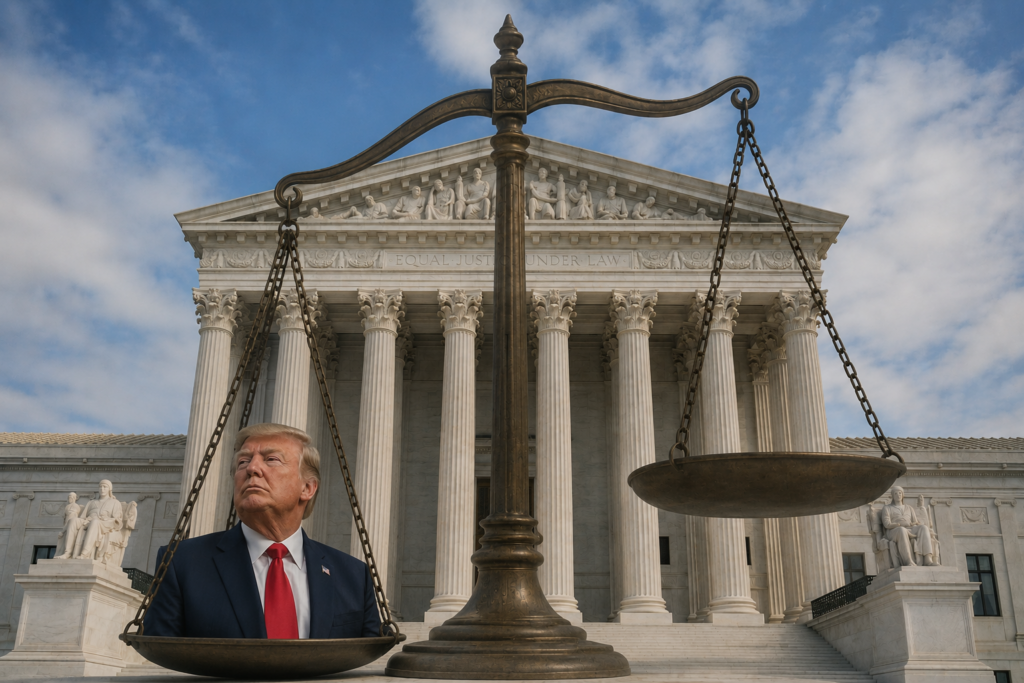



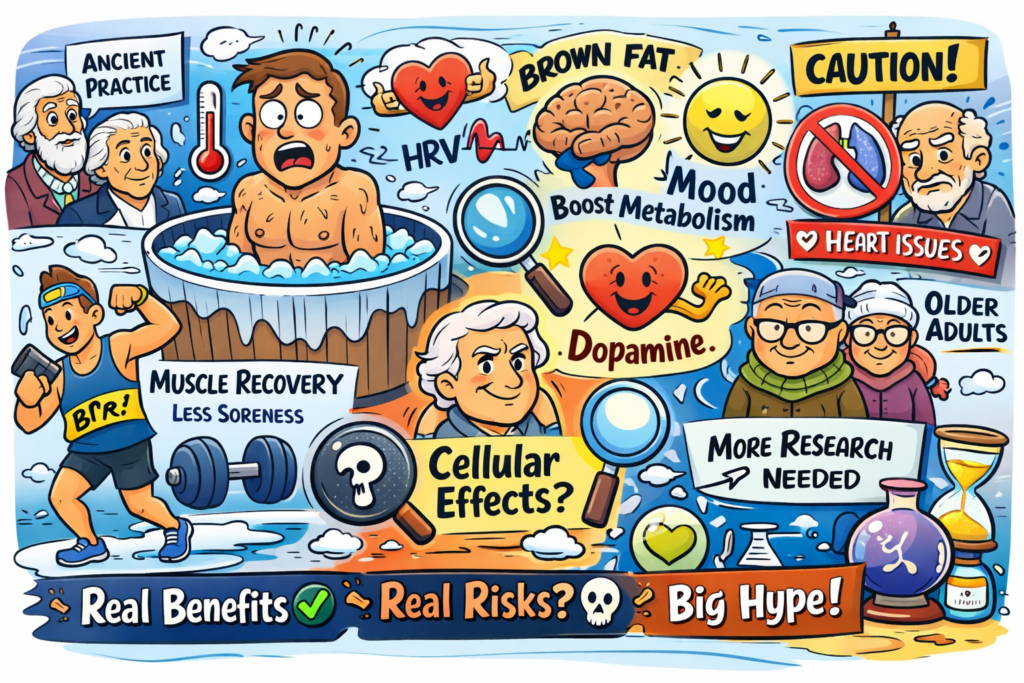

You Are Pre-Approved!
By John Turley
On May 27, 2026
In Commentary
The Shameless, Relentless, Occasionally Confounding World of Credit Card Solicitations
There is a tree somewhere in North America that gave its life so that you could receive a glossy envelope informing you that you have been “pre-approved” for a credit card you never asked for, do not need, and will almost certainly use to buy something you will regret. And then, before the last fibers of that tree have even fully composted in a landfill, another envelope arrives. And another. And another. The credit card industry, it turns out, does not take rejection personally.
If there is one thing that unites every American regardless of age, income, or credit score, it is the daily ritual of sorting through a mailbox that appears to be funded entirely by credit card marketing departments. You may be rich, poor, employed, retired, or technically living in a van — the credit card offers will find you. In effect, your mailbox has become a credit card distribution center.
The Numbers: A Blizzard of Pre-Approval
Let’s start with some data, because the numbers are genuinely staggering. At an early peak of credit card direct mail campaigns in 2005 and 2006, the industry was mailing roughly 7.5 billion pieces per year — which works out to approximately 30 offers for every adult in the country. That’s a piece of mail roughly every twelve days, from an industry that had apparently decided that subtlety was for amateurs. The market is so saturated that the response rate is typically less than 1%; that’s an absurd amount of mail just to catch few fish.
The Great Recession briefly interrupted this party. By July 2009, the volume had cratered to a trickle of just over 1.2 billion pieces per year. But credit card issuers, being resilient optimists in the face of human financial suffering, bounced back. By 2020, estimates placed the total at around 11 billion credit card solicitations sent to consumers in a single year. (I think most of them wound up in my mailbox.)
For context, the average American household currently receives roughly 848 pieces of junk mail per year, and credit card solicitations make up a meaningful share of that. One statistical source estimates Americans spend, in aggregate, eight months of their lifetime opening junk mail. One can only imagine how much of that is spent frowning at an offer for a card with a 29.99% APR and a free tote bag.
Despite digital marketing’s rise, the physical mailbox remains a preferred channel for credit card pitches. Why? Because the industry discovered long ago that a glossy envelope with your name printed in a font that implies importance is harder to ignore than an email you delete before you even finish reading the subject line.
The Average American: Already Carrying Quite Enough, Thank You
So, what do all these offers produce? Americans currently hold an average of 7.1 open credit card accounts, though only about 3.7 of those are actively used. The rest appear to be dormant accounts accumulated over the years, like ex-partners you never quite got around to officially ending things with.
Baby Boomers lead the generational pack with an average of 4.61 active cards, followed by Gen X at 4.23. In total, there are now 636 million open credit card accounts in the United States as of mid-2025 — nearly two per American, counting children and people who have sworn off plastic entirely.
The average credit card balance in the U.S. as of late 2024 was $6,730, with the average APR sitting at a punishing 21 to 22 percent. This means that for many people, the credit card they received in a “pre-approved!” envelope is now costing them more in interest than they spend on groceries. The tote bag, presumably, was not worth it.
Senior Citizens: A Special Kind of Target
Now let’s talk about senior citizens, because the credit card industry has a special enthusiasm for this demographic. Seniors, after all, tend to have long credit histories, established accounts, and in many cases, the kind of pristine credit scores that issuers find irresistible. The fact that many are living on fixed incomes does not appear to dim the industry’s ardor.
According to recent data, Americans 65 and older hold on average, up to 4.8 cards per person. This tracks: decades of responsible use and a long credit history make seniors attractive applicants. And credit card issuers can absolutely count Social Security, pension income, IRA distributions, and investment income as qualifying income on applications. Federal law requires it.
What this means, in practice, is that a 78-year-old widower living on $1,400 a month from Social Security can receive and potentially qualify for a credit card — possibly with a $5,000 credit limit and a 28% APR. Whether this is a genuine service or a predatory opportunity dressed in rewards points is a matter of perspective, and apparently a matter of vigorous congressional debate. A House committee hearing on the subject noted with concern that older Americans are the fastest-growing age group to file for bankruptcy, a trend linked in part to credit card debt.
Scenario One: The Comfortable Retiree
Consider “Martha,” a 71-year-old retired schoolteacher in Ohio. She has a pension of $2,200 per month, Social Security of $1,800 per month, and a modest IRA she draws $500 from monthly. Her total annual income is around $54,000. She has an excellent credit score of 760, accumulated over 45 years of never once paying a bill late.
Martha’s mailbox is a cornucopia of opportunity. She receives offers for travel cards, cashback cards, AARP-branded cards, hotel rewards cards, and at least one card that seems to believe she has always wanted to earn airline miles in exchange for buying cat food. She probably qualifies for most of them. Her challenge is not getting a credit card — it is having the discipline not to get all of them.
Scenario Two: The Social Security-Only Retiree
“Robert,” 74, is a retired factory worker in West Virginia. His only income is $1,350 per month in Social Security. He rents a small apartment and drives a 2009 pickup. He would not describe himself as a big spender. Yet the offers come anyway. Some cards he would qualify for; some he would not. But the envelopes do not discriminate.
For Robert, a credit card on a Social Security-only income is a double-edged instrument. Used wisely — a small recurring charge paid off every month — it helps maintain his credit score. Used unwisely, with a 24% APR and a $3,000 limit he does not need, it can quietly become a slow-motion financial disaster. As one congressional witness summarized: more than a third of seniors depend on Social Security for over 90% of their income, and a high-interest credit card can be devastating for someone living on a fixed income.
Scenario Three: The Affluent Senior
“Eleanor” is 68, a retired surgeon living in Scottsdale. She has a pension, maximum Social Security, significant investment income, and a paid-off home. Her total income is probably north of $200,000 a year. Her credit score is 820. Eleanor receives credit card offers the way the rest of us receive pizza coupons — constantly, enthusiastically, and with the implicit suggestion that her life would be measurably improved if she just signed up.
Eleanor gets the platinum cards, the black cards, the invitation-only cards that arrive in weighted envelopes and refer to her, inexplicably, as a “member.” For Eleanor, the game is actually worth playing: if you have the discipline to pay the balance every month, a 2% cashback card on $150,000 in annual spending produces $3,000 in free money. The credit card companies are betting she won’t. She usually does. Eleanor is winning — one of the few.
The Ultimate Power Move: Apply for All of Them
Now we arrive at the scenario that the credit card industry’s actuarial tables do not like to contemplate: what happens if someone actually applies for every card they are offered, gets approved for most of them, charges them all to the maximum, and then declares bankruptcy?
Theoretically, this sounds like a heist. In practice, it is a lot messier, and the law has anticipated your enthusiasm.
First, the logistics. Applying for multiple credit cards simultaneously triggers multiple hard inquiries on your credit report, which almost immediately begins dragging your credit score down. Issuers can see those inquiries in real time. After the third or fourth application, the phone calls from the fraud department start. After the eighth, many issuers simply decline. The window for pulling this off is narrow and rapidly self-closing, like a submarine hatch operated by someone who has had one too many.
That said, people do accumulate considerable credit card debt before reaching bankruptcy. American credit card debt hit $1.18 trillion in 2025, and a meaningful portion of it is genuinely uncollectable. Chapter 7 bankruptcy, the kind that discharges most unsecured debts within a few months, absolutely does handle credit card balances. In most cases, credit card debt is treated as non-priority unsecured debt, meaning it is the first thing eliminated and the last creditor to get paid if there are assets. Usually there are no assets.
But — and here is where the bankruptcy judge stops smiling — there are several traps for the scheming would-be debt escapee.
The first is the luxury goods rule. If you charged more than $725 worth of luxury goods or services within 90 days of filing bankruptcy, that debt is presumptively non-dischargeable. The law has a very dim view of someone who maxed out a credit card at Nordstrom on a Thursday and filed Chapter 7 on a Sunday. Similarly, cash advances over $1,000 taken within 70 days of filing are presumptively non-dischargeable.
The second is fraud. If the bankruptcy trustee or a credit card company can demonstrate that you took on debt with no intention of repaying it — which, if you applied for 14 cards in a month and maxed them all out, is not a difficult case to make — those debts can be challenged as non-dischargeable. The burden of proof matters, and credit card companies have 60 days from your first creditor meeting to file complaints.
The third is the means test. Chapter 7 bankruptcy requires you to pass an income means test. If your income is above the state median, you may be pushed toward Chapter 13, which involves a three-to-five-year repayment plan. Not quite the clean escape the heist film suggested.
For seniors specifically, there is a wrinkle that is either reassuring or terrifying depending on your perspective: Social Security income cannot be garnished by private creditors — even if a court enters a judgment against you. A credit card company can sue you, win, and receive a judgment, and still be unable to touch your monthly Social Security check. This makes seniors who live exclusively on Social Security somewhat “collection-proof,” though that is a legal term, not an invitation, and the stress of debt and lawsuits is not trivial.
In other words, someone could theoretically max out ten credit cards, declare bankruptcy, watch most of the debt get discharged, and continue living on Social Security without the credit card companies collecting a dime. In theory. In practice, this would also mean having a bankruptcy on your credit report for 7 to 10 years, being unable to get any new credit, and explaining to your grandchildren why you have 14 maxed-out cards and a lawyer’s business card on the refrigerator.
Some people believe they may have found a way around this. They plan that if they are ever diagnosed with a fatal illness, they will simply max out every credit card they can get and leave the companies on the hook for their final days of high living.
There’ s just one problem. When you die, your credit card debt doesn’t just evaporate. Everything you own — and everything you owe — becomes part of your “estate.” Your estate is responsible for your debts, meaning outstanding credit card balances are paid from assets like your home, bank accounts, investments, and personal property. The legal sorting-out process is called probate.
So, if you pass away with $5,000 in credit card debt and a $50,000 estate, the debt gets paid first and your heirs get the rest. If you have $5,000 in debt and only $3,000 in assets, the creditor typically eats the difference — your kids don’t write a check. However, if your surviving spouse is a joint account holder or you live in a community property state, they may be responsible for your total credit card debt.
The Bottom Line: A Comedy in Several Acts
The credit card solicitation industry is, at its core, an enormous optimism machine. It believes, against all available evidence, that the person who received 847 pieces of junk mail last year is ready to finally respond to number 848. It believes that a 79-year-old man on Social Security is one glossy envelope away from becoming a loyal travel rewards customer. It believes that if it just makes the sign-up bonus big enough, you will forget about the 26% APR.
Most of us play along, at least a little. We hold three or four cards. We pay them off sometimes and carry a balance sometimes. We accept the cashback and occasionally read the fine print, mostly when something goes wrong.
And somewhere in a mail-sorting facility right now, another batch of envelopes is being addressed. They are glossy. They are personalized. They say, in bold letters, that you have been pre-approved.
You are always pre-approved. That’s the joke. And also, somehow, the business model.
Illustration Generated by author using ChatGPT.
Disclaimer
This article is written for general informational and entertainment purposes. It does not constitute financial, legal, or medical advice. Readers facing significant credit card debt or considering bankruptcy should consult a qualified financial advisor or licensed bankruptcy attorney. The author’s opinions are independent and do not represent any institutional affiliation.
Selected Sources
Acxiom — Direct Mail Credit Card Volume History
Bankrate — Credit Card Ownership and Usage Statistics
Payanywhere — Statistics on American Consumer Credit Card Usage
Clearly Payments — How Many Credit Cards Are in the USA in 2025
CardRates — How Many Credit Cards Does the Average American Have?
WalletHub — Opting Out of Pre-Approved Credit Offers
U.S. House of Representatives — Credit Cards and Older Americans (Hearing)
Firstcard — Best Credit Cards for Low-Income Seniors
Debt.org — Can Social Security Be Garnished for Credit Card Debt?
Justia — Credit Card Debt Under Bankruptcy Law
CBS News — Can Credit Card Debt Be Discharged in Bankruptcy on Disability?