
Grumpy opinions about everything.

Tag: A1c

A1c Without Diabetes: Context Matters As Much As The Number

If you’ve had routine bloodwork lately, you might have noticed something called hemoglobin A1c (or HbA1c) on your results. For years, this test has been the gold standard for monitoring diabetes, but it’s increasingly also  being used to assess metabolic health in people who don’t have diabetes. Let’s dig into what this number actually tells us and if lower is always better.

What A1c Actually Measures

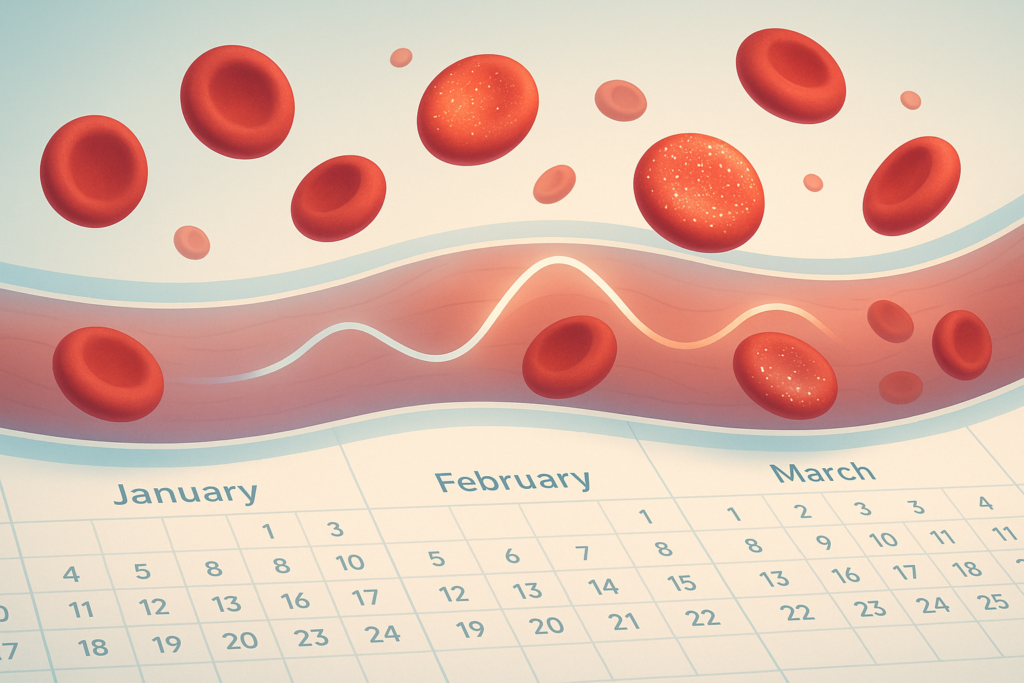
Hemoglobin A1c reflects your average blood sugar levels over the past two to three months. When glucose circulates in your bloodstream, some of it sticks to hemoglobin—the oxygen-carrying protein in your red blood cells. The more glucose floating around, the more hemoglobin gets “glycated” (coated with sugar). Since red blood cells live about three months, your A1c percentage gives a rolling average of your blood sugar control. It does not capture individual spikes and dips in glucose, but it correlates reasonably well with overall glycemic exposure and is widely used to monitor diabetes control.

For non-diabetics, a normal A1c is generally considered below 5.7%. The prediabetes range sits between 5.7% and 6.4%, while 6.5% or higher on two separate tests typically indicates diabetes.  Nondiabetic adults with A1c above about 6% are more likely to have impaired fasting glucose and other cardiometabolic risk factors than those with A1c around 5.2–5.3%.​

These cutoffs represent points where research has shown increased risk for complications, but like most biological measurements, they exist on a spectrum rather than as hard dividing lines. 

Even in non-diabetics, A1c can vary by genetics, age, ethnicity, iron levels, sleep quality, and stress—not just diet or exercise. That’s why one person may live at 5.2% with no effort, while another naturally runs 5.6%.

The Prediabetes Gray Zone

Here’s where things get interesting—and a bit complicated. Prediabetes affects roughly 98 million American adults, though most don’t know they have it. An A1c between 5.7% and 6.4% signals that your body’s relationship with glucose isn’t quite right. Maybe your cells are becoming resistant to insulin, or your pancreas isn’t producing insulin as efficiently as it once did.  Prediabetes isn’t a disease so much as a metabolic warning sign. It means your body is starting to struggle with glucose regulation—often due to reduced insulin sensitivity, higher visceral fat, chronic stress, poor sleep, or genetics.

The crucial thing about prediabetes is that it’s not a benign waiting room before diabetes. Research shows that even in this intermediate range, you face elevated risks for cardiovascular disease, kidney problems, and nerve damage—though not to the same degree as someone with full-blown diabetes. It often coexists with other metabolic risk factors such as excess weight, dyslipidemia, and elevated blood pressure.​ A large study published in The Lancet found that people with A1c levels in the prediabetic range had a 15-20% increased risk of cardiovascular events compared to those with normal levels.

The good news? Prediabetes is often reversible. Lifestyle changes—particularly losing 5-7% of body weight through diet and exercise—can bring A1c levels back down. The Diabetes Prevention Program, a landmark study, showed that such interventions reduced the risk of developing diabetes by 58% over three years.

Should Non-Diabetics Aim Lower?

Now we arrive at the million-dollar question: if your A1c is already in the normal range (say, 5.3%), would driving it even lower—to 5.0% or 4.8%—provide additional health benefits?

The honest answer is: we don’t really know, but the evidence suggests probably not much.

Here’s what the research tells us. Population studies have found a continuous relationship between A1c levels and cardiovascular risk even within the normal range, meaning that someone with an A1c of 5.5% might have slightly higher risk than someone at 5.0%. However—and this is critical—this doesn’t necessarily mean that artificially lowering your A1c will reduce that risk. Correlation isn’t causation.

Your A1c reflects your overall metabolic health, dietary patterns, genetics, and lifestyle. Someone who naturally maintains an A1c of 5.0% because they exercise regularly, eat a balanced diet, and have favorable genetics probably has lower risk than someone at 5.5%. But that doesn’t mean the person at 5.5% should obsess over shaving off half a percentage point.  Large cohort data suggest that the lowest risk band for nondiabetic adults is roughly an A1c around 5.0–5.6%; below about 5.0% the relationship between A1c and outcomes becomes more complex.

There’s a principle in medicine that “lower is better”  but it often has limits. In diabetes treatment, pushing A1c too low can actually increase risks—particularly hypoglycemia (dangerously low blood sugar), which carries its own serious complications. The ACCORD trial, which studied intensive glucose lowering in people with Type 2 diabetes, had to be stopped early because the group targeting very low A1c levels had increased mortality. While this study involved diabetics using medications, it illustrates that extremely low glucose isn’t necessarily optimal.

If someone tries to force their A1c unusually low through extreme dieting, fasting, or intensive exercise, they can run into unintended effects such as fatigue and irritability, hormonal disruption, disordered eating patterns, and nutrient deficiencies.  Importantly, extremely low A1c values can sometimes reflect anemia or other medical conditions, not superior health.

For non-diabetics with normal A1c levels, there’s no evidence that trying to push numbers lower through extreme dietary restriction or other interventions provides meaningful benefit. Your body is already handling glucose appropriately. The focus should be on maintaining that healthy state through sustainable lifestyle habits rather than chasing incremental improvements in a single biomarker. In practical terms, the benefit is less about the exact number (say 5.1 versus 4.8) and more about maintaining a metabolic profile that keeps A1c comfortably below the prediabetes threshold over the long term

What Actually Matters

Rather than fixating on squeezing every tenth of a point out of your A1c, the evidence supports a broader approach to metabolic health. Regular physical activity, maintaining a healthy weight, eating a diet rich in whole foods with plenty of fiber, getting adequate sleep, and managing stress all contribute to healthy glucose metabolism—and they bring countless other benefits beyond A1c.

It’s also worth noting that A1c isn’t perfect. Certain conditions—like anemia, chronic kidney disease, or hemoglobin variants—can make A1c readings inaccurate. Some people have A1c levels that don’t match what their continuous glucose monitors show, a phenomenon called “glycation gap.” A1c is a useful tool, but it’s one piece of a larger metabolic picture.

The bottom line? If your A1c is in the normal range, you’re doing well. Maintain the healthy habits that got you there rather than micromanaging the number itself. If you’re in the prediabetic range, you have a genuine opportunity to prevent diabetes through lifestyle changes, and bringing that number down has clear benefits. But for those already in the healthy zone, obsessing over fractional improvements likely won’t move the needle much on your actual health outcomes.

Demystifying Diabetes

Understanding the Types, Symptoms, and Management

Have you ever wondered why your family doc asks you to get a blood test when you make a routine office visit? Checking your A1c is one of the reasons why.  At any age, but especially as you get older, you need to watch for symptoms of diabetes.  Caring for ourselves and others in managing this disease is important. Something as simple as planning a dinner for family and friends may involve thinking about a person’s dietary restrictions, particularly if they have recently been diagnosed and are not yet comfortable with the diet. Even if you are not diabetic, please continue to read as I’ve included pertinent information about this disease to help you understands how it can affect your family and friends.

Diabetes is a group of chronic conditions affecting millions of people worldwide and not all cases of diabetes are the same. The two most common types, Type 1 and Type 2, involve elevated blood sugar levels but differ in their causes and management. At its simplest, Type 1 diabetics do not produce insulin and require supplementation. Type 2 diabetics produce insulin, but their bodies are resistant to its effects.  According to the American Diabetes Association, as of 2021, approximately 11.6% of the U.S. population, or 38.4 million Americans had diabetes. Additionally, almost one-third of Americans have prediabetes. This includes both diagnosed and undiagnosed cases.

This guide will explain the key differences between the two types, highlight the role of the A1c test in diagnosis and care, and explore the consequences of poorly managed diabetes. Additionally, we will discuss a related condition, prediabetes, which serves as an early warning sign for Type 2 diabetes.

If you have been diagnosed with diabetes you probably are familiar with most of what is in this article. If you have not been diagnosed with diabetes you may find it interesting as it describes the diagnosis, management and genetic properties of diabetes.  It also discusses how you can support family and friends who are living with the disease.

Type 1 vs. Type 2: What’s the Difference?

Historically, terms like “insulin-dependent” and “non-insulin-dependent” diabetes, as well as “juvenile” and “adult-onset” diabetes, were used to describe these conditions. Modern terminology now reflects their underlying causes as Type 1 and Type 2 diabetes.

Type 1 Diabetes

Type 1 diabetes is an autoimmune disorder in which the immune system attacks insulin-producing cells in the pancreas. Without insulin, glucose cannot enter cells for energy, leading to its buildup in the bloodstream. Symptoms such as excessive thirst, frequent urination, fatigue, and unintentional weight loss often appear suddenly, typically in childhood or early adulthood.

Type 1 diabetes has a strong genetic component, with heritability estimates ranging from 40% to 50%.  Having a first-degree relative—parents and siblings—with Type 1 diabetes increases the risk, but the inheritance pattern is complex.  Identical twins have a 40-50% concordance rate for Type 1 diabetes

Management requires:

  • Insulin Therapy: Administered through injections or an insulin pump.
  • Dietary Management: Balanced meals to regulate blood sugar levels.

Type 2 Diabetes

Type 2 diabetes is often associated with lifestyle factors, including obesity, poor diet, and inactivity, though genetics also play a significant role. In this condition, the body becomes resistant to insulin, and over time, the pancreas may fail to produce enough insulin. Symptoms develop more gradually and may include fatigue, increased thirst, and slow-healing wounds.

Type 2 diabetes has an even stronger genetic component than Type 1, with heritability estimates ranging from 20% to 80%.  First-degree relatives of individuals with Type 2 diabetes are about 3 times more likely to develop the disease.  The lifetime risk is 40% for individuals with one parent with Type 2 diabetes and 70% if both parents are affected.  Identical twins have a higher concordance rate (about 70%) compared to fraternal twins (20-30%).

Management strategies include:

  • Lifestyle Modifications: Weight loss, improved diet, and regular exercise.
  • Medications: Oral and injectable medications are the usual management choice, though insulin may be needed in advanced stages.
  • Reversal Potential: Some individuals can manage or even reverse the condition through sustained lifestyle changes.

Prediabetes: An Early Warning Sign

Prediabetes—first recognized as a distinct medical condition in the late 1990s—occurs when blood sugar levels are higher than normal but not high enough to be classified as diabetes. It is a significant risk factor for developing Type 2 diabetes and associated complications like heart disease. Risk factors include:

  • Being overweight, especially with abdominal fat.
  • Physical inactivity.
  • Family history of Type 2 diabetes.
  • Age over 45.
  • Certain ethnic backgrounds (e.g., African American, Hispanic, Native American, or Asian American).
  • Coexisting conditions such as high blood pressure, high cholesterol, or polycystic ovary syndrome (PCOS).

Early intervention—including weight management, improved diet, and regular physical activity—can often prevent or delay progression to diabetes.

Diet management: Keystone to Lifestyle Modification.

 Managing diabetes involves maintaining stable blood sugar levels, and diet plays a crucial role in achieving this. While no food is entirely off-limits, certain restrictions help control blood sugar and prevent complications.

Carbohydrates are the primary focus in a diabetic diet, as they directly impact blood sugar. Foods like white bread, sugary drinks, pastries, and processed snacks should be limited due to their high glycemic index, which causes rapid blood sugar spikes. Instead, opt for complex carbs such as whole grains, legumes, and vegetables, which release glucose slowly.

Sugary foods, including desserts, candies, and sweetened beverages, should also be restricted. These items can cause unpredictable blood sugar fluctuations. If indulging occasionally, pair them with a protein or healthy fat to moderate the impact.

Saturated and trans fats, commonly found in fried foods, processed snacks, and fatty cuts of meat, should be minimized. These fats increase the risk of heart disease, which is already higher in people with diabetes.

The Role of A1c in Diagnosis and Management

The hemoglobin A1c test provides a snapshot of average blood sugar levels over the past two to three months. It is a critical tool for diagnosing and managing diabetes.

Diagnosis

  • Normal: Below 5.7%.
  • Prediabetes: 5.7% to 6.4%.
  • Diabetes: 6.5% or higher on two separate tests.

Management

For most people with diabetes, the goal is to maintain an A1c level below 7%. Individual targets may vary based on age, health, and risk of hypoglycemia. Some studies have found that Type 2 diabetics can suffer adverse outcomes from consistently lowering the A1c below 5%.   All management decisions should be made in consultation with your physician. Never start, stop or change dosage of diabetic medications on your own. 

Key considerations include:

  • Type 1 Diabetes: Insulin adjustments based on daily glucose checks and A1c trends.
  • Type 2 Diabetes: A combination of lifestyle changes, oral or injectable medications, and insulin as needed.
  • Prediabetes: Lifestyle modifications to lower A1c and reduce the risk of diabetes.

Consequences of Poorly Managed Diabetes

Failing to manage diabetes can lead to severe complications affecting nearly every organ system:

  • Cardiovascular Disease: High blood sugar damages blood vessels, increasing the risk of heart attacks, strokes, hypertension and reduced circulation to the legs.
  • Neuropathy (Nerve Damage): Tingling, pain, or numbness, particularly in the legs and feet, can contribute to infections and amputations.
  • Kidney Disease (Nephropathy): Damaged kidney blood vessels can result in kidney failure, requiring dialysis or transplant.
  • Eye Damage (Retinopathy): Diabetes is a leading cause of blindness due to damage in the retina.
  • Increased Infections: Impaired circulation and healing make infections harder to treat.
  • Diabetic Ketoacidosis (DKA): A life-threatening condition in Type 1 diabetes caused by acid buildup due to fat metabolism.
  • Hyperosmolar Hyperglycemic State (HHS): Seen in Type 2 diabetes, this condition involves severe dehydration and confusion due to extremely high blood sugar levels.

What Can You Do to Help?

Supporting a loved one with diabetes requires understanding, encouragement, and teamwork. Family and friends can play a vital role in helping someone manage their condition effectively.

  • Educate yourself: Learn about diabetes, its challenges, and treatment options. Understanding the basics of blood sugar levels, medication, and dietary needs enables you to provide informed support.
  • Be supportive, not critical: Avoid judgmental comments about their food choices or habits. Instead, encourage them to make healthier decisions without pressure or guilt.
  • Create a supportive environment: Keep healthy food options available at home and participate in physical activities together, like walking or cycling. This fosters a shared commitment to well-being.
  • Offer emotional support: Diabetes management can be stressful. Be a good listener and offer reassurance during difficult times. Celebrate their successes, no matter how small.
  • Attend appointments or classes: If invited, accompany them to medical appointments or diabetes education classes. This shows you’re invested in their health journey.
  • Learn to respond to emergencies: Know the signs of hypoglycemia (low blood sugar) or hyperglycemia (high blood sugar) and how to act. This preparedness can be life-saving.

By being empathetic and proactive, family and friends can help a loved one with diabetes feel empowered, cared for, and less isolated.

Conclusion

Type 1 and Type 2 diabetes, though different, are both serious conditions requiring proactive management. The A1c test plays a vital role in diagnosis and long-term care, offering insight into overall blood sugar control. Proper management, including lifestyle changes, medications, and regular monitoring, can prevent complications and significantly improve quality of life. Staying informed and working closely with healthcare providers are essential steps to living well with diabetes.

By taking action early and consistently, individuals can mitigate risks and lead healthier, more fulfilling lives.

Powered by WordPress & Theme by Anders Norén