
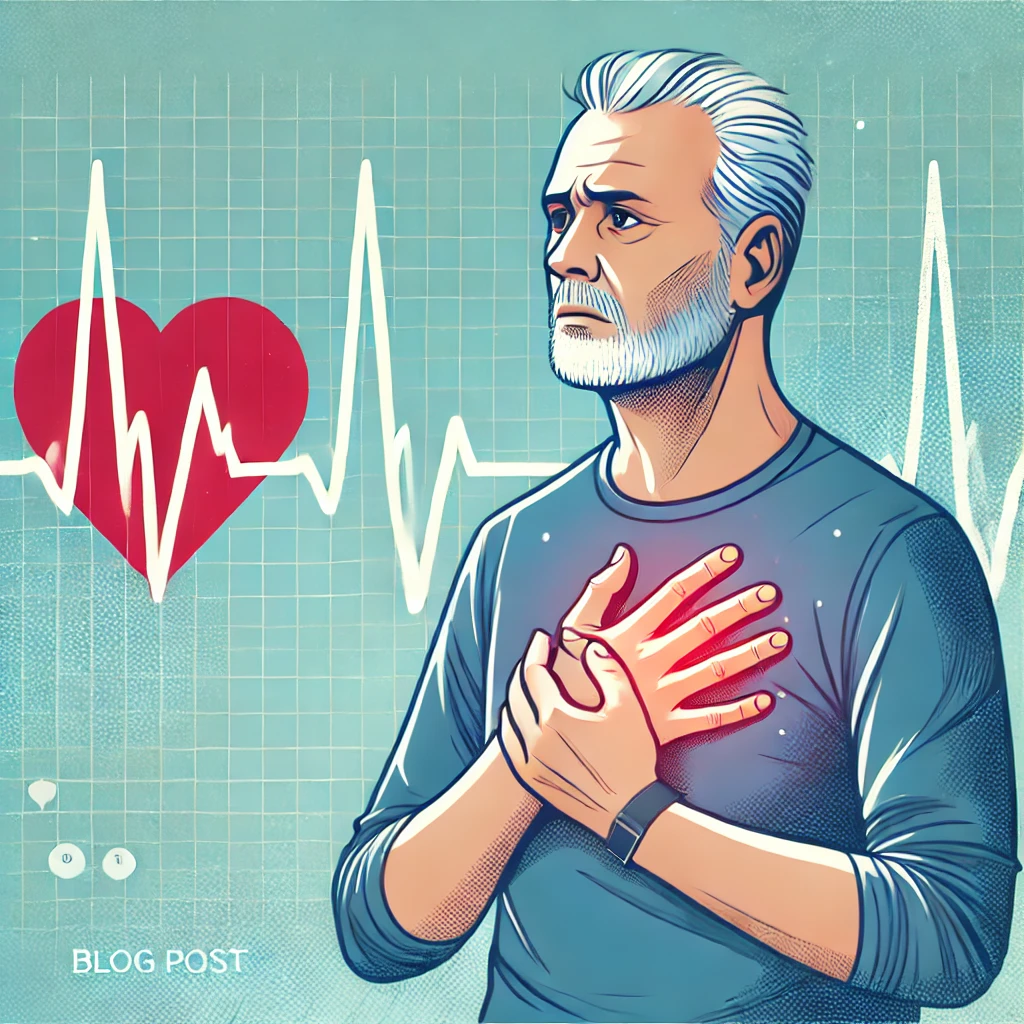
That sudden awareness of your heart beating faster, skipping a beat, or pounding in your chest can be unsettling. You’re experiencing what doctors call palpitations, and while they might feel alarming, they’re actually quite common. Understanding what causes them, when to worry, and how they’re treated can help put your mind at ease.
What Are Heart Palpitations?
Heart palpitations are essentially your heightened awareness of your own heartbeat. Normally, you don’t notice your heart beating throughout the day. When palpitations occur, you suddenly become conscious of this usually automatic process. People describe the sensation in various ways: your heart might feel like it’s racing, pounding, fluttering, flip-flopping, or skipping beats entirely.
You can feel palpitations in different locations too. While most people notice them in their chest, you might also feel them in your throat or neck. Some people even hear their heartbeat, especially when lying in bed at night in a quiet room.
Common Causes of Palpitations
The most frequent trigger for palpitations is anxiety or stress. When you’re worried, scared, or experiencing a panic attack, your body’s fight-or-flight response kicks in, causing your heart to beat faster and harder. But anxiety isn’t the only culprit.
Lifestyle factors play a significant role. Caffeine from coffee, tea, or energy drinks can trigger palpitations, as can alcohol and spicy foods. Many people notice palpitations after eating large, heavy meals rich in carbohydrates or sugar. Smoking and recreational drugs like cocaine or amphetamines are also common triggers.
Hormonal changes during pregnancy, menstruation, or menopause frequently cause palpitations. During pregnancy, your body produces more blood to support your baby, which can make your heart work harder and create noticeable palpitations.
Certain medications, including asthma inhalers, decongestants, thyroid medications, corticosteroids, and some blood pressure drugs, may cause palpitations as a side effect.
Medical conditions can also be responsible. An overactive thyroid gland speeds up your metabolism and heart rate. Low blood sugar, anemia, dehydration, imbalances of potassium or magnesium, and fever can all trigger palpitations.
Arrhythmias are an abnormal rhythm of the heart that can be perceived as palpitations. Common types include atrial fibrillation (irregular, often rapid heart rate) commonly known as afib, ventricular tachycardia or vtach, (a rapid heart rate that starts in the lower chambers of the heart), and premature ventricular contractions (extra heartbeats) sometimes called PVCs. Some arrhythmias such as PVCs are harmless, while others can increase the risk of stroke, heart failure, or sudden cardiac arrest.
Palpitations can be a sign of more serious heart disease, such as coronary artery disease, cardiomyopathy, or heart valve problems. These often come with other symptoms such as chest pain, dizziness, or shortness of breath.
Recognizing the Symptoms
Beyond the basic awareness of your heartbeat, palpitations can come with additional sensations. You might feel like your heart is beating too fast or too hard. Some people describe a fluttering sensation, like butterflies in their chest. Others feel like their heart is skipping beats or adding extra ones.
The timing and triggers of your palpitations can provide important clues. Some people only notice them at night when lying down, simply because there are fewer distractions. Others experience them after exercise, during stressful situations, or following meals.
Most palpitations are brief, lasting just seconds to a few minutes. However, if they persist for longer periods or occur frequently throughout the day, they warrant medical attention.
How Palpitations Are Diagnosed
When you visit your doctor about palpitations, they’ll start with a detailed conversation about your symptoms. They’ll ask you to describe exactly what you feel, when the palpitations occur, and what might trigger them. Your medical history, including any heart conditions, medications, and family history of heart problems, is crucial information.
The physical examination includes listening to your heart and lungs with a stethoscope, checking your blood pressure, and looking for signs of other conditions that might cause palpitations, such as an enlarged thyroid gland.
The most important initial test is an electrocardiogram (ECG or EKG), which records your heart’s electrical activity. This painless test can detect irregular heart rhythms if they occur during the recording. However, since palpitations often come and go, you might not experience them during the brief ECG.
For this reason, doctors often recommend longer-term monitoring. A Holter monitor is a portable device you wear for 24 to 48 hours that continuously records your heart rhythm during normal activities. Event monitors can be worn for weeks or months, and you activate them when you feel symptoms.
Blood tests can check for conditions like anemia, thyroid problems, or electrolyte imbalances that might trigger palpitations. An echocardiogram, which uses sound waves to create images of your heart, can reveal structural problems.
Benign vs. Dangerous Palpitations
Here’s the good news: most palpitations are benign and don’t indicate serious heart problems. Research shows that about 16% of people see their primary care doctor for palpitations, but the vast majority have harmless causes.
Benign palpitations typically occur in people with normal heart function and no structural heart disease. They’re often triggered by identifiable factors like stress, caffeine, or hormonal changes. These palpitations usually last only seconds to minutes and resolve on their own.
However, certain warning signs suggest palpitations might indicate a more serious condition. Seek immediate medical attention if palpitations occur with chest pain, severe shortness of breath, dizziness, fainting, or near-fainting episodes. These symptoms could indicate dangerous heart rhythms that affect your heart’s ability to pump blood effectively.
People with existing heart disease, previous heart attacks, or significant risk factors for heart disease should take palpitations more seriously. In these cases, palpitations might signal a dangerous arrhythmia that requires prompt treatment.
The pattern of palpitations can also provide clues. Sustained episodes lasting hours, very frequent daily occurrences, or palpitations that worsen over time are more concerning than occasional brief episodes.
Treatment and Management Options
Treatment for palpitations depends entirely on their underlying cause. When palpitations are benign and caused by lifestyle factors, the focus is on avoiding triggers and making healthy changes.
Stress management is often the most effective intervention. Techniques like deep breathing exercises, meditation, yoga, or regular counseling can significantly reduce stress-related palpitations. Regular exercise, while it might temporarily increase your heart rate, actually helps reduce overall palpitation frequency by improving cardiovascular fitness and stress resilience.
Dietary modifications can be very effective. Reducing or eliminating caffeine, limiting alcohol consumption, and avoiding large heavy meals can prevent many episodes. Staying well-hydrated and maintaining stable blood sugar levels through regular, balanced meals also helps.
For palpitations caused by medical conditions, treating the underlying problem usually resolves the symptom. This might involve thyroid medication for hyperthyroidism, iron supplements for anemia, or adjusting medications that trigger palpitations.
When palpitations are caused by heart rhythm disorders, more specific treatments may be necessary. Medications called beta-blockers can slow heart rate and reduce palpitation frequency. For more serious arrhythmias, doctors might recommend procedures like catheter ablation, which uses targeted energy to correct abnormal electrical pathways in the heart.
Some people benefit from devices like pacemakers (for slow heart rhythms) or implantable cardioverter defibrillators (for dangerous fast rhythms). However, these interventions are reserved for serious heart conditions, not typical benign palpitations.
While most current treatments focus on medications and procedures, emerging technologies like smartphone monitoring and wearable devices may play larger roles in future palpitation management.
When to Seek Help
Most palpitations don’t require emergency care, but certain situations demand immediate attention. Call 911 if palpitations occur with chest pain or pressure, severe shortness of breath, fainting, severe dizziness, if your pulse feels very fast or erratic, or any signs that might indicate a heart attack.
Schedule a regular appointment with your doctor if you experience frequent palpitations, if they’re interfering with your daily activities, or if you have risk factors for heart disease. Even if your palpitations turn out to be benign, getting proper evaluation provides peace of mind and ensures you’re not missing any underlying conditions.
Remember, while palpitations can feel frightening, they’re usually harmless. Recognizing the difference between harmless triggers and signs of more serious conditions and understanding their causes and knowing when to seek help are keys to managing your heart health