
Introduction
Advances in technology have created significant opportunities to improve healthcare in general and for senior citizens in specific. Digital health technologies, including telehealth, smartphone applications, and wearable devices, have become increasingly prevalent, particularly since the COVID-19 pandemic. These technologies offer older adults opportunities to overcome barriers to healthcare access and enhance their ability to manage health conditions independently. In this article we will present a general overview of healthcare technology as it applies to senior citizens. We will also take a brief look at a few of the apps available. In Part 2 we’ll look at specific wearable devices including smartphones and smart watches as well as dedicated health monitoring equipment.
Digital Health Adoption and Benefits
Many older adults are adopting digital health technologies to maintain communication with healthcare providers and to manage their health conditions. Telehealth, for instance, has become a vital tool, allowing older adults to consult with healthcare professionals remotely, thus reducing the need for travel and exposure to potential health risks. Additionally, smartphone apps and wearable devices enable continuous monitoring of vital signs and provide reminders for medication, contributing to better disease management.
Too Old to Use?
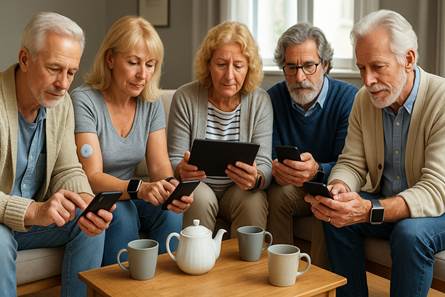
Despite the benefits, ageism remains a barrier to the widespread adoption of digital health technologies for some older adults. Many healthcare professionals hold outdated beliefs that older adults are unable or unwilling to use these technologies, ignoring the fact that many of their patients are part of the generation that pioneered the digital revolution. This has, on occasion, led to their exclusion from health services and clinical trials that utilize digital health, creating a “digital health divide”. Overcoming these biases is crucial to ensuring that older adults can fully benefit from technological advancements in healthcare.
Enhancing Memory and Scoializatin
Regular use of the internet and digital platforms can improve cognitive functioning and memory skills, potentially reducing the risk of dementia. Engaging in online activities such as learning a new language, learning new technological skills, or even online puzzles can keep the brain active and sharp. Also, technology can help mitigate social isolation—a common issue among older adults—facilitating communication with family and friends and enabling participation in online communities and interest groups.
Promoting Independence and Accessibility
Technology has significantly enhanced the independence of older adults, particularly those with mobility or vision challenges. Online shopping and ride-sharing apps allow older adults to manage daily tasks without relying on others. Voice-activated technologies and personal monitoring devices provide additional support, ensuring safety and independence at home.
Challenges and Future Directions
Many older adults lack access to reliable internet and user-friendly technological devices. Many areas of the country still lack access to reliable broadband Internet.
While many seniors have experience with technology, there are many others who lack sufficient familiarity to utilize it successfully. Older adults often have lower levels of self-confidence or knowledge related to using digital health tools. This can be exacerbated by physical and mental deficits, such as poor vision, hearing loss, and cognitive impairments, which make using digital tools challenging.
Some older adults may not perceive digital health technologies as useful or trustworthy. Concerns about privacy and security, as well as a lack of information about the benefits of e-health, can deter engagement.
Barriers are more pronounced among older adults from socioeconomically disadvantaged groups. These groups often face additional challenges in accessing and using digital health technologies due to cost or regional availability. Many have significant trust issues that inhibit their use of new methods.
Addressing these barriers requires targeted efforts to improve digital literacy, provide accessible and affordable technology, and to challenge ageist perceptions within the healthcare system and to increase the level of trust.
Useful Apps
There are a growing number of apps designed to help older adults manage their healthcare more effectively. Here is a small sample of some common apps that can be particularly useful:
MediSafe: designed for medication management, allowing users to set up medication schedules and receive reminders. It also provides warnings about potential drug interactions and allows family members to monitor medication adherence.
GoodRx: helps users compare drug prices at different pharmacies and provides coupons to help reduce prescription costs, making it easier to manage expenses related to chronic conditions.
Abridge: records conversations during doctor’s appointments, highlights medical terms, and provides definitions, helping users better understand and recall medical advice.
Pill Monitor: helps users schedule medication reminders and keep track of their medication intake, which can be shared with healthcare providers.
ShopWell: assists with dietary management by helping users create nutritious shopping lists tailored to their health needs, promoting healthy eating habits.
Mychart: provides access to personal health records and allows for viewing of test results, scheduling appointments and communicating with healthcare providers.
Silversneakers Go: promotes physical fitness by providing workout programs tailored for older adults, managing class schedules, and tracking progress.
These are just a few or the many apps designed to be user-friendly and cater to the specific needs of seniors, helping them maintain their health and independence.
Conclusion
The adoption of digital health technologies by older adults holds great promise for improving healthcare outcomes, reducing costs and enhancing quality of life. By addressing ageism and ensuring accessibility, we can bridge the digital health divide and support older adults in achieving healthier, more independent lives. As technology continues to evolve, it will play an increasingly vital role in geriatric care and the promotion of healthy aging. In Part 2 we will get into greater detail about what’s available, what works, and what’s hype.
Leave a Reply