
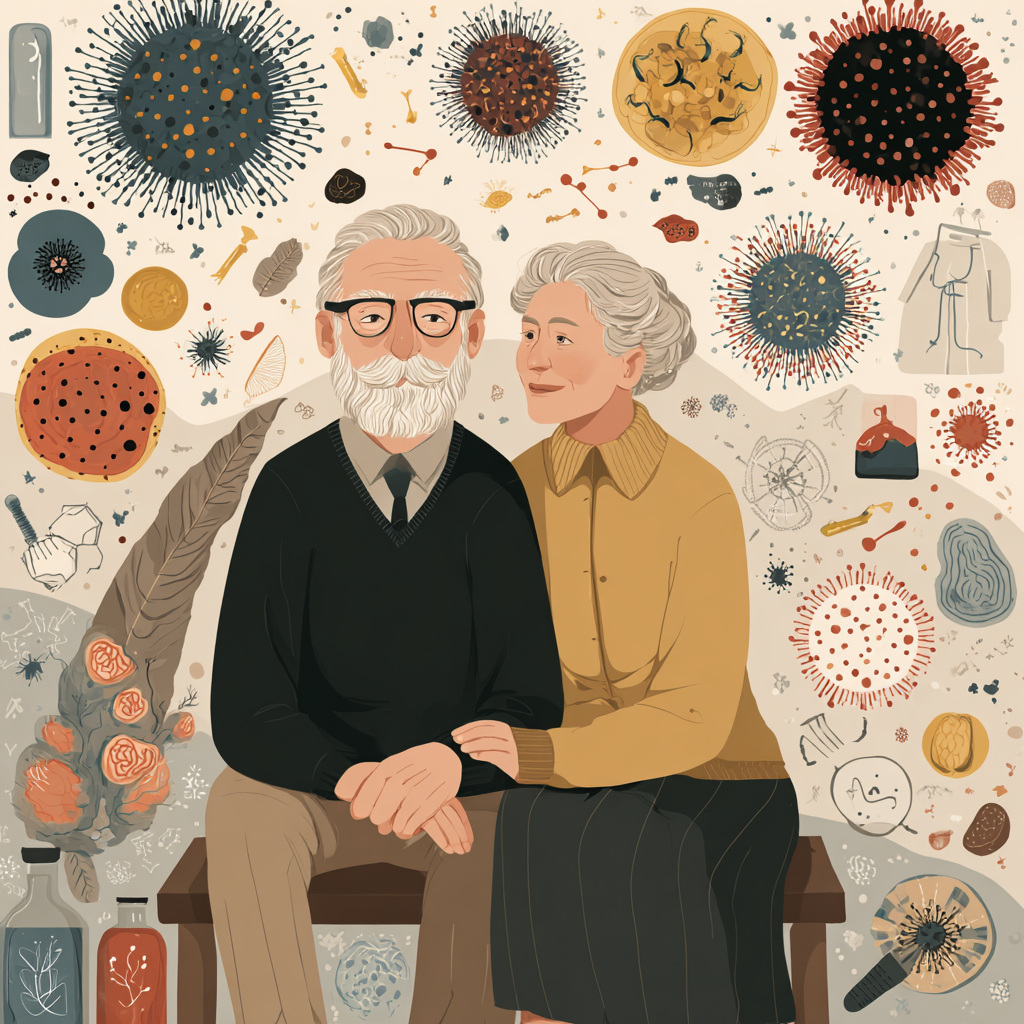
Getting older comes with plenty of perks—wisdom, perspective, maybe even a better appreciation for a quiet Sunday morning. But one thing that doesn’t improve with age is your immune system. If you’ve noticed that colds seem to hang on longer than they used to, or that recovering from illness takes more time, you’re not imagining things. The aging immune system undergoes real, measurable changes that can affect your health in significant ways.
Understanding Your Immune System
Think of your immune system as an incredibly sophisticated security network spread throughout your entire body. Unlike your heart or lungs, it’s not located in one place—according to the Mayo Clinic, your immune system is essentially a giant collection of cells that travel through your blood and tissues, constantly patrolling for anything that doesn’t belong.
Your immune defense operates on two levels. The first responders are part of what’s called the innate immune system. It begins with the skin and mucous membranes that act as a barrier. They are backed up by specialized cells—including macrophages, neutrophils, and natural killer cells that act like scouts, surveying your body for foreign particles like bacteria, viruses, or damaged cells. When they detect something foreign, they sound an alarm and start an immune response triggering inflammation, your body’s response to attack which causes swelling, redness, and heat at infection sites.
This is the signal for your second line of defense—your adaptive immune system—to begin a more specialized and sophisticated attack against the invaders. This system includes T cells that attack and kill infected cells and B cells that make antibodies. They learn to recognize specific pathogens and once they encounter a particular germ, they remember it. In the future, if you’re exposed to the same germ, your adaptive immune system will mount a more effective and swifter response. This is why you only get chickenpox once, and it’s the principle behind vaccination.
What Happens When the System Ages
Starting around your sixties, your immune system begins what scientists call immunosenescence—a gradual but significant decline in immune function. This isn’t just one simple change, but rather a cascade of alterations affecting both your innate and adaptive immune systems.
One of the most significant changes happens in your thymus, a small organ behind your breastbone that produces T cells. The process of involution involves significant structural thymic changes, including a reduction in size, a decrease in functional thymic tissue, and fatty replacement of the thymic parenchyma. As a result, you produce fewer fresh T cells to respond to new threats.
At the same time, something paradoxical happens: while your immune system becomes less effective at fighting infections, it also becomes more inflammatory. This chronic inflamed state contributes to biological aging and the development of age-related pathologies. Scientists call this “inflammaging”—chronic low-grade inflammation that persists throughout the body.
The practical consequences are significant. The immune system becomes slower to respond, which increases your risk of getting sick; it also means flu shots or other vaccines may not work as well or protect you for as long as expected. You’re also at higher risk for autoimmune disorders where your immune system mistakenly attacks healthy tissue. Wounds will heal more slowly.
Why Immune Function Declines
Multiple factors contribute to immune aging beyond just the passage of time. Chronic viral infections play a surprising role. Latent and chronic viral infections such as human cytomegalovirus (HCMV) and Epstein-Barr virus (EBV) affect the immune system and contribute to immunosenescence . These viruses lie dormant for years and when your immune system begins to age it is no longer able to effectively suppress them. They become active, and your immune system is put on perpetual alert, expressed as chronic inflammation, gradually wearing it down even further.
Your cells also undergo changes at the molecular level. With each cell division, the protective caps on your chromosomes called telomeres get shorter. Eventually, this limits your immune cells’ ability to divide and respond to threats. The shift in immune cell populations is dramatic—you have fewer naive cells ready to respond to new infections and more memory cells dedicated to past threats, which means you’re well-protected against diseases you’ve already had but vulnerable to new ones. Your immune army is continuing to prepare for the last war.
Chronic health conditions that become more common with age—diabetes, heart disease, kidney disease, chronic lung conditions—all accelerate immune aging. Even lifestyle factors like chronic stress, poor sleep, smoking, and excessive alcohol consumption take a heavier toll on your immune system as you age.
Strengthening Your Immune Defenses
The good news is that lifestyle interventions can meaningfully improve immune function in older adults. The evidence is particularly strong for several key strategies.
Physical Activity Makes a Real Difference
Exercise isn’t just about staying fit—it’s one of the most powerful immune boosters available. Regular exercise mitigates the aging processes of both the innate and adaptive immune system, particularly being associated with improved natural killer cell functioning. Studies comparing physically active older adults to sedentary ones consistently show better immune cell function in the active group.
The type and amount of exercise matters. Mayo Clinic recommends two strength training sessions and 150 minutes of moderate cardiovascular exercise weekly. But you don’t need to become a marathon runner—walking, swimming, cycling, yoga, and tai chi all provide significant benefits. Research shows that influenza vaccine responses are improved in active elderly populations, as demonstrated by higher antibody titers following 10 months of aerobic physical exercise.
The key is consistency and not overdoing it. Moderate, regular exercise strengthens your immune system, while extreme exercise can temporarily suppress it.
Nutrition: Fueling Your Immune Defense
What you eat directly impacts how well your immune system functions. The evidence supports focusing on whole, minimally processed foods rather than any specific “superfood” or restrictive diet. A balanced nutritious diet incorporating a variety of fruits and vegetables, whole grains, proteins, and probiotics positively impacts the immune system.
Several specific nutrients deserve attention. Protein becomes increasingly important with age because tryptophan, an essential amino acid found in protein-based foods including eggs, fish, dairy products, legumes, and meat, plays important roles in immune function. Omega-3 fatty acids from fish have anti-inflammatory properties that may help counter inflammaging.
The gut-immune connection is particularly important. Your gut contains roughly 70% of your immune system, and the bacteria living there directly influence immune function. Probiotic-rich foods like yogurt, sour cream and cottage cheese, some aged cheeses, and fermented vegetables (sauerkraut, some pickles) help maintain a healthy gut microbiome, which in turn supports immune health.
Certain vitamins and minerals play outsized roles in immune function. Vitamin D is crucial—it mediates immune function and regulation, strengthening of epithelial barriers and antioxidant defense. Unfortunately, it’s estimated that 95% of Americans don’t receive enough vitamin D from their diet alone, and nearly one-third have a vitamin D deficiency.
Zinc is another critical nutrient. Zinc exerts direct anti-viral effects and serves as a cofactor of dozens of proteins important for immune function and antioxidative defense, yet 15% of Americans are not meeting zinc needs from food alone and 30% of the world’s elderly population have a zinc deficiency.
Selenium, while needed in smaller amounts, is equally important. Selenium plays a role in anti-inflammatory, antiviral, and immune-cell activity and is useful in both innate and adaptive immunity through selenoproteins that partly reduce oxidative stress generated by viral pathogens.
Sleep: Your Immune System’s Recovery Time
Sleep isn’t just rest—it’s when your immune system does critical maintenance work. While you sleep, your body produces cytokines, a protein that helps regulate immune responses and fight off infections, and when you lack proper sleep, this decreases the amount of cytokines your body produces. The recommendation is clear: aim for seven to eight hours of quality, uninterrupted sleep per night.
Sleep quality matters as much as quantity. If you’re experiencing insomnia or sleep disruptions, addressing them should be a priority because poor sleep is linked not just to reduced immune function but also to increased risk of chronic diseases.
Stress Management and Social Connection
Chronic stress suppresses immune function in measurable ways. Finding effective stress management techniques—whether meditation, deep breathing, enjoyable hobbies, or time in nature—isn’t just about feeling better emotionally. These practices have real physiological effects on immune function.
Social connection matters more than you might think. Social isolation and loneliness are associated with increased inflammation and reduced immune function. Maintaining meaningful social connections, whether through family, friends, community groups, or religious organizations, appear to have genuine immune benefits.
Vaccination: Working With Your Immune System
Vaccines remain highly effective and are crucial for older adults. Vaccines introduce your immune system to viruses in a controlled manner, helping the adaptive immune system spot and neutralize germs more quickly. Staying current with recommended vaccines—including annual flu shots, pneumonia vaccines, RSV vaccines, shingles vaccines, and COVID-19 boosters—is one of the most effective ways to prevent serious illness.
The Supplement Question
While a balanced diet should be the foundation, supplements can fill genuine gaps, especially for nutrients like vitamin D that are difficult to obtain adequately from food alone. However, researchers still don’t know all the effects of lifestyle on the immune system, and there are no scientifically proven direct links between specific supplements and enhanced immune function in all contexts.
That said, if you’re deficient in specific nutrients, supplementation can help. Supplementation of higher dosages of vitamins D, C, and zinc may have positive effects during viral infections in deficient individuals. The key is working with your doctor to identify any actual deficiencies before starting supplements, because more isn’t always better, and some supplements can interact with medications.
Other Practical Steps
Some immune boosters are refreshingly simple. Hand washing remains one of the most effective ways to prevent infections. Staying hydrated helps your body flush out toxins and keeps immune cells functioning optimally. Not smoking—or quitting if you do—significantly improves immune function because smoking directly damages immune cells and increases inflammation. Excessive alcohol use also increases inflammation and is a significant source of free radicals.
Getting moderate sun exposure provides natural vitamin D while also offering stress-reduction benefits. Even 15-30 minutes of outdoor time daily can make a difference, though you need to balance sun exposure with skin cancer prevention.
Weight management can help prevent or reverse insulin resistance and metabolic syndrome reducing inflammation and slowing immunosenescence.
The Bottom Line
The aging immune system faces real challenges, but it’s far from helpless. While lifestyle changes don’t guarantee perfect immunity, every part of your body, including your immune system, functions better when protected from environmental assaults and bolstered by healthy-living strategies.
The most effective approach to an improved immune system combines multiple strategies: regular moderate exercise, a varied diet rich in whole foods with adequate protein and micronutrients, quality sleep, stress management, social connection, staying current with vaccinations, and addressing specific nutritional deficiencies through supplementation when needed. None of these interventions will turn back the clock, but together they can meaningfully improve immune resilience and your ability to fight off infections and recover from illness.
Illustration generated by author using Midjourney
Sources
- National Center for Biotechnology Information – “Aging of the Immune System: Mechanisms and Therapeutic Targets”
https://pmc.ncbi.nlm.nih.gov/articles/PMC5291468/ - MDPI Vaccines – “Immunosenescence: Aging and Immune System Decline”
https://www.mdpi.com/2076-393X/12/12/1314 - Frontiers in Aging – “The 3 I’s of immunity and aging: immunosenescence, inflammaging, and immune resilience”
https://www.frontiersin.org/journals/aging/articles/10.3389/fragi.2024.1490302/full - Frontiers in Aging – “Immune Senescence, Immunosenescence and Aging”
https://www.frontiersin.org/journals/aging/articles/10.3389/fragi.2022.900028/full - National Center for Biotechnology Information – “Physical Activity and Diet Shape the Immune System during Aging”
https://pmc.ncbi.nlm.nih.gov/articles/PMC7146449/ - National Center for Biotechnology Information – “Aging and the Immune System: the Impact of Immunosenescence on Viral Infection”
https://pmc.ncbi.nlm.nih.gov/articles/PMC6943173/ - National Center for Biotechnology Information – “Physical Activity and Nutritional Influence on Immune Function”
https://pmc.ncbi.nlm.nih.gov/articles/PMC8531728/ - National Center for Biotechnology Information – “Immune-boosting role of vitamins D, C, E, zinc, selenium and omega-3 fatty acids”
https://pmc.ncbi.nlm.nih.gov/articles/PMC7415215/ - National Center for Biotechnology Information – “Nutritional risk of vitamin D, vitamin C, zinc, and selenium deficiency on COVID-19”
https://pmc.ncbi.nlm.nih.gov/articles/PMC8571905/
- MedlinePlus Medical Encyclopedia – “Aging changes in immunity”
https://medlineplus.gov/ency/article/004008.htm - Mayo Clinic Press – “Aging and the immune system: Strengthening your body’s defenses”
https://mcpress.mayoclinic.org/healthy-aging/aging-and-the-immune-system/ - Harvard Health Publishing – “How to boost your immune system”
https://www.health.harvard.edu/staying-healthy/how-to-boost-your-immune-system - Greater Good Health – “Understanding How Seniors Can Boost Their Immune Systems”
https://greatergoodhealth.com/patients/how-can-seniors-boost-their-immune-systems/ - Nature Made – “Super D Immune Complex” (Nutritional information on vitamin D, zinc, and selenium)
https://www.naturemade.com/products/super-d-immune-complex
Leave a Reply