Grumpy opinions about everything.

Tag: Military Medicine

When Your World Goes Dark: A Simple Guide to Fainting

So you want to know about fainting—or as doctors call it, “syncope” (sink-oh-pee)? Let’s talk about it like we’re grabbing coffee, because this is something that happens to a lot of people and it’s worth understanding.

What’s Actually Happening When You Faint

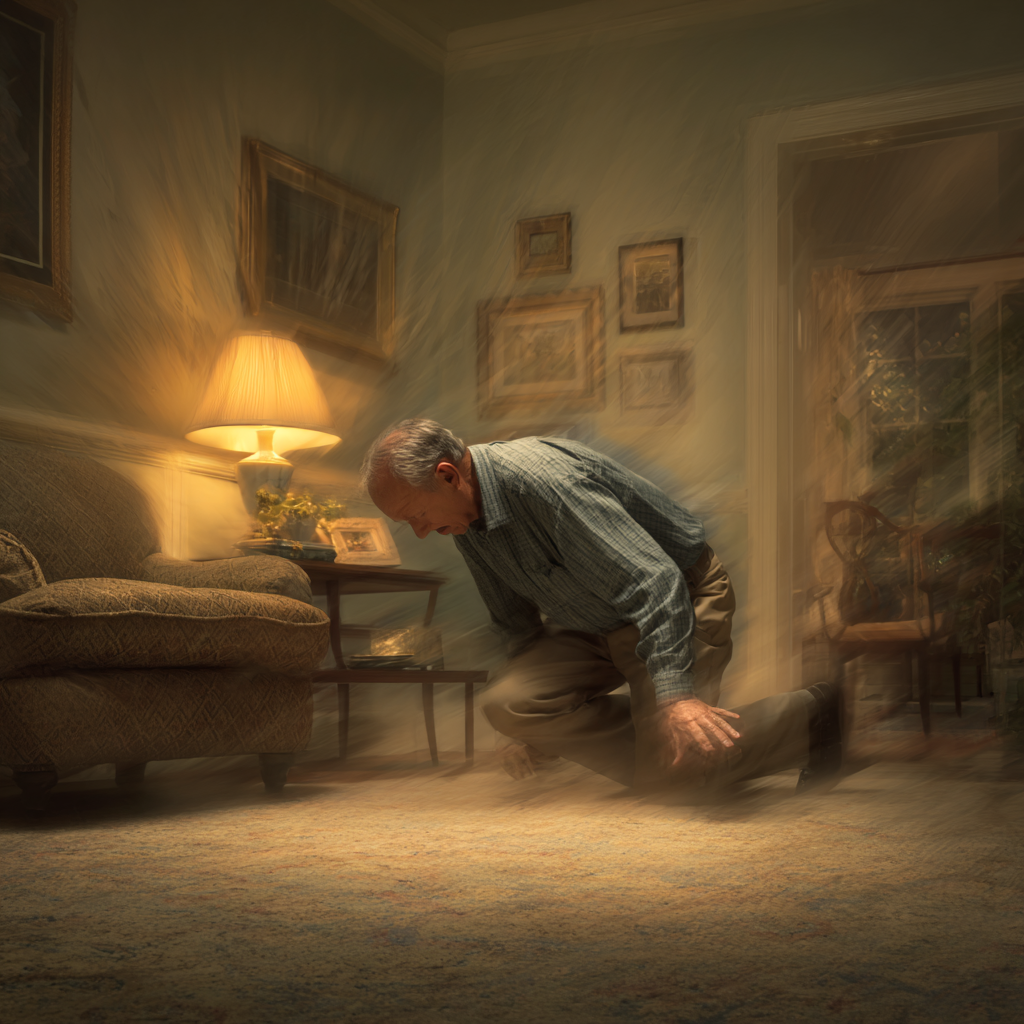
Here’s the basics: fainting is when your brain temporarily doesn’t get enough blood flow, and it hits the “off” switch for a few seconds. Your body does this as a protective mechanism—when you’re horizontal on the ground, it’s easier for blood to reach your brain again. Not exactly elegant, but your body is doing its best.

Most of the time, you’ll get some warning signs before you go down. Your vision might get blurry or narrow like you’re looking through a tunnel. You might feel dizzy, sweaty, nauseous, or just generally weird and weak. Some people describe feeling really warm right before it happens. If you’re lucky enough to recognize these signs, you can sometimes sit or lie down before you actually lose consciousness.

When you do faint, it usually only lasts a few seconds to maybe a couple minutes. You’ll collapse, your muscles will relax, and you’ll be out. Sometimes your body might jerk a little bit—not like a full seizure, just brief movements because your brain is momentarily starved for oxygen. Then you wake up, usually within moments, you’re back to normal, though you might feel tired or a bit confused for a short while.

Why This Happens: The Age Factor

The interesting thing is that why people faint changes a lot depending on how old they are.

If you’re younger, the most common culprit is what’s called vasovagal syncope, your nervous system overreacts to something and suddenly drops your heart rate and blood pressure. This can happen when you’re stressed, in pain, standing for too long, or even just dehydrated. Ever heard someone say they “can’t stand the sight of blood” or they got woozy at a concert? That’s usually vasovagal syncope. Standing up too fast is another big one—you’ve probably experienced that head rush where everything goes spotty for a second. Sometimes specific situations trigger it: coughing really hard, swallowing, even urinating or exercising intensely can mess with your blood pressure just enough to cause problems.

There are also some rarer causes in young people, like inherited heart rhythm problems—conditions with names like long QT syndrome or Wolff-Parkinson-White syndrome. These are less common but more serious.

For older adults, the picture changes. The autonomic nervous system—your body’s autopilot for things like blood pressure—doesn’t work quite as smoothly as you age. Add in multiple medications (especially blood pressure meds and diuretics), some chronic dehydration (common as people get older) and you’ve got a recipe for more frequent dizzy spells when standing up. Some older folks develop something called carotid sinus hypersensitivity, where even turning their head or wearing a tight collar can trigger a drop in heart rate or blood pressure.

Heart-related causes become much more common with age too. Irregular heartbeats like atrial fibrillation, problems with the heart’s electrical system, or structural issues like a stiff aortic valve or weakened heart muscle can all lead to fainting. And let’s not forget medications—beta-blockers, vasodilators, and certain antidepressants— can all lower blood pressure enough to cause problems.

When Should You Worry?

Here’s where we need to get serious for a second. Most fainting episodes aren’t dangerous, but some are red flags that need immediate attention.

Get emergency help if fainting comes with chest pain, a racing or pounding heartbeat, or trouble breathing—these could mean something’s wrong with your heart. Also, if there are any neurological symptoms like sudden confusion, trouble speaking, weakness on one side of your body, or difficulty understanding people, then you need to rule out things like stroke or seizure right away.

Even without those scary symptoms, if you’re fainting repeatedly or can’t figure out why it’s happening, you should definitely see a doctor. Recurrent fainting can point to underlying issues that are worth catching early—both for safety (falling and hitting your head is no joke) and for quality of life.

How Doctors Figure It Out?

When you go to see a doctor about fainting, they’re playing detective. They’ll want to know everything: What were you doing when it happened? What did you feel beforehand? Did anyone see you faint—and if so, what did they observe? How did you feel afterward? They’ll also ask about your family history (especially sudden cardiac deaths) and what medications you’re taking.

The physical exam usually includes checking your blood pressure and heart rate while you’re lying down and then again when you stand up—this can reveal orthostatic hypotension (that fancy term for your blood pressure dropping when you stand). They’ll listen to your heart, check your neurological function, and look for any obvious problems.

Almost everyone gets an electrocardiogram (EKG)—that test where they stick electrodes on your chest to measure your heart’s electrical activity. Depending on what they find, you might get blood work to check for things like anemia, blood sugar problems, or electrolyte imbalances. An ultrasound of your heart (echocardiogram) might be ordered if they suspect structural heart disease.

If you keep fainting or if there’s concern about your heart, they might want continuous monitoring. This could be anything from wearing a Holter monitor for 24 hours to having a tiny device implanted under your skin that can record your heart rhythm for weeks or even longer. There’s also something called a tilt table test, where they literally tilt you upward on a table to see if it triggers fainting—sounds medieval but it’s useful for diagnosing vasovagal syncope.

Living With It: What You Can Do

The good news is that for most types of fainting, there’s a lot you can do to prevent it from happening again.

If you have the common vasovagal type, learning to recognize those warning signs is huge. Once you feel them coming on, you can do what’s called “counter-pressure maneuvers”—crossing your legs and tensing them, squeezing your hands together really hard, or tensing your arm muscles. These actions help keep your blood pressure up and can stop you from fainting.

Lifestyle changes make a real difference too. Stay hydrated—seriously, drink more water than you think you need. Avoid your known triggers if you can identify them. When you’ve been sitting or lying down, stand up slowly in stages rather than popping right up. Some people benefit from compression stockings (yeah, they’re not glamorous, but they work). Your doctor might even tell you to eat more salt, which is probably the only time a healthcare provider will ever tell you to do that.

For orthostatic hypotension, the management is similar—hydrate, rise slowly, maybe do some calf muscle exercises. Your doctor will also review your medications to see if anything can be adjusted or eliminated.

If your fainting is related to a heart problem, treatment gets more specific and serious. This could mean medications to control heart rhythm, procedures to fix abnormal electrical pathways in your heart, or even implanting a pacemaker or defibrillator. The treatment depends entirely on what specific problem you have.

No matter what’s causing your fainting, regular follow-up with your doctor is important. They need to see if treatments are working, adjust things if necessary, and catch any new issues early.

The Bottom Line

Fainting is super common, but it’s also something you shouldn’t try to diagnose yourself. While most episodes are harmless vasovagal responses to stress or dehydration, some can signal serious heart problems or other conditions that need treatment. If you’re frequently fainting, talk to a doctor—especially if it happens during exercise, or if it comes with other concerning symptoms.

With the right evaluation and management, most people who deal with syncope can get their episodes under control and get back to a normal life. It might take some trial and error to figure out what works for you, but the effort is worth it for both your safety and peace of mind.

For any medical condition always consult with your physician to verify specific treatment recommendations, as individual circumstances can vary significantly. This article is for information and isn’t a substitute for medical advice from your own doctor.
The Real Enemy of the Revolution: Disease

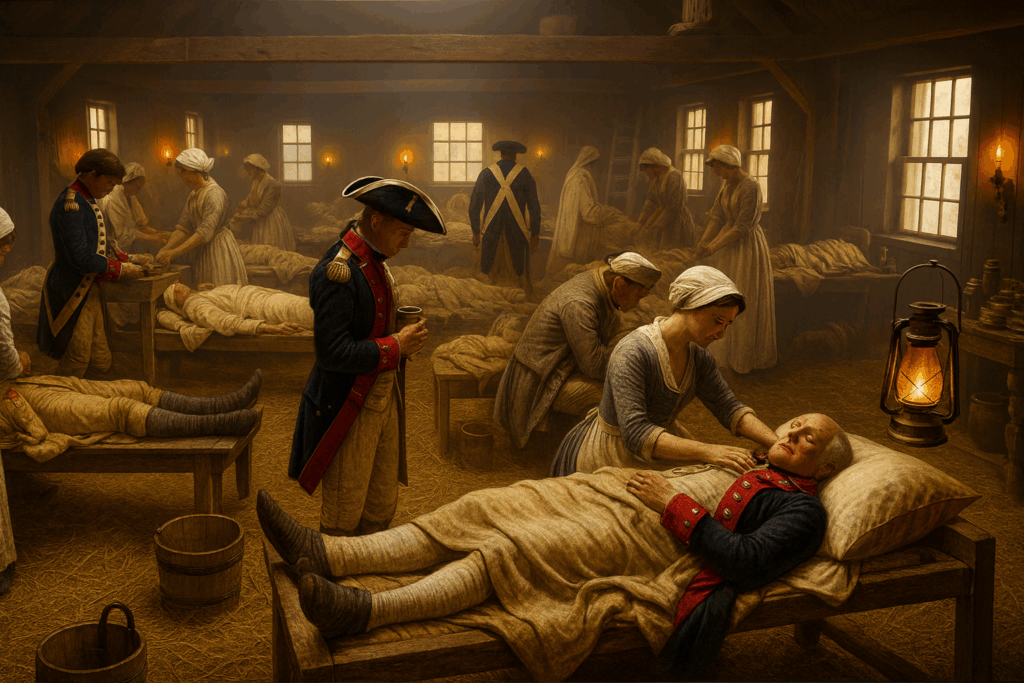
When you think about the American Revolution, you probably picture dramatic battles like Bunker Hill or the crossing of the Delaware. But here’s something that might surprise you: the biggest killer during the war wasn’t British muskets—it was disease. And it’s not even close.

The Numbers Tell a Grim Story

Let’s talk numbers for a second. On the American side, about 6,800 soldiers died from battlefield wounds. Sounds terrible, right? Well, disease killed an estimated 17,000 to 20,000. That’s roughly three times as many. The British and their Hessian allies faced similar odds: around 7,000 combat deaths versus 15,000 to 25,000 disease deaths.

Think about that for a moment. You were actually safer charging into battle than hanging around camp. In some regiments, disease wiped out more than a third of the troops before they even saw their first fight.

Why Was Disease So Deadly?

Picture yourself in a Revolutionary War military camp. Hundreds of men crammed together in makeshift shelters, no running water, primitive latrines dug too close to where everyone lives, and basically zero understanding of what we’d call “germ theory” today. It’s a perfect storm for infectious disease.

The big killers were:

Smallpox was the heavyweight champion of camp diseases. This virus killed about 30% of people it infected and spread like wildfire through packed military camps. Soldiers tried to protect themselves through a risky practice called inoculation—basically giving themselves a mild case of smallpox on purpose by rubbing infected pus into cuts on their skin. Without proper quarantine procedures, though, this sometimes made outbreaks worse instead of better.

Typhus (called “camp fever” back then) spread through lice and fleas. If you’ve ever been to a prolonged camping trip and felt gross after a few days, imagine that times a hundred. Soldiers lived in the same clothes for weeks, rarely bathed, and the parasites just had a field day. The fever, headaches, and diarrhea that came with typhus made it one of the most dreaded camp diseases.

Dysentery (charmingly nicknamed “bloody flux”) came from contaminated water and poor sanitation. When your latrine is 20 feet from your water source and you don’t understand how disease spreads, this becomes pretty much inevitable. The severe diarrhea weakened soldiers to the point where many couldn’t fight even if they wanted to and it made them even more susceptible to other diseases.

Malaria was especially important in the South, where mosquitoes thrived in the humid climate. This one actually played a fascinating role in how the war ended—but more on that in a bit.

When Disease Changed Everything

The 1776 invasion of Canada was a disaster largely because of smallpox. Out of 3,200 American soldiers in the Quebec campaign, 1,200 fell sick. You can’t mount much of an offensive when more than a third of your army is flat on their backs with fever. Similarly, during the siege of Boston, Washington couldn’t effectively engage the British because so many of his troops were sick with smallpox. These weren’t just setbacks—they were strategic catastrophes.

This is what pushed George Washington to make one of his boldest decisions in 1777: he ordered a mass inoculation of the Continental Army. This was controversial and dangerous at the time, but it worked. Washington had survived smallpox himself as a young man, so he understood both the risks and the benefits. The inoculation program probably saved the army from complete collapse.

Medical “Treatment” Was Often Worse Than Nothing

Here’s where things get really grim. Eighteenth-century medicine was basically medieval. Doctors believed in “balancing the humors” through bloodletting—literally draining blood from already weakened soldiers. They also gave powerful laxatives to people who were already suffering from diarrhea. Yeah, let that sink in.

Pain relief meant opium-based drinks or just straight alcohol. Some doctors used herbal remedies, but results were inconsistent at best. Quinine helped with malaria, though nobody really understood why. Mostly, if you got seriously sick, your survival came down to luck and a strong constitution.

Valley Forge: The Turning Point

Valley Forge is famous for being a brutal winter encampment, and disease was a huge part of why it was so terrible. Scabies left nearly half the troops unable to serve. Dysentery and camp fever killed somewhere between 1,700 and 2,000 soldiers during that single winter—and remember, these weren’t battle casualties. These men died from preventable diseases in what was supposed to be a safe encampment.

But Valley Forge taught the Continental Army a crucial lesson. After that nightmare winter, military leaders started taking sanitation seriously. They began focusing on camp hygiene, protecting water supplies, placing latrines away from living areas, and making sure soldiers could bathe and wash their clothes and bedding.

Baron von Steuben is famous for teaching the Continental Army how to march and drill, but he also deserves credit for implementing serious sanitation reforms. These changes helped prevent future disease outbreaks and kept the army functional for the rest of the war.

The Secret Weapon at Yorktown

Here’s one of my favorite historical details: mosquitoes may have helped win American independence. At Yorktown, roughly 30% of Cornwallis’s British army was knocked out by malaria and other diseases during the siege. The British commander was trying to hold off the American and French forces while also dealing with the fact that almost a third of his troops were too sick to fight.

Many American soldiers from the southern colonies had grown up with malaria and had some partial immunity. The British? Not so much. Some historians even think Cornwallis himself might have been suffering from malaria, which could have affected his decision-making. His second-in-command, Brigadier General Charles O’Hara, was definitely seriously ill during the siege. Fighting a war while you can barely stand is a pretty significant handicap.

The Bigger Picture

The American Revolution shows us something important: wars aren’t just won on battlefields. They’re won by the side that can keep its soldiers alive and healthy. Disease shaped strategic decisions, determined the outcomes of campaigns, and killed far more men than any British regiment ever did.

Washington’s decision to inoculate the army was genuinely revolutionary (pun intended). It showed a willingness to embrace controversial medical practices for the greater good. The sanitation reforms that came out of Valley Forge laid groundwork for modern military medicine and influenced public health policies in the new United States.

So next time someone mentions the American Revolution, remember: while we celebrate the military victories, one of the most important battles was fought against an enemy you couldn’t see—and for most of the war, nobody really knew how to fight it.

The casualty figures and major disease outbreaks are well-documented in historical records. The specific percentages and numbers are estimates based on historical research, as precise record-keeping was limited during this period. The overall narrative about disease being the primary cause of death is strongly supported by multiple historical sources.

 Doctors of the Deep Blue Sea

A Brief History of the U.S. Navy Medical Corps

The U.S. Navy Medical Corps has a history that evolves from a humble beginning during the Revolutionary War to its current role as a vital component of modern military medicine. The Medical Corps ensures the health and well-being of sailors, Marines, and their families, while contributing to public health and advancements in medical science.

Origins in the Revolutionary War

The roots of Navy medicine trace back to the Revolutionary War, when medical care aboard ships was primitive at best. Shipboard surgeons, often lacking formal medical training, treated injuries and disease with the limited tools and knowledge available to them. In the early days of the U.S. Navy, physicians served without formal commissions, often receiving temporary appointments for specific cruises.  Their primary tasks included amputations, treating infections, and caring for diseases like scurvy and dysentery.

In 1798, Congress formally established the Department of the Navy, creating the foundation for organized medical care within the naval service.  Surgeon Edward Cutbush published the first American text on naval medicine in 1808. The Naval Hospital Act of 1811 marked another milestone, authorizing the construction of naval hospitals to support the growing fleet.

Establishment of the Navy Medical Corps (1871)

The U.S. Navy Medical Corps was officially established on March 3, 1871, by an act of Congress. This legislation created a formal medical staff to support the Navy, setting standards for the recruiting and training naval physicians. These physicians were initially known as “Surgeons” and “Assistant Surgeons,” tasked with providing care on ships and at naval hospitals.  The act granted Navy physicians rank relative to their line counterparts, acknowledged their role as a staff corps, and established the title of “Surgeon General” for the Navy’s senior medical officer.

During this period, the Navy Medical Corps began to expand its scope. It embraced emerging medical technologies and scientific discoveries, setting the stage for its later contributions to public health and medical innovation.

The Navy Hospital Corps

The U.S. Navy Hospital Corps was established on June 17, 1898. Its creation was prompted by the increased medical needs during the Spanish-American War. Since then, the enlisted corpsmen have served in every conflict involving the United States, providing critical medical care on battlefields, aboard ships, and in hospitals worldwide.

Corpsmen are trained to perform a wide range of medical tasks, including emergency battlefield triage and treatment, surgery assistance, and disease prevention. They are often embedded directly with Marine Corps units, making them indispensable on the battlefield.

The Hospital Corps is the most decorated group in the U.S. Navy. To date, its members have earned numerous high-level awards for valor, including: 22 Medals of Honor, 182 Navy Crosses, 946 Silver Stars, and 1,582 Bronze Stars.

World Wars and the Expansion of Military Medicine

Both World War I and World War II were transformative for the Navy Medical Corps. During World War I, Navy medical personnel treated injuries and illnesses both aboard ships and in field hospitals. Their efforts were instrumental in managing wartime epidemics, including the devastating 1918 influenza pandemic.

World War II brought further advancements. The Navy Medical Corps played a pivotal role in addressing the challenges of warfare in diverse climates, including tropical diseases in the Pacific Theater. It also pioneered methods for treating trauma, burns, and psychiatric conditions.

Cold War Era and Modernization

The Cold War era marked a time of significant innovation for the Navy Medical Corps. The establishment of the Navy Medical Research Institutes advanced studies in areas such as tropical medicine, submarine medicine, and aerospace medicine. These efforts supported the Navy’s global missions and contributed to broader medical advancements.

In the latter half of the 20th century, Navy medical personnel became key players in humanitarian missions, responding to natural disasters and providing aid in conflict zones. Their expertise in public health, infectious disease control, and trauma care enhanced the Navy’s ability to spread goodwill worldwide.

Modern Contributions and Future Challenges

Today, the Navy Medical Corps supports both military readiness and global health. Its personnel provide care on ships, submarines, aircraft carriers, and for Marine Corps forces, and at shore-based facilities. They also participate in humanitarian missions and disaster response, reflecting the Navy’s commitment to a broader vision of security and well-being.

In recent years, Navy medicine has faced challenges such as the COVID-19 pandemic, addressing mental health issues among service members, and adapting to emerging threats like climate change and cyber warfare defense. These challenges underscore the evolving role of the Navy Medical Corps in a complex world.

From its early days of rudimentary care to its modern role in global health and innovation, the U.S. Navy Medical Corps has been a cornerstone of military medicine. Its contributions extend beyond the battlefield, shaping public health, medical research, and humanitarian efforts worldwide.

As the Navy Medical Corps continues to adapt to new challenges, it remains a testament to the enduring value of medical service in the defense of the nation and the promotion of global health.

 War and Medicine

The Evolution of the Army Medical Corps

The history of military medicine in the United States during the 18th and 19th centuries is essentially the history of the Army Medical Corps. There is no surprise that the Army Medical Corps played a significant role in advances in battlefield medicine. However, many people do not appreciate that the Army Medical Corps also played a significant role in the treatment of infectious diseases and improvements in general sanitation.  For example, one of the first public health inoculation efforts was ordered by General George Washington in the Continental Army to protect troops against smallpox. Walter Reed led an Army Medical Corps team that proved that the transmission of yellow fever was by mosquitoes. The Army Medical Corps developed the first effective typhoid vaccine during the Spanish American War and in World War II the Army Medical Corps led research to develop anti-malarial drugs.

Revolutionary War and the Founding of the Army Medical Corps

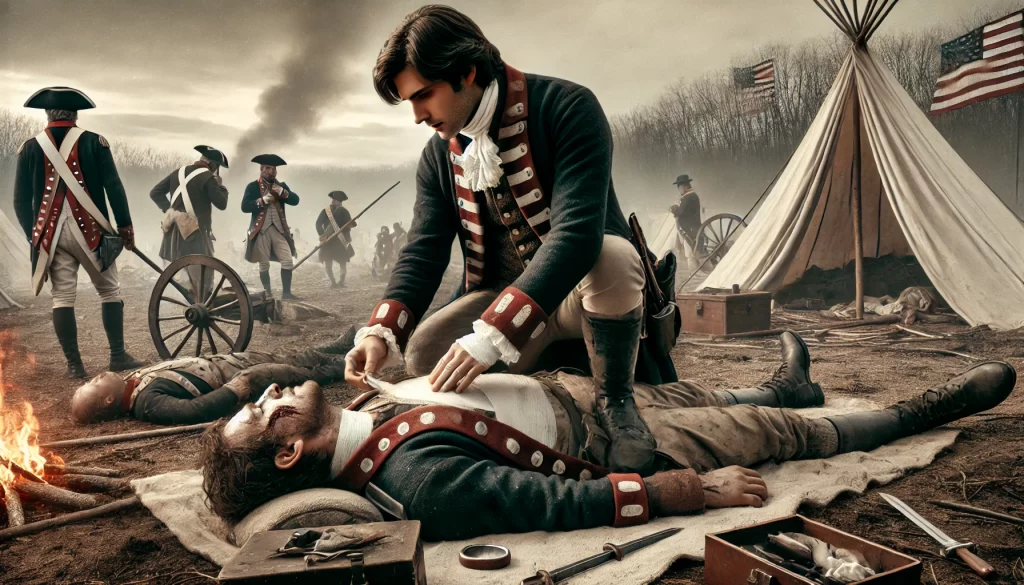
The formal beginnings of military medical organization in the United States trace back to 1775, with the establishment of a Medical Department for the Continental Army. On July 27, 1775, the Continental Congress created the Army Medical Service to care for wounded soldiers. Dr. Benjamin Church was appointed as the first “Director General and Chief Physician” of the Medical Service, equivalent to today’s Surgeon General. However, Church’s tenure was brief and marred by scandal: he was proved to be a British spy, passing secrets to the enemy.

Church’s arrest in 1775 created a leadership vacuum, and the fledgling medical service had to reorganize quickly under Dr. John Morgan, who became the second Director General. Morgan sought to professionalize the medical corps, emphasizing proper record-keeping and standards of care. However, the Revolutionary War medical system struggled with limited resources, inadequate supplies, poor funding and an overworked staff. The lack of an effective supply chain for medicine, bandages, and surgical instruments was a significant issue throughout the conflict.

Early Challenges in Battlefield Medicine

During the Revolutionary War, military medical practices were rudimentary. Medical knowledge and understanding of disease processes had advanced little since the days of ancient Greece. Medical training was inconsistent and was principally by the apprentice method. In 1775 there were only two small medical schools in all of the 13 colonies. One of those closed with the onset of the revolution.

Field surgeons primarily treated gunshot wounds, fractures, and infections. Most treatments were painful and often involved amputation, as this was one of the few ways to prevent infections from spreading in an era without antibiotics. Battlefield medicine was further hampered by the fact that surgeons often had to work without proper sanitation or anesthesia.

One of the most significant health challenges faced by the Continental Army was disease, including smallpox, typhoid, dysentery, and typhus. In fact, more soldiers died from disease than from combat injuries. Recognizing the threat of smallpox, General George Washington made the controversial but strategic decision in 1777, to inoculate his troops against smallpox, significantly reducing mortality and helping to preserve the fighting force. At Valley Forge almost half of the continental troops were unfit for duty due to scabies infestation and approximately 1700 to 2000 soldiers died of the complications of typhoid and diarrhea.

It’s estimated that there were approximately 25,000 deaths among American soldiers both continental and militia in the American Revolution.  An estimated 7000 died from battlefield wounds. An additional 17,000 to 18,000 died from disease and infection. This loss of soldiers to non-combat deaths has been one of the biggest challenges faced by the Army Medical Corps through much of its history.

Post-Revolution: Developing a Medical Framework (1783-1812)

After the Revolutionary War, the United States Army Medical Department went through a period of instability. There were ongoing debates about the structure and necessity of a standing army and medical service in peacetime. However, the need for an organized military medical service became apparent during the War of 1812. The war underscored the importance of medical organization, especially in terms of logistics and transportation of the wounded.

The Army Medical Department grew, and by 1818, the government established the position of Surgeon General. Joseph Lovell became the first to officially hold the title of Surgeon General of the United States Army. Lovell introduced improvements to record-keeping and hospital management and laid the groundwork for future medical advances, though the department remained small and under-resourced.

Advancements in Military Medicine: The Mexican-American War (1846-1848)

The Mexican-American War provided an opportunity for the Army Medical Corps to refine its practices. Field hospitals were more structured, and new surgical techniques were tested. However, disease continued to be a significant challenge, yellow fever and dysentery plagued American troops. The war also underscored the importance of sanitation in camps, though knowledge about disease transmission was still limited.

The aftermath of the Mexican-American War saw the construction of permanent military hospitals and better organization of medical personnel, setting the stage for the much larger and more complex demands of the Civil War.

Civil War: The Birth of Modern Battlefield Medicine (1861-1865)

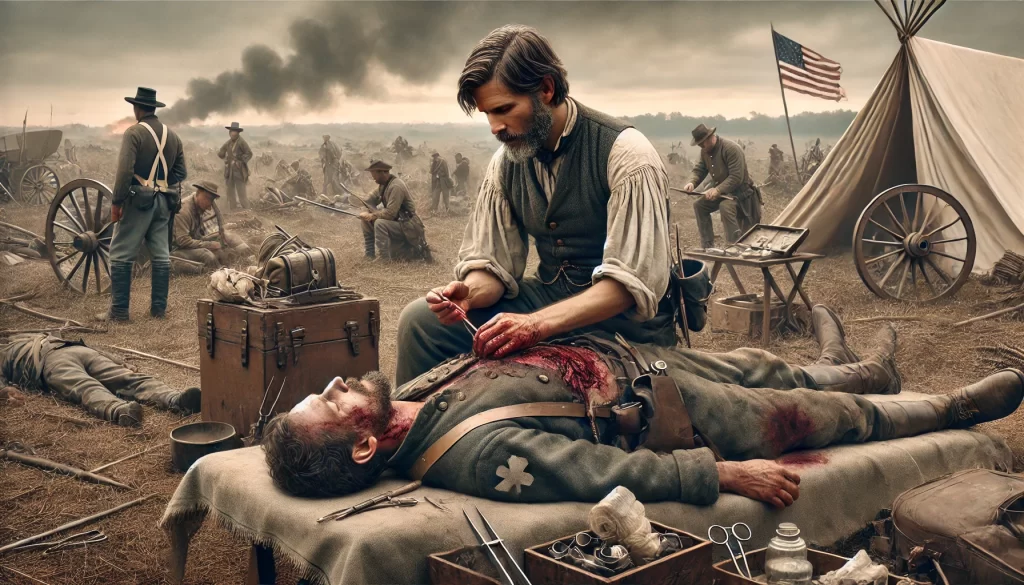
The Civil War represented a turning point in military medicine, with significant advances in both battlefield care and medical logistics. By the start of the war, the Army Medical Corps was better organized than during previous conflicts, though it still faced many challenges. Jonathan Letterman, the Medical Director of the Army of the Potomac, revolutionized battlefield medicine by creating the Letterman System, which included:

  1. Field Dressing Stations: Located near the front lines to provide immediate care.
  2. Ambulance System: Trained ambulance drivers transported wounded soldiers from the battlefield to hospitals.
  3. Field Hospitals and General Hospitals: These provided surgical care and longer-term treatment.

The Civil War saw the introduction of anesthesia (chloroform and ether), which reduced the suffering of wounded soldiers and made more complex surgeries possible. However, infection remained a major problem, as antiseptic techniques were not yet widely practiced and germ theory as a source for disease and infection was poorly understood. Surgeons worked in unsanitary conditions, often reusing instruments without sterilization and frequently doing little more than rinsing the blood off of their hands between patients.

Sanitation and Public Health Measures

One of the most critical lessons of the Civil War was the importance of camp sanitation and disease prevention. Dr. William Hammond, appointed Surgeon General in 1862, emphasized the need for hygiene and camp inspections. Under his leadership, new regulations improved the quality of food and water supplies. Though disease still claimed many lives, these efforts marked the beginning of a more systematic approach to military public health.

Additionally, the United States Sanitary Commission (USSC)was established in 1861. It was a civilian organization that was created to support the union army by promoting sanitary practices and improving medical care for soldiers with the objectives of improving camp sanitation, providing medical supplies, promoting hygiene and preventive care, supporting wounded soldiers and advocating for soldiers welfare.

Hammond also promoted the use of the Army Medical Museum to collect specimens and study diseases, fostering a more scientific approach to military medicine. Though he faced resistance from some military leaders, his reforms laid the foundation for modern military medical practices.

Conclusion

The evolution of the Army Medical Corps from the Revolutionary War to the Civil War reflects a gradual shift from rudimentary care to more organized, systematic medical practices. Early efforts were hindered by leadership issues, such as the betrayal by Benjamin Church, and by the challenges of disease and limited resources. However, over the decades, the Army Medical Department improved its structure, introduced innovations like inoculation and anesthesia, and laid the groundwork for advances in battlefield care. The Civil War, in particular, was pivotal in transforming military medicine, with lessons in logistics, sanitation, and surgical care that would shape the future of military and civilian medical systems.

For further reading, the following sources provide excellent insights:

  • Office of Medical History – U.S. Army
  • “Gangrene and Glory: Medical Care during the American Civil War” by Frank R. Freemon

Powered by WordPress & Theme by Anders Norén