Grumpy opinions about everything.

Tag: Senior Health Page 1 of 2

Fitness for Seniors: A Practical Guide to Getting Started and Staying Active

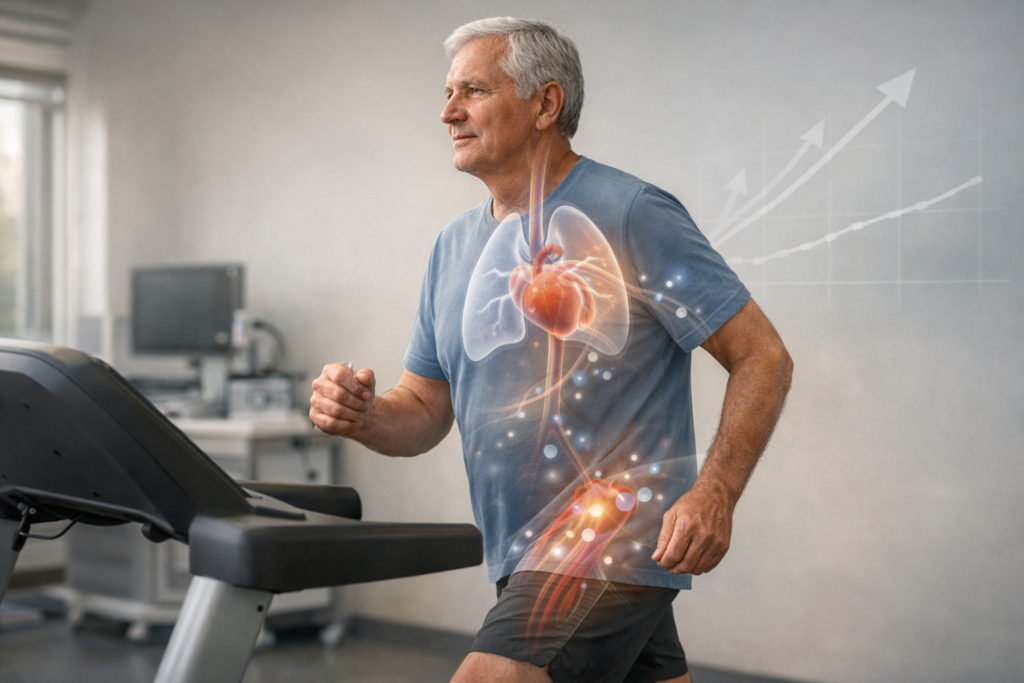
Here’s a sobering statistic to kick things off: fewer   than 15% of people ages 65 and older meet the federal Physical Activity Guidelines.  That’s despite the mountain of evidence showing that regular movement is one of the most powerful tools we have for aging well. Physical activity helps prevent and manage chronic diseases like heart disease, diabetes, and obesity, and for older adults specifically, it reduces the risk of falling, supports more years of independent living, and improves brain health.

The good news? It’s never too late to start, and even modest improvements make a real difference. This guide breaks down what exercise should look like at different stages of older adulthood — beginning with a starter plan for newcomers and building into a long-term maintenance approach.

The Foundation: What Every Senior Needs

Before diving into age-specific details, it helps to understand the three pillars of senior fitness. To get substantial health benefits, older adults need three types of activity each week: moderate- or vigorous-intensity aerobic exercise, muscle-strengthening activities, and balance training.

The target, according to both the WHO and CDC, is 150 minutes of moderate-intensity aerobic activity combined with 2–3 days of strength training per week, along with balance and flexibility exercises.

That said, these numbers aren’t a cliff — they’re a destination. For someone who hasn’t exercised in years, starting with 10 minutes of walking three times a week is a legitimate and meaningful beginning.

The Beginning Plan: Weeks 1–12

The biggest mistake new exercisers make at any age is doing too much too soon. For seniors, that’s not just discouraging — it can lead to injury. The goal of the first three months is to build a habit and establish a safe baseline, not to hit peak performance.

Week 1–4: Getting Moving

Start with walking. It’s free, low-impact, and one of the most studied forms of exercise in older adults. Aim for 10–15 minutes of brisk walking (meaning you can talk but not sing) on three days per week. Pair this with two days of very light strength work — seated leg raises, wall push-ups, and chair-assisted squats are all good options. On the same days as strength work, spend 5–10 minutes on gentle stretching and simple balance exercises like standing on one foot while holding a chair. This isn’t glamorous, but it works.

Week 5–8: Building Consistency

Extend walking sessions to 20–25 minutes and add a fourth day if possible. For strength training, begin using light resistance bands or small hand weights. Aim for 8 to 12 repetitions per exercise, which counts as one set, and try to do at least one set of muscle-strengthening activities — working up to two or three sets for more benefit.  Continue balance work daily if possible, even if just 5 minutes of standing on one foot near a wall.

Week 9–12: Progressing Toward the Target

By the end of this phase, the goal is to be walking 30 minutes on most days, doing strength training twice a week, and building some basic balance confidence. Many people find water aerobics or a beginner yoga class fits well here — these are what researchers call “multicomponent” activities that hit aerobic fitness, strength, and balance simultaneously.

The Maintenance Plan

Once the habit is established, the goal shifts to consistency and gradual improvement. The maintenance plan is simply a sustainable version of the full guidelines, adapted to fit daily life.

A solid maintenance week might look like: three to four days of 30-minute brisk walks or light cycling, two days of resistance training targeting the major muscle groups (legs, back, core, and arms), and daily balance work woven into ordinary activities — standing on one foot while brushing teeth, walking heel-to-toe down a hallway. If you take a break due to illness or travel, start again at a lower level and slowly work back up.

Age 65: The “Just Starting” Window

At 65, most people are either newly retired or approaching it. Energy levels are generally still high, and the body is still reasonably responsive to new exercise demands.

The primary goals at 65 are cardiovascular health, maintaining muscle mass, and establishing the exercise habit before age-related decline accelerates. Strength training is especially important here because muscle loss (called sarcopenia) begins in earnest in the 60s. Weight-bearing activities like walking and resistance training also help preserve bone density.

At 65, most people can follow the full beginning plan above without major modification. Joint pain, if present, is best addressed by switching to low-impact options (pool walking, cycling, elliptical) rather than skipping exercise altogether. This is also an excellent time to get a checkup and mention your exercise plans to a doctor, particularly if you have any chronic conditions.

Age 70: Prioritizing Balance and Flexibility

By 70, the picture shifts somewhat. Muscle and bone loss continue, and reaction time begins to slow — which is why fall prevention becomes a central focus. One-third of older adults aged 65 and over fall each year, and 50% of those fall repeatedly.  The risk rises significantly with each passing decade.

The research is clear on this point: balance training works. Balance measures in intervention studies showed improvements between 16% and 42% compared to baseline assessments.  Activities like Tai Chi are particularly effective — Tai Chi interventions were associated with approximately 31–58% reductions in falls, the Otago Exercise Program with 23–40% reductions, and multimodal strength-balance training with 20–45% reductions.

At 70, the aerobic goal remains 150 minutes per week, but it’s smart to reduce session intensity slightly if needed and focus more time on balance and flexibility work. Yoga, Tai Chi, and water fitness classes are excellent choices. Strength training should continue, but with a greater emphasis on functional movements — exercises that mimic everyday activities like getting up from a chair or reaching overhead.

Age 75: Adapting Without Stopping

At 75, the conversation shifts from maximizing performance to protecting function and independence. The goal isn’t to work out like a 50-year-old — it’s to maintain the ability to live on your own terms.

Research suggests that neuromuscular impairments tend to worsen progressively with age, particularly in adults over 70, as natural age-related declines accelerate deterioration in reaction time, proprioception, and coordination.  This makes structured balance training non-negotiable at this age.

Aerobic exercise may need to shift toward lower-impact formats: water aerobics, recumbent cycling, or simply slower, more deliberate walking. Strength training should continue at least twice a week, using lighter resistance with higher repetitions if heavy weights cause joint discomfort. Chair-based exercise programs are a reasonable option for those with limited mobility. Recovery time between sessions also gets longer with age, so spacing workouts out more evenly through the week becomes important.

One addition that becomes more relevant at 75: flexibility and mobility work. Spending 10–15 minutes on gentle stretching after every workout helps maintain the range of motion needed for daily activities like dressing, driving, and navigating stairs.

Age 80 and Above: Function First

At 80 and beyond, the fitness calculus is almost entirely about maintaining the ability to perform daily tasks safely and independently. That means the exercises themselves may look very different from what a 65-year-old does — and that’s perfectly appropriate.

The core principles don’t change: move every day, do some resistance work, and train your balance. But intensity drops, rest increases, and safety becomes the top priority. Chair-based strength exercises — seated leg lifts, ankle rotations, seated marching, resistance band pulls — are highly effective and much lower-risk than standing exercises for many people at this stage.

Balance work at 80+ should be done near a sturdy support surface. Even holding a chair while practicing a small weight shift from foot to foot provides meaningful benefit. Interventions with a total weekly dose of three or more hours that included balance and functional exercises were particularly effective, with a 42% reduction in the rate of falls compared to control.

Walking remains the single best aerobic exercise for this age group if mobility allows, even if sessions are shorter — 10 to 15 minutes, a few times a day, can accumulate to meaningful totals. Water-based exercise is especially valuable because buoyancy reduces joint stress while still providing resistance.

It’s worth noting that the emotional and social aspects of exercise become increasingly important at 80+. Group classes — whether at a senior center, community pool, or gym — provide motivation, accountability, and social connection alongside the physical benefits.

A Note on Medical Clearance

This guide is based on well-established public health guidelines, but individual health conditions vary enormously. Before starting any new exercise program, especially after 70, a conversation with a doctor or physical therapist is strongly recommended. That’s especially true if you’re managing heart disease, diabetes, severe arthritis, osteoporosis, or recent surgery.

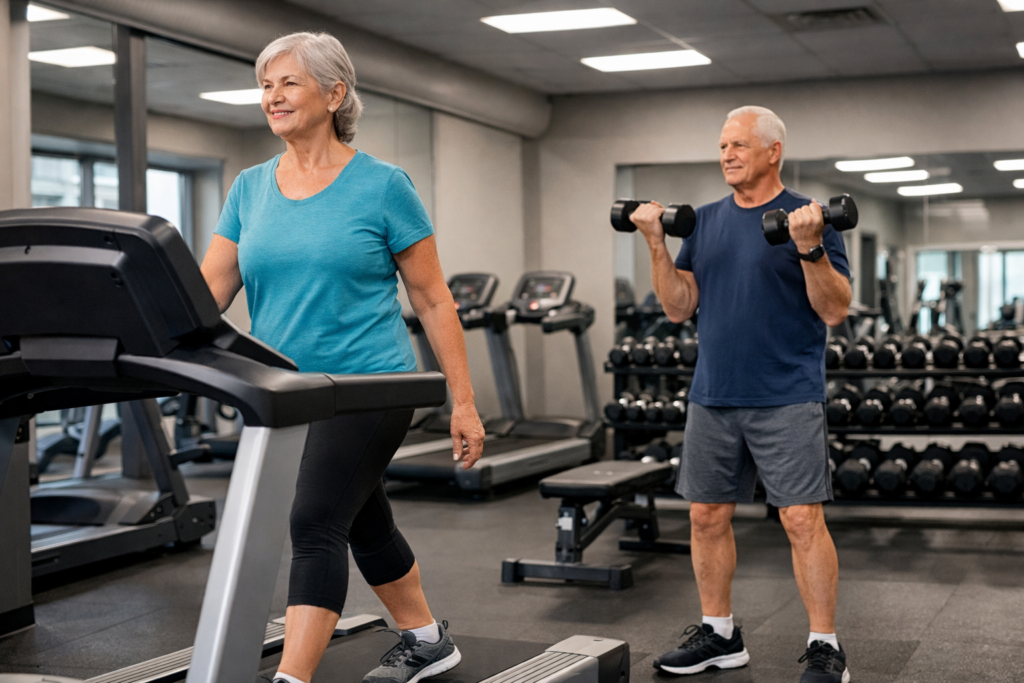
Illustration generated by author using ChatGPT

Sources:

CDC Physical Activity for Older Adults: https://www.cdc.gov/physical-activity-basics/guidelines/older-adults.html

CDC: What Counts as Physical Activity for Older Adults: https://www.cdc.gov/physical-activity-basics/adding-older-adults/what-counts.html

ACSM Physical Activity Guidelines: https://acsm.org/education-resources/trending-topics-resources/physical-activity-guidelines/

Fall Prevention Exercise Effectiveness (PMC): https://pmc.ncbi.nlm.nih.gov/articles/PMC10435089/

Falls Prevention Systematic Review (MDPI): https://www.mdpi.com/2075-1729/16/1/41

WHO-informed Falls Evidence (IJBNPA): https://ijbnpa.biomedcentral.com/articles/10.1186/s12966-020-01041-3

Physical Activity in Older Adults (PMC): https://pmc.ncbi.nlm.nih.gov/articles/PMC11562269/

Balance and Physical Activity Programs (PMC): https://pmc.ncbi.nlm.nih.gov/articles/PMC6635278/​​​​​​​​​​​​​​​​

Strengthening Your Defenses: Understanding and Improving Immune Health in Your Golden Years

Getting older comes with plenty of perks—wisdom, perspective, maybe even a better appreciation for a quiet Sunday morning. But one thing that doesn’t improve with age is your immune system. If you’ve noticed that colds seem to hang on longer than they used to, or that recovering from illness takes more time, you’re not imagining things. The aging immune system undergoes real, measurable changes that can affect your health in significant ways.

Understanding Your Immune System

Think of your immune system as an incredibly sophisticated security network spread throughout your entire body. Unlike your heart or lungs, it’s not located in one place—according to the Mayo Clinic, your immune system is essentially a giant collection of cells that travel through your blood and tissues, constantly patrolling for anything that doesn’t belong.

Your immune defense operates on two levels. The first responders are part of what’s called the innate immune system. It begins with the skin and mucous membranes that act as a barrier.  They are backed up by specialized cells—including macrophages, neutrophils, and natural killer cells that act like scouts, surveying your body for foreign particles like bacteria, viruses, or damaged cells. When they detect something foreign, they sound an alarm and start an immune response triggering inflammation, your body’s response to attack which causes swelling, redness, and heat at infection sites.

This is the signal for your second line of defense—your adaptive immune system—to begin a more specialized and sophisticated attack against the invaders. This system includes T cells that attack and kill infected cells and B cells that make antibodies.  They learn to recognize specific pathogens and once they encounter a particular germ, they remember it. In the future, if you’re exposed to the same germ, your adaptive immune system will mount a more effective and swifter response. This is why you only get chickenpox once, and it’s the principle behind vaccination.

What Happens When the System Ages

Starting around your sixties, your immune system begins what scientists call immunosenescence—a gradual but significant decline in immune function. This isn’t just one simple change, but rather a cascade of alterations affecting both your innate and adaptive immune systems.

One of the most significant changes happens in your thymus, a small organ behind your breastbone that produces T cells. The process of involution involves significant structural thymic changes, including a reduction in size, a decrease in functional thymic tissue, and fatty replacement of the thymic parenchyma.   As a result, you produce fewer fresh T cells to respond to new threats.

At the same time, something paradoxical happens: while your immune system becomes less effective at fighting infections, it also becomes more inflammatory. This chronic inflamed state contributes to biological aging and the development of age-related pathologies. Scientists call this “inflammaging”—chronic low-grade inflammation that persists throughout the body.

The practical consequences are significant. The immune system becomes slower to respond, which increases your risk of getting sick; it also means flu shots or other vaccines may not work as well or protect you for as long as expected. You’re also at higher risk for autoimmune disorders where your immune system mistakenly attacks healthy tissue. Wounds will heal more slowly.

Why Immune Function Declines

Multiple factors contribute to immune aging beyond just the passage of time. Chronic viral infections play a surprising role. Latent and chronic viral infections such as human cytomegalovirus (HCMV) and Epstein-Barr virus (EBV) affect the immune system and contribute to immunosenescence . These viruses lie dormant for years and when your immune system begins to age it is no longer able to effectively suppress them. They become active, and your immune system is put on perpetual alert, expressed as chronic inflammation, gradually wearing it down even further.

Your cells also undergo changes at the molecular level. With each cell division, the protective caps on your chromosomes called telomeres get shorter. Eventually, this limits your immune cells’ ability to divide and respond to threats. The shift in immune cell populations is dramatic—you have fewer naive cells ready to respond to new infections and more memory cells dedicated to past threats, which means you’re well-protected against diseases you’ve already had but vulnerable to new ones. Your immune army is continuing to prepare for the last war.

Chronic health conditions that become more common with age—diabetes, heart disease, kidney disease, chronic lung conditions—all accelerate immune aging. Even lifestyle factors like chronic stress, poor sleep, smoking, and excessive alcohol consumption take a heavier toll on your immune system as you age. 

Strengthening Your Immune Defenses

The good news is that lifestyle interventions can meaningfully improve immune function in older adults. The evidence is particularly strong for several key strategies.

Physical Activity Makes a Real Difference

Exercise isn’t just about staying fit—it’s one of the most powerful immune boosters available. Regular exercise mitigates the aging processes of both the innate and adaptive immune system, particularly being associated with improved natural killer cell functioning. Studies comparing physically active older adults to sedentary ones consistently show better immune cell function in the active group.

The type and amount of exercise matters. Mayo Clinic recommends two strength training sessions and 150 minutes of moderate cardiovascular exercise weekly. But you don’t need to become a marathon runner—walking, swimming, cycling, yoga, and tai chi all provide significant benefits. Research shows that influenza vaccine responses are improved in active elderly populations, as demonstrated by higher antibody titers following 10 months of aerobic physical exercise.

The key is consistency and not overdoing it. Moderate, regular exercise strengthens your immune system, while extreme exercise can temporarily suppress it.

Nutrition: Fueling Your Immune Defense

What you eat directly impacts how well your immune system functions. The evidence supports focusing on whole, minimally processed foods rather than any specific “superfood” or restrictive diet. A balanced nutritious diet incorporating a variety of fruits and vegetables, whole grains, proteins, and probiotics positively impacts the immune system.  

Several specific nutrients deserve attention. Protein becomes increasingly important with age because tryptophan, an essential amino acid found in protein-based foods including eggs, fish, dairy products, legumes, and meat, plays important roles in immune function. Omega-3 fatty acids from fish have anti-inflammatory properties that may help counter inflammaging.

The gut-immune connection is particularly important. Your gut contains roughly 70% of your immune system, and the bacteria living there directly influence immune function. Probiotic-rich foods like yogurt, sour cream and cottage cheese, some aged cheeses, and fermented vegetables (sauerkraut, some pickles) help maintain a healthy gut microbiome, which in turn supports immune health.

Certain vitamins and minerals play outsized roles in immune function. Vitamin D is crucial—it mediates immune function and regulation, strengthening of epithelial barriers and antioxidant defense. Unfortunately, it’s estimated that 95% of Americans don’t receive enough vitamin D from their diet alone, and nearly one-third have a vitamin D deficiency.

Zinc is another critical nutrient. Zinc exerts direct anti-viral effects and serves as a cofactor of dozens of proteins important for immune function and antioxidative defense, yet 15% of Americans are not meeting zinc needs from food alone and 30% of the world’s elderly population have a zinc deficiency.

Selenium, while needed in smaller amounts, is equally important. Selenium plays a role in anti-inflammatory, antiviral, and immune-cell activity and is useful in both innate and adaptive immunity through selenoproteins that partly reduce oxidative stress generated by viral pathogens.

Sleep: Your Immune System’s Recovery Time

Sleep isn’t just rest—it’s when your immune system does critical maintenance work. While you sleep, your body produces cytokines, a protein that helps regulate immune responses and fight off infections, and when you lack proper sleep, this decreases the amount of cytokines your body produces. The recommendation is clear: aim for seven to eight hours of quality, uninterrupted sleep per night.

Sleep quality matters as much as quantity. If you’re experiencing insomnia or sleep disruptions, addressing them should be a priority because poor sleep is linked not just to reduced immune function but also to increased risk of chronic diseases.

Stress Management and Social Connection

Chronic stress suppresses immune function in measurable ways. Finding effective stress management techniques—whether meditation, deep breathing, enjoyable hobbies, or time in nature—isn’t just about feeling better emotionally. These practices have real physiological effects on immune function.

Social connection matters more than you might think. Social isolation and loneliness are associated with increased inflammation and reduced immune function. Maintaining meaningful social connections, whether through family, friends, community groups, or religious organizations, appear to have genuine immune benefits.

Vaccination: Working With Your Immune System

Vaccines remain highly effective and are crucial for older adults. Vaccines introduce your immune system to viruses in a controlled manner, helping the adaptive immune system spot and neutralize germs more quickly. Staying current with recommended vaccines—including annual flu shots, pneumonia vaccines, RSV vaccines, shingles vaccines, and COVID-19 boosters—is one of the most effective ways to prevent serious illness.

The Supplement Question

While a balanced diet should be the foundation, supplements can fill genuine gaps, especially for nutrients like vitamin D that are difficult to obtain adequately from food alone. However, researchers still don’t know all the effects of lifestyle on the immune system, and there are no scientifically proven direct links between specific supplements and enhanced immune function in all contexts.

That said, if you’re deficient in specific nutrients, supplementation can help. Supplementation of higher dosages of vitamins D, C, and zinc may have positive effects during viral infections in deficient individuals. The key is working with your doctor to identify any actual deficiencies before starting supplements, because more isn’t always better, and some supplements can interact with medications.

Other Practical Steps

Some immune boosters are refreshingly simple. Hand washing remains one of the most effective ways to prevent infections. Staying hydrated helps your body flush out toxins and keeps immune cells functioning optimally. Not smoking—or quitting if you do—significantly improves immune function because smoking directly damages immune cells and increases inflammation.  Excessive alcohol use also increases inflammation and is a significant source of free radicals.

Getting moderate sun exposure provides natural vitamin D while also offering stress-reduction benefits. Even 15-30 minutes of outdoor time daily can make a difference, though you need to balance sun exposure with skin cancer prevention.

Weight management can help prevent or reverse insulin resistance and metabolic syndrome reducing inflammation and slowing immunosenescence.

The Bottom Line

The aging immune system faces real challenges, but it’s far from helpless. While lifestyle changes don’t guarantee perfect immunity, every part of your body, including your immune system, functions better when protected from environmental assaults and bolstered by healthy-living strategies.

The most effective approach to an improved immune system combines multiple strategies: regular moderate exercise, a varied diet rich in whole foods with adequate protein and micronutrients, quality sleep, stress management, social connection, staying current with vaccinations, and addressing specific nutritional deficiencies through supplementation when needed. None of these interventions will turn back the clock, but together they can meaningfully improve immune resilience and your ability to fight off infections and recover from illness.


Illustration generated by author using Midjourney

Sources

  1. National Center for Biotechnology Information – “Aging of the Immune System: Mechanisms and Therapeutic Targets”
    https://pmc.ncbi.nlm.nih.gov/articles/PMC5291468/
  2. MDPI Vaccines – “Immunosenescence: Aging and Immune System Decline”
    https://www.mdpi.com/2076-393X/12/12/1314
  3. Frontiers in Aging – “The 3 I’s of immunity and aging: immunosenescence, inflammaging, and immune resilience”
    https://www.frontiersin.org/journals/aging/articles/10.3389/fragi.2024.1490302/full
  4. Frontiers in Aging – “Immune Senescence, Immunosenescence and Aging”
    https://www.frontiersin.org/journals/aging/articles/10.3389/fragi.2022.900028/full
  5. National Center for Biotechnology Information – “Physical Activity and Diet Shape the Immune System during Aging”
    https://pmc.ncbi.nlm.nih.gov/articles/PMC7146449/
  6. National Center for Biotechnology Information – “Aging and the Immune System: the Impact of Immunosenescence on Viral Infection”
    https://pmc.ncbi.nlm.nih.gov/articles/PMC6943173/
  7. National Center for Biotechnology Information – “Physical Activity and Nutritional Influence on Immune Function”
    https://pmc.ncbi.nlm.nih.gov/articles/PMC8531728/
  8. National Center for Biotechnology Information – “Immune-boosting role of vitamins D, C, E, zinc, selenium and omega-3 fatty acids”
    https://pmc.ncbi.nlm.nih.gov/articles/PMC7415215/
  9. National Center for Biotechnology Information – “Nutritional risk of vitamin D, vitamin C, zinc, and selenium deficiency on COVID-19”
    https://pmc.ncbi.nlm.nih.gov/articles/PMC8571905/
  1. MedlinePlus Medical Encyclopedia – “Aging changes in immunity”
    https://medlineplus.gov/ency/article/004008.htm
  2. Mayo Clinic Press – “Aging and the immune system: Strengthening your body’s defenses”
    https://mcpress.mayoclinic.org/healthy-aging/aging-and-the-immune-system/
  3. Harvard Health Publishing – “How to boost your immune system”
    https://www.health.harvard.edu/staying-healthy/how-to-boost-your-immune-system
  4. Greater Good Health – “Understanding How Seniors Can Boost Their Immune Systems”
    https://greatergoodhealth.com/patients/how-can-seniors-boost-their-immune-systems/
  5. Nature Made – “Super D Immune Complex” (Nutritional information on vitamin D, zinc, and selenium)
    https://www.naturemade.com/products/super-d-immune-complex

VO₂ Max Explained: The Fitness Metric That Predicts Health and Longevity

If you’ve ever wondered what separates elite endurance athletes from weekend warriors—or why your friend can cruise up hills while you’re gasping for air—the answer often comes down to a vital sign you’ve probably never heard of — VO2 max. Think of it as your cardiovascular system’s horsepower rating, a number that tells you how efficiently your body can use oxygen during intense exercise.

What VO2 Max Actually Means

VO2 max stands for maximal oxygen consumption; it measures the maximum amount of oxygen your body can take in, transport, and use during exercise. Scientists express it in milliliters of oxygen per kilogram of body weight per minute (ml/kg/min). When you’re working out at your absolute limit—say, sprinting up a hill until you simply can’t go any faster—your muscles are burning through oxygen to produce energy. VO2 max represents the ceiling of that process, the point where your body has maxed out its oxygen delivery system and can’t use any more oxygen even if you try to push harder.

An average sedentary man might have a VO2 max around 30-40 ml/kg/min, while an average woman might measure 25-30 ml/kg/min. Elite endurance athletes, however, occupy an entirely different universe. Cross-country skiers and distance runners can reach values of 70-85 ml/kg/min or even higher. The legendary Norwegian cyclist Oskar Svendsen reportedly recorded a VO2 max of 97.5 ml/kg/min, which is probably the upper reaches of human cardiovascular capacity.

 The rest of us are also affected by VO2 Max.  In later life, it is closely tied to our everyday activities. There’s a minimum aerobic capacity required for independent living—walking briskly, climbing stairs, carrying groceries. As VO2 max declines to that functional threshold, small losses can translate into disproportionate declines in independence. Conversely, modest improvements can produce meaningful gains in stamina, balance, and confidence.

The Gold Standard of Measurement

The most accurate way to measure VO2 max involves what’s called a graded exercise test, typically performed in a lab or clinical setting. You’ll hop on a treadmill or stationary bike while wearing a mask connected to a metabolic cart—essentially a sophisticated machine that analyzes every breath you take. The test starts easy but gets progressively harder every few minutes. The technician increases either the speed, incline, or resistance while the equipment measures exactly how much oxygen you’re consuming and how much carbon dioxide you’re producing.

You keep going until you reach exhaustion—the point where you literally cannot continue despite maximum effort. The highest oxygen consumption rate recorded during this test is your VO2 max. It’s not a particularly pleasant experience, but it’s incredibly accurate. The test also provides valuable data about your anaerobic threshold, the point where your body starts relying more heavily on systems that don’t require oxygen and where lactic acid begins accumulating in your muscles.

For those of us without access to exercise labs, there are several field tests we can use to estimate VO2 max reasonably well. The Cooper test, developed by Dr. Kenneth Cooper in the 1960s, involves running as far as you can in 12 minutes on a track (that wouldn’t be too far for me). The distance you cover correlates with your VO2 max through established formulas [VO2max: (distance covered in meters – 504.9) / 44.73 =  VO2 max in ml/kg/min].  Age and gender normed values can be found on a number of fitness websites. Many fitness watches and apps now offer VO2 max estimates based on heart rate data during runs, though these are less precise than laboratory testing.

Why This Number Matters

VO2 max serves as one of our strongest predictors of cardiovascular health and longevity. Research published in major medical journals has consistently shown that higher VO2 max values correlate with lower risks of heart disease, diabetes, and all-cause mortality. A 2018 study in the Journal of the American Medical Association (JAMA) that followed over 122,000 patients found that cardiorespiratory fitness (measured by VO2 max) was a better predictor of mortality than traditional risk factors like hypertension, diabetes, or even smoking.

The relationship is striking, for every 3.5 ml/kg/min increase in VO2 max, mortality risk drops by about 13 percent. People in the lowest fitness category (those with the poorest VO2 max scores) have death rates two to three times higher than those in the highest fitness category, even when controlling for other health factors.

Beyond mortality statistics, VO2 max influences your daily quality of life. A higher VO2 max means your heart doesn’t have to work as hard during routine activities. Climbing stairs, carrying groceries, playing with kids or grandkids—all these activities demand less relative effort when your cardiovascular system operates efficiently. Your body becomes better at delivering oxygen-rich blood to working muscles and clearing away metabolic waste products, which means you fatigue less easily and recover more quickly.

The Path to Improvement

The encouraging news is that VO2 max responds remarkably well to training, especially if you’re starting from a sedentary baseline. You can’t completely escape genetics—some people are simply born with larger hearts, more efficient lungs, or a higher percentage of slow-twitch muscle fibers—but training can typically improve VO2 max by 15-30 percent in previously untrained people.

The most effective approach combines several training methods. High-intensity interval training (HIIT) has emerged as particularly powerful tool for boosting VO2 max. These workouts involve short bursts of near-maximal effort followed by recovery periods. A classic protocol might involve running hard for four minutes at about 90-95 percent of your maximum heart rate, then recovering with light jogging for three minutes, repeated four or five times. Studies show that just two or three HIIT sessions per week can produce significant improvements in VO2 max within eight to twelve weeks.

Longer, steady-state aerobic exercise also plays a crucial role. These sessions—think longer runs at a conversational pace—improve your cardiovascular system’s efficiency and build the capillary networks that deliver oxygen to muscles. The optimal training program typically includes both high-intensity intervals and longer moderate-intensity sessions, along with adequate recovery time.

Interestingly, resistance training can indirectly support VO2 max improvements as well. While lifting weights won’t directly boost your oxygen consumption capacity the way running does, it helps maintain lean muscle mass, improves movement efficiency, and can enhance your ability to perform high-intensity cardiovascular work.

This high intensity training is all well and good for young, relatively healthy people. But what about older folks, particularly those with underlying medical problems?

The encouraging news: VO2 max responds to training well into our 70s, 80s, and beyond.  Key approaches involve the same elements but tailored to age and medical history.

Moderate-intensity aerobic exercise (brisk walking, cycling, swimming) performed most days of the week is the primary element. Individually adjusted interval training, including carefully supervised higher intensity intervals, have shown impressive VO2 max gains even in older populations.  Strength training is beneficial for older folks as well, and as an added benefit, it helps maintain and even improve bone density. A personal trainer can help design your fitness program to maximize improvement while minimizing the likelihood of injury.  

Stop any exercise immediately if you experience chest pain, dizziness, or extreme shortness of breath. Remember consistency matters more than intensity alone and, most importantly, never start any exercise program without checking with your doctor first. 

The Inevitable Decline

Here’s the less cheerful part: VO2 max naturally declines with age, typically dropping about 10 percent per decade after age 30 in sedentary people. This decline accelerates after age 70. However—and this is crucial—regular exercise dramatically slows this process. Senior athletes who maintain consistent training can preserve VO2 max values that rival or exceed those of sedentary people decades younger. A fit 60-year-old can easily have a higher VO2 max than an inactive 40-year-old.

The decline happens for several reasons: maximum heart rate decreases, cardiac output drops, muscle mass decreases, and the body becomes less efficient at extracting oxygen from blood. But none of these changes are inevitable consequences of aging alone—they’re heavily influenced by activity levels.

Putting It in Perspective

While VO2 max provides valuable information about cardiovascular fitness, it’s worth remembering that it’s just one metric among many. You don’t need the VO2 max of an Olympic athlete to be healthy and enjoy an active life (thankfully). A moderate VO2 max maintained consistently into your later years will serve you far better than a high value in your twenties followed by decades of inactivity.

The real value of understanding VO2 max lies in what it represents: your body’s fundamental capacity to generate energy and support movement. When you work to improve this capacity through regular cardiovascular exercise, you’re investing in both your current quality of life and your long-term health prospects.  Every little bit helps—so put down the remote, get up off the couch and start walking.  You’ll be glad you did.

​​​​

Sources:

  • American College of Sports Medicine on VO2 max testing: https://www.acsm.org/
  • Mayo Clinic on cardiorespiratory fitness: https://www.mayoclinic.org/
  • National Institutes of Health research on fitness and mortality: https://www.nih.gov/
  • JAMA Network 2018 study on cardiorespiratory fitness and mortality: https://jamanetwork.com/journals/jamanetworkopen/fullarticle/2707428

Image generated by author using ChatGPT

Understanding Hepatitis: A Guide to Types A, B, and C

If you’ve heard of hepatitis, you probably know it has something to do with the liver. But there’s a whole family of hepatitis viruses, each with its own personality when it comes to how it spreads, what it does to your body, and how we can prevent or treat it. Let’s walk through the three most common types—hepatitis A, B, and C—and then dive into a controversy that’s making headlines right now: the hepatitis B vaccine.

What Is Hepatitis, Anyway?

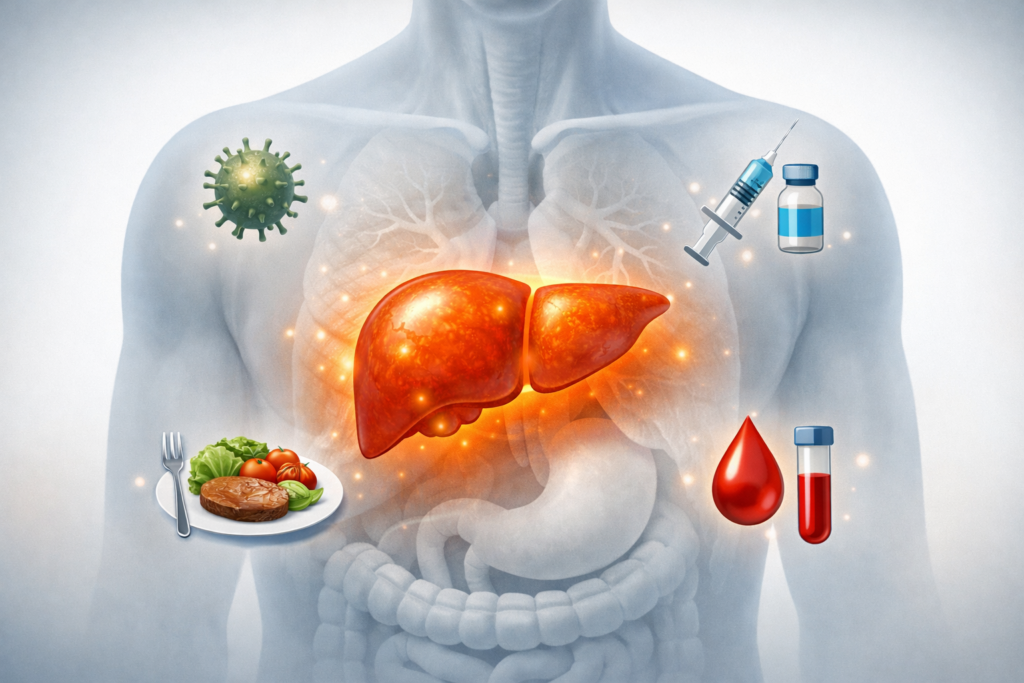
At its core, hepatitis just means inflammation of the liver. Your liver is a workhorse organ that filters toxins, produces essential proteins like albumin, processes amino acids, and stores energy. When a hepatitis virus attacks it, the inflammation can range from a minor inconvenience to a life-threatening condition. The three main culprits—hepatitis A, B, and C viruses—are completely different organisms that just happen to target the same organ.

Hepatitis A: The Food and Water Troublemaker

Hepatitis A is often called “traveler’s hepatitis” because it spreads through food and water that are contaminated with fecal matter. Think of it as the virus you might pick up from eating unwashed produce, drinking contaminated water, or consuming raw shellfish from polluted waters. Other risk factors include unprotected sex and IV drug use.  According to the CDC, there were an estimated 3,300 acute infections in 2023 in the United States.

The good news about hepatitis A is that it typically heals itself within 2 months. When symptoms appear—which take about 15 to 50 days after infection—they can include jaundice (that yellowing of the skin and eyes), fever, fatigue, nausea, and dark urine. Many young children don’t show any symptoms at all. The virus doesn’t become chronic, and once you’ve had it, your body produces antibodies that protect you for life.

Prevention is straightforward: there’s a safe and effective vaccine, and basic hygiene goes a long way. Wash your hands thoroughly, especially after using the bathroom and before preparing food. When traveling to areas with questionable water quality, stick to bottled or boiled water and avoid washing raw food in local water.

Treatment is mostly supportive—rest, fluids, and time. Your liver does the healing work itself.

Hepatitis B: The Blood and Body Fluid Virus

Hepatitis B is where things get more serious. This virus spreads through blood and other body fluids, which means it can be transmitted through sexual contact, sharing needles, or from mother to baby during childbirth. Healthcare workers are especially at risk from needle sticks and sharps injuries. It’s a highly infectious and tough virus that can live on surfaces for up to a week. Even tiny amounts of dried blood on seemingly innocent things like razors, nail clippers, or toothbrushes can potentially spread the infection.

According to the CDC, there were an estimated 14,400 acute infections in 2023, Approximately 640,000 adults were living with chronic hepatitis B during the 2017-2020 period and that’s what makes it particularly concerning: while the hepatitis B virus often causes short-term illness, it can become chronic.

The incubation period is long—typically 90 days with a range of 60 to 150 days. When symptoms do appear, they mirror hepatitis A: jaundice, fatigue, abdominal pain, nausea, and dark urine. But here’s the frightening part: most young children and many adults show no symptoms at all, meaning they can spread the virus without knowing they’re infected.

The chronic infection risk varies dramatically by age. If you’re infected as a newborn, you have a 90% chance of developing chronic hepatitis B. For adults, the risk drops to under 5%. Those with chronic infection face serious long-term consequences—15% to 25% of people with chronic infection develop serious liver disease, including cirrhosis, liver failure, or liver cancer.

Treatment for acute hepatitis B is supportive, but several antiviral medications are available for people with chronic infection. These don’t completely eradicate the disease but produce a “functional cure” that significantly slows liver damage and reduces complications.

Prevention is critical. There’s a highly effective vaccine—we’ll talk more about the controversy surrounding it in a moment.  Avoiding exposure to infected blood and body fluids is essential. This means safe sex practices, never sharing needles or personal care items that might have blood on them, and ensuring proper sterilization of medical and tattooing equipment.

Hepatitis C: The Silent Epidemic

Hepatitis C is transmitted primarily through blood-to-blood contact. The most common route is sharing needles among people who inject drugs, though it can also spread through contaminated medical equipment, and rarely through sexual contact. Mother-to-child transmission during childbirth is possible but uncommon.  Screening of blood products has made transfusion related infections rare.  About 10% of cases have no identified source.

What makes hepatitis C insidious is its stealthy nature. Many people with hepatitis C don’t have symptoms, and acute hepatitis with jaundice is rare, occurring in only about 10% of infections. The symptoms that do appear—fatigue, mild flu-like feelings—are easily dismissed. Meanwhile, the majority of people (60-70%) develop chronic infection.  I recommend a screening blood test at least once for all adults over age 55, as they are the group most likely to have hepatitis C without an identifiable source.

The incubation period ranges widely, from 2 weeks to 6 months, typically 6 to 9 weeks. Without treatment, chronic hepatitis C can lead to cirrhosis and liver cancer over decades. Before modern treatments, it was a leading cause of liver transplants.

Treatment for hepatitis C has undergone a revolution. The old approach—interferon injections combined with ribavirin—had terrible side effects and worked in only about half of patients. Today, we have direct-acting antivirals (DAAs), which can cure more than 95% of cases with just 8-12 weeks of well-tolerated oral medication. These drugs target specific proteins the virus needs to replicate, essentially starving it out of existence. The treatment is so effective that hepatitis C is now considered a curable disease.

Prevention focuses on avoiding blood-to-blood contact. Never share needles, syringes, or any drug equipment. If you’re getting a tattoo or piercing, ensure the facility follows proper sterilization procedures. Healthcare workers should follow standard precautions with blood and body fluids. Unfortunately, there’s no vaccine for hepatitis C yet, though researchers continue working on one.

The Hepatitis B Vaccine Controversy: What’s Really Happening

Now let’s address the elephant in the room—the recent controversy over the hepatitis B vaccine for newborns. This topic exploded in the news in December 2025, and it’s worth understanding what’s currently going on versus what the science says.

The Recent Development

On December 5, 2025, the CDC’s Advisory Committee on Immunization Practices (ACIP) voted 8-3 to recommend hepatitis B vaccination at birth only for infants born to mothers who test positive for the virus or whose status is unknown. This reverses decades of policy that recommended universal hepatitis B vaccination for all newborns within 24 hours of birth.

The Arguments For Changing the Policy

Some ACIP members raised concerns about vaccine safety and parental hesitancy. Committee member Retsef Levi heralded the move as “a fundamental change in the approach to this vaccine,” which would encourage parents to “carefully think about whether they want to take the risk of giving another vaccine to their child”. The controversy includes historical concerns about possible links between the hepatitis B vaccine and conditions like multiple sclerosis, autism, and other autoimmune disorders.

What Science Actually Shows

The evidence on vaccine safety is quite robust.  Concerns about multiple sclerosis emerged in France in the 1990s. Since then, a large body of scientific evidence shows that hepatitis B vaccination does not cause or worsen MS. The World Health Organization’s Global Advisory Committee on Vaccine Safety has concluded there is no association between the hepatitis B vaccine and MS.  It is one of the safest vaccines studied.

As for other safety concerns, CDC reviewed VAERS reports from 2005-2015 and found no new or unexpected safety concerns. The most common side effects are minor: soreness at the injection site, headache, and fatigue lasting 1-2 days.

Why the Universal Birth Dose Matters

The scientific and medical communities have strongly opposed this policy change. The American Academy of Pediatrics states that from 2011-2019, rates of reported acute hepatitis B remained low among children and adolescents, likely explained in part by the implementation of childhood hepatitis B vaccine recommendations published in 1991.

Here’s why newborns are so vulnerable: infected infants have a 90% chance of developing chronic hepatitis B, and a quarter of those will die prematurely from liver disease when they become adults.

The “just target high-risk babies” approach has a major flaw: the CDC estimates about 640,000 adults have chronic hepatitis B, but about half don’t know they’re infected. Before universal vaccination, about half of infected children under 10 got it from their mothers—the rest contracted it through other exposures not identified by maternal screening.

The Global Context

Claims that the U.S. is an outlier don’t hold up. As of September 2025, 116 of 194 WHO member states recommend universal hepatitis B birth dose vaccination.  European countries that do not recommend a universal birth dose have a much lower hepatitis B incidence rate and more robust antenatal maternal screening.  The majority still recommend vaccination at two to three months.

The Bottom Line

All three types of hepatitis pose serious health risks, but we have powerful tools to prevent and treat them. Hepatitis A and B have safe, effective vaccines that have dramatically reduced disease rates. Hepatitis C, while lacking a vaccine, is now curable with modern antiviral medications.

The hepatitis B vaccine controversy highlights a broader tension in public health: balancing individual autonomy with community protection. The scientific evidence strongly supports the vaccine’s safety and the effectiveness of universal newborn vaccination in preventing a disease that can be fatal. Multiple studies, decades of safety data, and recommendations from medical organizations worldwide back this up.

For parents making decisions about their newborns, the facts are these: hepatitis B is a serious disease with a high risk of becoming chronic in infants, the vaccine is highly effective at preventing infection, and extensive safety monitoring has found it to be safe with only minor, temporary side effects. As hepatitis research continues, we’re seeing remarkable progress—from the near-eradication of hepatitis A in vaccinated populations to the transformation of hepatitis C from a chronic, often fatal disease to a curable one. These advances remind us how far we’ve come in understanding and combating these liver viruses.

Sources

Understanding Dementia: A Journey Through Memory Loss

When someone tells you they’re having trouble remembering where they put their keys, that’s probably just normal aging. But when they forget what keys are for altogether, that’s when doctors start thinking about dementia. It’s a distinction that matters deeply to millions of families navigating one of medicine’s most challenging conditions.

While reviewing some of my previous articles, I realized that while I have discussed conditions that mimic dementia, I haven’t discussed dementia itself.  This discussion has quite a bit of technical jargon, but it’s unavoidable.

Dementia isn’t a specific disease—it’s an umbrella term describing a decline in mental ability that interferes with daily life. Think of it like how “cancer” describes many different diseases. About 50 percent of people age 85 and older have some form of dementia, making it one of the most pressing health challenges of our aging population.

The Major Players: Types of Dementia

Alzheimer’s Disease stands as the heavyweight champion of dementia causes, accounting for an estimated 50 to 70 percent of all cases. What’s happening in the brain is both complicated and tragic. Beta-amyloid and phosphorylated tau proteins accumulate and spread through distributed neural networks in the brain, causing progressive metabolic abnormalities, neuronal injury, and cellular death all of which disrupt functional connectivity. The hallmark symptoms include problems with short-term memory: paying bills, preparing meals, remembering appointments, or getting lost in familiar areas. Your grandmother might remember vivid details from her childhood but can’t recall what she ate for breakfast or even recognize you.

Vascular Dementia comes in second place, accounting for about 5 to 15 percent of cases. Typical symptoms include slowed thinking, trouble with organization, difficulty planning or following instructions, and in the later phases, gait problems and urinary difficulties.  It results from strokes or other problems with blood flow to the brain.  On occasion it may be the result of a series of subclinical strokes with the victim being unaware of the individual events.  Symptoms gradually become worse as blood vessels get damaged. Imagine the brain like a city—when the roads get blocked, supplies can’t get through, and neighborhoods start to fail.

Lewy Body Dementia Involves the deposit of abnormal alpha-synuclein proteins called Lewy bodies.  It presents a particularly unsettling picture. Many people with this type of dementia experience daytime sleepiness, confusion, fluctuating cognition, staring spells, sleep disturbances, visual hallucinations, or movement problems. The visual hallucinations are generally vivid images of people or animals and often occur when someone is about to fall asleep or wake up.

Frontotemporal Dementia often hits younger people. It is caused by abnormalities in the proteins FUS and TDP-43. Most cases are diagnosed in people aged 45 to 65. Rather than starting with memory loss, early symptoms may include personality changes like reduced sensitivity to others’ feelings, lack of social awareness, making inappropriate jokes, language problems, obsessive behavior, or sudden outbursts of anger. It’s heartbreaking when someone’s personality fundamentally changes before your eyes.

LATE is a newly recognized form of dementia (Limbic-predominant Age-related TDP-43 Encephalopathy), which causes symptoms similar to Alzheimer’s but has different underlying causes involving abnormal clusters of TDP-43 protein. Research suggests that almost 40 percent of people whose age at death was 88 years or greater may have had LATE of varying degrees.

Less Common Forms:  Parkinson’s disease dementia (movement disorder first, dementia later).Normal Pressure Hydrocephalus (NPH)—one of the few reversible types.  Chronic traumatic encephalopathy (CTE)—linked to repeated head injuries.HIV-associated dementia—less common with modern treatmentSevere vitamin deficiencies (e.g., B1 or B12)—reversible if caught early.

Figuring Out What’s Wrong: The Diagnostic Process

Making a dementia diagnosis isn’t like getting a strep test or an Xray—there’s no single definitive test. Physicians use diagnostic tools combined with medical history and other information, including neurological exams, cognitive and functional assessments, brain imaging like MRI or CT, and cerebrospinal fluid or blood tests.

The process starts with your doctor asking detailed questions about your symptoms and medical history. Typical questions include asking about whether dementia runs in the family, how and when symptoms began, changes in behavior and personality, and if the person is taking certain medications that might cause or worsen symptoms.  There are various cognitive tests—like the infamous clock face drawing—that physicians can use to assess the likelihood of dementia.

Brain imaging can play a crucial role for some patients. Structural imaging with MRI or CT is primarily used to rule out other conditions that may cause symptoms similar to dementia but that require different treatment.  They can reveal tumors, evidence of strokes, damage from head trauma, or fluid buildup in the brain. Common MRI findings include brain atrophy, particularly shrinkage of the hippocampus which supports learning and memory and the cortex which supports perception, thought and voluntary action.  Other findings may include white matter changes that affect communication between brain regions.  Lesions from small strokes may be identified.

More sophisticated imaging like PET scans can detect specific proteins associated with Alzheimer’s. Recent advances in molecular imaging allow for visualization of amyloid and tau deposits in a living human brain, bringing us closer to an in vivo (while alive) definitive diagnosis.  This is significant because historically Alzheimer’s could only be definitively diagnosed at autopsy.

Treatment Options: Managing the Unmanageable

Here’s where I need to be honest: there’s no cure for dementia. But that doesn’t mean we’re helpless. Several medications can help manage symptoms and potentially slow progression.

For Alzheimer’s specifically, the FDA has approved two categories of drugs. These include drugs that change disease progression in people living with early Alzheimer’s disease, and drugs that may temporarily mitigate some symptoms. The newer disease-modifying drugs include donanemab and lecanemab.  They are anti-amyloid antibody intravenous infusion therapies that have demonstrated that removing beta-amyloid from the brain reduces cognitive and functional decline in people living with early Alzheimer’s.

More traditional treatments focus on symptom management. Medications such as galantamine, rivastigmine, and donepezil improve communication between nerve cells. Cholinesterase inhibitors work by preventing the breakdown of acetylcholine, a neurotransmitter, which may stabilize dementia symptoms.

Beyond medications, lifestyle modifications matter. Lifestyle changes including eating a balanced diet full of fruits and vegetables may help slow progression. Maintaining a routine to avoid confusion, including regular exercise and sleep, all help keep people with dementia as functional as possible for as long as possible.  Staying mentally active and socially connected can help slow the onset and progression of dementia.

What to Expect: The Prognosis

This is the hardest part to talk about.  The life expectancy of dementia patients varies enormously. Most people older than 65 with Alzheimer’s die within four to eight years of being diagnosed, but some people live for decades, especially if they were diagnosed before turning 65.

Life expectancy depends on a huge range of factors including the type of dementia diagnosed, overall health, and the age of diagnosis. Vascular dementia typically has a shorter life expectancy than Alzheimer’s disease due to underlying cardiovascular problems.

Progression happens in stages. Early symptoms include finding it hard to carry out familiar daily tasks, struggling to follow conversations or find the right word, and getting confused with familiar places. Signs of late-stage dementia include speaking in single words or repeated phrases that don’t make sense, not being able to understand what people are saying, or following things that are happening around them.

Those living with advanced dementia are especially prone to infection, constipation, skin ulcers and blood clots, which can put their life in danger if treatment is delayed.  Dehydration and malnutrition are serious risks for those without a strong support network as they often forget to eat or drink.  They are also more likely to be injured in falls and other accidents.

Ultimately, as you lose more brain function, activities vital to life begin to be affected, including breathing, swallowing, digestion, heart rate and sleep. Most people don’t die directly from dementia but from complications like pneumonia or falls.

A Note on Hope

Reading about dementia can feel depressing, but there’s reason for cautious optimism. While individual prognosis varies significantly and can’t be predicted with precision, early detection of symptoms and an early diagnosis can help with planning ahead to manage the disease.  Scientists continue researching new treatments, particularly regarding new biomarkers and disease modifying drugs.  Life expectancy estimates are improving all the time as many people are diagnosed earlier and receive better treatment and care. 

________________________________________________________________________

Sources

  1. National Institute on Aging – What Is Dementia? Symptoms, Types, and Diagnosis https://www.nia.nih.gov/health/alzheimers-and-dementia/what-dementia-symptoms-types-and-diagnosis
  2. NHS – Symptoms of Dementia https://www.nhs.uk/conditions/dementia/symptoms-and-diagnosis/symptoms/
  3. Cleveland Clinic – Dementia: What It Is, Causes, Symptoms, Treatment & Types https://my.clevelandclinic.org/health/diseases/9170-dementia
  4. CDC – About Dementia https://www.cdc.gov/alzheimers-dementia/about/index.html
  5. Cleveland Clinic – Alzheimer’s Disease: Symptoms & Treatment https://my.clevelandclinic.org/health/diseases/9164-alzheimers-disease
  6. Wikipedia – Dementia https://en.wikipedia.org/wiki/Dementia
  7. Practical Neurology – Brain Imaging in Differential Diagnosis of Dementia https://practicalneurology.com/diseases-diagnoses/imaging-testing/brain-imaging-in-differential-diagnosis-of-dementia/31533/
  8. Healthgrades – Vascular Dementia Life Expectancy: Statistics and Disease Progression https://resources.healthgrades.com/right-care/dementia/vascular-dementia-prognosis-and-life-expectancy
  9. Healthgrades – Dementia Life Expectancy: Stages and Progression https://resources.healthgrades.com/right-care/dementia/dementia-prognosis-and-life-expectancy
  10. Elder – Dementia and Life Expectancy: Planning for the Future https://www.elder.org/dementia-care/dementia-life-expectancy/
  11. Medical News Today – Dementia Life Expectancy: Duration and Stages https://www.medicalnewstoday.com/articles/how-long-does-dementia-last
  12. Alzheimer’s Association – Medications for Memory, Cognition & Dementia-Related Behaviors https://www.alz.org/alzheimers-dementia/treatments/medications-for-memory
  13. Alzheimer’s Association – Medical Tests for Diagnosing Alzheimer’s & Dementia https://www.alz.org/alzheimers-dementia/diagnosis/medical_tests
  14. DRI Health Group – Can MRI Diagnose Dementia? https://drihealthgroup.com/health-tips/can-mri-diagnose-dementia

Understanding Parkinson’s Disease: From Diagnosis to Daily Living

When most people think of Parkinson’s disease, they picture the characteristic tremor—that involuntary shaking that has become almost synonymous with the condition. But the reality is far more complex than just one visible symptom. Let’s dig into what’s actually happening in the brain, how doctors figure out what’s going on, and what living with this condition really looks like.

What Causes Parkinson’s Disease?

Here’s where things get frustrating for researchers: despite decades of study, scientists still don’t know exactly what causes the nerve cells in the brain to die. I’m going to apologize in advance because I’m going to be using a lot of “doctor talk”—no way around it. 

What we do know is that nerve cells (neurons) in the substantia nigra portion of the basal ganglia—an area of the brain controlling movement—become impaired or die, and these neurons normally produce dopamine, an important brain chemical. When these cells stop working properly, dopamine levels drop, and that’s when movement problems begin showing up.

But dopamine isn’t the whole story. People with Parkinson’s also lose nerve endings that produce norepinephrine, the main chemical messenger of the sympathetic nervous system, which helps explain why the disease affects so much more than just movement—things like blood pressure, digestion, and energy levels all take a hit.

Most Parkinson’s cases are idiopathic, meaning the cause is unknown, though contributing factors have been identified. Current thinking suggests a complicated mix of genetic and environmental factors. About 5% to 10% of cases begin before age 50, and these early-onset forms are often, though not always, inherited.

Some risk factors have emerged from research: age is the most significant, with about 1% of those over 65 and around 4.3% of those over 85 affected. Traumatic brain injury significantly increases risk, especially if recent, and repeated head injuries from contact sports can cause what’s called post-traumatic parkinsonism.  Muhammad Ali is a classic example of this.

Exposure to pesticides and industrial chemicals has also been identified as a risk factor.  Interestingly, large epidemiologic studies consistently show that people who smoke have a lower risk of being diagnosed with Parkinson’s disease than never‑smokers, although smoking is still strongly discouraged because of its many harmful health risks.  Large cohort studies in the U.S. and Europe generally find no direct association between alcohol consumption and Parkinson’s disease. A few observational studies show that moderate drinkers have slightly lower Parkinson’s rates. However, researchers believe this may be due to reverse causation (people in early or undiagnosed stages often reduce drinking because of GI or mood changes) and lifestyle confounders (moderate drinkers may differ in socioeconomic status, diet, or activity level).  So, the “protective” effect is considered speculative, not causal.  

The Symptoms: More Than Just Shaking

The hallmark movement symptoms—what doctors call “motor symptoms”—are what usually bring people to the doctor. Slowed movements, called bradykinesia, is required for a Parkinson’s diagnosis. People describe it as muscle weakness, though it’s really about control, not strength. The classic tremor, stiffness, and balance problems round out the main movement issues.  Patients frequently show reduced arm swing, shuffling gait, difficulty initiating movement or turning, masked facial expression, decreased blinking, and soft or monotone speech.

But here’s what often surprises people: many individuals later diagnosed with Parkinson’s notice that prior to experiencing stiffness and tremor, they had sleep problems, constipation, loss of smell, and restless legs. These “prodromal symptoms” can show up years before the movement problems become obvious. Other early signs include mood disorders like anxiety and depression.

The cognitive side deserves attention too. Some people experience changes in cognitive function, including problems with memory, attention, and the ability to plan and accomplish tasks, though hard to pin down due to concurrence with age related memory problems, 20% at the time of diagnosis is a commonly cited number.  More contested is how many develop Parkinson’s dementia, with estimates ranging from 20% all the way to 85%.

How Doctors Make the Diagnosis

Here’s something that might surprise you: there are currently no blood or laboratory tests to diagnose non-genetic cases of Parkinson’s. The standard diagnosis is clinical, meaning there’s no test that can give a conclusive result—certain physical symptoms need to be present.

Doctors typically diagnose Parkinson’s by taking a detailed medical history and performing a neurological examination. If symptoms improve after starting medication, that’s another indicator that the person has Parkinson’s.

There are some imaging tools available. The FDA approved an imaging scan called the DaTscan in 2011, which allows doctors to see detailed pictures of the brain’s dopamine system using a radioactive drug and SPECT scanner. But this scan can’t definitively diagnose Parkinson’s though it helps rule out conditions that mimic it.  A hallmark of Parkinson’s is the buildup of misfolded alpha-synuclein proteins (Lewy bodies) inside neurons. Whether this is a cause, an effect, or both is still under study—this part of the science remains somewhat speculative.

Recently, researchers developed something more promising: the alpha-synuclein seeding amplification assay can detect abnormal alpha-synuclein in spinal fluid and may detect Parkinson’s in people who haven’t been diagnosed yet. The catch? It requires a spinal tap and isn’t widely available, though scientists are working on blood and saliva tests.

The early diagnostic challenge is real. Many disorders can cause similar symptoms, and people with Parkinson’s-like symptoms from other causes are sometimes said to have parkinsonism, which includes conditions like multiple system atrophy and Lewy body dementia that require different treatments.

What to Expect: The Prognosis

Let’s address the big question: how does Parkinson’s affect life expectancy? The news here is better than you might think. The average life expectancy of a person with Parkinson’s is generally the same as for someone without the disease.

More specifically, average life expectancy has increased by about 55% since 1967, rising to more than 14.5 years from diagnosis. Modern treatments have made a huge difference. Research indicates that those with Parkinson’s and normal cognitive function appear to have a largely normal life expectancy.

That said, timing matters. Research from 2020 suggests that people who receive a diagnosis before age 70 usually experience a greater reduction in life expectancy, and males with Parkinson’s may have a greater reduction in life expectancy than females.

The disease is progressive, meaning it gets worse over time, but symptoms and progression vary from person to person, and neither you nor your doctor can predict which symptoms you’ll get, when, or how severe they’ll be. The tremor-dominant type usually has a more favorable prognosis than the hypokinetic type.

What actually causes death in advanced Parkinson’s? Advanced symptoms can cause falls, pressure ulcers, swallowing difficulties and general frailty, all of which are linked to death. Aspiration pneumonia—when you inhale food or liquid into the lungs—is the leading cause of death for people with Parkinson’s.

Managing the Disease

Currently, there’s no cure for Parkinson’s, but medications or surgery can improve many of the movement symptoms.

The gold standard medication is levodopa (often combined with carbidopa as Sinemet). Healthcare providers use levodopa cautiously and they commonly combine it with other medications to keep your body from processing it before it enters your brain.  This helps avoid side effects like nausea, vomiting, and low blood pressure when standing up. The tricky part? Over time, the way your body uses levodopa changes, and it can lose effectiveness.

Beyond levodopa, doctors use MAO-B inhibitors and dopamine agonists. As the disease progresses, these medications become less effective and may cause involuntary muscle movements. When drugs stop working well, there are surgical options to treat severe motor symptoms.

The main surgical treatment today is called deep brain stimulation (DBS).  It is the most important therapeutic advancement since the development of levodopa, and it’s been FDA-approved since the late 1990s A surgeon places thin metal wires called electrodes into one or both sides of the brain, in specific areas that control movement. A second procedure implants an impulse generator battery under the collarbone or in the abdomen. It is similar to a heart pacemaker and about the size of a stopwatch, this device delivers electrical stimulation to those targeted brain areas.

A new treatment that is being used is focused ultrasound. Guided by MRI, high-intensity, inaudible sound waves are emitted into the brain, and where these waves cross, they create high energy that destroys a very specific area connected to tremor. It’s considered non-invasive and the FDA has approved it for Parkinson’s tremor that doesn’t respond to medications.

Don’t underestimate lifestyle interventions either. Physical therapy can improve balance and address muscle stiffness, and regular exercise improves strength, flexibility, and balance. Eating a balanced diet helps—drinking plenty of water and eating enough fiber reduces constipation, while omega-3 fats and magnesium may boost cognition and help with anxiety.

Parkinson’s disease sits at the intersection of aging, genetics, environment, and biology. Diagnosis is clinical, progression is gradual and variable, and treatment has become increasingly sophisticated. While it remains incurable, early diagnosis, personalized medication plans, targeted therapies like DBS, and consistent exercise allow many people to maintain meaningful independence for years.

The key message from specialists? Treatment makes a major difference in keeping symptoms from having worse effects, and adjustments to medications and dosages can hugely impact how Parkinson’s affects your life.

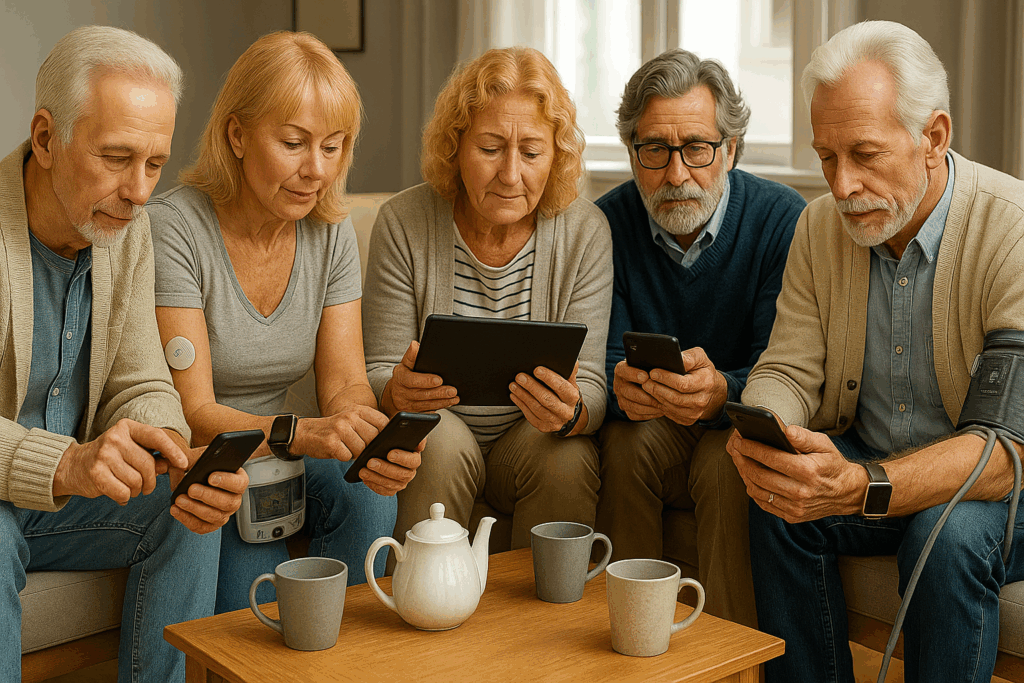
Smartphones, Smartwatches & Wearables for Seniors

A Simple Guide to What Helps—and What’s Just Noise

If you’re over 60 and trying to figure out whether a smartphone, smartwatch, or wearable can genuinely make life healthier—or you’re helping a spouse or parent decide—you’re not alone. A lot of people feel overwhelmed by all the features, apps, alerts, and promises.

The good news: some of this tech actually helps. It won’t replace your doctor, but it can flag early problems, keep you safer at home, and make it easier for your family or care team to stay in the loop. The trick is knowing what’s useful and what’s just hype.

Let’s walk through it in plain English.


Why This Stuff Matters Now

Ten years ago, the idea that a watch could detect a fall or an irregular heartbeat felt like science fiction. Today, it’s routine. About a third of adults over 50 now use smartwatches or other wearables—and the number keeps rising.

For many older adults, these devices have quietly become part of the “safety net” that helps them stay independent.


How Smartphones Actually Help Your Health

1. Keeping Medications on Track

If you’ve ever forgotten a pill—or doubled a dose—you’re in good company. Medication mix-ups are incredibly common.

Apps like:

  • Medisafe – shows pill images, keeps a schedule, and even sends caregiver alerts.
  • Apple’s Medications app – built right into iPhones and Apple Watches.
  • CareClinic – tracks meds, moods, blood pressure, and symptoms in one place.

Studies from the National Library of Medicine show people using reminder apps stick to their meds far better than those who don’t.

2. Telemedicine That Actually Works

Telehealth isn’t a pandemic fad anymore—it’s now a standard part of care. Apps like Walmart Health Virtual Care or Heal let you talk to a clinician on video, sometimes even with Medicare coverage. Many can pull in data from wearables so your doctor gets a bigger picture than just your office visit.

3. Everyday Tools for Wellness

Your phone can track blood pressure, sleep, relaxation, and even your medical records.

  • Qardio for blood pressure and weight
  • Insight Timer for stress and sleep
  • My Medical for storing labs and appointment notes

Simple but surprisingly useful.


Smartwatches: What They Really Do Well

Modern smartwatches are basically mini health monitors. Not perfect—but often helpful.

The genuinely useful features

  • Irregular heartbeat detection (A-fib alerts). Apple’s A-fib notification is FDA-cleared and backed by a huge 419,000-person study.
  • Fall detection. If you take a hard fall and don’t respond, the watch can call 911.
  • Walking steadiness alerts. Your phone can notice changes in your balance.
  • Sleep tracking. Good for patterns—not a medical diagnosis.
  • Blood oxygen trends. Not perfect, but another piece of data.

Devices seniors tend to like

  • Apple Watch Series 9 / Ultra 2
  • Samsung Galaxy Watch7
  • Medical alert watches (like Medical Guardian or Bay Alarm), which keep things simple and focus on emergency features.

Continuous Glucose Monitors (CGM): A Game Changer

If you or a loved one has diabetes, CGMs may be the single most meaningful wearable health tool available.

They sit on your arm or abdomen and send glucose numbers to your phone every few minutes. No more finger sticks. No guessing. No surprises.

Why seniors like them

  • Far fewer finger pricks
  • Alerts for highs or lows (can literally prevent emergencies)
  • Better long-term glucose control
  • Optional caregiver alerts

Top CGM options

  • Dexcom G7 – Medicare-covered for many users
  • FreeStyle Libre 3 – small, simple, affordable
  • Medtronic Guardian Connect – syncs with insulin pumps

In 2023, Medicare expanded coverage, so more seniors now qualify.

Speculation: non-invasive glucose sensors (no needles at all) are being tested, but none are FDA-approved yet. Expect progress in the next few years.


Other Wearables That Actually Help

Not everything is a watch:

  • KardiaMobile 6L – a pocket-sized, FDA-approved ECG in 30 seconds
  • Tango Belt – a wearable “airbag” that inflates during a fall
  • Hero Health – a smart pill dispenser that takes the guesswork out of meds

These tend to be more practical than trendy.


How to Choose: Start with Your Goal

Instead of shopping features, pick the problem you’re trying to solve:

  • Worried about falls? Get a watch with fall detection.
  • Blood pressure issues? Pair your phone with a good upper-arm cuff.
  • Managing diabetes? Ask your doctor about CGM eligibility.
  • Heart rhythm concerns? Add a handheld ECG like Kardia.

And make sure the device is easy to share with family or clinicians. Apple’s Health Sharing is especially simple.


Remote Patient Monitoring (RPM)

This is where your doctor gets readings from your home devices automatically. Medicare even pays for it. It can catch early issues—like rising blood pressure—before they turn into bigger problems.

Just be aware not every clinic uses it yet.


Privacy: A Quick Reality Check

Most people assume health apps follow HIPAA. Many don’t.

  • HIPAA covers your doctor—not your app.
  • The FTC now requires some health apps to notify you of breaches.
  • Always review privacy policies to see who gets your data.  Not fun, but necessary.

What Wearables Don’t Do Well

Here’s where things get messy:

  • Heart rate sensors can misread darker skin tones, tattoos, or movement.
  • SpO₂ readings can vary widely—enough that the FDA has issued warnings.
  • Sleep trackers estimate, they don’t diagnose.
  • Step counts vary by 10–30% depending on brand.

Think of wearables as “trends over time,” not medical tests.


Downsides to Keep in Mind

A few honest drawbacks:

  • Daily or near-daily charging
  • Subscription fees that creep up
  • Too many alerts (which most people eventually shut off)
  • Physical challenges like tiny text, small buttons, stiff bands
  • Data that doesn’t always sync with your doctor’s record
  • False reassurance (“My watch didn’t alert, so I’m fine”)

None of these are dealbreakers—but they’re worth knowing.


Where This Is All Going

Wearable tech will keep getting smaller and more accurate: rings, adhesive patches, even hearing aids that monitor your vitals.

Prediction (speculation): Within a few years, AI will connect your meds, sleep, glucose, heart data, and activity into simple daily guidance you can actually use. It’s not quite here yet, but it’s coming.


The Bottom Line

Smartphones and wearables can genuinely improve health and independence—but only if you choose based on your real needs. You don’t need every bell and whistle.

Start small.
Pick one goal.
Choose one device that helps with that goal.

Sometimes a simple fall-detection watch or a glucose sensor does far more good than the fanciest new feature. Used wisely, these tools give seniors—and their families—more safety, more independence, and more peace of mind.

Home Safety Checklist for Senior Citizens

Creating a safe home environment becomes increasingly important as we age. Here’s a comprehensive checklist organized by key areas to help seniors and their families identify potential hazards and make practical improvements.

Fall Prevention (General)

Falls are the leading cause of injury among older adults, accounting for over 3 million emergency department visits annually. Here’s what to address:

  • Remove or secure loose rugs and runners throughout the home
  • Eliminate clutter from walkways and stairs
  • Ensure all stairways have sturdy handrails on both sides
  • Improve lighting in all areas, especially hallways and stairways
  • Keep frequently used items within easy reach to avoid overreaching
  • Repair loose floorboards or uneven flooring
  • Use non-slip mats under area rugs
  • Arrange furniture to create clear walking paths
  • Keep electrical and phone cords away from walking areas
  • Use chairs with arms for easier standing
  • Wear sturdy, non-slip footwear indoors

Bathroom Safety

The bathroom presents unique challenges due to wet surfaces and the need to transition between sitting and standing positions.

  • Install grab bars near the toilet and inside the shower or tub
  • Ensure grab bars are mounted directly into wall studs not drywall anchors
  • Use suction cup bars only for balance—they will not support your weight
  • Use a non-slip bath mat both inside and outside the tub or shower
  • Consider a shower chair or tub transfer bench for bathing
  • Install a raised toilet seat if needed
  • Ensure the bathroom has bright, even lighting
  • Keep a nightlight on for nighttime bathroom visits
  • Store toiletries within easy reach to avoid stretching
  • Set water heater to 120°F or below to prevent scalding
  • Consider replacing traditional tub with a walk-in shower

Kitchen Safety

The kitchen involves both fall risks and burn hazards that need attention.

  • Store heavy items at waist level to avoid bending or reaching
  • Use a sturdy step stool with handrails if reaching is necessary—never use chairs
  • Keep a fire extinguisher accessible and ensure it’s up to date
  • Wear short or close-fitting sleeves while cooking
  • Turn pot handles inward to prevent knocking them over
  • Clean up spills immediately to prevent slips
  • Ensure adequate lighting over work areas
  • Mark “on” and “off” positions clearly on appliance controls
  • Consider replacing gas stoves with electric if memory issues are present

Bedroom Safety

Since we spend significant time in the bedroom, it should be optimized for safe movement, especially at night.

  • Position the bed at an appropriate height for easy getting in and out
  • Keep a lamp or light switch within reach of the bed
  • Install nightlights along the path from bedroom to bathroom
  • Keep a phone or medical alert device within reach
  • Ensure smoke and carbon monoxide detectors are installed and functional
  • Avoid placing electrical cords near the bed where they could cause tripping
  • Use a firm mattress that provides adequate support
  • Keep a flashlight on the nightstand in case of power outages
  • Position cane or walker within easy reach if needed

Lighting Throughout the Home

Poor lighting significantly increases fall risk, yet it’s one of the easiest issues to address.

  • Increase wattage in existing fixtures (within safe limits)
  • Add lighting to dark hallways, stairways, and entrances
  • Install motion-sensor lights for convenience
  • Use nightlights in bathrooms, hallways, and bedrooms
  • Ensure light switches are accessible at room entrances
  • Replace burnt-out bulbs promptly
  • Consider adding illuminated light switches
  • Ensure outdoor entrances are well-lit

Stairway Safety

Stairs are high-risk areas that deserve special attention and modifications.

  • Ensure handrails extend the full length of stairs
  • Mark the edge of each step with bright, contrasting tape if not carpeted
  • Repair any loose steps or carpeting immediately
  • Ensure adequate lighting with switches at both top and bottom
  • Avoid storing items on stairs
  • Consider installing a stair lift if mobility is significantly impaired
  • Keep exterior stairs clear of ice and snow in winter

Fire and Emergency Safety

Quick response to emergencies can be lifesaving, so preparation is essential.

  • Install smoke detectors on every level and in each bedroom
  • Test smoke and carbon monoxide detectors monthly
  • Replace detector batteries at least annually
  • Keep fire extinguishers accessible in kitchen and garage
  • Create and practice an emergency exit plan
  • Post emergency numbers near all phones
  • Ensure house numbers are visible from the street for emergency responders
  • Consider a medical alert system, especially for those living alone
  • Keep a phone accessible at all times

Medication Safety

Medication management becomes more complex with age, and organization is key.

  • Use a pill organizer to track daily medications
  • Keep medications in original containers with clear labels
  • Store medications in a cool, dry place (not the bathroom)
  • Maintain an updated list of all medications and dosages
  • Discard expired medications properly
  • Ensure adequate lighting in areas where medications are taken
  • Set reminders for medication times
  • Consider a medication app for your smart phone
  • Keep a medication list in your wallet for emergencies

Technology and Communication

Staying connected improves both safety and quality of life.

  • Keep a charged cell phone accessible at all times
  • Consider a medical alert system with fall detection
  • Program emergency contacts into phones
  • Ensure phones have large buttons and clear displays if vision is impaired
  • Keep a list of emergency contacts posted in visible locations
  • Consider smart home devices that can control lights and temperature by voice

Outdoor Safety

The area outside the home also requires attention to prevent falls and injuries.

  • Repair cracked or uneven walkways and driveways
  • Ensure outdoor steps have sturdy handrails
  • Keep walkways clear of leaves, ice, and snow
  • Trim overgrown bushes and trees that obstruct paths
  • Ensure outdoor lighting is adequate for evening and early morning
  • Use non-slip materials on outdoor steps
  • Consider replacing steps with ramps if mobility is significantly limited
  • Place nonslip mats outside entry doors to reduce tracking in moisture or mud

This checklist is based on well-established safety guidelines from organizations like the CDC and National Fire Protection Association. The specific recommendations reflect current best practices in senior home safety. However, individual needs vary significantly based on specific mobility issues, health conditions, and home layouts, so some modifications may be more relevant than others for different situations.

Note: While these recommendations are widely applicable, it’s beneficial to have an occupational therapist or home safety specialist conduct a personalized assessment, as they can identify specific risks based on individual circumstances and home characteristics.

Palpitations Explained: When It’s Normal and When It’s an Emergency

That sudden awareness of your heart beating faster, skipping a beat, or pounding in your chest can be unsettling. You’re experiencing what doctors call palpitations, and while they might feel alarming, they’re actually quite common. Understanding what causes them, when to worry, and how they’re treated can help put your mind at ease.

What Are Heart Palpitations?

Heart palpitations are essentially your heightened awareness of your own heartbeat. Normally, you don’t notice your heart beating throughout the day. When palpitations occur, you suddenly become conscious of this usually automatic process. People describe the sensation in various ways: your heart might feel like it’s racing, pounding, fluttering, flip-flopping, or skipping beats entirely.

You can feel palpitations in different locations too. While most people notice them in their chest, you might also feel them in your throat or neck. Some people even hear their heartbeat, especially when lying in bed at night in a quiet room.

Common Causes of Palpitations

The most frequent trigger for palpitations is anxiety or stress. When you’re worried, scared, or experiencing a panic attack, your body’s fight-or-flight response kicks in, causing your heart to beat faster and harder. But anxiety isn’t the only culprit.

Lifestyle factors play a significant role. Caffeine from coffee, tea, or energy drinks can trigger palpitations, as can alcohol and spicy foods. Many people notice palpitations after eating large, heavy meals rich in carbohydrates or sugar. Smoking and recreational drugs like cocaine or amphetamines are also common triggers.

Hormonal changes during pregnancy, menstruation, or menopause frequently cause palpitations. During pregnancy, your body produces more blood to support your baby, which can make your heart work harder and create noticeable palpitations.

Certain medications, including asthma inhalers, decongestants, thyroid medications, corticosteroids, and some blood pressure drugs, may cause palpitations as a side effect.

Medical conditions can also be responsible. An overactive thyroid gland speeds up your metabolism and heart rate. Low blood sugar, anemia, dehydration, imbalances of potassium or magnesium, and fever can all trigger palpitations.

Arrhythmias are an abnormal rhythm of the heart that can be perceived as palpitations.  Common types include atrial fibrillation (irregular, often rapid heart rate) commonly known as afib, ventricular tachycardia or vtach, (a rapid heart rate that starts in the lower chambers of the heart), and premature ventricular contractions (extra heartbeats) sometimes called PVCs. Some arrhythmias such as PVCs are harmless, while others can increase the risk of stroke, heart failure, or sudden cardiac arrest.

Palpitations can be a sign of more serious heart disease, such as coronary artery disease, cardiomyopathy, or heart valve problems. These often come with other symptoms such as chest pain, dizziness, or shortness of breath.

Recognizing the Symptoms

Beyond the basic awareness of your heartbeat, palpitations can come with additional sensations. You might feel like your heart is beating too fast or too hard. Some people describe a fluttering sensation, like butterflies in their chest. Others feel like their heart is skipping beats or adding extra ones.

The timing and triggers of your palpitations can provide important clues. Some people only notice them at night when lying down, simply because there are fewer distractions. Others experience them after exercise, during stressful situations, or following meals.

Most palpitations are brief, lasting just seconds to a few minutes. However, if they persist for longer periods or occur frequently throughout the day, they warrant medical attention.

How Palpitations Are Diagnosed

When you visit your doctor about palpitations, they’ll start with a detailed   conversation about your symptoms. They’ll ask you to describe exactly what you feel, when the palpitations occur, and what might trigger them. Your medical history, including any heart conditions, medications, and family history of heart problems, is crucial information.

The physical examination includes listening to your heart and lungs with a stethoscope, checking your blood pressure, and looking for signs of other conditions that might cause palpitations, such as an enlarged thyroid gland.

The most important initial test is an electrocardiogram (ECG or EKG), which records your heart’s electrical activity. This painless test can detect irregular heart rhythms if they occur during the recording. However, since palpitations often come and go, you might not experience them during the brief ECG.

For this reason, doctors often recommend longer-term monitoring. A Holter monitor is a portable device you wear for 24 to 48 hours that continuously records your heart rhythm during normal activities. Event monitors can be worn for weeks or months, and you activate them when you feel symptoms.

Blood tests can check for conditions like anemia, thyroid problems, or electrolyte imbalances that might trigger palpitations. An echocardiogram, which uses sound waves to create images of your heart, can reveal structural problems.

Benign vs. Dangerous Palpitations

Here’s the good news: most palpitations are benign and don’t indicate serious heart problems. Research shows that about 16% of people see their primary care doctor for palpitations, but the vast majority have harmless causes.

Benign palpitations typically occur in people with normal heart function and no structural heart disease. They’re often triggered by identifiable factors like stress, caffeine, or hormonal changes. These palpitations usually last only seconds to minutes and resolve on their own.

However, certain warning signs suggest palpitations might indicate a more serious condition. Seek immediate medical attention if palpitations occur with chest pain, severe shortness of breath, dizziness, fainting, or near-fainting episodes. These symptoms could indicate dangerous heart rhythms that affect your heart’s ability to pump blood effectively.

People with existing heart disease, previous heart attacks, or significant risk factors for heart disease should take palpitations more seriously. In these cases, palpitations might signal a dangerous arrhythmia that requires prompt treatment.

The pattern of palpitations can also provide clues. Sustained episodes lasting hours, very frequent daily occurrences, or palpitations that worsen over time are more concerning than occasional brief episodes.

Treatment and Management Options

Treatment for palpitations depends entirely on their underlying cause. When palpitations are benign and caused by lifestyle factors, the focus is on avoiding triggers and making healthy changes.

Stress management is often the most effective intervention. Techniques like deep breathing exercises, meditation, yoga, or regular counseling can significantly reduce stress-related palpitations. Regular exercise, while it might temporarily increase your heart rate, actually helps reduce overall palpitation frequency by improving cardiovascular fitness and stress resilience.

Dietary modifications can be very effective. Reducing or eliminating caffeine, limiting alcohol consumption, and avoiding large heavy meals can prevent many episodes. Staying well-hydrated and maintaining stable blood sugar levels through regular, balanced meals also helps.

For palpitations caused by medical conditions, treating the underlying problem usually resolves the symptom. This might involve thyroid medication for hyperthyroidism, iron supplements for anemia, or adjusting medications that trigger palpitations.

When palpitations are caused by heart rhythm disorders, more specific treatments may be necessary. Medications called beta-blockers can slow heart rate and reduce palpitation frequency. For more serious arrhythmias, doctors might recommend procedures like catheter ablation, which uses targeted energy to correct abnormal electrical pathways in the heart.

Some people benefit from devices like pacemakers (for slow heart rhythms) or implantable cardioverter defibrillators (for dangerous fast rhythms). However, these interventions are reserved for serious heart conditions, not typical benign palpitations.

While most current treatments focus on medications and procedures, emerging technologies like smartphone monitoring and wearable devices may play larger roles in future palpitation management.

When to Seek Help

Most palpitations don’t require emergency care, but certain situations demand immediate attention. Call 911 if palpitations occur with chest pain or pressure, severe shortness of breath, fainting, severe dizziness, if your pulse feels very fast or erratic, or any signs that might indicate a heart attack.

Schedule a regular appointment with your doctor if you experience frequent palpitations, if they’re interfering with your daily activities, or if you have risk factors for heart disease. Even if your palpitations turn out to be benign, getting proper evaluation provides peace of mind and ensures you’re not missing any underlying conditions.

Remember, while palpitations can feel frightening, they’re usually harmless. Recognizing the difference between harmless triggers and signs of more serious conditions and understanding their causes and knowing when to seek help are keys to managing your heart health

One for the Road? How Alcohol Affects Us as We Age

I’ve always enjoyed a cocktail or glass of wine with dinner, but recently I’ve noticed that if I decide to have a second drink it affects me more than it ever has before.  As we age, our relationship with alcohol undergoes significant changes that many people don’t fully understand. What might have been a manageable glass of wine or cocktail with dinner in your thirties can have dramatically different effects in your sixties and beyond. Understanding these changes is crucial for maintaining health and safety as you grow older.

How Aging Changes Alcohol Processing

The human body’s ability to process alcohol diminishes considerably with age, creating a perfect storm of physiological changes that make older adults more vulnerable to alcohol’s effects. These changes begin gradually in middle age and become more pronounced as we enter our senior years.

Decreased Lean Body Mass and Increased Fat: As we age, our bodies naturally lose muscle mass and gain fat tissue. Since alcohol distributes primarily in water-rich lean tissue rather than fat, older adults have less space for alcohol to distribute throughout our bodies. This means the same amount of alcohol that once felt manageable now results in higher blood alcohol concentrations.

Reduced Water Content: Our total body water content decreases significantly with age, dropping from about 60% in young adults to roughly 50% or less in older adults. With less water to dilute alcohol, even modest amounts can lead to higher concentrations in the bloodstream and more pronounced effects.

Slower Metabolism: The liver, our body’s primary alcohol-processing center, becomes less efficient with age. Liver enzymes responsible for breaking down alcohol work more slowly, meaning alcohol stays in the system longer. What once took an hour to metabolize might now take two hours or more, prolonging both the effects and potential for harm.

In sum: Studies now show that chronic and heavy alcohol consumption can actually accelerate the body’s biological aging, making tissues and organs age faster than our calendar years suggest. This effect is especially strong with liquor and binge drinking, both driving up markers of cellular aging more than moderate beer or wine consumption.  A drink that felt “fine” at 40 might lead to wooziness or poor judgment at 70—not because of frailty or weakness, but because of predictable physiological changes.

Physical Effects of Alcohol on the Aging Body

The aging process makes our bodies more susceptible to alcohol’s negative effects across multiple systems. These changes can have serious implications for both immediate safety and long-term health.

Cardiovascular Impact: While moderate alcohol consumption has sometimes been associated with heart benefits in younger adults, aging changes this equation. Older adults are more likely to have existing cardiovascular conditions, and alcohol can exacerbate high blood pressure, irregular heart rhythms, and heart disease. The dehydrating effects of alcohol become more problematic as our bodies become less efficient at maintaining fluid balance.

Brain and Cognitive Effects: The aging brain is particularly vulnerable to alcohol’s effects. Alcohol can worsen age-related cognitive decline and increase the risk of falls due to impaired balance and coordination. Even small amounts can significantly impact reaction time, judgment, and memory in older adults. Regular consumption may accelerate cognitive decline and increase dementia risk.

Bone Health: Alcohol interferes with calcium absorption and bone formation, making older adults more susceptible to osteoporosis and fractures. Since aging already increases fracture risk, alcohol consumption compounds this danger significantly.

Sleep Disruption: While alcohol might initially seem to help with sleep, it actually disrupts sleep quality, particularly in older adults who already face age-related sleep challenges. Poor sleep quality can cascade into numerous other health problems, from weakened immunity to increased fall risk.

Dangerous Drug Interactions

Perhaps the most critical concern for older adults and alcohol consumption is the potential for dangerous interactions with medications. Adults over 65 take an average of four prescription medications, and many of these can have serious interactions with alcohol.

Blood Thinners: Medications like warfarin (Coumadin), apixaban (Eliquis), and even aspirin can have dangerous interactions with alcohol. Alcohol can either increase bleeding risk to dangerous levels or, paradoxically, reduce the medication’s effectiveness, increasing stroke risk.

Diabetes Medications: Alcohol can cause unpredictable blood sugar changes, particularly dangerous for those taking insulin or medications like metformin. The combination can lead to severe hypoglycemia, which can be life-threatening.

Blood Pressure Medications: ACE inhibitors, beta-blockers, and diuretics can all interact with alcohol, potentially causing dangerous drops in blood pressure, dizziness, and increased fall risk.

Pain Medications: The combination of alcohol with opioid pain medications can cause severe respiratory depression with possibly fatal results. Even over-the-counter pain relievers like acetaminophen, when combined with alcohol, can potentially cause liver damage.

Sleep Aids and Anxiety Medications: Benzodiazepines like lorazepam (Ativan) or sleep medications like zolpidem (Ambien) can have amplified sedating effects when combined with alcohol, increasing risk of falls, accidents, and respiratory depression.

Antidepressants: Many older adults take antidepressants, and alcohol can interfere with their effectiveness while increasing side effects like drowsiness and coordination problems.

Key Takeaway: Even small amounts of alcohol can react with medications, increasing accident risk and threatening life. Always consult a healthcare provider about drinking while taking any medication.

Guidelines for Safer Alcohol Consumption

The National Institute on Aging recommends that adults over 65 limit themselves to no more than one drink per day and no more than seven drinks per week, significantly lower than recommendations for younger adults. However, even this guideline may be too liberal for many older adults, particularly those taking medications or with underlying health conditions.

Key Safety Strategies: Always consult with healthcare providers about alcohol consumption and medication interactions. Keep a detailed list of all medications, including over-the-counter drugs and supplements, and review them regularly with doctors and pharmacists. Consider the cumulative effects of multiple medications when making decisions about alcohol consumption.

Timing Matters: If you choose to drink, timing can be crucial. Avoiding alcohol within several hours of taking medications can reduce interaction risks, though some medications require longer intervals.

Recommendations: According to the National Institute on Alcohol Abuse and Alcoholism, adults over 65 should:limit consumption to no more than one standard drink per day;have at least two alcohol-free days per week; avoid alcohol entirely when taking certain medications or managing specific chronic illnesses.  A standard drink is defined as:12 oz of beer (5% alcohol), 5 oz of wine (12% alcohol), or 1.5 oz of distilled spirits (40% alcohol).  Please note that this is smaller than most restaurant or cocktail lounge servings, particularly for distilled spirits that usually average about 3 oz or more per drink.

For some people, the safest level of drinking may be none at all—particularly if falls, liver disease, or cognitive impairment are concerns.

Warning Signs

Alcohol misuse in older adults is often overlooked. Its symptoms can mimic—or be mistaken for—age-related issues like memory loss, depression, or poor balance. Some warning signs include: frequent falls or bruises, unexplained memory lapses or confusion, changes in sleep patterns, neglect of hygiene or nutrition, social withdrawal or irritability, mixing alcohol with medications—intentionally or unintentionally.

Even if alcohol isn’t consumed in large quantities, it can still be harmful if consumed regularly in combination with underlying health conditions or with medications—both prescription and over the counter.

The Bottom Line

Aging fundamentally changes how our bodies process and respond to alcohol, making us more vulnerable to both immediate dangers and long-term health consequences. The combination of physiological changes, increased medication use, and higher baseline health risks means that alcohol consumption strategies that worked in our younger years may no longer be safe or appropriate.

An important step is open communication with healthcare providers about alcohol consumption and its potential interactions with medications and health conditions. For many older adults, reducing alcohol consumption or abstaining entirely becomes the safest choice for maintaining health, independence, and quality of life in their later years. I still enjoy the occasional drink, just not as much or as often as when I was younger—like many things in life.

Resources

The Substance Abuse and Mental Health Services Administration (www.SAMHSA.gov) has a helpline at 1-800-662-HELP (4357).

National Institute on Aging (https://www.nia.nih.gov/health/alcohol-misuse-or-alcohol-use-disorder/facts-about-aging-and-alcohol)

Mayo Clinic (https://www.mayoclinic.org/search/search-results?q=alcohol%20and%20aging).

Centers for Disease Control and Prevention (https://www.cdc.gov/mmwr/preview/mmwrhtml/00001403.htm)

Page 1 of 2

Powered by WordPress & Theme by Anders Norén