Grumpy opinions about everything.

Tag: Senior Health

Home Safety Checklist for Senior Citizens

Creating a safe home environment becomes increasingly important as we age. Here’s a comprehensive checklist organized by key areas to help seniors and their families identify potential hazards and make practical improvements.

Fall Prevention (General)

Falls are the leading cause of injury among older adults, accounting for over 3 million emergency department visits annually. Here’s what to address:

  • Remove or secure loose rugs and runners throughout the home
  • Eliminate clutter from walkways and stairs
  • Ensure all stairways have sturdy handrails on both sides
  • Improve lighting in all areas, especially hallways and stairways
  • Keep frequently used items within easy reach to avoid overreaching
  • Repair loose floorboards or uneven flooring
  • Use non-slip mats under area rugs
  • Arrange furniture to create clear walking paths
  • Keep electrical and phone cords away from walking areas
  • Use chairs with arms for easier standing
  • Wear sturdy, non-slip footwear indoors

Bathroom Safety

The bathroom presents unique challenges due to wet surfaces and the need to transition between sitting and standing positions.

  • Install grab bars near the toilet and inside the shower or tub
  • Ensure grab bars are mounted directly into wall studs not drywall anchors
  • Use suction cup bars only for balance—they will not support your weight
  • Use a non-slip bath mat both inside and outside the tub or shower
  • Consider a shower chair or tub transfer bench for bathing
  • Install a raised toilet seat if needed
  • Ensure the bathroom has bright, even lighting
  • Keep a nightlight on for nighttime bathroom visits
  • Store toiletries within easy reach to avoid stretching
  • Set water heater to 120°F or below to prevent scalding
  • Consider replacing traditional tub with a walk-in shower

Kitchen Safety

The kitchen involves both fall risks and burn hazards that need attention.

  • Store heavy items at waist level to avoid bending or reaching
  • Use a sturdy step stool with handrails if reaching is necessary—never use chairs
  • Keep a fire extinguisher accessible and ensure it’s up to date
  • Wear short or close-fitting sleeves while cooking
  • Turn pot handles inward to prevent knocking them over
  • Clean up spills immediately to prevent slips
  • Ensure adequate lighting over work areas
  • Mark “on” and “off” positions clearly on appliance controls
  • Consider replacing gas stoves with electric if memory issues are present

Bedroom Safety

Since we spend significant time in the bedroom, it should be optimized for safe movement, especially at night.

  • Position the bed at an appropriate height for easy getting in and out
  • Keep a lamp or light switch within reach of the bed
  • Install nightlights along the path from bedroom to bathroom
  • Keep a phone or medical alert device within reach
  • Ensure smoke and carbon monoxide detectors are installed and functional
  • Avoid placing electrical cords near the bed where they could cause tripping
  • Use a firm mattress that provides adequate support
  • Keep a flashlight on the nightstand in case of power outages
  • Position cane or walker within easy reach if needed

Lighting Throughout the Home

Poor lighting significantly increases fall risk, yet it’s one of the easiest issues to address.

  • Increase wattage in existing fixtures (within safe limits)
  • Add lighting to dark hallways, stairways, and entrances
  • Install motion-sensor lights for convenience
  • Use nightlights in bathrooms, hallways, and bedrooms
  • Ensure light switches are accessible at room entrances
  • Replace burnt-out bulbs promptly
  • Consider adding illuminated light switches
  • Ensure outdoor entrances are well-lit

Stairway Safety

Stairs are high-risk areas that deserve special attention and modifications.

  • Ensure handrails extend the full length of stairs
  • Mark the edge of each step with bright, contrasting tape if not carpeted
  • Repair any loose steps or carpeting immediately
  • Ensure adequate lighting with switches at both top and bottom
  • Avoid storing items on stairs
  • Consider installing a stair lift if mobility is significantly impaired
  • Keep exterior stairs clear of ice and snow in winter

Fire and Emergency Safety

Quick response to emergencies can be lifesaving, so preparation is essential.

  • Install smoke detectors on every level and in each bedroom
  • Test smoke and carbon monoxide detectors monthly
  • Replace detector batteries at least annually
  • Keep fire extinguishers accessible in kitchen and garage
  • Create and practice an emergency exit plan
  • Post emergency numbers near all phones
  • Ensure house numbers are visible from the street for emergency responders
  • Consider a medical alert system, especially for those living alone
  • Keep a phone accessible at all times

Medication Safety

Medication management becomes more complex with age, and organization is key.

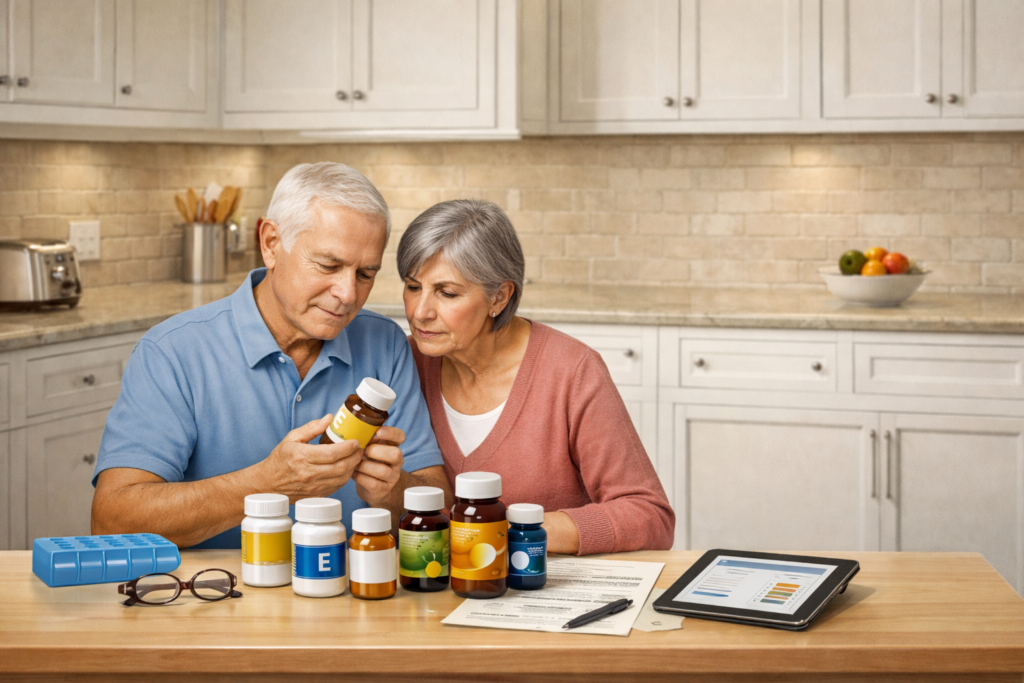
  • Use a pill organizer to track daily medications
  • Keep medications in original containers with clear labels
  • Store medications in a cool, dry place (not the bathroom)
  • Maintain an updated list of all medications and dosages
  • Discard expired medications properly
  • Ensure adequate lighting in areas where medications are taken
  • Set reminders for medication times
  • Consider a medication app for your smart phone
  • Keep a medication list in your wallet for emergencies

Technology and Communication

Staying connected improves both safety and quality of life.

  • Keep a charged cell phone accessible at all times
  • Consider a medical alert system with fall detection
  • Program emergency contacts into phones
  • Ensure phones have large buttons and clear displays if vision is impaired
  • Keep a list of emergency contacts posted in visible locations
  • Consider smart home devices that can control lights and temperature by voice

Outdoor Safety

The area outside the home also requires attention to prevent falls and injuries.

  • Repair cracked or uneven walkways and driveways
  • Ensure outdoor steps have sturdy handrails
  • Keep walkways clear of leaves, ice, and snow
  • Trim overgrown bushes and trees that obstruct paths
  • Ensure outdoor lighting is adequate for evening and early morning
  • Use non-slip materials on outdoor steps
  • Consider replacing steps with ramps if mobility is significantly limited
  • Place nonslip mats outside entry doors to reduce tracking in moisture or mud

This checklist is based on well-established safety guidelines from organizations like the CDC and National Fire Protection Association. The specific recommendations reflect current best practices in senior home safety. However, individual needs vary significantly based on specific mobility issues, health conditions, and home layouts, so some modifications may be more relevant than others for different situations.

Note: While these recommendations are widely applicable, it’s beneficial to have an occupational therapist or home safety specialist conduct a personalized assessment, as they can identify specific risks based on individual circumstances and home characteristics.

Palpitations Explained: When It’s Normal and When It’s an Emergency

That sudden awareness of your heart beating faster, skipping a beat, or pounding in your chest can be unsettling. You’re experiencing what doctors call palpitations, and while they might feel alarming, they’re actually quite common. Understanding what causes them, when to worry, and how they’re treated can help put your mind at ease.

What Are Heart Palpitations?

Heart palpitations are essentially your heightened awareness of your own heartbeat. Normally, you don’t notice your heart beating throughout the day. When palpitations occur, you suddenly become conscious of this usually automatic process. People describe the sensation in various ways: your heart might feel like it’s racing, pounding, fluttering, flip-flopping, or skipping beats entirely.

You can feel palpitations in different locations too. While most people notice them in their chest, you might also feel them in your throat or neck. Some people even hear their heartbeat, especially when lying in bed at night in a quiet room.

Common Causes of Palpitations

The most frequent trigger for palpitations is anxiety or stress. When you’re worried, scared, or experiencing a panic attack, your body’s fight-or-flight response kicks in, causing your heart to beat faster and harder. But anxiety isn’t the only culprit.

Lifestyle factors play a significant role. Caffeine from coffee, tea, or energy drinks can trigger palpitations, as can alcohol and spicy foods. Many people notice palpitations after eating large, heavy meals rich in carbohydrates or sugar. Smoking and recreational drugs like cocaine or amphetamines are also common triggers.

Hormonal changes during pregnancy, menstruation, or menopause frequently cause palpitations. During pregnancy, your body produces more blood to support your baby, which can make your heart work harder and create noticeable palpitations.

Certain medications, including asthma inhalers, decongestants, thyroid medications, corticosteroids, and some blood pressure drugs, may cause palpitations as a side effect.

Medical conditions can also be responsible. An overactive thyroid gland speeds up your metabolism and heart rate. Low blood sugar, anemia, dehydration, imbalances of potassium or magnesium, and fever can all trigger palpitations.

Arrhythmias are an abnormal rhythm of the heart that can be perceived as palpitations.  Common types include atrial fibrillation (irregular, often rapid heart rate) commonly known as afib, ventricular tachycardia or vtach, (a rapid heart rate that starts in the lower chambers of the heart), and premature ventricular contractions (extra heartbeats) sometimes called PVCs. Some arrhythmias such as PVCs are harmless, while others can increase the risk of stroke, heart failure, or sudden cardiac arrest.

Palpitations can be a sign of more serious heart disease, such as coronary artery disease, cardiomyopathy, or heart valve problems. These often come with other symptoms such as chest pain, dizziness, or shortness of breath.

Recognizing the Symptoms

Beyond the basic awareness of your heartbeat, palpitations can come with additional sensations. You might feel like your heart is beating too fast or too hard. Some people describe a fluttering sensation, like butterflies in their chest. Others feel like their heart is skipping beats or adding extra ones.

The timing and triggers of your palpitations can provide important clues. Some people only notice them at night when lying down, simply because there are fewer distractions. Others experience them after exercise, during stressful situations, or following meals.

Most palpitations are brief, lasting just seconds to a few minutes. However, if they persist for longer periods or occur frequently throughout the day, they warrant medical attention.

How Palpitations Are Diagnosed

When you visit your doctor about palpitations, they’ll start with a detailed   conversation about your symptoms. They’ll ask you to describe exactly what you feel, when the palpitations occur, and what might trigger them. Your medical history, including any heart conditions, medications, and family history of heart problems, is crucial information.

The physical examination includes listening to your heart and lungs with a stethoscope, checking your blood pressure, and looking for signs of other conditions that might cause palpitations, such as an enlarged thyroid gland.

The most important initial test is an electrocardiogram (ECG or EKG), which records your heart’s electrical activity. This painless test can detect irregular heart rhythms if they occur during the recording. However, since palpitations often come and go, you might not experience them during the brief ECG.

For this reason, doctors often recommend longer-term monitoring. A Holter monitor is a portable device you wear for 24 to 48 hours that continuously records your heart rhythm during normal activities. Event monitors can be worn for weeks or months, and you activate them when you feel symptoms.

Blood tests can check for conditions like anemia, thyroid problems, or electrolyte imbalances that might trigger palpitations. An echocardiogram, which uses sound waves to create images of your heart, can reveal structural problems.

Benign vs. Dangerous Palpitations

Here’s the good news: most palpitations are benign and don’t indicate serious heart problems. Research shows that about 16% of people see their primary care doctor for palpitations, but the vast majority have harmless causes.

Benign palpitations typically occur in people with normal heart function and no structural heart disease. They’re often triggered by identifiable factors like stress, caffeine, or hormonal changes. These palpitations usually last only seconds to minutes and resolve on their own.

However, certain warning signs suggest palpitations might indicate a more serious condition. Seek immediate medical attention if palpitations occur with chest pain, severe shortness of breath, dizziness, fainting, or near-fainting episodes. These symptoms could indicate dangerous heart rhythms that affect your heart’s ability to pump blood effectively.

People with existing heart disease, previous heart attacks, or significant risk factors for heart disease should take palpitations more seriously. In these cases, palpitations might signal a dangerous arrhythmia that requires prompt treatment.

The pattern of palpitations can also provide clues. Sustained episodes lasting hours, very frequent daily occurrences, or palpitations that worsen over time are more concerning than occasional brief episodes.

Treatment and Management Options

Treatment for palpitations depends entirely on their underlying cause. When palpitations are benign and caused by lifestyle factors, the focus is on avoiding triggers and making healthy changes.

Stress management is often the most effective intervention. Techniques like deep breathing exercises, meditation, yoga, or regular counseling can significantly reduce stress-related palpitations. Regular exercise, while it might temporarily increase your heart rate, actually helps reduce overall palpitation frequency by improving cardiovascular fitness and stress resilience.

Dietary modifications can be very effective. Reducing or eliminating caffeine, limiting alcohol consumption, and avoiding large heavy meals can prevent many episodes. Staying well-hydrated and maintaining stable blood sugar levels through regular, balanced meals also helps.

For palpitations caused by medical conditions, treating the underlying problem usually resolves the symptom. This might involve thyroid medication for hyperthyroidism, iron supplements for anemia, or adjusting medications that trigger palpitations.

When palpitations are caused by heart rhythm disorders, more specific treatments may be necessary. Medications called beta-blockers can slow heart rate and reduce palpitation frequency. For more serious arrhythmias, doctors might recommend procedures like catheter ablation, which uses targeted energy to correct abnormal electrical pathways in the heart.

Some people benefit from devices like pacemakers (for slow heart rhythms) or implantable cardioverter defibrillators (for dangerous fast rhythms). However, these interventions are reserved for serious heart conditions, not typical benign palpitations.

While most current treatments focus on medications and procedures, emerging technologies like smartphone monitoring and wearable devices may play larger roles in future palpitation management.

When to Seek Help

Most palpitations don’t require emergency care, but certain situations demand immediate attention. Call 911 if palpitations occur with chest pain or pressure, severe shortness of breath, fainting, severe dizziness, if your pulse feels very fast or erratic, or any signs that might indicate a heart attack.

Schedule a regular appointment with your doctor if you experience frequent palpitations, if they’re interfering with your daily activities, or if you have risk factors for heart disease. Even if your palpitations turn out to be benign, getting proper evaluation provides peace of mind and ensures you’re not missing any underlying conditions.

Remember, while palpitations can feel frightening, they’re usually harmless. Recognizing the difference between harmless triggers and signs of more serious conditions and understanding their causes and knowing when to seek help are keys to managing your heart health

One for the Road? How Alcohol Affects Us as We Age

I’ve always enjoyed a cocktail or glass of wine with dinner, but recently I’ve noticed that if I decide to have a second drink it affects me more than it ever has before.  As we age, our relationship with alcohol undergoes significant changes that many people don’t fully understand. What might have been a manageable glass of wine or cocktail with dinner in your thirties can have dramatically different effects in your sixties and beyond. Understanding these changes is crucial for maintaining health and safety as you grow older.

How Aging Changes Alcohol Processing

The human body’s ability to process alcohol diminishes considerably with age, creating a perfect storm of physiological changes that make older adults more vulnerable to alcohol’s effects. These changes begin gradually in middle age and become more pronounced as we enter our senior years.

Decreased Lean Body Mass and Increased Fat: As we age, our bodies naturally lose muscle mass and gain fat tissue. Since alcohol distributes primarily in water-rich lean tissue rather than fat, older adults have less space for alcohol to distribute throughout our bodies. This means the same amount of alcohol that once felt manageable now results in higher blood alcohol concentrations.

Reduced Water Content: Our total body water content decreases significantly with age, dropping from about 60% in young adults to roughly 50% or less in older adults. With less water to dilute alcohol, even modest amounts can lead to higher concentrations in the bloodstream and more pronounced effects.

Slower Metabolism: The liver, our body’s primary alcohol-processing center, becomes less efficient with age. Liver enzymes responsible for breaking down alcohol work more slowly, meaning alcohol stays in the system longer. What once took an hour to metabolize might now take two hours or more, prolonging both the effects and potential for harm.

In sum: Studies now show that chronic and heavy alcohol consumption can actually accelerate the body’s biological aging, making tissues and organs age faster than our calendar years suggest. This effect is especially strong with liquor and binge drinking, both driving up markers of cellular aging more than moderate beer or wine consumption.  A drink that felt “fine” at 40 might lead to wooziness or poor judgment at 70—not because of frailty or weakness, but because of predictable physiological changes.

Physical Effects of Alcohol on the Aging Body

The aging process makes our bodies more susceptible to alcohol’s negative effects across multiple systems. These changes can have serious implications for both immediate safety and long-term health.

Cardiovascular Impact: While moderate alcohol consumption has sometimes been associated with heart benefits in younger adults, aging changes this equation. Older adults are more likely to have existing cardiovascular conditions, and alcohol can exacerbate high blood pressure, irregular heart rhythms, and heart disease. The dehydrating effects of alcohol become more problematic as our bodies become less efficient at maintaining fluid balance.

Brain and Cognitive Effects: The aging brain is particularly vulnerable to alcohol’s effects. Alcohol can worsen age-related cognitive decline and increase the risk of falls due to impaired balance and coordination. Even small amounts can significantly impact reaction time, judgment, and memory in older adults. Regular consumption may accelerate cognitive decline and increase dementia risk.

Bone Health: Alcohol interferes with calcium absorption and bone formation, making older adults more susceptible to osteoporosis and fractures. Since aging already increases fracture risk, alcohol consumption compounds this danger significantly.

Sleep Disruption: While alcohol might initially seem to help with sleep, it actually disrupts sleep quality, particularly in older adults who already face age-related sleep challenges. Poor sleep quality can cascade into numerous other health problems, from weakened immunity to increased fall risk.

Dangerous Drug Interactions

Perhaps the most critical concern for older adults and alcohol consumption is the potential for dangerous interactions with medications. Adults over 65 take an average of four prescription medications, and many of these can have serious interactions with alcohol.

Blood Thinners: Medications like warfarin (Coumadin), apixaban (Eliquis), and even aspirin can have dangerous interactions with alcohol. Alcohol can either increase bleeding risk to dangerous levels or, paradoxically, reduce the medication’s effectiveness, increasing stroke risk.

Diabetes Medications: Alcohol can cause unpredictable blood sugar changes, particularly dangerous for those taking insulin or medications like metformin. The combination can lead to severe hypoglycemia, which can be life-threatening.

Blood Pressure Medications: ACE inhibitors, beta-blockers, and diuretics can all interact with alcohol, potentially causing dangerous drops in blood pressure, dizziness, and increased fall risk.

Pain Medications: The combination of alcohol with opioid pain medications can cause severe respiratory depression with possibly fatal results. Even over-the-counter pain relievers like acetaminophen, when combined with alcohol, can potentially cause liver damage.

Sleep Aids and Anxiety Medications: Benzodiazepines like lorazepam (Ativan) or sleep medications like zolpidem (Ambien) can have amplified sedating effects when combined with alcohol, increasing risk of falls, accidents, and respiratory depression.

Antidepressants: Many older adults take antidepressants, and alcohol can interfere with their effectiveness while increasing side effects like drowsiness and coordination problems.

Key Takeaway: Even small amounts of alcohol can react with medications, increasing accident risk and threatening life. Always consult a healthcare provider about drinking while taking any medication.

Guidelines for Safer Alcohol Consumption

The National Institute on Aging recommends that adults over 65 limit themselves to no more than one drink per day and no more than seven drinks per week, significantly lower than recommendations for younger adults. However, even this guideline may be too liberal for many older adults, particularly those taking medications or with underlying health conditions.

Key Safety Strategies: Always consult with healthcare providers about alcohol consumption and medication interactions. Keep a detailed list of all medications, including over-the-counter drugs and supplements, and review them regularly with doctors and pharmacists. Consider the cumulative effects of multiple medications when making decisions about alcohol consumption.

Timing Matters: If you choose to drink, timing can be crucial. Avoiding alcohol within several hours of taking medications can reduce interaction risks, though some medications require longer intervals.

Recommendations: According to the National Institute on Alcohol Abuse and Alcoholism, adults over 65 should:limit consumption to no more than one standard drink per day;have at least two alcohol-free days per week; avoid alcohol entirely when taking certain medications or managing specific chronic illnesses.  A standard drink is defined as:12 oz of beer (5% alcohol), 5 oz of wine (12% alcohol), or 1.5 oz of distilled spirits (40% alcohol).  Please note that this is smaller than most restaurant or cocktail lounge servings, particularly for distilled spirits that usually average about 3 oz or more per drink.

For some people, the safest level of drinking may be none at all—particularly if falls, liver disease, or cognitive impairment are concerns.

Warning Signs

Alcohol misuse in older adults is often overlooked. Its symptoms can mimic—or be mistaken for—age-related issues like memory loss, depression, or poor balance. Some warning signs include: frequent falls or bruises, unexplained memory lapses or confusion, changes in sleep patterns, neglect of hygiene or nutrition, social withdrawal or irritability, mixing alcohol with medications—intentionally or unintentionally.

Even if alcohol isn’t consumed in large quantities, it can still be harmful if consumed regularly in combination with underlying health conditions or with medications—both prescription and over the counter.

The Bottom Line

Aging fundamentally changes how our bodies process and respond to alcohol, making us more vulnerable to both immediate dangers and long-term health consequences. The combination of physiological changes, increased medication use, and higher baseline health risks means that alcohol consumption strategies that worked in our younger years may no longer be safe or appropriate.

An important step is open communication with healthcare providers about alcohol consumption and its potential interactions with medications and health conditions. For many older adults, reducing alcohol consumption or abstaining entirely becomes the safest choice for maintaining health, independence, and quality of life in their later years. I still enjoy the occasional drink, just not as much or as often as when I was younger—like many things in life.

Resources

The Substance Abuse and Mental Health Services Administration (www.SAMHSA.gov) has a helpline at 1-800-662-HELP (4357).

National Institute on Aging (https://www.nia.nih.gov/health/alcohol-misuse-or-alcohol-use-disorder/facts-about-aging-and-alcohol)

Mayo Clinic (https://www.mayoclinic.org/search/search-results?q=alcohol%20and%20aging).

Centers for Disease Control and Prevention (https://www.cdc.gov/mmwr/preview/mmwrhtml/00001403.htm)

Understanding Fall Risks in Older Adults


Prevention and Awareness

This topic is very personal to me. In the past three years I’ve had two major falls. The first put me on crutches for several weeks. The second resulted in shoulder replacement surgery. I now find myself constantly worried about stairs, curbs, broken pavement, holes and roots in the lawn and many other elements that may put me at risk for another fall.  I constantly remind myself that gravity is unforgiving and concrete even less so.  

 Fortunately, I was wearing my Apple Watch when I fell.  I had left my phone on my desk but was able to use my cellular connected watch to call for help.  I strongly recommend all seniors to get and wear a smart watch with a fall detector.  When you fall it will query you and if you are unable to respond it will send your location to 911.  I hope that this article may help you, your family, or your friends understand the increased risk of falling as we age and what we can do to help prevent it.

Falls are one of the most serious and preventable health challenges facing older adults. As we age, the simple act of walking becomes increasingly complex, and what once seemed like a minor stumble can have life-altering consequences. Understanding why falls occur more often in older adults, and knowing how to prevent them, is crucial for maintaining independence and quality of life.

The Startling Statistics

The numbers surrounding elderly falls paint a sobering picture of this health crisis. According to the Centers for Disease Control and Prevention, falls are the leading cause of injury for adults ages 65 years and older. More than 14 million older adults—that’s 1 in 4—report falling every year. These aren’t just minor incidents; they result in significant medical consequences and tragically, often death. Each year, approximately 3 million emergency department visits are directly attributed to older adult falls.  The age-adjusted mortality rate from falls has more than doubled from 1999 to 2020, rising from 29.4 to 69.4 per 100,000 adults aged 65 and older.

Here’s What We Can Do

Be Prepared

Never engage in any physical activity alone unless you have some way to summons help, be it a cell phone, a cellular connected smart watch, or best of all, an exercise companion.

Strength and Balance Training

Regular exercise is perhaps the most effective fall prevention strategy. Programs specifically designed for older adults, such as tai chi, yoga, chair aerobics, or structured balance training, can significantly improve stability and reduce fall risk. Strength training helps maintain muscle mass and bone density, while balance exercises enhance proprioception—the body’s awareness of its position in space.

Medication Management

Work closely with your healthcare providers to review all medications. Many falls occur due to medication side effects or interactions. Doctors can often adjust dosages, switch medications, or eliminate unnecessary drugs to reduce fall risk while maintaining treatment effectiveness.

Vision and Hearing Care

Regular eye exams ensure that vision problems are promptly addressed. Updating eyeglass prescriptions, treating cataracts, and managing conditions like glaucoma or macular degeneration can significantly improve safety. Similarly, hearing aids help maintain awareness of environmental sounds that can signal danger.

Check Your Overall Health

Properly managing chronic conditions reduces fall risk. This includes controlling blood sugar in diabetes, managing blood pressure, treating depression, and following treatment plans for neurological conditions. Regular medical check-ups help identify and address health issues before they contribute to falls.  It is vitally important that you tell your doctor if you are experiencing falls.

Home Safety Assessment

A thorough home safety evaluation should examine every area where daily activities occur. This includes checking for adequate lighting, removing or securing loose rugs, ensuring stairways have proper handrails, and eliminating clutter from walkways. The bathroom requires special attention to reduce the risk associated with wet surfaces and awkward positioning.

Lighting Improvements

Poor lighting contributes to many falls. Installing brighter bulbs, adding motion-activated lights in hallways and bathrooms, and ensuring light switches are easily accessible can dramatically improve safety. Nightlights help with navigation during nighttime bathroom visits.

Assistive Devices

When mobility becomes compromised, assistive devices can provide crucial support. Canes, walkers, and wheelchairs should be properly fitted by healthcare professionals. Grab bars in bathrooms, raised toilet seats, and shower chairs can make daily activities safer. However, these devices are only effective when used correctly and consistently.

Footwear and Clothing

Proper footwear plays a significant role in fall prevention. Shoes should fit well, have non-slip soles, and provide adequate support. Slippers, socks without grips, and high heels increase fall risk. Clothing should fit properly to avoid tripping hazards while allowing for easy movement.

Pay Attention

Older adults should develop habits of scanning their environment before moving. This includes looking for obstacles, wet surfaces, uneven ground, or changes in lighting. Taking time to assess the safety of a situation before proceeding can prevent many falls.  It is also important to avoid rushed movements, especially when hurrying to the bathroom or standing up quickly.  Rapid activities may lower our sensitivity to the risk of falls.  Take distinct steps; don’t shuffle your feet.

When you first get up in the morning, take a moment to sit on the edge of the bed before standing and then another moment to stand still before moving. This allows your blood pressure and heart rate to catch up with your change in body position. It prevents a drop in blood pressure that can sometimes accompany position change. This is known as orthostatic hypotension and can cause dizziness or even fainting.

Recognizing Personal Limitations

Understanding and accepting changes in physical capabilities are essential. This might mean asking for help with tasks that were once manageable, using assistive devices even when feeling capable, or avoiding activities during times of increased vulnerability, such as when feeling dizzy or tired.  Experiencing a fall or even fearing one may cause reduced activity, in turn increasing weakness and instability, further increasing the risk of falls. By recognizing this fear, you can take steps to compensate rather than completely avoid activities or situations.

Alcohol affects elderly citizens more significantly than younger people.  As we age, our liver function declines, meaning alcohol is metabolized more slowly, leading to higher blood alcohol concentrations that persist longer, even when the same amount of alcohol is consumed.  Age-related changes in brain chemistry make older adults more sensitive to alcohol’s effects on coordination, judgment, and cognitive function, impairing balance and coordination.

Communication with Healthcare Providers

Despite the high incidence of falls, fewer than half of older adults who fall inform their doctor.  I will plead guilty to this, after my first fall I was embarrassed to admit it.   But I recognized my error and know that open communication about fall experiences, near-misses, and concerns about balance or mobility is crucial.  Falling is not shameful; we would not be embarrassed to report chest pain. Healthcare providers can offer valuable insights, resources, and interventions when they are aware of our fall risks.

Conclusion

Falls among elderly adults represent a serious but preventable public health issue. The statistics are sobering, 1 in 4 older adults fall each year and thousands die from fall-related injuries—but the path forward is clear. Through a combination of physical conditioning, medical management, environmental modifications, and increased awareness, the risk of falls can be significantly reduced.

Remember, preventing falls isn’t just about avoiding injury—it’s about preserving the freedom to live life fully and safely. Every step taken toward fall prevention is a step toward a more secure and confident future. 

Ten Essential Health Tips for Senior Citizens

As we age, maintaining good health becomes increasingly important to ensure a high quality of life. While everyone’s health needs are unique, there are universal strategies that can help seniors stay fit, independent, and active. Below are ten key health tips tailored for senior citizens, designed to promote both physical and mental well-being.

1. Stay Physically Active

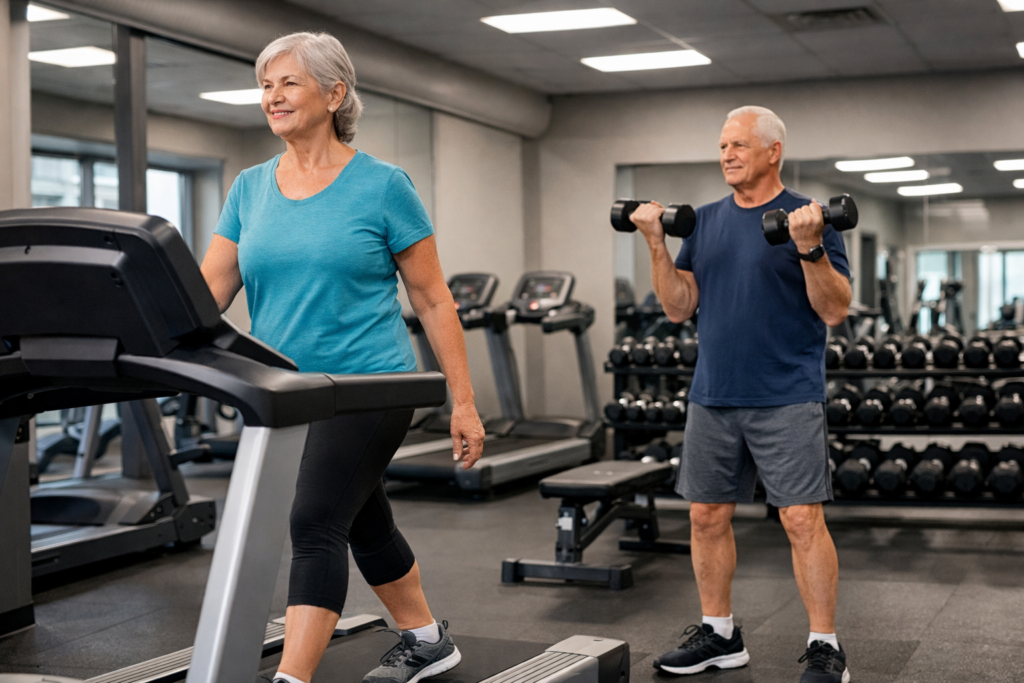
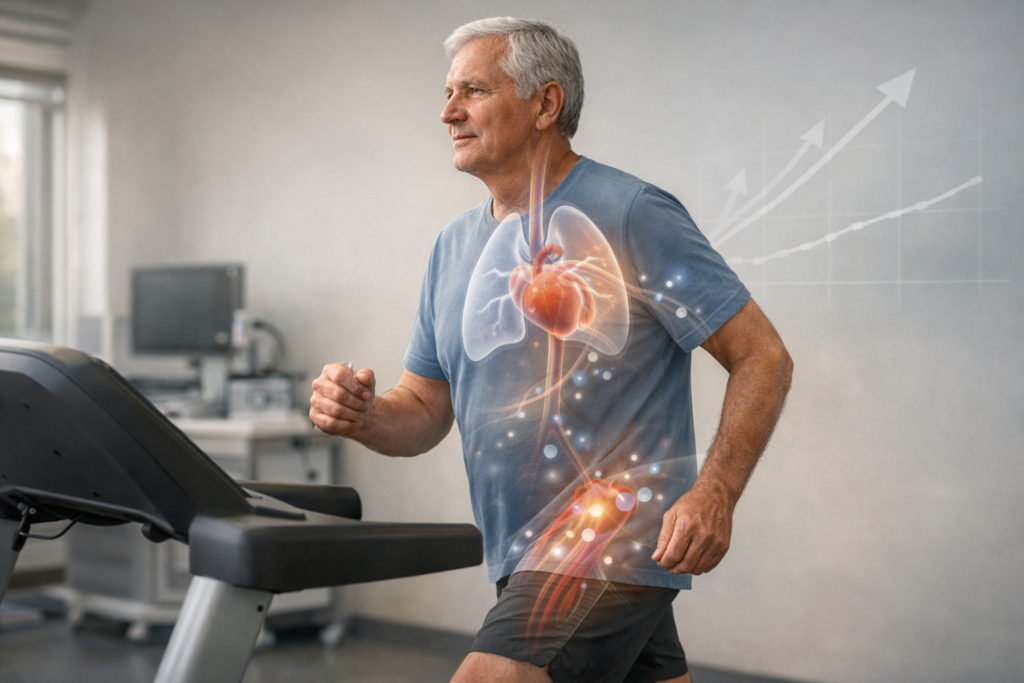
Regular physical activity is one of the most important ways to maintain overall health as you age. Exercise helps improve cardiovascular health, keeps muscles and bones strong, and enhances flexibility. Engaging in activities like walking, swimming, or gentle strength training can also help reduce the risk of falls. Most health experts recommend about 150 minutes of moderate exercise per week.  Be sure to consult with your physician prior to starting a new exercise program to get a check-up and discuss any concerns or limitations, particularly if you have not had a regular exercise program for a while.

Begin with low-impact activities to avoid injury. Gradually increase intensity and duration.  Consider joining an organized exercise group. It will make your time more enjoyable and give you a ready source of motivation.  Additionally, the group will increase your safety should you fall or become injured.

If you have mobility issues, start with low-impact activities like chair exercises, tai chi, or yoga, which are great for improving balance and joint mobility.  Stretching is also important for maintaining flexibility.  Don’t forget to hydrate before, during, and after exercise.  Our thirst cues decrease as we get older, making us more susceptible to dehydration.

2. Maintain a Balanced Diet

Nutrition plays a critical role in maintaining health and vitality. As we age, our metabolism slows down, making it important to eat nutrient-dense foods that provide essential vitamins and minerals without excess calories. Focus on a diet rich in fruits, vegetables, whole grains, lean proteins, and healthy fats.

Incorporate foods that are high in fiber to support digestion, and make sure you’re getting enough calcium and vitamin D to protect your bones. Stay hydrated, as seniors may sometimes feel less thirsty but still require plenty of fluids.

3. Get Regular Health Screenings and Checkups

Preventive healthcare becomes increasingly important with age. Regular checkups and screenings allow doctors to catch potential health issues early, when they are more easily treatable. Seniors should monitor blood pressure, cholesterol levels, and blood sugar to detect conditions like hypertension, diabetes, and heart disease. Managing chronic conditions is important not just for physical health but for mental well-being too.

Annual vision, dental, and hearing checkups are equally important. Additionally, keep up with vaccinations, including the flu shot, pneumonia vaccine, and shingles vaccine, to prevent serious illnesses.  Take advantage of any home health services that are available.

4. Prioritize Mental Health

Mental health is just as important as physical health. Seniors are sometimes at higher risk for depression, anxiety, and loneliness, especially after the loss of a spouse or friends. It’s important to stay connected with family and friends and to stay purposeful whether through social activities, religious activities, community centers, or volunteering. If seniors are struggling with anxiety, depression, or loneliness, it’s important to seek professional help. Many people benefit from counseling, cognitive-behavioral therapy (CBT), or support groups. There’s also growing evidence for the effectiveness of telehealth mental health services, making access to care easier.

5. Get Enough Sleep

Sleep patterns often change with age, but seniors still need about 6-9 hours of sleep per night for optimal health. Poor sleep can lead to increased stress, weakened immunity, and a higher risk of falls.

Create a restful environment and stick to a consistent sleep schedule. Avoid excessive napping during the day and limit caffeine intake in the evening. If you’re struggling with insomnia or sleep disorders, consult your doctor to address underlying causes.

6. Manage Medications Wisely

Many seniors take multiple medications for chronic conditions, which can increase the risk of drug interactions or side effects. Keep a current list of all medications, including over-the-counter drugs and supplements, and review it regularly with your healthcare provider.

Take medications exactly as prescribed, and don’t hesitate to ask your doctor or pharmacist about any concerns regarding when or how to take your medications.

7. Stay Socially Connected

Staying socially engaged is vital for mental health and emotional well-being. Isolation can lead to depression, cognitive decline, and a lower quality of life. Make an effort to nurture relationships, whether with family, friends, or through community groups.

Consider joining clubs, classes, or volunteer groups where you can meet people with similar interests. Regular social interaction has been shown to improve mood, reduce stress, and even boost immune function.

8. Focus on Fall Prevention

Falls are a leading cause of injury among seniors, often leading to serious complications such as fractures and other joint injuries. To minimize the risk of falling, make sure your home is safe by eliminating tripping hazards like loose rugs or clutter, installing grab bars in the bathroom, and ensuring adequate lighting.

Regular exercise can improve balance and strength, reducing fall risk. Additionally, vision checks and proper footwear can further lower the likelihood of accidents.

9. Keep Your Mind Active

Cognitive decline is a common concern for aging individuals, but staying mentally active can help delay or even prevent this process. Regularly challenging your brain with new and stimulating activities can improve memory, attention, and problem-solving skills.

Try hobbies that require mental effort, like learning a new language, playing a musical instrument, or tackling crossword puzzles. Engaging in lifelong learning through online courses or local adult education programs can also provide mental stimulation while keeping you socially connected.

    10. Practice Stress Management

    Chronic stress can take a toll on both physical and mental health, leading to issues such as high blood pressure, sleep disturbances, and weakened immunity. Seniors may face unique stressors, including health concerns or loss of independence, but there are effective strategies to manage stress.

    Mindfulness, meditation, deep breathing exercises, and spending time in nature can all help reduce stress levels. Engage in hobbies that you find enjoyable and relaxing, whether it’s gardening, painting, or simply spending time with loved ones.

    Conclusion: Embracing Healthy Aging

    Aging is a natural part of life, and by adopting healthy habits, seniors can enjoy a fulfilling and active lifestyle well into their golden years. Staying physically active, maintaining social connections, and prioritizing mental health are key to aging gracefully. By following these ten essential health tips, seniors can significantly improve their quality of life and continue to thrive.

    While it’s important to tailor these suggestions to your personal needs and health conditions, small changes in daily routines can lead to big benefits over time. Remember that your healthcare provider is a valuable partner in supporting your health, so maintain open communication with them about any concerns or changes in your health status.

    Page 2 of 2

    Powered by WordPress & Theme by Anders Norén