A lie doesn’t become truth, wrong doesn’t become right, and evil doesn’t become good, just because it’s accepted by a majority.
–Booker T. Washington

A lie doesn’t become truth, wrong doesn’t become right, and evil doesn’t become good, just because it’s accepted by a majority.
–Booker T. Washington
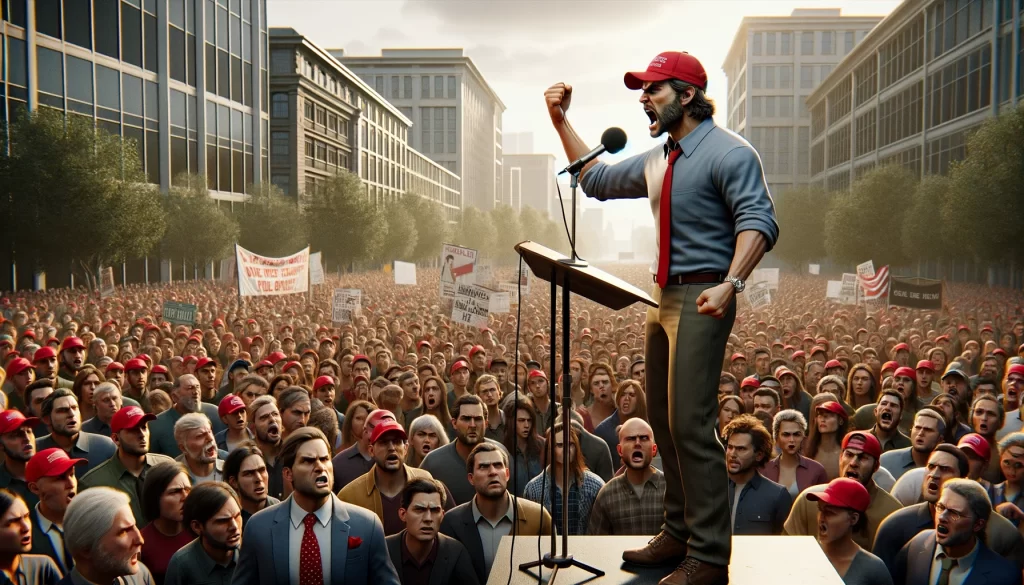
Propaganda does not deceive people; it merely helps them to deceive themselves. Eric Hoffer
What is propaganda?
Propaganda! The very word conjures up images of sinister people involved in nefarious activities meant to delude the innocent. But this has not always been the case. Propaganda has, through much of history, been view as information, though frequently of a biased or misleading nature, used to promote or publicize a particular political cause or point of view.
Propaganda has always involved exaggeration and omission in order to achieve a specific goal. It was intended to shape beliefs and attitudes without actually lying to the listeners. At its core, there was a basis of truth.
We generally think of propaganda as the domain of governments. But, in its broadest definition, advertising might be considered as propaganda. It’s intended to create the impression that specific products contribute real advantage to your life. Drinking a specific beer will make you have a better time. Driving a certain car will show that you are more environmentally concerned. Wearing specific clothes will make you more popular.
It wasn’t until the 20th century that the incorporation of falsehoods, deception, and other activities intended to create a totally false impression and to promulgate untruths became the mainstay of propaganda.
Phillip Taylor in his book “Munitions of the Mind” presents an excellent history of propaganda from its origins in the early years of civilization through its rapid evolution in the 20th century, to its infiltration of all aspects of society in the 21st century.
Propaganda began as early as ancient Mesopotamia when the boastings of kings were inscribed on stone monuments. It continued, principally as a way of monarchs justifying their rule up through the 19th century.
The earliest use of the term propaganda was in the early 17th century when the Catholic Church, wishing to spread Catholic doctrine, support the faithful and counter the protestant reformation, established the Congregation for the Propagation of the Faith (Sacra Congregatio de Propaganda Fide).
World War I saw the beginnings of the disconnection of propaganda and truth. Both sides in that war created knowingly false narratives to bolster civilian morale and increase the fighting spirit of their soldiers. World War II took this process to a whole new level as false propaganda was used to justify mass murder and enslavement of an entire continent. In the 21st century propaganda techniques have been raised to a new level of technical sophistication. Social media, artificial intelligence and modern psychological techniques can create images, sounds and documents completely unrelated to reality but almost impossible for the average person to recognize as false.
Elements of propaganda.
One of the classic elements of propaganda is repetition, the more a statement is repeated the more likely people are to believe it. There is a concept called “illusory truth effect” where the more you hear a statement, the more it feels true.
In past centuries, reference was made to respected people in authority to give credence to statements. Over the years, this has evolved into celebrity endorsements and continues to expand with the recent emergence of instant celebrities in the form of social media influencers.
Emotional appeals have always been a significant part of propaganda, emotions being more easily manipulated than facts. The audience is encouraged to react rather than think.
Simplification is also a central tenant of propaganda; complex ideas are reduced to simple slogans that can be repeated over and over again. Slogans that are catchy and clever will encourage people to repeat them without considering their true meaning.
The repeated use of slogans contributes to the bandwagon effect, a critical propaganda technique for creating the impression of widespread acceptance. The more a person believes everyone else supports the program, the more likely they will be to support it without detailed personal analysis.
Evolving propaganda.
In the early years of the 20th century, propaganda began to take a more malicious path. It began to lose a grounding in truth, except where necessary to sell the lie. As propaganda evolved through the first few decades of the 20th century it became a specialized and highly effective weapon of statecraft.
It’s important to recognize that the ultimate goal of propaganda is not merely manipulating opinions and beliefs. It is a tool for obtaining and using political power.
The following quote, which I will leave unattributed, underlies the objective of propaganda from the mid-20th century on.
“All propaganda has to be popular and has to accommodate itself to the comprehension of the least intelligent of those whom it seeks to reach. The great mass of the people will more easily fall victim to a big lie than to a small one. If you tell a lie that is big enough and tell it frequently enough, it will be believed.”
Propaganda in Action
A propaganda program that is designed to achieve political goals has several key elements.
The Target
The first step is to decide on the target population. These are the people you wish to cultivate as supporters and whom you wish to manipulate into specific actions. It’s important to understand what they consider to be their critical concerns. Whether you share those concerns or not isn’t important if you are able to convince the target population that you care about them and that you will meet their needs. Once you have analyzed the concerns of your target population you can develop your message to best appeal to and manage their opinions.
The Leader
The second element is to create a cult of personality around the leader. Generally, the leader will be a charismatic and effective speaker. On other occasions, he simply may be someone they would “like to have a beer with”. If a bond can be created it doesn’t matter how. The leader doesn’t have to have a true concern for the target group as long as they believe he does. Once the leader and the target group have bonded, he will have an easier time manipulating them. The stronger they are connected to him personally, the less scrutiny they will give to his ideas.
The Others
The next element is to identify the “other” group that will be the focus of attacks. The first step is to create fear of this group. Once your target population has developed a significant fear of whatever this group may be accused of, be it crime, immorality, or “unAmericanism”, a program is put in place to demonize them. The purpose of the early program is to generate a high level of unreasoning fear of this group within the target population. Fear is difficult to control, so once this stage has been reached, the fear must be converted to hate through repeated attacks blaming the “others” for every grievance the target group has experienced. Hate is easier to focus and to direct. People can be more easily rallied to action, even violence, in response to hate.
Action
Once hate of the “other” group has been raised to a significant level, your target population can be moved to action. Be that unquestioning acceptance of ideas, voting for whatever candidates you identify, or even resorting to violence to suppress the “others”.
This is the stage where real political power begins to flow from your propaganda program. Your supporters have given up all efforts at critical thinking and blindly accept whatever orders you give in the misguided thought that you are concerned about them and their needs and are doing what is best for them and the country. They have become the weapon for implementing your agenda.
Conclusion
For those of you with an appreciation of history, this should resonate not only with the 20th century but with current events. If you would like to know the source of the quote I gave at the beginning of this section, contact me.
Having seen the effects of modern propaganda on our society, I am left in great despair. In a future post I’m going to be discussing how social media has significantly increased the rate of spread and the effectiveness of propaganda and other disinformation programs.
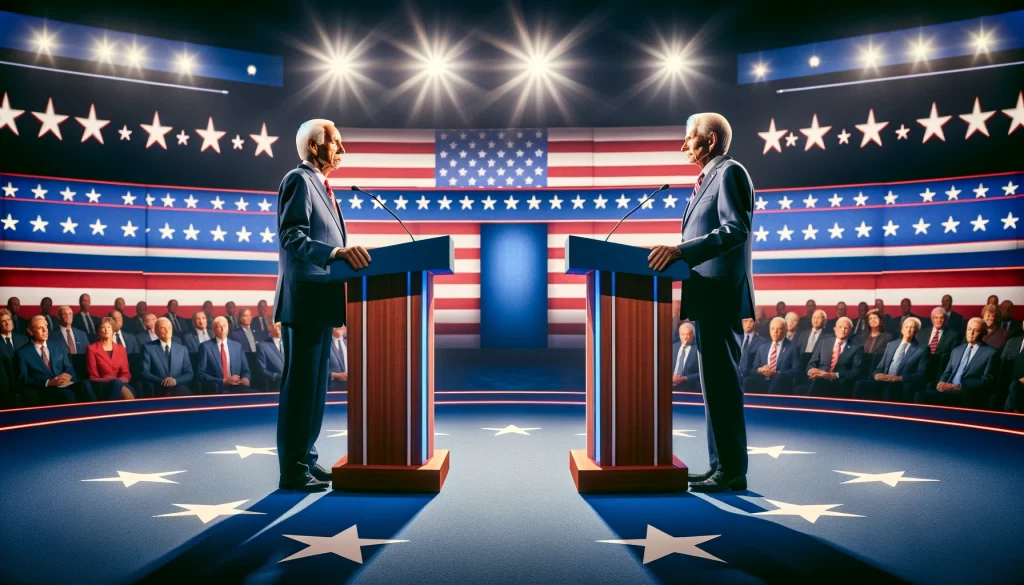
Over the past several months I have become increasingly discouraged as I watch the sad spectacle of the presidential election play out in the newspapers and on the electronic media. It seems the candidates are more interested in serving themselves than in serving the people. Each is convinced that he is the only one who can save the country. While one is obsessed with regaining the power of the president, the other is reluctant to relinquish it.
This has left me wondering if there’s not a better way to elect the president. As everyone knows we elect a president for four years and then they can be reelected for an additional four years. But this was not always the way our electoral process has been structured.
A brief history of presidential terms
Perhaps second only to slavery, the office of president was one of the most controversial subjects at the 1787 Constitutional Convention. There were extensive debates about the structure of the office, the power of the chief executive, and even if it should be a single person. There was a proposal put forward by Edmund Randolph of Virginia for a three-person executive committee to head the government.
There were proposals for a short-term presidency of one or two years, arguing that more frequent elections would ensure the chief executive was more responsible to the people. There were also proposals for longer terms such as 7 or even 15 years. The intent of longer terms was to provide the president with independence from the influence of special interests and provide for more stable government.
There is a popular misconception that Alexander Hamilton favored a president for life. While he advocated for a strong presidency with certain aspects of a monarch, he also recognized the importance of a fixed term and the provision for impeachment to safeguard the country against abuse of power.
After it became clear to most delegates that George Washington would become the first president, the convention decided on a four-year term for the president. The constitution as originally adopted did not explicitly state that the president can be reelected, nor did it prohibit reelection. Not all delegates were in favor of allowing the president to be reelected because they felt it would result in too much power being consolidated the hands of the single person. As often happens in politics, no decision was made, and the Constitution as adopted was silent on reelection.
The issue of term length did not end with the ratification of the constitution. The first proposed constitutional amendment to change the length of the presidential term was introduced in 1808. Since then, multiple amendments have been proposed to extend the term to five, six, seven or even eight years. By the early 1900s the single six-year term had become the dominant idea being proposed. Amendments to change the term of the presidential office were introduced as late as the 1990s. Although persistent in their reappearance, none have ever had any realistic chance of being approved.
George Washington set the precedent of serving only two terms by retiring to Mount Vernon at the end of eight years in office. This pattern was followed until Franklin Roosevelt ran for a third and then a fourth term. After Roosevelt’s death, the 22nd Amendment to the Constitution was passed by Congress in 1947, and ratified in 1951, limiting the president to two total terms in office.
Other countries have different patterns for their chief executive’s term of office. Parliamentary countries have no set term. Elections can be called, and the chief executive removed from office whenever confidence in the government has fallen, and the public demands a change. Other countries such as Mexico, the Philippines and Chile have a single six-year term for president.
If we were to consider a single six-year term for the US president how would that change things. Let’s look at a few of the pros and cons.
The arguments in favor of a single six-year term
The president would be relieved of the burden of an almost constant reelection campaign. With a single term, a president can focus on policy and governance without being distracted by the next election cycle. This may lead to bolder, more decisive leadership, unencumbered by the need to cater to special interest groups. Those groups may be less inclined to make large political contributions knowing that they hold no future sway over the actions of the president.
There may be potential for greater continuity in policymaking. Presidents could be more inclined to tackle unpopular long-term challenges head-on, rather than deferring them to a second term or even to their successor. The president may be more likely to engage in bipartisan programs knowing that there is no need to appease party radicals during a reelection process. The president could be more likely to engage in long term planning rather than worry about what will look good in the polls in the short term. This may result in fewer political decisions made just to improve reelection chances.
Not having to run for reelection would also give the president more time to work for the country and the citizens. The time and the effort put into planning campaigns, making speeches, and attending reelection events could be spent improving the government and the country. If the president has more time to work closely with Congress, then there could be less gridlock in Washington. In sum, the single six-year term may allow the president to be the statesman they all claim to be.
The arguments against a single six-year term
A single six-year term could diminish the accountability of the president to the electorate. In a traditional two-term system, presidents are incentivized to deliver on their promises and perform effectively to secure re-election. With only one term to serve, there may be less pressure for a president to maintain high levels of performance throughout their tenure. This could result in complacency or a lack of motivation to pursue ambitious reforms, knowing there won’t be a chance for the electorate to hold them accountable.
A single six-year term could disrupt the balance of power between the executive and legislative branches. With the absence of a potential second term, presidents may become more inclined to bypass Congress and govern through executive orders and unilateral actions. This could lead to increased polarization and gridlock, as Congress may resist executive overreach, exacerbating tensions between branches of government.
If the president proves to be inept or not acting in the best interests of the people and the nation, six years is a long time for that person to be in office. The only option would be impeachment and we know from recent experience that impeachment is a long and painful process frequently generating more ill will than good results.
And in conclusion…
So, would a single six-year presidential term be a good thing or a bad thing? Would it help us get out of our current political mess?
Perhaps it would have no impact at all. Perhaps it’s not the length of the presidential term, the number of terms the president serves, or even how we elect the president. Perhaps the real problem lies with us. It doesn’t matter how we elect our president if we don’t do a better job deciding who the candidates will be. It’s been said many times that people get the government they deserve. We all complain about it and yet we continue voting for the same type of people year after year.
Of all the people to blame for the current political situation, the one in the mirror is the one to whom we should look first. Because, after all, that’s the only person we can control.
And that is my grumpy opinion.

Since I’m easily amused, I’m still playing with the AI image generator DALL-E. I wanted to take some time to show you just how easy this is to use. All these images were generated on the requests shown below. The only ones I’ve modified or edited are the ones in the series to demonstrate an edit. You will usually get two versions with each request. You can save either one or both. You can generate up to 50 images a day. I’ve hit my limit more than once.
I generated the image above using the following command. In a cartoon style, generate images of a man dressed as an artist, wearing a beret and a smock, and holding an artist palette and brush. On the easel, have a computer screen with a picture of the same man.
It only takes a little bit of change to get a completely different feel to your pictures. I created the image below basically by saying in a realistic style as opposed to in a cartoon style.
Generate an image in a realistic style of a man dressed as an artist with a smock and beret, holding a palette and a paintbrush and standing in front of an easel with a computer screen in a messy studio.

Now, let your imagination soar and see what you can come up with. I’m going to make up a few commands now and see what develops.
In a surrealistic style generate images of a young boy with pale green skin and feathers on his arms soaring with fantastical eagles over a fantasy landscape of canyons and forests.

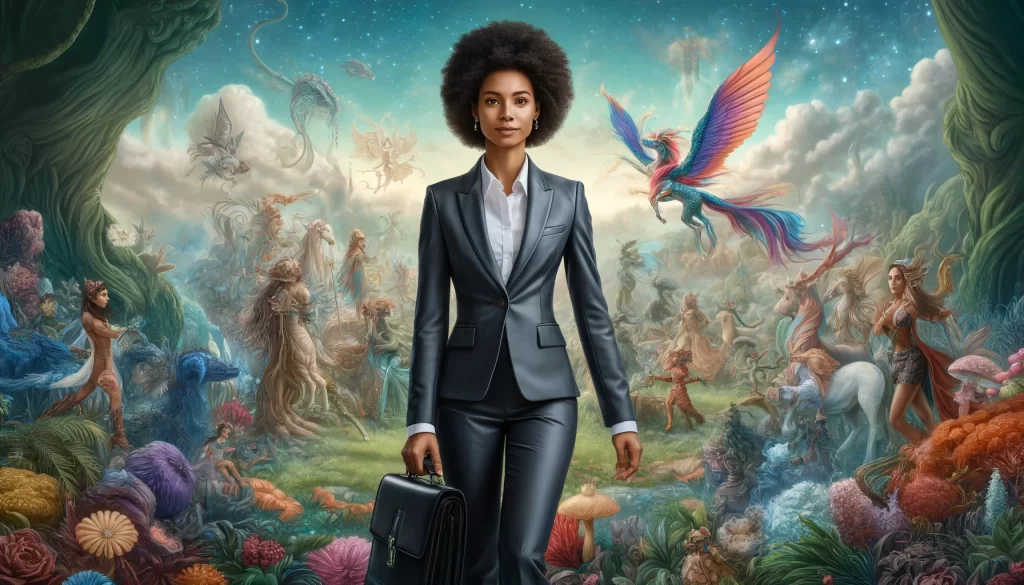
In a realistic style, generate images of an African American woman in a sophisticated business suit and carrying a briefcase. Place her in a whimsical background with fantasy creatures, such as elves, fairies, and unicorns.
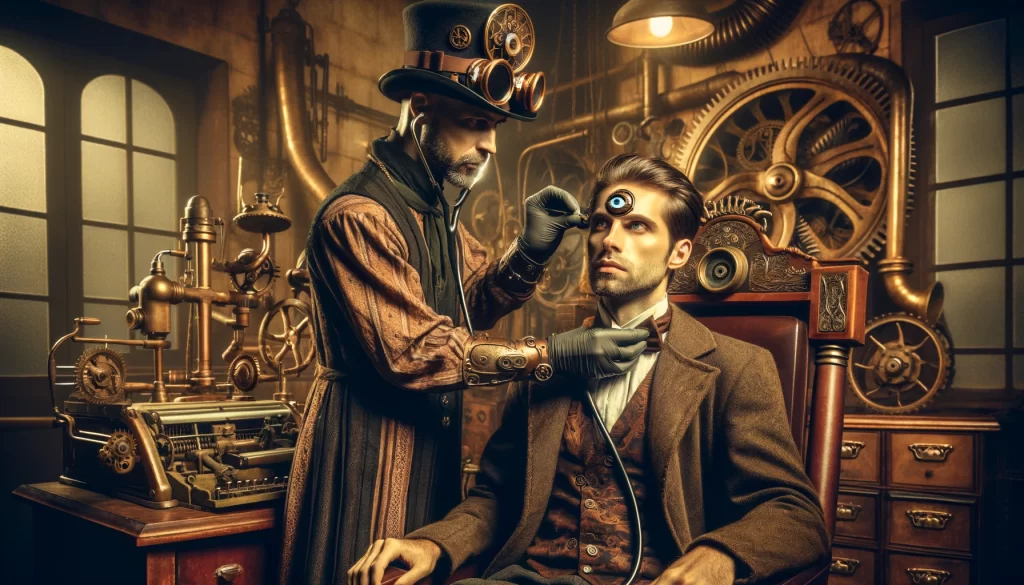
In a steampunk style, generate images of a doctor examining a patient with a stethoscope. Have the patient have a third eye in the middle of his forehead.
In an abstract style, generate images of a man and a woman sitting in chairs facing each other. Have the man smoking a cigar and have the woman with purple hair.

In a style reminiscent of the French impressionists, generate images of young people in colorful outfits, dancing on an outside patio.
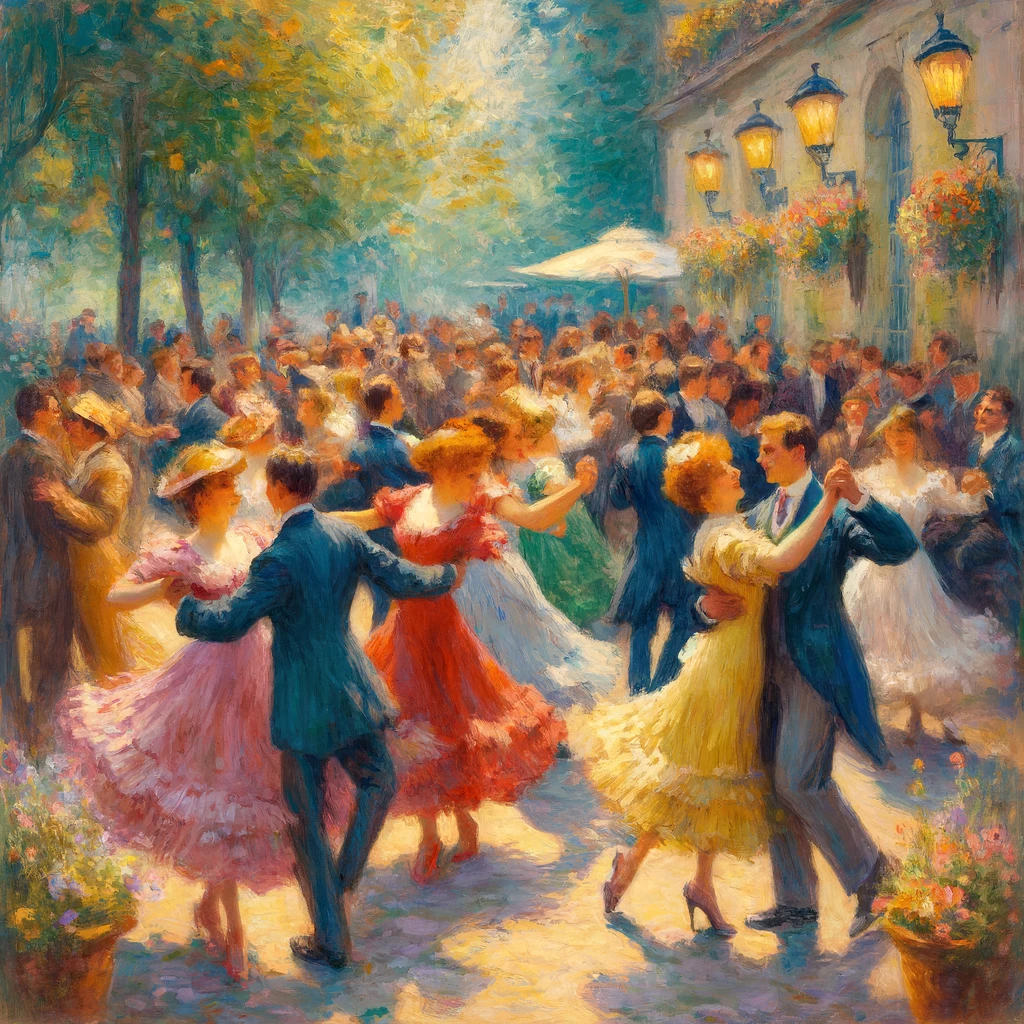
In a cubist style generate images of baseball players.
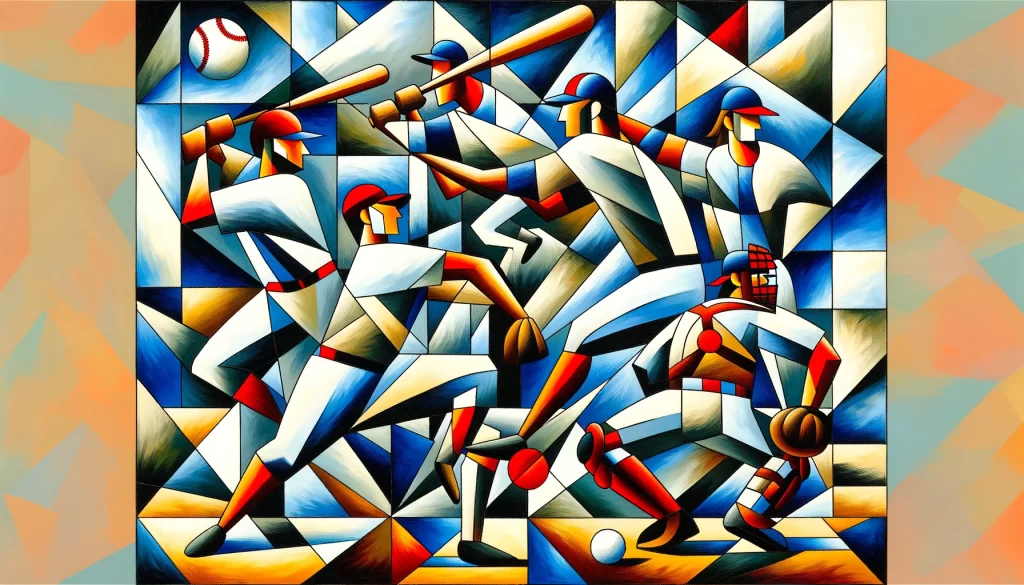
DALL-E offers the capability to edit your pictures. However, as you’ll see from the series below it actually generates new pictures with slight variations based on your requests for edit.
In a cartoon style generate images of a young man walking down a sidewalk on a sunny day. Have him in a suburban neighborhood with trees and flowers and well tended lawns and houses.

Change the neighborhood to urban with cars parked on the street and the sky overcast.
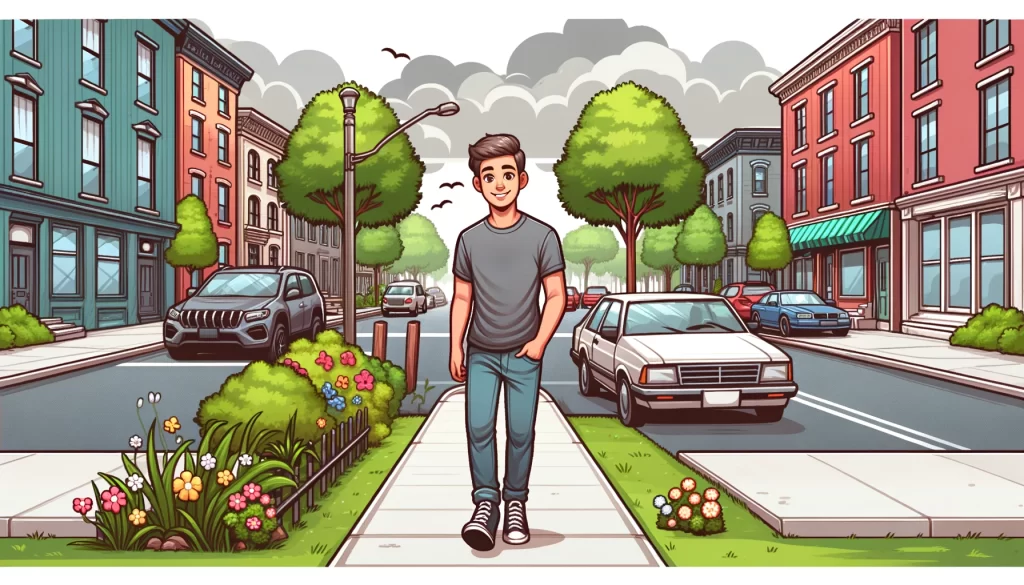
So far, the changes seem to be fairly consistent and go along with the general style we requested. Let’s make a couple of big changes and see what happens.
Have him look disheveled and scruffy. Make the neighborhood run down with trash in the streets. Have him carry a whiskey bottle and a cigarette.
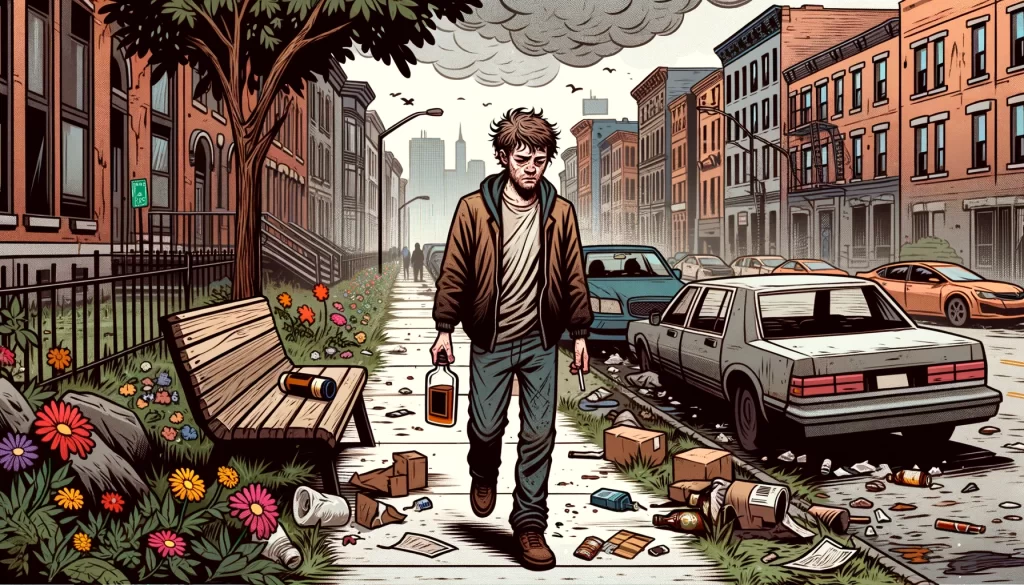
I think it’s right on with this one. It got the feel I was looking for.
Now for my last picture, I’m going to let my imagination run wild and try to come up with these strangest and most bizarre images I can imagine and see if DALL-E matches or exceeds my ideas.
In a dystopian style with a post-apocalyptic background, generate images of an emaciated Santa Claus jumping rope while talking to an Easter Bunny with vampire fangs and a leprechaun with claws. Add any other menacing characters you think may be appropriate.

I couldn’t decide which one I liked best, so I decided to use them both. I’m not sure what it says about me that I like these images.

I couldn’t resist trying one more edit. I asked DALL-E to generate the above image in cartoon style. It sent me this response: I encountered some issues while trying to generate the cartoon-style images. Please let me know if you would like to try a different request or if there’s anything else I can assist you with. Perhaps it thought cartoon style would attract children and the subject matter was a little too ghoulish for kids. After tweaking the prompt a couple of times, I got the following image:

Maybe they were right the first time.
Give it a try. I think you’ll have as much fun as I do.

Doctor’s orders!
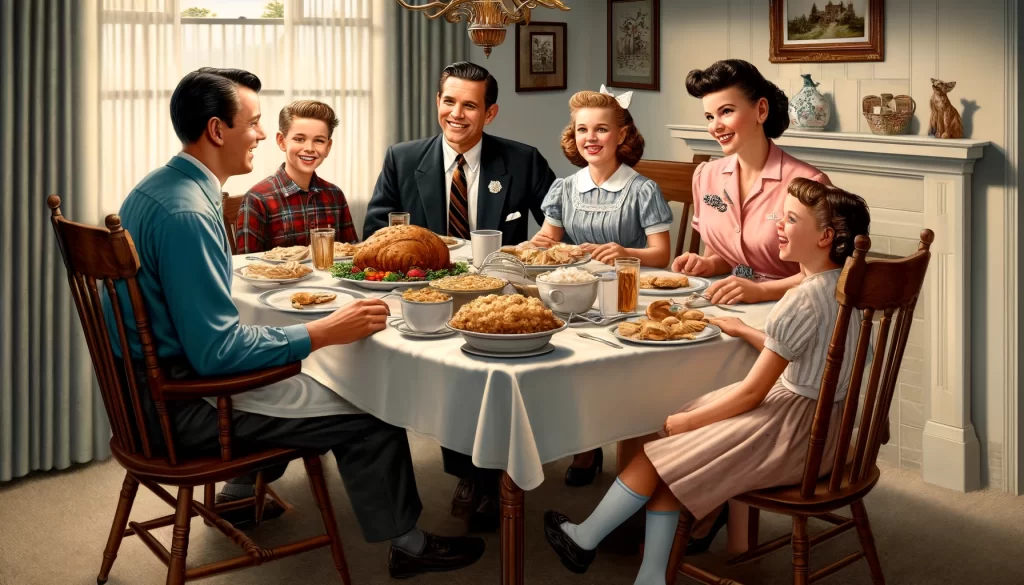
So why should we consider myths as anything but an anachronistic curiosity since we consider ourselves a rational and scientific society? Because the willingness to believe in myths is as strong today as it has ever been. While belief in Olympian gods, elves, and fairies has faded away new myths have arisen. Since the late 1800s, at least two new myths have spread in the United States.
The Golden Age of America
Our political situation today has much to do with belief in the Myth of the Golden Age of America. I strongly believe that the United States has been and continues to be the best hope for personal freedom in the world today. But the idea that at some time in the recent past everything was wonderful for everyone is a myth. In this “Golden Age” to which some people wish to return, women, minorities, gays, and the disabled were clearly discriminated against.
One key contributor to the Golden Age Myth was the economic boom that followed World War II. The United States was a global industrial leader and the economy showed significant gains in jobs, wages, and consumer goods. The middle class was expanded, college education rose due to the GI Bill, and home ownership reached new levels. However, these advantages did not reach all members of our society.
Racial minorities continued to be actively discriminated against. Segregation, particularly under the Jim Crow laws in the South, limited economic, social, and political opportunities for our Black citizens.
Women’s roles and opportunities similarly were significantly constrained. Women were expected to take a domestic role over professional or personal aspirations. Even women who obtained advanced college degrees were expected to stay at home and raise their family or to take “appropriate” jobs such as secretaries, teachers, or nurses.
Reaction to the Golden Age Myth led to movements such as women’s liberation and the civil rights movement, both followed shortly by gay rights and the advocacy for the disabled. The Golden Age seems to have existed principally in popular television shows such as Ozzie and Harriet or Father Knows Best. In short, this “Golden Age” was not golden for everyone.
The Lost Cause
This myth arose in the South in the late 19th and early 20th centuries though it had its origins while the war still raged. According to the Myth of the Lost Cause, the Civil War had nothing to do with slavery. It had to do with the southern states fighting for their individual state rights and their prerogatives of self-government. They were fighting against northern aggression that was trying to destroy the southern way of life. Most Confederate soldiers were poor farmers who neither owned nor could afford slaves. They had to be convinced that they were fighting for their way of life against a malicious union army that was intent on invading their homes and forcing “northern ways” on them. The soldiers had to be distracted from the fact that they were fighting, suffering, and dying to protect the way of life of the wealthy slave owning aristocracy.
The evolution of legend was also involved in the creation of this myth. Robert E. Lee and Stonewall Jackson were idealized as true southern gentlemen struggling in a glorious but doomed battle against overwhelming odds.
Of course, it completely ignores the fact that the southern way of life and those state rights were predominantly based on slavery. A critical element in this myth is that slavery was good for the slaves. We continue to hear this stunning falsehood from politicians today as they try to describe slavery as a little more than job training.
Many historians today agree this myth is an intentional distortion of historical facts. The Lost Cause Myth reached its fully developed form in the years surrounding the turning of the 20th century and was intended to change the historical narrative of the South’s role in the Civil War by minimizing the central role of slavery in the origin of the conflict. This revisionism was part on the broader social effort used to justify segregation, Jim Crow laws, and white supremacy.
The Lost Cause is a compelling example of history being reshaped by myth and legend. It shows how over time people can come to accept those things that most support their personal beliefs despite evidence to the contrary. It continues to dominate much of our current debate about race relations, voting rights and social welfare policies. However, today open advocacy of the Lost Cause Myth is in the background and it is seldom mentioned by name though its tenents are reflected in the opinions and statements of many .
Why believe in myths?
So why do we have a widespread belief in these myths? There are several reasons people persist in a false belief even after it has been largely disproven.
The most obvious reason is that myths meet emotional needs. They can be deeply ingrained in a person’s identity, beliefs, and values. When the myth is tied to political or religious beliefs people will be resistant to change even in the face of contradictory evidence. Admitting a previous error of belief is, in some ways, viewed as a form of weakness.
There is also a condition called confirmation bias. People are inclined to seek out and accept without question things that confirm their pre-existing beliefs and opinions. They ignore anything that is not consistent with an already held position.
When presented with information that conflicts with previously held opinions, people can experience what is known as cognitive dissonance. This is the emotional distress that people feel when attempting to hold two contradictory ideas or when trying to reconcile new information that challenges their behaviors or previously held ideas. To reduce this distress people either ignore or in some cases violently reject anything that conflicts with what they previously believed.
Critical thinking skills involve objectively evaluating evidence, identifing inconsistencies, and appling reasoning skills. Critical thinking isn’t always a natural process. When I was in high school, we were expected to memorize facts and then duplicate them on tests. I don’t remember even hearing the term critical thinking until I was in graduate school. Even then, I’m not really sure I understood how important it is to develop a personal understanding of facts and events and how difficult it would be to aquire those skills.
Teachers now make an effort to teach critical thinking skills. But it can be difficult for students to translate those skills into their life outside the classroom. Perhaps many of them may think of critical thinking the way they think of algebra, something they must do in school but won’t ever use in their everyday life. A well-informed citizenship requires all of us to encourage critical thinking practices. We need to ensure that our young people are reading and listening and using those skills outside the classroom. It’s easy to say, but venturing out of our comfort zone can take strength and purpose for all of us.
We can quickly fall into the habit of listening to or reading only a narrow range of opinions from a limited number of sources. It is particularly easy when those sources don’t challenge us to think or to analyze. It is too easy to reject new information rather than trying to evaluate and reconcile it with our previously held beliefs.
Obviously, these reasons are not mutually exclusive and are melded into a continuum of reasons for the rejection of fact in favor of myth.
Both the Lost Cause Myth and the Golden Age Myth arose much quicker and for a more limited purpose than did the classic myths. In this way the evolution of these myths has much in common with the concepts of propaganda. In my next post I will be looking at the difference between lies and myths and how both relate to propaganda and how it has evolved in modern times.
A brief history of myths and legends
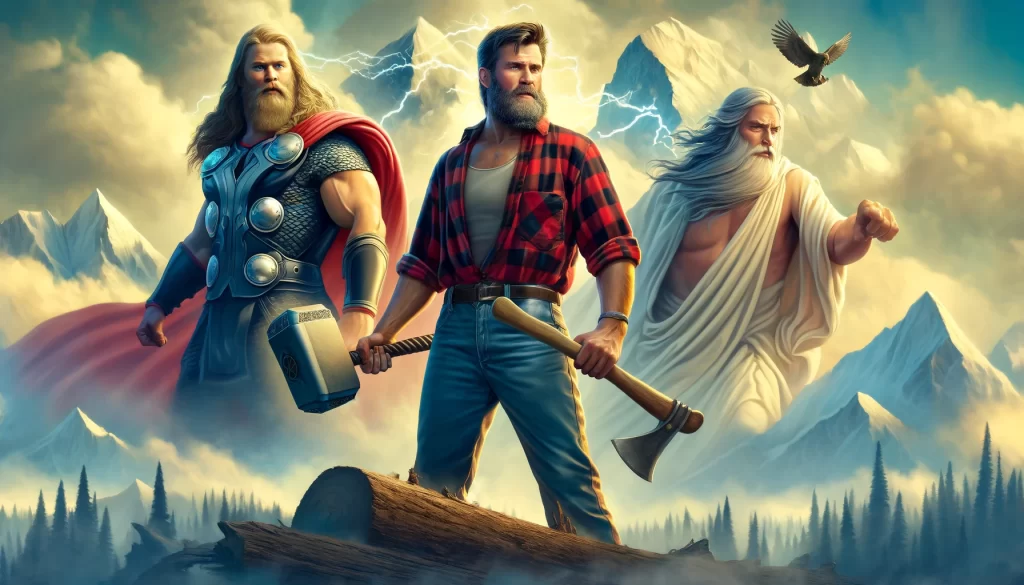
This is the first in a series of posts on myths, legends, lies, and propaganda. Above are illustrated Thor, Paul Bunyon, and Zeus. Instinctively we know Thor and Zeus are myths and Paul Bunyan is a legend. But how do we know that?
Let’s start with the Merriam-Webster definitions.
Myth: “a usually traditional story of ostensibly historical events that serves to unfold part of the world view of a people or explain a practice, belief, or natural phenomenon”. Legend: “a story that comes from the past, especially one that is popularly regarded as historical but not verifiable. Legends are also traditional but unfounded stories that explain the reason for a current custom, belief, or fact of nature.”
As with many dictionary definitions, these are broad and give the general concept without developing any detail. One important element is included in the definition of both; they are based on traditional stories that have evolved through shared historical experiences and understandings. They are generally not created as a single fully developed narrative. Almost all cultures have a tradition of myth and legend. For example, the “creation” myth is surprisingly similar among diverse societies.
So, how do we differentiate between the two?
Myths are primarily religious or spiritual in nature and evolve to help people understand the mysteries of the physical universe. They typically involve supernatural beings represented as “gods”. For example, early people did not understand that the rotation of the earth caused night and day. As a way of dealing with this they created the myth of a god driving a flaming chariot across the sky.
Legends, on the other hand, are usually based on a historical person or are, perhaps, a synthesis of several people into a single legendary figure. They are less about the supernatural or divine but more about human heroes who accomplished extraordinary deeds. Legends evolve over time with the hero frequently accomplishing great feats that reflect the concerns of the population at the time. The legends are intended to inspire and to contribute to societal cohesion. The legend can have variations in many areas over many years. The classic example of this is the King Arthur legend which comes in many forms in different countries spanning several centuries. Daniel Boone and Davy Crockett are examples of historic Americans who have evolved into near legendary status.
As you might expect, myths and legends can overlap and can even melt into one another. They can also be incorporated into propaganda and can be used to support false narratives of history and society. For the rest of this post, I’m going to principally look at myths because of their similarity to legends and because sometimes it may be less clear that the origins of some belief may be steeped in mythology or legend.
More About Myths
Myths serve a variety of purposes. They are used to explain natural events that are not well understood. A variety of “gods” were created to help people feel they had a sense of control in a world that seemed very dangerous to them. They helped people feel there is a purpose to existence.
Myths also help shape cultural and social identities. They give people a sense of shared history and reflect community values and customs. The myths frequently contain ethical and moral lessons. Myths help create unity in times of difficulty and can be a source of inspiration. Myths can also be used as an object lesson about what could happen to those who don’t respect community values.
In preliterate societies, myths performed a service of historical or cultural preservation, particularly as it relates to behavior and beliefs. Myths frequently use symbolic language and narrative to enhance societal cohesion. They reinforce a feeling of belonging within the group.
Myths can have an emotional appeal and are more engaging than a dry listing of facts. They can often provide a simple answer to complex problems. Societies find comfort in the stability that an underlying myth can provide even if there is no empirical evidence to support it. Myths can become so embedded in a society’s religion, art, and literature that some people often have trouble separating the myth from the reality of the world around them.
The belief in myths is not always consistent among groups and cultures. In some societies, myths are taken literally while in others they are taken allegorically. The belief in myths has changed over time as societies have evolved knowledge and scientific understanding. But they all share an attempt to transform the metaphysical to the literal.
While the evolution and perpetuation of myths was of great value to early societies, continued reliance on myths as a source of knowledge often hampered scientific development. Throughout history, there have been persecutions of people who proposed new scientific knowledge or philosophical opinions that varied from society’s foundational myths.
We tend to think of myths as having arisen in the mystic past. We think of them as entertaining stories with little relation to our lives. However, myths continue to evolve, and new myths are continually created. In my next post, New Myths Arise, I’ll talk about two myths particular to the United States that have risen within the last 150 years and still have a continuing impact on our society.
The performance of our active-duty military, national guard, and reserves was commendable during the wars in Iraq and Afghanistan. These young men and women continue providing exemplary service to our country. The public has rallied behind them to support them and to thank them for their efforts. This old Vietnam veteran is thrilled to see the public response to our young service people.
There is one thing that concerns me though. The ranks of our armed forces continue to be drawn from an ever-smaller percentage of our population. I cannot adequately express how proud I am of the young people who have chosen to voluntarily serve our country. Unfortunately, these patriotic young people do not represent our population as a whole and recruiting goals frequently are unmet. One of the few exceptions is the Marine Corps, in which most of you know I proudly served. But it is small and has high Esprit de Corps and appeals to those looking for a challenge.
Personally, I feel it was the greatest privilege of my life to serve as a member of our Armed Services and protect our country and our way of life. I firmly believe those who now serve share this conviction.
However, most of our citizens now are not directly impacted either by personal military service, other types of public service, or by the service of family members. I would like to see the benefits of public service extended to all members of our population, even those for whom military service may not be appropriate.
Perhaps we should consider a program of universal national service. Such a program might begin with a two-year national service obligation that would begin at age 18 but could be delayed for education or other appropriate reasons.
Universal national service could include not only the military, but also such existing programs as the Peace Corps and AmeriCorps/Vista. We might also consider bringing back older programs such as the Civilian Conservation Corps to work on infrastructure. There could be options for service in teaching, law enforcement, firefighting, or emergency medical services. This type of public service could not only help fill nation-wide shortages but could also lead to long-term careers in these fields as well. Delay of service obligations could be available for those in training to serve as military officers, or in training to be teachers or in medical fields that require advanced education and who agree to work in underserved areas following completion of their training.
I don’t pretend to know the details of putting such a program in place. I’m sure it would be very complex and expensive to initiate. But I think there would be many benefits ranging from reduced unemployment to job training to education. But most importantly it would enhance a sense of pride in being Americans, give personal satisfaction in improving the lives of our fellow citizens and strength our of our sense of community. All of this while contributing to the common good.
There’s an old saying, “Freedom is not free”. We now have only a small part of our population that pays the price of freedom for the rest of us. We owe them a debt that cannot be repaid. Isn’t time for everyone to help share the burden and enjoy the pride of protecting and maintaining our freedom, keeping our nation strong and providing for those who need our help?
And that is my grumpy opinion.

In my previous post Fun With AI, I talked about how much I enjoy DALL-E, the ChatGPT image generator. But that’s only a small part of ChatGPT, although it is the most fun part.
So, what is ChatGPT? I’ll let ChatGPT explain in its own words: “ChatGPT is an advanced artificial intelligence language model developed by OpenAI, based on the GPT (Generative Pre-trained Transformer) architecture. It processes and generates text by predicting the likelihood of a word sequence, enabling it to perform a wide range of tasks, from holding conversations to writing articles and answering queries. Its training involved analyzing vast amounts of text data, which helps it understand context and nuances in language.”
I hope that’s clearer to you than it is to me. But what I do know is it’s been very helpful to me. I’m just going to go over a few of the things for which I use ChatGPT.
I first started using ChatGPT as a research assistant. I asked it to find me articles about specific topics and suggest references and lines of inquiry. It’s not a substitute for detailed individual research but it is a head start in the right direction. Although you do have to check some of its research because it occasionally gets it wrong or cites outdated material.
One of the things where I have found ChatGPT to be very good is finding quotations on multiple topics. Sometimes it can be difficult to locate specific applicable quotes. (Does anyone else remember Bartlett’s Familiar Quotations?) Again, you must double check the results. Occasionally it will attribute the quote to someone who was referencing the original author.
I’ve also found ChatGPT to be useful in generating title ideas. I’ll ask it to give me 10 suggested titles on a specific subject. While I’ve not used any of the titles exactly, they have formed the basis for developing my own specific titles.
I also use ChatGPT in my genealogy work. Occasionally when researching old records, I’ll find documents that are written in foreign languages or church records written in Latin. Previously I’d used Google translate but found that to be somewhat onerous. ChatGPT translation is quick and easy. I just cut and paste the text into ChatGPT and ask for a translation. You don’t even need to tell it the original language.
I also use ChatGPT as an editing aid. I ask it to review my articles for grammar, readability, and content. ChatGPT has let me know that I frequently use too many adverbs and don’t always get in enough commas. This is a simple process. I take my completed article and paste it in the ChatGPT and ask it to give me an edit.
There are other features that I haven’t used in ChatGPT because I don’t really understand them. One of them is helping with search engine optimization. Apparently, this is a way of ensuring that people searching for topics on the internet can find your website instead of others. While I haven’t taken time to investigate this, I guess I could just ask ChatGPT to explain it to me.
ChatGPT also has a strong program for developing interactive content. This hasn’t been something I’ve been interested in, so I haven’t explored it.
It has the capability to analyze and summarize large amounts of data. I’m hoping to use this at some point to help me with census analysis in my genealogy work. I just haven’t taken the time to develop that ability yet.
I found ChatGPT to be especially useful when I work on this blog. I spend a lot less time on Google. I get more focused searches with ChatGPT, but I do need to be more careful in reviewing the results. The image generation function has expanded my ability to illustrate my blogs. I don’t have to go searching for images in the public domain or worry about licensing fees. I just generate my own images.
There have been a lot of concerns recently about the “dark side” of artificial intelligence. There are plenty of articles in the popular press and I’m not going to dwell on it here. (ChatGPT can generate you a list of as many articles as you would like.)
I just want to express one concern that I have. I worry that it may make me lazy. I may decide not to do my own research, not to read and analyze the available information, and not to spend the time organizing and writing my articles.
I may just tell ChatGPT to generate an article about the use of ChatGPT for writing a blog. Or maybe I already did!?!
Just because I have so much fun with the image generator, I want to share a few of the other images I generated to illustrate this post.





Not too long ago I decided to spend my lunch break from the clinic by taking a walk around downtown. It was a beautiful day. It was warm, the sun was shining, and the sky was bright blue. I just started my walk when I thought I heard tires squealing behind me. I looked over my shoulder and as soon as I did, I felt my foot catch on a piece of broken concrete, and I went down hard. Fortunately, I fell right in front of my office and even more fortunately I work for the ambulance authority. Within minutes I was surrounded by paramedics and a nurse practitioner who made sure I was well taken care of. My CELLULAR watch also helped save the day. I’ll talk more about my experience later in this post but now I’d like to talk about falling in general.
Those of us of a certain age have gotten used to having every visit to any type of medical appointment include the question: “Have you fallen recently?” Even though I know the reason for this, it still annoys me. They always assume older folks are going to fall. (I think I’ve told you before, I preferred to use the term older folks or even old geezers for that matter but, I refused to be labeled as elderly.)
It’s been estimated that over 25% of older adults fall each year but probably less than half of those will report the incident to their health care provider. Once you’ve fallen your risk doubles that you will fall again. As we advance in age, falls become the leading cause of both fatal and non-fatal injuries.
Chronic medical conditions such as diabetes and heart disease can increase our risk of falling by affecting our blood pressure and causing dizziness. Some of the medications we take can have the same side effects. Also, older folks are less likely to eat or drink adequately leaving them more susceptible to dehydration and fainting. If these things are happening to you, it’s important to let your doctor know so together you come up with a plan to protect yourself.
Environmental factors also play a critical role in falls. Common hazards include loose rugs, wet floors, uneven surfaces, curbs, icy sidewalks, and dropped objects. As I found out, what would have been a simple stumble with a quick recovery when I was younger became a hard fall.
So why is that? As we age arthritis can cause stiffness in our joints which slows our reaction time. Loss of muscle mass and with it decreased core strength make it harder for us to maintain and regain our balance. Changing eyesight makes it difficult to tell where objects are in relationship to one another. As we get older, we tend to shuffle or drag our feet when we walk making us more susceptible to the uneven surfaces. I know that’s one of my major problems.
There are many resources people can use to reduce their risk of falling. I’m sure you all know about them: strength exercises, flexibility and balance classes, and regular stretching can be very helpful. There are many websites that tell you how to fall-proof your home and workspace. And of course, everyone should get a regular checkup to make sure that they don’t have undiagnosed health problems.
Now, I want to tell you about the one thing that I thought was very important for me in my fall. I’ve always been a gadget guy. A few years ago, I decided to get an Apple Watch. I like the idea of being able to get a weather report, check my e-mail, check my texts, check my calendar, and answer the phone all from my wrist. And, because I am a gadget guy, I got the one with cellular capability. I never really expected to make use of it, I just thought it seemed neat.
As competitive as the smart watch market is, I’m sure they all have similar capabilities. I’m not an expert on any of the others, but I do know about the Apple Watch, and I’d like to tell you about it. The watch comes with a fall alert and SOS system. If you fall like I did, you immediately get a notice on your phone that says it looks like you’ve had a hard fall, to which you can either respond “yes send help”, or “no I’m fine”. If you respond yes, it sends your GPS coordinates to 911. If you respond no, it asks if you’re sure, to which you again respond that you are sure and then that’s the end of it. If you do not respond at all or the watch detects you aren’t moving, it waits a few seconds and then sends your GPS coordinates to 911. I know a lot of people are concerned about technology tracking them. Well, I’m glad it does.
And now back to being a gadget guy. This is where the cellular option paid off for me. The SOS fall protection system only works when your phone and watch are in range of one another. You can only make calls from your watch when they were in range as well. Unless, you have a cellular capable watch which works independently.
I know most people think they won’t go anywhere with their watch without their phone. Well, that’s what I thought. But that day, I inadvertently left my phone on my desk. And when I fell, I couldn’t get up. I told my watch not to send my information to 911 because I was right in front of the ambulance authority. I called into the office and very quickly had all the help I could ever want. But if I had not had a cellular capable watch I would either have had to crawl into the office or lay there on the sidewalk until somebody stopped to help me. Which someone did almost immediately. So, there are Good Samaritans in Charleston.
So, my bottom-line recommendation to you is to get a smart watch, whatever type you prefer, and make sure it has cellular capability. Don’t do anything including housework, yard work, or even taking a walk at lunch that may have any risk of a fall without having your smart watch with you. As I found out, the risk of falling is greater than you think. I wish I were getting compensation for pitching this technology.
Powered by WordPress & Theme by Anders Norén
Understanding Medical Care Guidelines
By John Turley
On August 7, 2024
In Commentary, Medicine
An important discussion to have with your physician.
Trivia question: What are medical guidelines? Are they rules we must follow or are they simply suggestions or are they something in between?
As we get older and have more frequent visits to the doctor, we are bound to hear one of them say, “according to the guidelines”. To understand how the guidelines apply to you, it is important to know how and why they are developed. You also need to know if there are ever times when you shouldn’t follow them.
At the end of this article, I’ll tell you about my experience with one specific guideline, and how strictly following it possibly could have led to a bad outcome for me. But first, let’s learn a little more about medical guidelines.
Medical care guidelines, also called clinical guidelines, come in two general classes. There are guidelines for preventative care and guidelines for the management of disease processes.
Guidelines have several goals. They are intended to improve public health by recommending evidence-based preventive and treatment measures to help reduce the incidence and severity of disease and improve overall public wellbeing. They’re designed to optimize resource utilization by preventing unnecessary treatment and screening tests. They are also intended to reduce health care disparities by ensuring that all recommended treatments are widely available and are based on the most up-to-date evidence so that health care across the nation is at a uniformly high level of quality.
Sources of Guidelines
Preventative care guidelines have to do with such things as cancer screening, cardiovascular health, vaccinations and immunizations, and lifestyle improvement such as diet and exercise recommendations. Disease management guidelines are developed to ensure the best possible treatment for diseases such as hypertension, diabetes and pulmonary disease.
Guidelines are developed by physician groups such as the American College of Physicians and the American Academy of Pediatrics. They are also developed by advocacy groups such as the American Cancer Society and the American Diabetes Association. Government organizations such as the Centers for Disease Control and Prevention and the National Institutes of Health also develop and promulgate medical care guidelines.
The United States Preventative Services Task Force (USPSTF) is an independent panel of experts in prevention and evidence-based medicine. They issue recommendations on a wide range of preventive services including screenings, counseling and preventative medications. The USPSTF rates medical care recommendations from Grade A, those with a high certainty of substantial benefits, all the way to Grade D, those services that are not recommended due to having no benefit or having harm that outweighs benefits. Their recommendations can be viewed at www.uspreventiveservicestaskforce.org.
Preventative care guidelines
Preventive care guidelines are designed to help identify and mitigate potential health issues before they become significant problems. They help to ensure adequate screening for significant disease processes. They are also designed to help avoid unnecessary screening which may lead to unnecessary treatment and cost.
Preventative care guidelines include such things as mammogram recommendations, colonoscopy recommendations, blood pressure and cholesterol screening, and prostate cancer screening. Preventative care guidelines also include recommendations for vaccinations both for children and adults. Recommendations on diet and the use of vitamins and supplements are one area where the guidelines seem to change frequently.
Treatment guidelines
Treatment guidelines provide a roadmap for managing specific medical conditions. These recommendations encompass diagnostic procedures, therapeutic interventions, and follow-up care to ensure optimal patient outcomes.
Treatment guidelines include recommendations for such things as initiation of blood pressure management and diabetes management. They provide recommendations for diagnostic modalities and specific medications and dosages.
For example, treatment guidelines include blood pressure levels at which medication should be started, the goal of treatment and specific medication, depending on what other medical conditions the patient may have. Similarly, there are blood glucose management recommendations for diabetics that are tailored to specific patient populations. The use of bronchodilators and pulmonary rehabilitation and oxygen therapy for lung diseases are also the subject of a series of guidelines. Treatment guidelines continually evolve as new medications are developed and our understanding of disease processes improves.
Understanding the variability in guidelines.
While the guidelines developed by the various organizations share a common goal of improving patient care, their methodologies and focus areas can differ, reflecting diverse perspectives and priorities within the medical community. There’s not a single set of guidelines that are fixed across all specialties. While the various guidelines are generally in agreement, some may have slightly different recommendations for such things as the onset and aggressiveness in treating hypertension or diabetes. There may be variations in the guidelines for diagnostic testing such as mammograms or colonoscopies. For example, the USPSTF recommends biennial mammograms for women aged 50 to 74, whereas the American College of Surgeons advises annual mammograms starting at age 45 and transitioning to biennial screening at 55. The discrepancy lies in differing interpretations of the balance between benefits and harms of more frequent screenings.
Some guidelines may also become outdated, not reflecting new medications or new treatment plans. Even where there are variations, all guidelines strive to be evidence based, patient centered, and up to date.
Additionally, guidelines need to be individualized to meet the needs of each patient. The overall guidelines are based on the most effective health care for the population as a whole. Some patients may require specialized screening or treatment. For example, women who have a family history of early onset of breast cancer or of genetic mutations may require screening at an earlier age or more frequent screening. Men with a family history of prostate cancer at a young age or of a particularly aggressive prostate cancer may require earlier screening including biopsies or may need screening beyond the age that general guidelines recommend screening is no longer necessary.
My Experience
Several years ago, I received a diagnosis no one wants to hear. Cancer! Prostate cancer to be specific. Thanks to two skilled urologists, I’ve been cancer free for five years.
But it might not have had a happy ending. Please indulge me and let me tell you my story. I think it will be worth your time.
It starts with the PSA, the prostate specific antigen. This is something every man over 40 should know about and every man over 50 should consider getting checked.
So, what is the PSA? It is a protein that is produced by both cancerous and normal cells of the prostate gland. It can be elevated by prostate cancer but it can also be elevated by prostatitis (an infection of the prostate) or an enlarged prostate (benign prostatic hypertrophy). It is checked through a simple blood test your family doctor can order as part of your annual work up.
What are the recommendations for the PSA? The USPSTF has the following three recommendations: (1) consideration of annual screening for men aged 55 to 69 with no family history of prostate cancer; this should be a shared, informed decision between the patient and his physician; (2) for men who have a significant family history of prostate cancer consideration should be given to screening beginning at age 40; (3) for men over 70 years old they recommend against screening for prostate cancer. Please note the phrase “consideration of screening”. This is not a firm recommendation.
A PSA test can have false positives that may lead to unnecessary biopsies or surgery. Only about 25% of men who have a prostate biopsy are found to have cancer. Although, it is important to recognize that a prostate biopsy does not test the entire gland. It takes samples from several areas of the prostate. It is possible, though unusual, that a cancer could be missed in the biopsy process
Additionally, most prostate cancer is very slow growing. Most men who have prostate cancer later in life will generally die of something else before they would die of prostate cancer. However, a small percentage of men will have a high-grade prostate cancer that can progress rapidly and cause their death.
I’m going to use my personal experience as a way of explaining why it is important to have a discussion with your physician about guidelines. The week before my 70th birthday I went in to get my annual physical. In our clinic we have a “birthday panel”, a set of blood tests that we draw for people annually for their physical exam. I had not planned to have my PSA checked since it was not recommended by either the USPSTF or the American Academy of Family Physicians for 70-year-olds. However, it had slipped my mind that a PSA was part of our “birthday panel”.
My PSA came back slightly elevated. Since it was a very minor elevation, I followed the guidelines and waited six months and repeated it. At that time, it increased only a small amount. The guidelines suggested repeating it again in six months. I have to admit though, I have never been a wait-and-see kind of guy. I scheduled an appointment with a urologist.
The urologist and I discussed the options. He told me that the elevation was slight, and we could wait and repeat it in 6 months or if I wished we could do a biopsy. I decided on a biopsy and then after receiving the biopsy results and having further discussions, I eventually decided on surgery. It was my decision, as it should be, made in consultation with my physician and my family.
The post-operative pathology report said that there was a high-grade carcinoma that apparently had been missed by the biopsy. It had extended beyond the capsule of the prostate. Fortunately for me it had not metastasized and had not spread to the lymph nodes, nor had it extended beyond the fat layer surrounding the prostate. Had I followed the guidelines and waited another year or even six months for a repeat biopsy, it is possible that the outcome may have been different.
What’s the bottom line?
Does my experience mean that the guidelines should be ignored? Far from it, I made an informed decision, in conjunction with my physician, on what was best for me. Additionally, I have followed the guidelines in the management of my hypertension and high cholesterol.
Healthcare guidelines are essential in promoting preventive care and effective treatment and in helping clinicians provide high-quality, evidence-based care. But the guidelines are just that, guidelines they are not “set in stone” rules for healthcare. It’s important for you to discuss your health care with your physician. Be an informed health care consumer. Ask how the guidelines are being used to manage your health care and how they may be affected by your family history or personal history. You and your physician should be involved in joint decision making. Your individual plan will generally follow the guidelines while having some variation based on what is the best care for you. And that’s what the guidelines are all about, making sure we are able to provide the best possible health care for all of our citizens.