
Grumpy opinions about everything.

Tag: Health care

Smartphones, Smartwatches & Wearables for Seniors

A Simple Guide to What Helps—and What’s Just Noise

If you’re over 60 and trying to figure out whether a smartphone, smartwatch, or wearable can genuinely make life healthier—or you’re helping a spouse or parent decide—you’re not alone. A lot of people feel overwhelmed by all the features, apps, alerts, and promises.

The good news: some of this tech actually helps. It won’t replace your doctor, but it can flag early problems, keep you safer at home, and make it easier for your family or care team to stay in the loop. The trick is knowing what’s useful and what’s just hype.

Let’s walk through it in plain English.


Why This Stuff Matters Now

Ten years ago, the idea that a watch could detect a fall or an irregular heartbeat felt like science fiction. Today, it’s routine. About a third of adults over 50 now use smartwatches or other wearables—and the number keeps rising.

For many older adults, these devices have quietly become part of the “safety net” that helps them stay independent.


How Smartphones Actually Help Your Health

1. Keeping Medications on Track

If you’ve ever forgotten a pill—or doubled a dose—you’re in good company. Medication mix-ups are incredibly common.

Apps like:

  • Medisafe – shows pill images, keeps a schedule, and even sends caregiver alerts.
  • Apple’s Medications app – built right into iPhones and Apple Watches.
  • CareClinic – tracks meds, moods, blood pressure, and symptoms in one place.

Studies from the National Library of Medicine show people using reminder apps stick to their meds far better than those who don’t.

2. Telemedicine That Actually Works

Telehealth isn’t a pandemic fad anymore—it’s now a standard part of care. Apps like Walmart Health Virtual Care or Heal let you talk to a clinician on video, sometimes even with Medicare coverage. Many can pull in data from wearables so your doctor gets a bigger picture than just your office visit.

3. Everyday Tools for Wellness

Your phone can track blood pressure, sleep, relaxation, and even your medical records.

  • Qardio for blood pressure and weight
  • Insight Timer for stress and sleep
  • My Medical for storing labs and appointment notes

Simple but surprisingly useful.


Smartwatches: What They Really Do Well

Modern smartwatches are basically mini health monitors. Not perfect—but often helpful.

The genuinely useful features

  • Irregular heartbeat detection (A-fib alerts). Apple’s A-fib notification is FDA-cleared and backed by a huge 419,000-person study.
  • Fall detection. If you take a hard fall and don’t respond, the watch can call 911.
  • Walking steadiness alerts. Your phone can notice changes in your balance.
  • Sleep tracking. Good for patterns—not a medical diagnosis.
  • Blood oxygen trends. Not perfect, but another piece of data.

Devices seniors tend to like

  • Apple Watch Series 9 / Ultra 2
  • Samsung Galaxy Watch7
  • Medical alert watches (like Medical Guardian or Bay Alarm), which keep things simple and focus on emergency features.

Continuous Glucose Monitors (CGM): A Game Changer

If you or a loved one has diabetes, CGMs may be the single most meaningful wearable health tool available.

They sit on your arm or abdomen and send glucose numbers to your phone every few minutes. No more finger sticks. No guessing. No surprises.

Why seniors like them

  • Far fewer finger pricks
  • Alerts for highs or lows (can literally prevent emergencies)
  • Better long-term glucose control
  • Optional caregiver alerts

Top CGM options

  • Dexcom G7 – Medicare-covered for many users
  • FreeStyle Libre 3 – small, simple, affordable
  • Medtronic Guardian Connect – syncs with insulin pumps

In 2023, Medicare expanded coverage, so more seniors now qualify.

Speculation: non-invasive glucose sensors (no needles at all) are being tested, but none are FDA-approved yet. Expect progress in the next few years.


Other Wearables That Actually Help

Not everything is a watch:

  • KardiaMobile 6L – a pocket-sized, FDA-approved ECG in 30 seconds
  • Tango Belt – a wearable “airbag” that inflates during a fall
  • Hero Health – a smart pill dispenser that takes the guesswork out of meds

These tend to be more practical than trendy.


How to Choose: Start with Your Goal

Instead of shopping features, pick the problem you’re trying to solve:

  • Worried about falls? Get a watch with fall detection.
  • Blood pressure issues? Pair your phone with a good upper-arm cuff.
  • Managing diabetes? Ask your doctor about CGM eligibility.
  • Heart rhythm concerns? Add a handheld ECG like Kardia.

And make sure the device is easy to share with family or clinicians. Apple’s Health Sharing is especially simple.


Remote Patient Monitoring (RPM)

This is where your doctor gets readings from your home devices automatically. Medicare even pays for it. It can catch early issues—like rising blood pressure—before they turn into bigger problems.

Just be aware not every clinic uses it yet.


Privacy: A Quick Reality Check

Most people assume health apps follow HIPAA. Many don’t.

  • HIPAA covers your doctor—not your app.
  • The FTC now requires some health apps to notify you of breaches.
  • Always review privacy policies to see who gets your data.  Not fun, but necessary.

What Wearables Don’t Do Well

Here’s where things get messy:

  • Heart rate sensors can misread darker skin tones, tattoos, or movement.
  • SpO₂ readings can vary widely—enough that the FDA has issued warnings.
  • Sleep trackers estimate, they don’t diagnose.
  • Step counts vary by 10–30% depending on brand.

Think of wearables as “trends over time,” not medical tests.


Downsides to Keep in Mind

A few honest drawbacks:

  • Daily or near-daily charging
  • Subscription fees that creep up
  • Too many alerts (which most people eventually shut off)
  • Physical challenges like tiny text, small buttons, stiff bands
  • Data that doesn’t always sync with your doctor’s record
  • False reassurance (“My watch didn’t alert, so I’m fine”)

None of these are dealbreakers—but they’re worth knowing.


Where This Is All Going

Wearable tech will keep getting smaller and more accurate: rings, adhesive patches, even hearing aids that monitor your vitals.

Prediction (speculation): Within a few years, AI will connect your meds, sleep, glucose, heart data, and activity into simple daily guidance you can actually use. It’s not quite here yet, but it’s coming.


The Bottom Line

Smartphones and wearables can genuinely improve health and independence—but only if you choose based on your real needs. You don’t need every bell and whistle.

Start small.
Pick one goal.
Choose one device that helps with that goal.

Sometimes a simple fall-detection watch or a glucose sensor does far more good than the fanciest new feature. Used wisely, these tools give seniors—and their families—more safety, more independence, and more peace of mind.


The Real Enemy of the Revolution: Disease

When you think about the American Revolution, you probably picture dramatic battles like Bunker Hill or the crossing of the Delaware. But here’s something that might surprise you: the biggest killer during the war wasn’t British muskets—it was disease. And it’s not even close.

The Numbers Tell a Grim Story

Let’s talk numbers for a second. On the American side, about 6,800 soldiers died from battlefield wounds. Sounds terrible, right? Well, disease killed an estimated 17,000 to 20,000. That’s roughly three times as many. The British and their Hessian allies faced similar odds: around 7,000 combat deaths versus 15,000 to 25,000 disease deaths.

Think about that for a moment. You were actually safer charging into battle than hanging around camp. In some regiments, disease wiped out more than a third of the troops before they even saw their first fight.

Why Was Disease So Deadly?

Picture yourself in a Revolutionary War military camp. Hundreds of men crammed together in makeshift shelters, no running water, primitive latrines dug too close to where everyone lives, and basically zero understanding of what we’d call “germ theory” today. It’s a perfect storm for infectious disease.

The big killers were:

Smallpox was the heavyweight champion of camp diseases. This virus killed about 30% of people it infected and spread like wildfire through packed military camps. Soldiers tried to protect themselves through a risky practice called inoculation—basically giving themselves a mild case of smallpox on purpose by rubbing infected pus into cuts on their skin. Without proper quarantine procedures, though, this sometimes made outbreaks worse instead of better.

Typhus (called “camp fever” back then) spread through lice and fleas. If you’ve ever been to a prolonged camping trip and felt gross after a few days, imagine that times a hundred. Soldiers lived in the same clothes for weeks, rarely bathed, and the parasites just had a field day. The fever, headaches, and diarrhea that came with typhus made it one of the most dreaded camp diseases.

Dysentery (charmingly nicknamed “bloody flux”) came from contaminated water and poor sanitation. When your latrine is 20 feet from your water source and you don’t understand how disease spreads, this becomes pretty much inevitable. The severe diarrhea weakened soldiers to the point where many couldn’t fight even if they wanted to and it made them even more susceptible to other diseases.

Malaria was especially important in the South, where mosquitoes thrived in the humid climate. This one actually played a fascinating role in how the war ended—but more on that in a bit.

When Disease Changed Everything

The 1776 invasion of Canada was a disaster largely because of smallpox. Out of 3,200 American soldiers in the Quebec campaign, 1,200 fell sick. You can’t mount much of an offensive when more than a third of your army is flat on their backs with fever. Similarly, during the siege of Boston, Washington couldn’t effectively engage the British because so many of his troops were sick with smallpox. These weren’t just setbacks—they were strategic catastrophes.

This is what pushed George Washington to make one of his boldest decisions in 1777: he ordered a mass inoculation of the Continental Army. This was controversial and dangerous at the time, but it worked. Washington had survived smallpox himself as a young man, so he understood both the risks and the benefits. The inoculation program probably saved the army from complete collapse.

Medical “Treatment” Was Often Worse Than Nothing

Here’s where things get really grim. Eighteenth-century medicine was basically medieval. Doctors believed in “balancing the humors” through bloodletting—literally draining blood from already weakened soldiers. They also gave powerful laxatives to people who were already suffering from diarrhea. Yeah, let that sink in.

Pain relief meant opium-based drinks or just straight alcohol. Some doctors used herbal remedies, but results were inconsistent at best. Quinine helped with malaria, though nobody really understood why. Mostly, if you got seriously sick, your survival came down to luck and a strong constitution.

Valley Forge: The Turning Point

Valley Forge is famous for being a brutal winter encampment, and disease was a huge part of why it was so terrible. Scabies left nearly half the troops unable to serve. Dysentery and camp fever killed somewhere between 1,700 and 2,000 soldiers during that single winter—and remember, these weren’t battle casualties. These men died from preventable diseases in what was supposed to be a safe encampment.

But Valley Forge taught the Continental Army a crucial lesson. After that nightmare winter, military leaders started taking sanitation seriously. They began focusing on camp hygiene, protecting water supplies, placing latrines away from living areas, and making sure soldiers could bathe and wash their clothes and bedding.

Baron von Steuben is famous for teaching the Continental Army how to march and drill, but he also deserves credit for implementing serious sanitation reforms. These changes helped prevent future disease outbreaks and kept the army functional for the rest of the war.

The Secret Weapon at Yorktown

Here’s one of my favorite historical details: mosquitoes may have helped win American independence. At Yorktown, roughly 30% of Cornwallis’s British army was knocked out by malaria and other diseases during the siege. The British commander was trying to hold off the American and French forces while also dealing with the fact that almost a third of his troops were too sick to fight.

Many American soldiers from the southern colonies had grown up with malaria and had some partial immunity. The British? Not so much. Some historians even think Cornwallis himself might have been suffering from malaria, which could have affected his decision-making. His second-in-command, Brigadier General Charles O’Hara, was definitely seriously ill during the siege. Fighting a war while you can barely stand is a pretty significant handicap.

The Bigger Picture

The American Revolution shows us something important: wars aren’t just won on battlefields. They’re won by the side that can keep its soldiers alive and healthy. Disease shaped strategic decisions, determined the outcomes of campaigns, and killed far more men than any British regiment ever did.

Washington’s decision to inoculate the army was genuinely revolutionary (pun intended). It showed a willingness to embrace controversial medical practices for the greater good. The sanitation reforms that came out of Valley Forge laid groundwork for modern military medicine and influenced public health policies in the new United States.

So next time someone mentions the American Revolution, remember: while we celebrate the military victories, one of the most important battles was fought against an enemy you couldn’t see—and for most of the war, nobody really knew how to fight it.

The casualty figures and major disease outbreaks are well-documented in historical records. The specific percentages and numbers are estimates based on historical research, as precise record-keeping was limited during this period. The overall narrative about disease being the primary cause of death is strongly supported by multiple historical sources.

Tech Savvy Seniors, Part 1: Leveraging Technology to Improve Health in Older Adults

Introduction

Advances in technology have created significant opportunities to improve healthcare in general and for senior citizens in specific. Digital health technologies, including telehealth, smartphone applications, and wearable devices, have become increasingly prevalent, particularly since the COVID-19 pandemic. These technologies offer older adults opportunities to overcome barriers to healthcare access and enhance their ability to manage health conditions independently.  In this article we will present a general overview of healthcare technology as it applies to senior citizens. We will also take a brief look at a few of the apps available. In Part 2 we’ll look at specific wearable devices including smartphones and smart watches as well as dedicated health monitoring equipment.

Digital Health Adoption and Benefits

Many older adults are adopting digital health technologies to maintain communication with healthcare providers and to manage their health conditions. Telehealth, for instance, has become a vital tool, allowing older adults to consult with healthcare professionals remotely, thus reducing the need for travel and exposure to potential health risks. Additionally, smartphone apps and wearable devices enable continuous monitoring of vital signs and provide reminders for medication, contributing to better disease management.

Too Old to Use?

Despite the benefits, ageism remains a barrier to the widespread adoption of digital health technologies for some older adults. Many healthcare professionals hold outdated beliefs that older adults are unable or unwilling to use these technologies, ignoring the fact that many of their patients are part of the generation that pioneered the digital revolution. This has, on occasion, led to their exclusion from health services and clinical trials that utilize digital health, creating a “digital health divide”. Overcoming these biases is crucial to ensuring that older adults can fully benefit from technological advancements in healthcare.

Enhancing Memory and Scoializatin

Regular use of the internet and digital platforms can improve cognitive functioning and memory skills, potentially reducing the risk of dementia. Engaging in online activities such as learning a new language, learning new technological skills, or even online puzzles can keep the brain active and sharp.  Also, technology can help mitigate social isolation—a common issue among older adults—facilitating communication with family and friends and enabling participation in online communities and interest groups.

Promoting Independence and Accessibility

Technology has significantly enhanced the independence of older adults, particularly those with mobility or vision challenges. Online shopping and ride-sharing apps allow older adults to manage daily tasks without relying on others. Voice-activated technologies and personal monitoring devices provide additional support, ensuring safety and independence at home.

Challenges and Future Directions

Many older adults lack access to reliable internet and user-friendly technological devices. Many areas of the country still lack access to reliable broadband Internet.

While many seniors have experience with technology, there are many others who lack sufficient familiarity to utilize it successfully. Older adults often have lower levels of self-confidence or knowledge related to using digital health tools. This can be exacerbated by physical and mental deficits, such as poor vision, hearing loss, and cognitive impairments, which make using digital tools challenging.

Some older adults may not perceive digital health technologies as useful or trustworthy. Concerns about privacy and security, as well as a lack of information about the benefits of e-health, can deter engagement.

Barriers are more pronounced among older adults from socioeconomically disadvantaged groups. These groups often face additional challenges in accessing and using digital health technologies due to cost or regional availability. Many have significant trust issues that inhibit their use of new methods.

Addressing these barriers requires targeted efforts to improve digital literacy, provide accessible and affordable technology, and to challenge ageist perceptions within the healthcare system and to increase the level of trust.

Useful Apps

There are a growing number of apps designed to help older adults manage their healthcare more effectively. Here is a small sample of some common apps that can be particularly useful:

MediSafe: designed for medication management, allowing users to set up medication schedules and receive reminders. It also provides warnings about potential drug interactions and allows family members to monitor medication adherence.

GoodRx: helps users compare drug prices at different pharmacies and provides coupons to help reduce prescription costs, making it easier to manage expenses related to chronic conditions.

Abridge: records conversations during doctor’s appointments, highlights medical terms, and provides definitions, helping users better understand and recall medical advice.

Pill Monitor: helps users schedule medication reminders and keep track of their medication intake, which can be shared with healthcare providers.

 ShopWell: assists with dietary management by helping users create nutritious shopping lists tailored to their health needs, promoting healthy eating habits.

Mychart: provides access to personal health records and allows for viewing of test results, scheduling appointments and communicating with healthcare providers.

Silversneakers Go: promotes physical fitness by providing workout programs tailored for older adults, managing class schedules, and tracking progress.

These are just a few or the many apps designed to be user-friendly and cater to the specific needs of seniors, helping them maintain their health and independence.

Conclusion

The adoption of digital health technologies by older adults holds great promise for improving healthcare outcomes, reducing costs and enhancing quality of life. By addressing ageism and ensuring accessibility, we can bridge the digital health divide and support older adults in achieving healthier, more independent lives. As technology continues to evolve, it will play an increasingly vital role in geriatric care and the promotion of healthy aging.  In Part 2 we will get into greater detail about what’s available, what works, and what’s hype.

Palpitations Explained: When It’s Normal and When It’s an Emergency

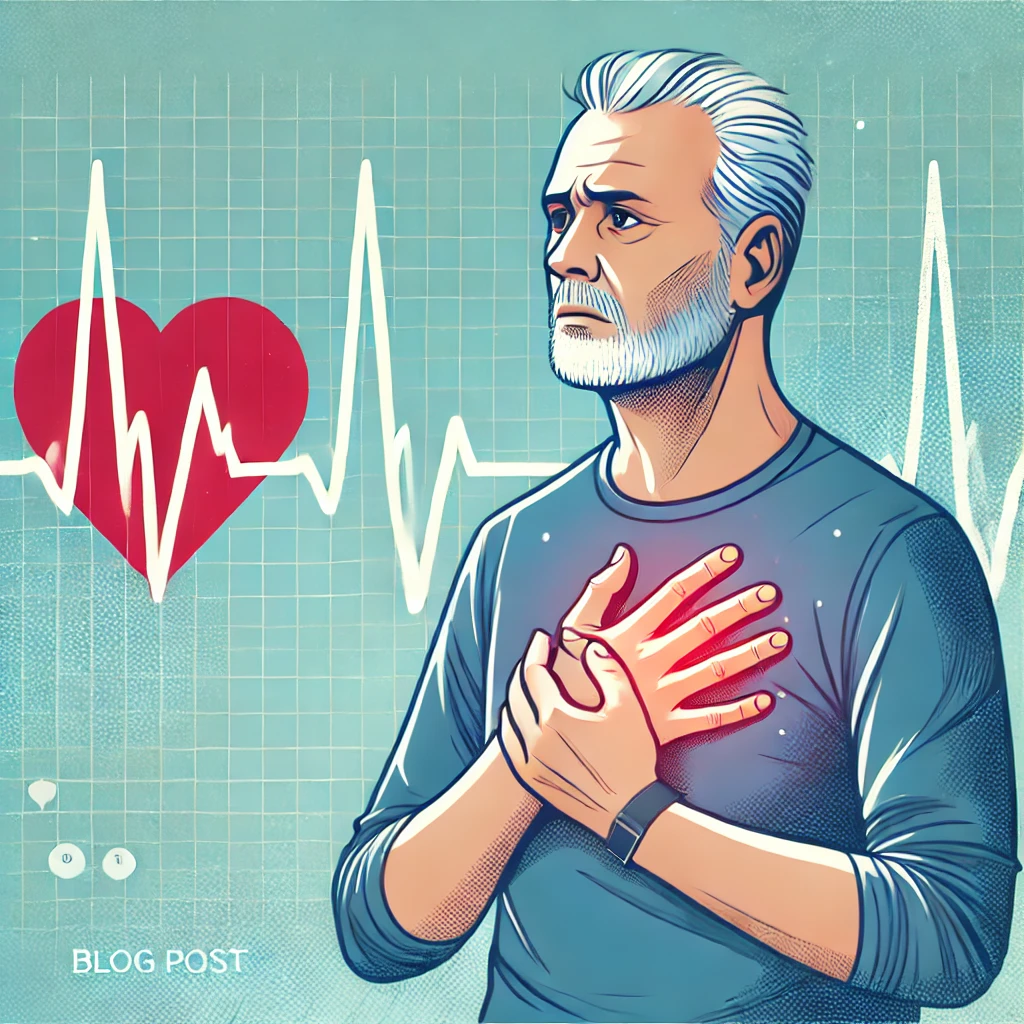
That sudden awareness of your heart beating faster, skipping a beat, or pounding in your chest can be unsettling. You’re experiencing what doctors call palpitations, and while they might feel alarming, they’re actually quite common. Understanding what causes them, when to worry, and how they’re treated can help put your mind at ease.

What Are Heart Palpitations?

Heart palpitations are essentially your heightened awareness of your own heartbeat. Normally, you don’t notice your heart beating throughout the day. When palpitations occur, you suddenly become conscious of this usually automatic process. People describe the sensation in various ways: your heart might feel like it’s racing, pounding, fluttering, flip-flopping, or skipping beats entirely.

You can feel palpitations in different locations too. While most people notice them in their chest, you might also feel them in your throat or neck. Some people even hear their heartbeat, especially when lying in bed at night in a quiet room.

Common Causes of Palpitations

The most frequent trigger for palpitations is anxiety or stress. When you’re worried, scared, or experiencing a panic attack, your body’s fight-or-flight response kicks in, causing your heart to beat faster and harder. But anxiety isn’t the only culprit.

Lifestyle factors play a significant role. Caffeine from coffee, tea, or energy drinks can trigger palpitations, as can alcohol and spicy foods. Many people notice palpitations after eating large, heavy meals rich in carbohydrates or sugar. Smoking and recreational drugs like cocaine or amphetamines are also common triggers.

Hormonal changes during pregnancy, menstruation, or menopause frequently cause palpitations. During pregnancy, your body produces more blood to support your baby, which can make your heart work harder and create noticeable palpitations.

Certain medications, including asthma inhalers, decongestants, thyroid medications, corticosteroids, and some blood pressure drugs, may cause palpitations as a side effect.

Medical conditions can also be responsible. An overactive thyroid gland speeds up your metabolism and heart rate. Low blood sugar, anemia, dehydration, imbalances of potassium or magnesium, and fever can all trigger palpitations.

Arrhythmias are an abnormal rhythm of the heart that can be perceived as palpitations.  Common types include atrial fibrillation (irregular, often rapid heart rate) commonly known as afib, ventricular tachycardia or vtach, (a rapid heart rate that starts in the lower chambers of the heart), and premature ventricular contractions (extra heartbeats) sometimes called PVCs. Some arrhythmias such as PVCs are harmless, while others can increase the risk of stroke, heart failure, or sudden cardiac arrest.

Palpitations can be a sign of more serious heart disease, such as coronary artery disease, cardiomyopathy, or heart valve problems. These often come with other symptoms such as chest pain, dizziness, or shortness of breath.

Recognizing the Symptoms

Beyond the basic awareness of your heartbeat, palpitations can come with additional sensations. You might feel like your heart is beating too fast or too hard. Some people describe a fluttering sensation, like butterflies in their chest. Others feel like their heart is skipping beats or adding extra ones.

The timing and triggers of your palpitations can provide important clues. Some people only notice them at night when lying down, simply because there are fewer distractions. Others experience them after exercise, during stressful situations, or following meals.

Most palpitations are brief, lasting just seconds to a few minutes. However, if they persist for longer periods or occur frequently throughout the day, they warrant medical attention.

How Palpitations Are Diagnosed

When you visit your doctor about palpitations, they’ll start with a detailed   conversation about your symptoms. They’ll ask you to describe exactly what you feel, when the palpitations occur, and what might trigger them. Your medical history, including any heart conditions, medications, and family history of heart problems, is crucial information.

The physical examination includes listening to your heart and lungs with a stethoscope, checking your blood pressure, and looking for signs of other conditions that might cause palpitations, such as an enlarged thyroid gland.

The most important initial test is an electrocardiogram (ECG or EKG), which records your heart’s electrical activity. This painless test can detect irregular heart rhythms if they occur during the recording. However, since palpitations often come and go, you might not experience them during the brief ECG.

For this reason, doctors often recommend longer-term monitoring. A Holter monitor is a portable device you wear for 24 to 48 hours that continuously records your heart rhythm during normal activities. Event monitors can be worn for weeks or months, and you activate them when you feel symptoms.

Blood tests can check for conditions like anemia, thyroid problems, or electrolyte imbalances that might trigger palpitations. An echocardiogram, which uses sound waves to create images of your heart, can reveal structural problems.

Benign vs. Dangerous Palpitations

Here’s the good news: most palpitations are benign and don’t indicate serious heart problems. Research shows that about 16% of people see their primary care doctor for palpitations, but the vast majority have harmless causes.

Benign palpitations typically occur in people with normal heart function and no structural heart disease. They’re often triggered by identifiable factors like stress, caffeine, or hormonal changes. These palpitations usually last only seconds to minutes and resolve on their own.

However, certain warning signs suggest palpitations might indicate a more serious condition. Seek immediate medical attention if palpitations occur with chest pain, severe shortness of breath, dizziness, fainting, or near-fainting episodes. These symptoms could indicate dangerous heart rhythms that affect your heart’s ability to pump blood effectively.

People with existing heart disease, previous heart attacks, or significant risk factors for heart disease should take palpitations more seriously. In these cases, palpitations might signal a dangerous arrhythmia that requires prompt treatment.

The pattern of palpitations can also provide clues. Sustained episodes lasting hours, very frequent daily occurrences, or palpitations that worsen over time are more concerning than occasional brief episodes.

Treatment and Management Options

Treatment for palpitations depends entirely on their underlying cause. When palpitations are benign and caused by lifestyle factors, the focus is on avoiding triggers and making healthy changes.

Stress management is often the most effective intervention. Techniques like deep breathing exercises, meditation, yoga, or regular counseling can significantly reduce stress-related palpitations. Regular exercise, while it might temporarily increase your heart rate, actually helps reduce overall palpitation frequency by improving cardiovascular fitness and stress resilience.

Dietary modifications can be very effective. Reducing or eliminating caffeine, limiting alcohol consumption, and avoiding large heavy meals can prevent many episodes. Staying well-hydrated and maintaining stable blood sugar levels through regular, balanced meals also helps.

For palpitations caused by medical conditions, treating the underlying problem usually resolves the symptom. This might involve thyroid medication for hyperthyroidism, iron supplements for anemia, or adjusting medications that trigger palpitations.

When palpitations are caused by heart rhythm disorders, more specific treatments may be necessary. Medications called beta-blockers can slow heart rate and reduce palpitation frequency. For more serious arrhythmias, doctors might recommend procedures like catheter ablation, which uses targeted energy to correct abnormal electrical pathways in the heart.

Some people benefit from devices like pacemakers (for slow heart rhythms) or implantable cardioverter defibrillators (for dangerous fast rhythms). However, these interventions are reserved for serious heart conditions, not typical benign palpitations.

While most current treatments focus on medications and procedures, emerging technologies like smartphone monitoring and wearable devices may play larger roles in future palpitation management.

When to Seek Help

Most palpitations don’t require emergency care, but certain situations demand immediate attention. Call 911 if palpitations occur with chest pain or pressure, severe shortness of breath, fainting, severe dizziness, if your pulse feels very fast or erratic, or any signs that might indicate a heart attack.

Schedule a regular appointment with your doctor if you experience frequent palpitations, if they’re interfering with your daily activities, or if you have risk factors for heart disease. Even if your palpitations turn out to be benign, getting proper evaluation provides peace of mind and ensures you’re not missing any underlying conditions.

Remember, while palpitations can feel frightening, they’re usually harmless. Recognizing the difference between harmless triggers and signs of more serious conditions and understanding their causes and knowing when to seek help are keys to managing your heart health

The U.S. Public Health Service: Guardians of America’s Health

The United States Public Health Service (USPHS) has quietly served as the backbone of the nation’s public health infrastructure for over two centuries. From its beginnings as a maritime medical service to its current role as a comprehensive public health organization, the USPHS has evolved to meet the changing medical challenges facing Americans and to protect and promote the health of the nation.

Origins and Early History

The U.S. Public Health Service traces back to 1798, when President John Adams signed “An Act for the Relief of Sick and Disabled Seamen.” This legislation established the Marine Hospital Service and created a network of hospitals to care for the merchant sailors who served America’s growing maritime commerce. The act represented one of the first examples of federally mandated health insurance, as ship owners were required to pay 20 cents per month per sailor to fund medical care.

The Marine Hospital Service initially operated a series of hospitals in major port cities including Boston, New York, Philadelphia, and Charleston. These facilities served not only sick and injured sailors but also played a crucial role in preventing the spread of infectious diseases that could arrive on ships from foreign ports. This dual function of treatment and prevention would become a defining characteristic of the USPHS mission.

The transformation from the Marine Hospital Service to the modern Public Health Service began in the late 19th century. In 1889, the organization was restructured and placed under the supervision of Dr. John Maynard Woodworth as Supervising Surgeon—later Surgeon General—marking the beginning of its evolution into a more comprehensive public health agency. The name was officially changed to the Public Health and Marine Hospital Service in 1902, and finally to the U.S. Public Health Service in 1912, reflecting its expanded mandate beyond maritime health.

Evolution and Expansion

The early 20th century brought significant expansion to the USPHS mission. The 1906 Pure Food and Drug Act gave the service regulatory responsibilities, leading to the creation of what would eventually become the Food and Drug Administration. During World War I, the USPHS took on additional responsibilities for military health and epidemic control, establishing its role as a rapid response organization for national health emergencies.

The Great Depression and World War II further expanded the service’s scope. The Social Security Act of 1935 created new public health programs administered by the USPHS, while wartime demands led to increased focus on occupational health, environmental health hazards, and the health needs of defense workers. The post-war period saw the establishment of the National Institutes of Health—originally called the Laboratory of Hygiene—as part of the USPHS, cementing its role in medical research.

Major Functions and Modern Roles

Today’s U.S. Public Health Service operates as part of the Department of Health and Human Services and supports major agencies and functions. The service’s mission centers on protecting, promoting, and advancing the health and safety of the American people through several key areas.

Disease Prevention and Health Promotion are the core of USPHS activities. It works with the Centers for Disease Control and Prevention (CDC), to lead national efforts in the prevention and control of infectious and chronic diseases. From tracking disease outbreaks to promoting vaccination programs, the USPHS a part of America’s first line of defense against health threats.

Regulatory and Safety Functions represent other crucial areas. The USPHS coordinates with the Food and Drug Administration (FDA) to ensure the safety and efficacy of medications, medical devices, and food products. It works with the Agency for Toxic Substances and Disease Registry monitoring environmental health hazards. Other USPHS components are involved in regulating everything from clinical laboratories to health insurance portability.

Emergency Response and Preparedness has become increasingly important in recent decades. The USPHS maintains rapid response capabilities for natural disasters, disease outbreaks, and public health emergencies. This includes the deployment of Commissioned Corps officers to disaster zones and the maintenance of strategic national stockpiles of medical supplies.

Health Services for Underserved Populations continues the service’s historic mission of providing care where it’s most needed. The Health Resources and Services Administration oversees community health centers, rural health programs, and initiatives to address health disparities among vulnerable populations.  The Indian Health Service is an important part of the USPHS, providing healthcare to often isolated communities.

The Commissioned Corps

One of the most distinctive features of the USPHS is its Commissioned Corps, a uniformed service of over 6,000 public health professionals. Established in 1889, the Corps operates as one of the eight uniformed services of the United States, alongside the armed forces, NOAA Corps, and Coast Guard. Officers hold military-style ranks and wear uniforms, but their mission focuses entirely on public health rather than defense.

The Commissioned Corps provides a ready reserve of highly trained health professionals who can be rapidly deployed to address public health emergencies. From hurricane and disaster relief to pandemic assessment and treatment, Corps officers have served on the front lines of America’s health challenges, providing everything from direct patient care to epidemiological investigation and public health program management.

Contemporary Challenges and Future Directions

The U.S. Public Health Service continues to evolve in response to emerging health challenges. Climate change, antimicrobial resistance, mental health crises, and health equity concerns represent current priorities. The COVID-19 pandemic demonstrated both the critical importance of robust public health infrastructure and the challenges of maintaining public trust in health authorities.

As America faces an increasingly complex health landscape, the USPHS mission of protecting and promoting the nation’s health remains as relevant as ever. From its origins serving sailors in port cities to its current role addressing global health threats, the U.S. Public Health Service continues its quiet but essential work of safeguarding American health, adapting its methods while maintaining its core commitment to serving the public good.

The service’s history shows that effective public health requires not just scientific expertise, but also the institutional ability to respond rapidly to emerging threats, the authority to implement necessary interventions, and the public trust to lead national health initiatives. As new challenges appear, the USPHS continues to build on its more than two-century legacy of service to the American people.

A Simple Guide to Understanding Common Blood Tests

Introduction

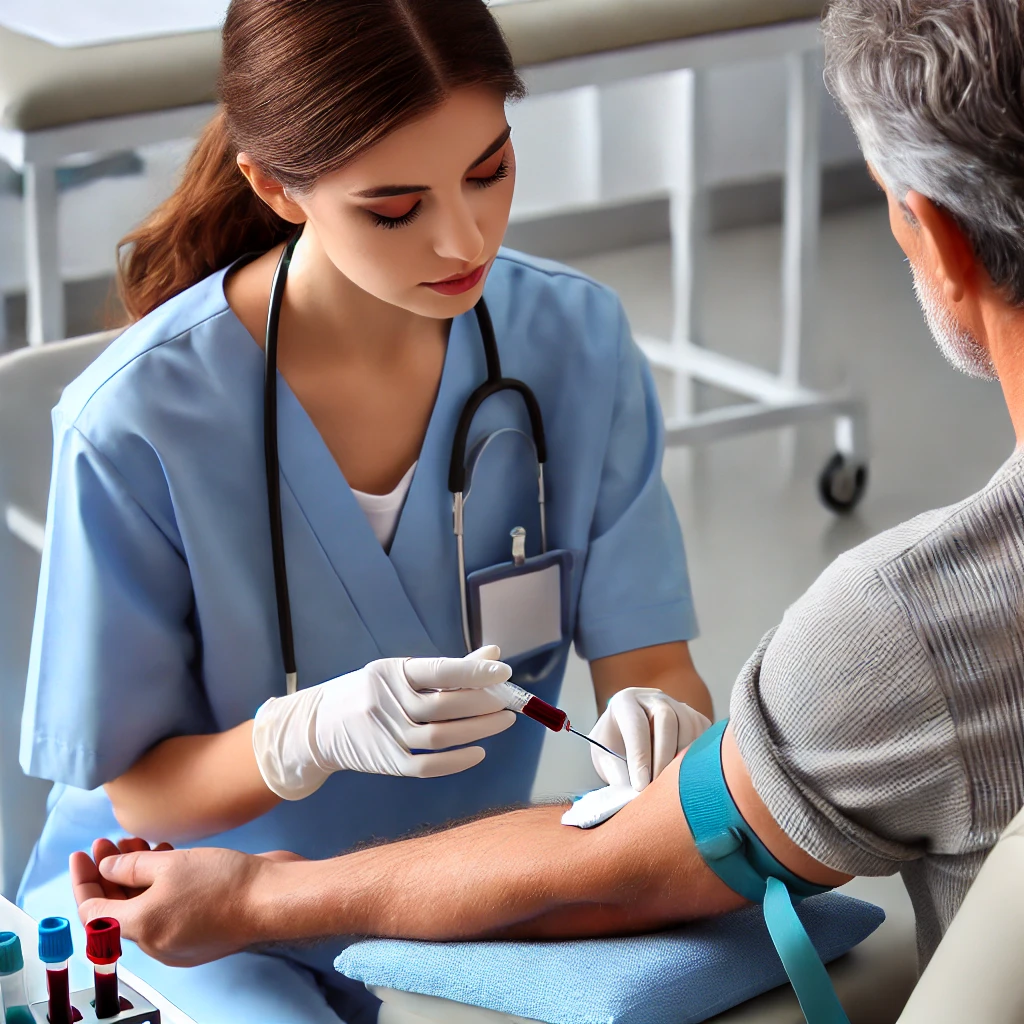
Blood tests are a common part of both health maintenance and diagnostic visits.  Doctors order blood tests to assess and monitor various aspects of a patient’s health. Blood tests can help detect illnesses, confirm a diagnosis, or monitor ongoing health conditions. For example, a complete blood count (CBC) checks for conditions like anemia or infection, while a lipid panel measures cholesterol levels to aid in assessing heart disease risk. Blood tests can also monitor organ function, such as the liver and kidneys, ensuring they are working properly. They are used to track how well treatments, like medications, are working, or to detect side effects that might not be immediately apparent. Additionally, blood tests provide crucial information about electrolyte levels, hormone balances, and metabolic activity, helping doctors make informed treatment decisions. Overall, these tests give doctors a detailed look at the body’s internal functions, often identifying potential issues before they become more serious or even apparent.

Understanding Normal Ranges

Before discussing the individual tests, let’s look at how you should go about understanding the results that are being presented. Blood tests are reported quantitatively, that is the results are shown as numbers. Along with the value for your individual test you will find the reference range. This is the range of normal values from low to high established by the lab. It can vary slightly from lab to lab. Values from one lab are not always directly comparable to those of another.  Individual labs may also change their reference range from time to time.

How are these normal ranges established? They are established through population studies that consider large samples of healthy individuals and look at factors like sex, age and ethnicity. The standard normal values are developed using a bell-shaped curve. “Normal” is usually defined as those test results that fall within two standard deviations of the mean, that includes about 95% of all results. This leaves about 5% of the normal healthy population with test results that will be slightly outside the normal range presented. That’s why it’s important to discuss your individual results with your doctor to get a better understanding of where you fit in the normal range and whether a minimally abnormal result is of true clinical significance.

Commonly ordered blood tests

1. Complete Blood Count (CBC)

A CBC measures the different components of your blood, which includes:

  • Red Blood Cells (RBCs): These carry oxygen from your lungs to the rest of your body. Low levels could indicate anemia.  There are also several conditions that can cause elevated levels.
  • White Blood Cells (WBCs): These help fight infections. If they’re too high, it might mean an infection, inflammation, or other conditions such as leukemia.
  • Hemoglobin: This is the protein in red blood cells that carries oxygen. Low hemoglobin often points to anemia which can be caused by several underlying problems.
  • Hematocrit: This is the percentage of red blood cells in your blood. It helps to diagnose anemia or dehydration.
  • Platelets: These help your blood clot. Abnormal levels can lead to excessive bleeding if levels are low or excessive clotting problems if levels are high.

Why it’s important: CBC is a key test to diagnose infections, anemia, or clotting issues.

2. Comprehensive Metabolic Panel (CMP)

A CMP checks the body’s metabolism and organ function. It includes:

  • Electrolytes: Sodium, potassium, and chloride are vital for nerve and muscle function. Abnormalities can cause weakness or heart arrhythmias.
  • Blood Urea Nitrogen (BUN) and Creatinine: These measure kidney function. High levels may indicate kidney disease.
  • Glucose: Blood sugar levels; important for diagnosing diabetes.
  • Liver Enzymes (ALT, AST): Elevated levels can indicate liver damage.
  • Albumin: A protein made by the liver; low levels may be associated with liver or kidney disease or other metabolic disorders.

Why it’s important: The CMP gives a broad view of how your liver, kidneys, and metabolism are functioning.

3. Thyroid Panel

The thyroid panel includes:

  • Thyroid-Stimulating Hormone (TSH): Signals the thyroid to produce hormones. High TSH often means low thyroid activity (hypothyroidism), while low TSH can indicate overactivity (hyperthyroidism).
  • T3 and T4: These hormones regulate metabolism. Abnormal levels can affect energy, weight, and mood.

Why it’s important: Thyroid issues can cause fatigue, weight changes, and mood disturbances; this panel helps evaluate the cause of those conditions.

4. Hemoglobin A1C

This test measures your average blood sugar levels over the past 2-3 months. It’s used to:

  • Diagnose diabetes: An A1C of 6.5% or higher from most reference labs indicates diabetes.
  • Monitor diabetes: For people with diabetes, it helps gauge how well blood sugar is being controlled.

Why it’s important: A1C is crucial for diagnosing and managing diabetes, as it provides a long-term view of blood sugar control.  A1C will be discussed in more detail in a future article on diabetes.

5. Vitamin D Levels

Vitamin D helps regulate calcium and phosphate, which are important for bone health. Low levels are common and can lead to:

  • Bone weakness: This can cause conditions like osteoporosis.
  • Fatigue and muscle pain.

Why it’s important: Many people are deficient in vitamin D, and low levels can increase the risk of bone fractures and other health issues.

6. Vitamin B12 Levels

Vitamin B12 is essential for nerve function and producing red blood cells. A deficiency can cause:

  • Fatigue and weakness: Low B12 can lead to anemia.
  • Nerve damage: Tingling, numbness, or memory problems may occur with long-term deficiency.

Why it’s important: Identifying B12 deficiency is key, especially in older adults, as it can prevent neurological and cognitive problems.

7. Prostate-Specific Antigen (PSA)

PSA is a protein produced by the prostate gland. High levels of PSA can indicate:

  • Prostate cancer.
  • Benign prostatic hyperplasia (BPH): An enlarged prostate, which is common as men age.
  • Prostatitis: Inflammation or infection of the prostate.

Why it’s important: PSA is used primarily for early detection of prostate cancer, especially in men over 50.  PSA will be discussed further in a future article on prostate cancer.

8. Cholesterol Panel (Lipid Panel)

This test measures fats in the blood, including:

  • Total Cholesterol: High levels indicate increased risk of heart disease.
  • Low-Density Lipoprotein (LDL): Often called “bad” cholesterol, high LDL can lead to plaque buildup in arteries.
  • High-Density Lipoprotein (HDL): Known as “good” cholesterol, HDL helps remove LDL from the arteries.
  • Triglycerides: Another type of fat that, when elevated, raises the risk of heart disease.

Why it’s important: Monitoring cholesterol is crucial for heart health, as high cholesterol is a major risk factor for heart disease and stroke.

Significance of Abnormal Results

Abnormal test results don’t always mean something immediately serious, but they can be early warning signs. For example:

  • High glucose or A1C: Could indicate diabetes or prediabetes.
  • Low red blood cells or hemoglobin: Suggests anemia, possibly from iron deficiency or chronic disease.
  • High liver enzymes: May indicate liver inflammation or damage, possibly from alcohol use or infections like hepatitis or overuse of medications such as acetaminophen.
  • High PSA: Could be a sign of prostate cancer, but it could also result from less serious conditions like an enlarged prostate or a prostate infection.

Review your blood tests with your doctor. The better you understand your individual results, the better you can participate in your own health management. This knowledge can be empowering when choosing the health care plan that is best for you.

The Grumpy Doc says see your doctor and ask questions. Your doctor should never be offended by questions; they will be glad you are taking an active interet in your health care. Take a written list of your concerns with you so you don’t forget what you wanted to ask. Even The Grumpy Doc occasionally forgets things (as difficult as that may be to believe).

Page 2 of 2

Powered by WordPress & Theme by Anders Norén