
Grumpy opinions about everything.

Tag: Health & Wellness

Supplement Smarts: What Seniors Should Know Before Reaching for That Bottle

Walk through the supplement aisle of any pharmacy and you’ll find shelf after shelf of promises — stronger bones, sharper memory, less joint pain, better sleep. Americans spend roughly $60 billion a year on dietary supplements, and seniors are among the most enthusiastic buyers. But which of these products actually deliver, which are harmless but ineffective, and which could do real damage? The answers are more nuanced than the marketing suggests.

Older adults are often drawn to supplements because aging changes appetite, digestion, medication use, and nutrient absorption. But the general rule is simple: supplements work best when they fill a documented gap, and they are least useful when they are taken as a broad “insurance policy” by otherwise well-nourished people. Let’s take a closer look.

First, a ground rule that applies to everything in this article: dietary supplements are not FDA-approved drugs. The FDA treats them more like foods, meaning manufacturers don’t have to prove effectiveness before selling them. Quality control also varies widely — what’s on the label may not always match what’s in the bottle. As a result, the scientific evidence behind many supplements is limited or inconsistent. When shopping, look for products with a USP (United States Pharmacopeia) verified mark, which indicates independent testing for identity, purity, and potency.

The Genuinely Helpful Ones

Vitamin D and Calcium are probably the most well-supported supplements for older adults. Bone loss accelerates with age, and these two nutrients work as a team — calcium provides the raw material for bone, while vitamin D helps the body absorb it. The National Institute on Aging recommends 600 IU of vitamin D daily for adults aged 51–70, and 800 IU for those over 70. Most seniors don’t get enough from diet or sun exposure alone, making supplementation genuinely sensible for many people. This is especially true for prople with documented deficiency or osteoporosis risk.  One important caveat: don’t go overboard. Too much vitamin D can cause calcium to build up in the blood, potentially harming the kidneys and blood vessels.

Vitamin B12 is another legitimate priority; Up to 15 percent of older adults may bedeficient.. Older adults are prone to B12 deficiency not because they eat less of it, but because the stomach produces less acid with age, and stomach acid is needed to release B12 from food. Those taking acid-blocking medications are at even higher risk. Deficiency can cause nerve damage and anemia. The good news is that the form of B12 in supplements is absorbed without needing stomach acid, making supplements effective where food sources may fall short.

Omega-3 fatty acids, found in fish oil, have earned a solid reputation for lowering triglycerides — a type of blood fat linked to heart disease. A large study of over 400,000 people found associations between fish oil use and improved cholesterol profiles. However, the picture is more complicated for other claimed benefits. Evidence for omega-3s preventing dementia is mixed, and some research suggests fish oil can actually raise LDL (“bad”) cholesterol in certain people, so monitoring is wise. For those who can’t eat fatty fish regularly, fish oil is a reasonable backup — just don’t expect miracles beyond the triglyceride benefit.

Melatonin has moderate scientific support for improving sleep, which is a chronic issue for many older adults. It’s particularly helpful for resetting disrupted sleep cycles. The key is using it at low doses — often 0.5 to 3 mg is sufficient, though most over-the-counter products contain far more. It’s generally well tolerated but should not replace evaluation of underlying sleep disorders.

Creatine and protein supplements may sound like something only gym rats need, but research increasingly supports their role in combating sarcopenia — the age-related loss of muscle mass that can lead to falls and loss of independence. A 2024 Stanford review found that creatine supplementation, combined with resistance training, can meaningfully preserve muscle in adults over 65. Branched-chain amino acids (BCAAs) can play a supporting role in certain situations, particularly when protein intake from food is inadequate. Vegans should pay particular attention to protein intake.

The Ambiguous Middle Ground

Glucosamine and chondroitin are among the most popular supplements for joint pain, and the scientific debate around them has been going on for decades. These are naturally occurring compounds in cartilage, and the theory is that supplementing them may slow joint deterioration in osteoarthritis. A 2024 systematic review of 146 studies found that over 90% of the studies reported positive outcomes — impressive on its face. But the landmark NIH-funded GAIT trial told a more sobering story: glucosamine and chondroitin, alone or together, were no more effective than a placebo for most people with knee osteoarthritis. The exception was a subgroup with moderate-to-severe pain, who did show moderate improvement. Safety is generally good, but those on blood thinners like warfarin should be careful, as glucosamine may affect clotting.

Turmeric and curcumin have generated enormous popular interest, and there’s at least a plausible scientific basis for the excitement. Curcumin, the active compound in turmeric, is a potent anti-inflammatory and antioxidant. Multiple clinical trials support some benefit for knee pain, and some research suggests potential benefits for cognitive health. However, curcumin is poorly absorbed on its own, which is why many products add black pepper (piperine) or use enhanced delivery formulations. The overall evidence, while promising, is still described as “mixed or low quality” by most reviewers. If you do try it, look for a formulation with enhanced bioavailability and give it at least 4–8 weeks and be aware that it may cause gastrointestinal symptoms.

Saw palmetto is widely used by older men for symptoms of benign prostatic hyperplasia (BPH) — the enlarged prostate that causes frequent urination. A 2024 updated Cochrane review found some evidence of limited benefit for urinary symptoms for some men, though the results are inconsistent and most mainstream urology guidelines do not formally recommend it. It’s generally well tolerated. Men using it should still get their prostate checked regularly and not assume saw palmetto rules out other conditions.

Magnesium has had a social media moment, with enthusiastic claims about better sleep, improved mood, and reduced muscle cramps. The actual science is more cautious — there’s limited evidence for magnesium supplements providing any of these benefits in people who aren’t already deficient. That said, deficiency is relatively common in older adults, and correction of a true deficiency can absolutely help. A blood test can tell you if you actually need it.

Multivitamins present a genuine paradox. They’re the most commonly taken supplement category, often recommended by physicians as a nutritional safety net. And for seniors with reduced appetite or limited dietary variety, that logic holds. But large, well-designed studies have found limited evidence that multivitamins improve longevity or prevent major diseases in otherwise healthy older adults. A newer 2024 analysis from the COSMOS trial suggests some modest benefit for cognitive function. Senior-specific multivitamins are preferred — they typically contain more vitamin D and B12 and less or no iron, which reflects the actual needs of older adults.

The Ones That Raise Red Flags

Iron supplements deserve special caution in older men and post-menopausal women. Unless there’s a documented deficiency confirmed by blood testing, taking iron supplements can be harmful. In men, iron overload is a genuine risk, and about twice as many men carry the gene for hereditary hemochromatosis (a condition where the body absorbs too much iron) as carry the gene for iron deficiency. Excess iron has been linked to liver damage and may raise cancer risk. Senior-specific multivitamins wisely contain little or no iron for exactly this reason.

High-dose Vitamin A is another potential problem. The liver’s ability to clear vitamin A decreases with age, and older adults absorb more of it. Doses above recommended daily values can accumulate to toxic levels, potentially harming the liver. This is specifically the retinol form of vitamin A.  Beta-carotene from plant sources is much safer. Check your multivitamin label carefully.

High dose Vitamin B6 can cause nerve damage, balance problems, and sensory neuropathy when taken over long periods but is safe at recommended levels.

Many supplements claim to improve memory or prevent dementia. Unfortunately, the evidence is generally weak. Fish oil, ginkgo biloba, and other popular products have not demonstrated clear benefits for preventing cognitive decline in controlled studies.   Some research suggests that long-term supplementation with B vitamins might slow certain aspects of cognitive decline in specific populations, but results remain inconsistent.

St. John’s Wort is widely used for mild depression, but it comes with a serious warning: it interacts with a long list of medications, including antidepressants, blood thinners, heart medications, and antiretroviral drugs. For seniors managing multiple conditions with multiple prescriptions, this herb is particularly risky. Ginkgo biloba carries similar drug interaction concerns, especially around bleeding risk when combined with blood thinners or aspirin.

High-dose antioxidants — vitamins A, C, and E taken in large amounts — have largely failed to deliver on their promise of preventing heart disease and cancer. The US Preventive Services Task Force does not recommend these for prevention. In some cases, large antioxidant supplements may actually interfere with the body’s natural disease-fighting mechanisms.

The Bottom Line

Given the mixed evidence, a sensible approach to supplements includes several principles:

  1. Food first. A balanced diet usually provides most necessary nutrients.
  2. Test before supplementing. Blood tests can identify deficiencies such as B12 or Vitamin D.
  3. Avoid megadoses. Excessive intake of vitamins can cause toxicity.
  4. Check medication interactions. Many supplements interact with common drugs, including blood thinners.
  5. Treat supplements like medications. They should have a clear purpose and measurable benefit.

Supplements that address documented deficiencies or fill genuine dietary gaps — vitamin D, B12, calcium, omega-3s — offer the best evidence for benefit in seniors. Joint supplements like glucosamine and turmeric may help some people, though the evidence is mixed enough that a try-and-see approach (with a 2–3 month window to assess benefit) is reasonable. And several common supplements, particularly iron in unsupervised use, high-dose vitamin A, and certain herbals in combination with medications, carry risks that are easy to overlook because they’re sold without a prescription.

I always advised my patients to bring all their supplement bottles to at least one visit each year and to bring any medicines prescribed by specialists. Physicians can spot dangerous overlaps, flag interactions with your prescriptions, and tell you if what you’re taking makes sense for you. Many seniors never hear a list of side effects for supplements the way they do for prescription drugs — and they often assume that means there aren’t any. That assumption, unfortunately, can be costly.

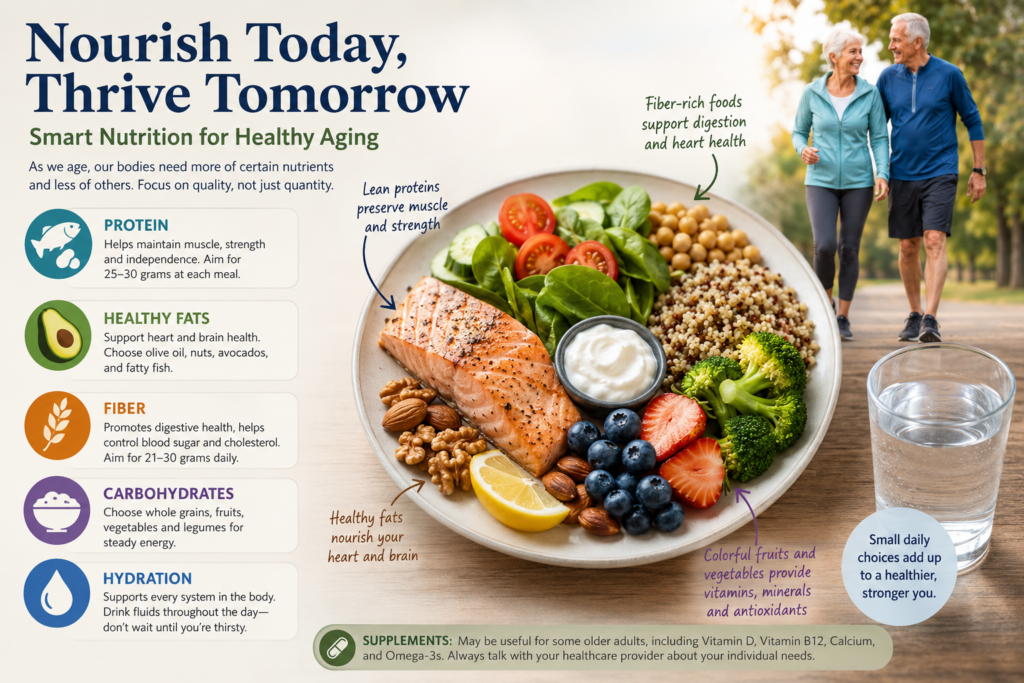
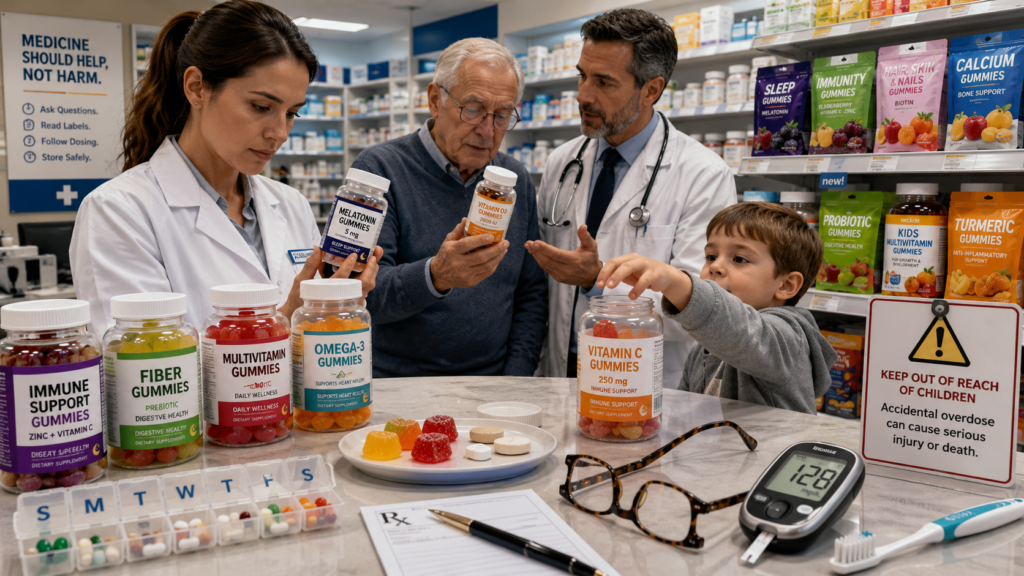
Illustration generated by author using ChatGPT.

Sources

Kaufman MW et al. Nutritional Supplements for Healthy Aging: A Critical Analysis Review. American Journal of Lifestyle Medicine, 2024.

National Institute on Aging. Dietary Supplements for Older Adults.

National Institute on Aging. Vitamins and Minerals for Older Adults.

Linus Pauling Institute, Oregon State University. Older Adults — Micronutrient Information Center.

Baden KER et al. The Safety and Efficacy of Glucosamine and/or Chondroitin in Humans: A Systematic Review. Nutrients, 2025.

National Center for Health Research. Glucosamine Supplements: Do They Work and Are They Safe?

BodySpec. Supplements for Joint Health: 2025 Evidence-Based Guide.

UCHealth Today. Dietary Supplements: Are These 14 Common Vitamins and Supplements Beneficial or a Waste of Money?

Cleveland Clinic. Dietary Supplements Compound Health Issues for Older Adults.

FDA. Mixing Medications and Dietary Supplements Can Endanger Your Health.

NIH Office of Dietary Supplements. Iron — Health Professional Fact Sheet.

NIH Office of Dietary Supplements. Multivitamin/Mineral Supplements — Health Professional Fact Sheet.

Foods (MDPI). Food Supplements and Their Use in Elderly Subjects — Challenges and Risks. 2024.

PMC. Improving Cognitive Function with Nutritional Supplements in Aging: A Comprehensive Narrative Review. 2023.

Memorial Healthcare System. Herbal Supplements and Prescription Drugs: Know the Risks. 2024.

WebMD. Saw Palmetto: Overview, Uses, Side Effects, Precautions.

________________________________________________

Medical Disclaimer

The information provided in this article is intended for general educational and informational purposes only and does not constitute medical advice. It should not be used as a substitute for professional medical advice, diagnosis, or treatment.

Always seek the guidance of a qualified healthcare provider with any questions you may have regarding a medical condition or treatment. Never disregard professional medical advice or delay seeking it because of something you have read here.

If you are experiencing a medical emergency, call 911 or your local emergency number immediately.

The author of this article is a licensed physician, but the views expressed here are solely those of the author and do not represent the official position of any hospital, health system, or medical organization with which the author may be affiliated.

Lipoprotein(a): The Hidden Genetic Risk Factor That’s Finally Being Recognized

For decades, most doctors, me included, focused on the usual suspects when assessing heart disease risk: LDL cholesterol, HDL cholesterol, triglycerides, blood pressure, and lifestyle factors like smoking, activity, and diet. But lurking in the background was another player that most of us didn’t routinely check and most patients had never heard of—lipoprotein(a), abbreviated as Lp(a) and pronounced “L-P-little-A.”

Here’s the sobering reality: about one in five people worldwide have elevated Lp(a) levels, and if you’re among them, your risk of heart attack or stroke roughly doubles or triples. Yet until recently, most clinical guidelines didn’t even recommend testing for it. Why? Because there wasn’t much doctors could do about it even if we found it. That’s changing now, and the story of Lp(a) offers a window into how medicine sometimes waits for treatment options before fully embracing a diagnostic test.

What Exactly Is Lipoprotein(a)?

Lp(a) is structurally similar to LDL cholesterol—both are cholesterol-carrying particles—but Lp(a) has an extra protein component called apolipoprotein(a), or apo(a), that makes it particularly troublesome. The structure of this protein varies dramatically between individuals due to differences in genetic sequences, and the specific variant you inherit from your parents determines your Lp(a) level for life.

Unlike LDL cholesterol, which rises with age and responds to diet and exercise, your Lp(a) level remains largely constant throughout your lifetime. Eating better, exercising more, losing weight—none of the lifestyle interventions that work wonders for other cardiovascular risk factors will budge your Lp(a). It’s entirely genetic. There’s also significant variation across populations, with individuals of African descent tending to have higher average Lp(a) levels compared to people of White or Asian backgrounds, though the clinical implications of these differences are still not well understood.

Getting Tested: Who Should Do It and How Does It Works

The blood test for Lp(a) isn’t part of a routine cholesterol panel—your doctor has to specifically order it. So, who should be tested? Current recommendations focus on people with a family history of high Lp(a), those with a personal or family history of premature heart disease (cardiovascular events before age 55 in men or 65 in women), and anyone diagnosed with familial hypercholesterolemia, a genetic condition where the body poorly recycles LDL cholesterol. About a third of people with familial hypercholesterolemia also have high Lp(a), compounding their cardiovascular risk significantly.

Because Lp(a) levels don’t change over time, a single test is all you need. Results can be reported in two different units—milligrams per deciliter (mg/dL) or nanomoles per liter (nmol/L)—and there’s no universal agreement on what constitutes a risky level. Most American guidelines use a threshold of ≥50 mg/dL or ≥125 nmol/L as indicating increased cardiovascular risk, with levels below 30 mg/dL generally considered normal.

What High Lp(a) Means for Your Health

The evidence linking elevated Lp(a) to cardiovascular disease has become increasingly compelling over the past two decades. People with high Lp(a) face a two to threefold increased risk of heart attack and aortic valve disease. For those with extremely elevated levels above 180 mg/dL, the cardiovascular risk approaches that of people with untreated familial hypercholesterolemia (genetic extremely high cholesterol), which is notoriously dangerous.

Beyond heart attacks and valve problems, elevated Lp(a) has been linked to peripheral arterial disease (clogged arteries) and aortic aneurysms. What makes it particularly insidious is that it contributes to what researchers call “residual cardiovascular risk”—meaning it raises your chances of a cardiovascular event even when your LDL cholesterol is well controlled. You could be doing everything right by traditional measures and still be at elevated risk if your Lp(a) is high.

A large multi-ethnic study following nearly 28,000 people for an average of 21 years found that higher Lp(a) levels were consistently associated with greater cardiovascular disease risk across different ethnic groups and in both men and women. The mechanism involves both promoting arterial plaque buildup and increasing blood clot formation—a double threat to cardiovascular health.

Current Management Options: Limited but Important

This is where the story gets frustrating. For years, the honest answer to “what can I do about my high Lp(a)?” has been: not much directly, but a few things indirectly.

While lifestyle changes won’t affect your Lp(a) numbers, people with high levels should still follow all standard heart-healthy practices—physical activity, good nutrition, adequate sleep, avoiding smoking, and maintaining a healthy weight. The logic is straightforward: if you can’t eliminate one major risk factor, be more diligent about controlling all the others.

People with high Lp(a) may also benefit from more aggressive LDL cholesterol treatment, even if their LDL is already in a normal range. Some injectable cholesterol medications can lower Lp(a) by about 20% in some patients in addition to their primary effect on LDL. This helps overall cardiovascular risk even if it doesn’t fully address the Lp(a) problem.

For the most severe cases, the only FDA-approved treatment specifically targeting Lp(a) lipoprotein is apheresis which filters apolipoprotein-containing particles from the blood, achieving over 50% reduction. But the reductions are temporary, the procedure is similar to dialysis in its time demands, and it’s expensive and reserved for only the most extreme situations. It’s not a practical solution for the millions of people with moderately elevated levels.

The Treatment Revolution: New Therapies on the Horizon

Here’s where things get genuinely exciting. After decades of essentially no targeted treatment, five promising new therapies are now in advanced clinical development.

Four are RNA-based therapies that work by silencing the gene responsible for producing apolipoprotein(a) in the liver thereby preventing Lp(a) formation at its source. All are engineered to be taken up specifically by liver cells, where Lp(a) is made to minimize side effects elsewhere.

Early trial results have been remarkable. One drug, given as a monthly injection under the skin, has reduced Lp(a) levels by about 80%, with 98% of participants achieving levels below the risk threshold of 50 mg/dL. A phase 3 trial enrolling over 8,300 patients is expected to report results sometime in 2026, potentially leading to regulatory approval shortly after.

Other drugs have shown even more dramatic results, with one achieving a 93.9% reduction in Lp(a) with a single dose, with the effect persisting above 90% even at 360 days after just one injection.

There’s also an oral medication in development which works by preventing the apo(a) protein from assembling into Lp(a) particles in the first place. Taken daily as a pill, it has shown reductions of 63-65%—less dramatic than the RNA-based therapies, but potentially preferable for patients who want to avoid injections entirely.

The Critical Caveat

While these medications dramatically lower Lp(a) levels, we don’t yet have definitive proof that lowering Lp(a) will prevent heart attacks and strokes. That sounds counterintuitive—if high Lp(a) causes cardiovascular disease, then lowering it should help—but medicine requires rigorous evidence from randomized controlled trials. The FDA won’t approve these drugs based solely on their ability to improve a lab value; they need to demonstrate actual clinical benefit. Large outcome trials are underway and we should have answers within the next few years.

Where Things Stand Now

The story of Lp(a) reflects a broader tension in medicine: when should we test for something we can’t yet treat? For decades, many argued against routine screening precisely because no targeted therapies existed. That calculus has shifted. Recent reviews have concluded that the benefits of early detection now outweigh the risks, even though specific Lp(a)-lowering drugs are not yet approved, because early knowledge allows for more aggressive management of other risk factors.

For the roughly 20-25% of people with elevated Lp(a), the next few years could bring transformative options. If you fall into one of the higher-risk groups and have never been tested, it’s worth asking your doctor whether screening makes sense. The treatment landscape for Lp(a) is changing faster than it has in decades, and knowing your number today puts you in a much better position to act when those new options arrive.

Illustration generated by the author using ChatGPT.

Sources

American Heart Association. (n.d.). Lipoprotein (a). https://www.heart.org/en/health-topics/cholesterol/genetic-conditions/lipoprotein-a

American Heart Association. (n.d.). Lipoprotein (a) meaning and how does it impact my heart health? https://www.heart.org/en/health-topics/cholesterol/genetic-conditions/lipoprotein-a-risks

Beck, D. L. (2025). Lipoprotein(a): An independent risk factor for CV disease. American College of Cardiology. https://www.acc.org/latest-in-cardiology/articles/2025/12/01/01/feature-lipoprotein-a

Centers for Disease Control and Prevention. (2025). About lipoprotein (a). https://www.cdc.gov/heart-disease-family-history/about/about-lipoprotein-a.html

Cleveland Clinic. (2025). Novel siRNA reduces lipoprotein(a) by more than 90% for 48 weeks. https://consultqd.clevelandclinic.org/novel-sirna-reduces-lipoproteina-by-more-than-90-for-48-weeks

Corliss, J. (2025). Lipoprotein(a): An update on testing and treatment. Harvard Health Publishing. https://www.health.harvard.edu/heart-health/lipoproteina-an-update-on-testing-and-treatment

Grundy, S. M., & Stone, N. J. (2022). Lipoprotein(a): A genetically determined, causal, and prevalent risk factor for atherosclerotic cardiovascular disease: A scientific statement from the American Heart Association. Arteriosclerosis, Thrombosis, and Vascular Biology, 42(1), e48-e60. https://www.ahajournals.org/doi/10.1161/ATV.0000000000000147

Katsiki, N., et al. (2023). An update on lipoprotein(a): The latest on testing, treatment, and guideline recommendations. American College of Cardiology. https://www.acc.org/Latest-in-Cardiology/Articles/2023/09/19/10/54/An-Update-on-Lipoprotein-a

Lombardi, A., et al. (2024). Lipoprotein (a): Underrecognized risk with a promising future. PMC. https://pmc.ncbi.nlm.nih.gov/articles/PMC11607505/

Lombardo, C., et al. (2025). Lp(a)-lowering agents in development: A new era in tackling the burden of cardiovascular risk? PMC. https://pmc.ncbi.nlm.nih.gov/articles/PMC12115060/

Managed Healthcare Executive. (2025). New therapies on the way to lower Lp(a), a cardiovascular risk factor. https://www.managedhealthcareexecutive.com/view/new-therapies-on-the-way-to-lower-lp-a-a-cardiovascular-risk-factor

Papathanasiou, M., et al. (2025). Current clinical trials for treating elevated lipoprotein(a). PMC. https://pmc.ncbi.nlm.nih.gov/articles/PMC12282488/

Sabatine, M. S., et al. (2025). Lipoprotein(a) as a pharmacological target: Premises, promises, and prospects. Circulation. https://www.ahajournals.org/doi/10.1161/CIRCULATIONAHA.124.069210

StatPearls. (2024). Lipoprotein A. National Center for Biotechnology Information. https://www.ncbi.nlm.nih.gov/books/NBK570621/

Tsimikas, S., et al. (2025). Pelacarsen: Mechanism of action and Lp(a)-lowering effect. ScienceDirect. https://www.sciencedirect.com/science/article/pii/S1933287425003228

Tsimikas, S., et al. (2025). Rethinking cardiovascular risk: The emerging role of lipoprotein(a) screening. ScienceDirect. https://www.sciencedirect.com/science/article/pii/S2666667725000182

Wong, N. D., et al. (2024). Lipoprotein(a) and long-term cardiovascular risk in a multi-ethnic pooled prospective cohort. Journal of the American College of Cardiology. https://www.jacc.org/doi/10.1016/j.jacc.2024.02.031

Zambon, A., et al. (2023). Lipoprotein(a) as a risk factor for cardiovascular diseases: Pathophysiology and treatment perspectives. PMC. https://pmc.ncbi.nlm.nih.gov/articles/PMC10531345/

Fecal Microbiota Transplantation: When Waste Becomes Therapy

Today I’m going to talk about something that may sound unbelievable and maybe even a little gross—fecal transplant. Yes, it’s exactly what it sounds like. Getting a transplant of someone else’s poop.

The human gut contains trillions of microorganisms—bacteria, viruses, fungi—living in a complex ecosystem that influences everything from digestion to immune function. This is called the microbiome.  When this ecosystem gets disrupted, the consequences can range from uncomfortable to life-threatening. Enter one of medicine’s most counterintuitive treatments: fecal microbiota transplantation, or FMT, where stool from a healthy donor is transferred to a patient to restore a healthy community of gut microbes.

What Is FMT

The basic idea is simple: if someone’s microbiome has been badly disrupted (most commonly by repeated antibiotic exposure), replacing it with a balanced microbial ecosystem can help the gut recover.  At its core, FMT is taking fecal matter from a healthy donor and introducing it into a patient’s gastrointestinal tract. But it’s not the solid waste itself that matters; it’s the billions of beneficial bacteria and other microorganisms living in that material. Think of it as a probiotic treatment on steroids, delivering an entire functioning ecosystem rather than just a few select bacterial strains.

The gut microbiome plays crucial roles in digestion, vitamin production, immune system regulation, and even protection against harmful pathogens. When antibiotics, illness, or other factors devastate this ecosystem, dangerous bacteria like Clostridioides difficile (C. diff) can take over, causing severe diarrhea, inflammation, and potentially fatal infections.

The Clinical Track Record

While it may sound like “weird science”, FMT has been around for centuries. It was used in ancient Chinese medicine in a formulation called “yellow soup“ to treat food poisoning and intractable diarrhea. It was used as early as the 16th century in Europe to treat sick farm animals, particularly sheep and cattle.

FMT’s most dramatic success story involves C. diff infections, particularly the recurrent cases that don’t respond to antibiotics. Multiple randomized controlled trials have shown FMT to be remarkably effective—with cure rates often exceeding 80-90% for recurrent C. diff infections, compared to roughly 25-30% for continued antibiotic therapy. A landmark 2013 study reported in the New England Journal of Medicine was stopped early because FMT was so dramatically superior to standard treatment that continuing to withhold it from the control group seemed unethical.

Beyond C. diff, researchers are investigating FMT for inflammatory bowel diseases like ulcerative colitis and Crohn’s disease, with mixed but occasionally promising results. Some studies have shown potential for ulcerative colitis, with remission rates around 24-27%. The research into Crohn’s disease, irritable bowel syndrome, metabolic disorders, and even neurological conditions is ongoing but less conclusive. The FDA currently considers FMT an investigational treatment for most conditions except recurrent C. diff, where it’s become a recognized therapeutic option.

How It Works

The actual process of FMT can use several routes. The most common approaches involve colonoscopy, where the donated material is delivered directly to the colon, or through nasogastric or nasoduodenal tubes that thread through the nose down to the small intestine. More recently, oral capsules containing frozen, encapsulated donor stool have become available, offering a less invasive alternative that patients often prefer.

Before the transplant, the donated stool is carefully processed. It’s typically mixed with a saline solution and filtered to remove large particles while preserving the microbial communities. The resulting liquid suspension is what gets delivered to the patient. For frozen preparations, this material is mixed with a cryoprotectant, frozen at extremely cold temperatures, and can be stored for months before use.

The preparation isn’t just about the donor material—patients often undergo their own preparation. Many protocols include antibiotics to reduce the overgrowth of harmful bacteria before the transplant, followed by bowel cleansing similar to what you’d do before a colonoscopy. The idea is to create a relatively clean slate where the new microbial ecosystem can establish itself.

Sources of Donor Material

This brings us to one of the most critical aspects: donor selection and screening. Not just anyone can donate stool for medical use. The screening process is extensive and rigorous, rivaling or exceeding the scrutiny applied to blood donation.

Donors undergo detailed health questionnaires covering everything from recent travel and antibiotic use to gastrointestinal symptoms and risk factors for infectious diseases. They provide blood and stool samples that are tested for a long list of potential pathogens: C. diff, Helicobacter pylori, parasites, hepatitis A, B, and C, HIV, syphilis, and various other bacteria and viruses. The FDA issued guidance requiring additional testing for multi-drug resistant organisms after several patients contracted serious infections from FMT.

Donors generally fall into two categories: directed donors and universal donors. Directed donors are typically family members or friends who undergo screening and provide stool specifically for one patient. Universal donors go through the same rigorous screening but provide samples that can be used for multiple patients. These universal donors often work with stool banks—specialized facilities that collect, process, screen, and distribute donor material to healthcare providers.

The largest stool bank in the United States, OpenBiome, was founded in 2012 and has processed material from thousands of donors for tens of thousands of treatments. They report that only about 2-3% of volunteer donors successfully make it through the screening process, highlighting just how selective the criteria are. These banks have made FMT more widely available, eliminating the need for individual healthcare facilities to find and screen their own donors.

The Balance of Promise and Caution

While FMT represents a genuine breakthrough for recurrent C. diff infections, the medical community remains appropriately cautious about expanding its use. The FDA regulates FMT and has expressed concerns about potential risks, particularly after cases where patients developed serious infections from inadequately screened donors. There questions about the long-term effects of introducing another person’s microbiome, and there are theoretical concerns about transmitting conditions or predispositions we don’t fully understand.

The research into FMT for conditions beyond C. diff continues, but many trials have shown modest or inconsistent results. The microbiome’s role in health and disease is incredibly complex, and what works dramatically for one condition may not translate to others. Still, the fundamental insight—that our gut microbiome profoundly influences our health and that we can therapeutically manipulate it—has opened potential new avenues in medicine.

Sources

                1. van Nood, E., et al. (2013). “Duodenal Infusion of Donor Feces for Recurrent Clostridium difficile.” New England Journal of Medicine, 368(5), 407-415. https://www.nejm.org/doi/full/10.1056/NEJMoa1205037

                2. U.S. Food and Drug Administration. “Fecal Microbiota for Transplantation: Safety Information.” https://www.fda.gov/vaccines-blood-biologics/safety-availability-biologics/fecal-microbiota-transplantation-safety-information

                3. Cammarota, G., et al. (2017). “European consensus conference on faecal microbiota transplantation in clinical practice.” Gut, 66(4), 569-580. https://gut.bmj.com/content/66/4/569

                4. Moayyedi, P., et al. (2015). “Fecal Microbiota Transplantation Induces Remission in Patients With Active Ulcerative Colitis in a Randomized Controlled Trial.” Gastroenterology, 149(1), 102-109. https://www.gastrojournal.org/article/S0016-5085(15)00381-5/fulltext

                5. Kelly, C.R., et al. (2016). “Update on Fecal Microbiota Transplantation 2015: Indications, Methodologies, Mechanisms, and Outlook.” Gastroenterology, 150(1), 276-290. https://www.gastrojournal.org/article/S0016-5085(15)01626-7/fulltext

                6. OpenBiome. “Our Process: Screening.” https://www.openbiome.org/safety

                7. Quraishi, M.N., et al. (2017). “Systematic review with meta-analysis: the efficacy of faecal microbiota transplantation for the treatment of recurrent and refractory Clostridium difficile infection.” Alimentary Pharmacology & Therapeutics, 46(5), 479-493. https://onlinelibrary.wiley.com/doi/full/10.1111/apt.14201​​​​​​​​​​​​​​​​

Illustration generated by author using Midjourney

America’s Healthcare Paradox: Why We Pay Double and Get Less

The healthcare debate in America often circles back to a fundamental question: should we move toward a single-payer system, or is our current mixed public-private model the better path forward? It’s a conversation that gets heated quickly, but when you strip away the politics and look at how different systems actually function around the world, some interesting patterns emerge.

What We Mean by Single-Payer

A single-payer healthcare system means that one entity—usually the government or a government-related organization—pays for all covered healthcare services. Doctors and hospitals can still be private (and usually are), but instead of dealing with dozens of different insurance companies, they bill one source. It’s a lot like Medicare, which is why proponents often call it “Medicare-for-all”.

The key thing to understand is that single-payer isn’t necessarily the same as socialized medicine. In Canada’s system, for instance, the government pays the bills, but doctors are largely in the private sector and hospitals are controlled by private boards or regional health authorities rather than being part of the national government. Compare that to the UK’s National Health Service, where many hospitals and clinics are government-owned and many doctors are government employees.

America’s Current Patchwork

The United States operates what might charitably be called a “creative” approach to healthcare—a complex mix of employer-sponsored private insurance, government programs like Medicare, Medicaid and the VA system, individual marketplace plans, and direct out-of-pocket payments. Government already pays roughly half of total US health spending, but benefits, cost-sharing, and networks vary widely between plans, with little overall coordination.​ In 2023, private health insurance spending accounted for 30 percent of total national health expenditures, Medicare covered 21 percent, and Medicaid covered 18 percent.  Most of the remainder was either paid out of pocket by private citizens or was written off by providers as uncollectible.

Here’s where it gets expensive. U.S. health care spending grew 7.5 percent in 2023, reaching $4.9 trillion or $14,570 per person, accounting for 17.6 percent of the nation’s GDP, and national health spending for 2024 is expected to have exceeded $5.3 trillion or 18% of GDP, and health spending is expected to grow to 20.3 percent of GDP by 2033.

For a typical American family, the costs are real and rising. In 2024, the estimated cost of healthcare for a family of four in an employer-sponsored health plan was $32,066.

The European Landscape

Europe doesn’t have one healthcare model—it has several, and they’re all quite different from what we have in the States. Most of the 35 countries in the European Union have single-payer healthcare systems, but the details vary considerably.

Countries like the UK, Sweden, and Norway operate what are essentially single-payer systems where it is solely the government who pays for and provides healthcare services and directly owns most facilities and employs most clinical and related staff with funds from tax contributions. Then you have countries like Germany, and Belgium that use “sickness funds”—these are non-profit funds that don’t market, cherry pick patients, set premiums or rates paid to providers, determine benefits, earn profits or have investors. They’re quasi-public institutions, not private insurance companies like we know them in America.  Some systems, such as the Netherlands or Switzerland, rely on mandatory individually purchased private insurance with tight regulation and subsidies, achieving universal coverage with a structured, competitive market.

The French System

France is particularly noted for a successful universal, government-run health insurance system usually described as a single-payer with supplements. All legal residents are automatically covered through the national health insurance program, which is funded by payroll taxes and general taxation.

Most physicians and hospitals are private or nonprofit, not government employees or facilities. Patients generally have free choice of doctors and specialists, though coordinating through a primary care physician improves access and reimbursement. The national insurer pays a large portion of medical costs (often 70–80%), while voluntary private supplemental insurance covers most remaining out-of-pocket expenses such as copays and deductibles.

France is known for spending significantly less per capita than the United States. Cost controls come from nationally negotiated fee schedules and drug pricing rather than limits on access.

What’s striking is that in 2019, US healthcare spending reached $11,072 per person—over double the average of $5,505 across wealthy European nations. Yet despite spending roughly twice as much per person, American health outcomes often lag behind.

The Outcomes Question

This is where the comparison gets uncomfortable for American exceptionalism. The U.S. has the lowest life expectancy at birth among comparable wealthy nations, the highest death rates for avoidable or treatable conditions, and the highest maternal and infant mortality.

In 2023, life expectancy in comparable countries was 82.5 years, which is 4.1 years longer than in the U.S. Japan manages this with healthcare spending at just $5,300 per capita, while Americans spend more than double that amount.

Now, it’s important to note that healthcare systems don’t operate in a vacuum. Life expectancy is influenced by many factors beyond medical care—diet, exercise, smoking, gun violence, drug overdoses, and social determinants of health all play roles. But when you’re spending twice as much and getting worse results, it suggests the system itself might be part of the problem.

Advantages of Single-Payer Systems

The case for single-payer rests on several compelling points. First, administrative simplicity translates to real cost savings. A study found that the administrative burden of health care in the United States was 27 percent of all national health expenditures, with the excess administrative cost of the private insurer system estimated at about $471 billion in 2012 compared to a single-payer system like Canada’s. That’s over $1 out of every $5 of total healthcare spending just going to paperwork, billing disputes, and insurance company profit and overhead before any patient receives care.

Universal coverage is another major advantage. In a properly functioning single-payer system, nobody goes bankrupt from medical bills, nobody delays care because they can’t afford it, and nobody loses coverage when they lose their job. The peace of mind that comes with knowing you’re covered regardless of employment status or pre-existing conditions is difficult to quantify but enormously valuable.

Single-payer systems also have significant negotiating power. When one entity is buying drugs and services for an entire nation, pharmaceutical companies and medical device manufacturers have much less leverage to charge whatever they want. This helps explain why prescription drug prices in other countries are often a fraction of prices in the U.S.

Disadvantages and Trade-offs

The critics of single-payer systems aren’t wrong about everything. Wait times are a genuine concern in some systems. When prices and overall budgets are tightly controlled, some countries experience longer waits for selected elective surgeries, imaging, or specialty visits, especially if investment lags demand.

In 2024, Canadian patients experienced a median wait time of 30 weeks between specialty referral and first treatment, up from 27.2 weeks in 2023, with rural areas facing even longer delays. For procedures like elective orthopedic surgery, patients wait an average of 39 weeks in Canada.

However, it’s crucial to understand that wait times are not a result of the single-payer system itself but of system management, as wait times vary significantly across different single-payer and social insurance systems. Many European countries with universal coverage don’t experience the same wait time issues that plague Canada.

The transition costs are also substantial. Moving from our current system to single-payer would disrupt a massive industry. Over fifteen percent of our economy is related to health care, with half spent by the private sector. Around 160 million Americans currently have insurance through their employers, and transitioning all of them to a government-run plan would be an enormous administrative and political challenge.

A large national payer can be slower to change benefit designs or adopt new payment models; shifting political majorities can affect funding levels and benefit generosity.

Taxes would need to increase significantly to fund such a system, though proponents argue this would be offset by the elimination of insurance premiums, deductibles, and co-pays. It’s essentially a question of whether you’d rather pay through taxes or through premiums—the money has to come from somewhere.

Advantages of America’s Mixed System

Our current system does have some genuine strengths. Innovation thrives in the American healthcare market. The profit motive, for all its flaws, does drive pharmaceutical research and medical device development. American medical schools and research institutions lead the world in many areas of medicine.   Academic medical centers and specialty hospitals deliver advanced procedures and complex care that attract patients internationally.​

The system also offers more choice for those who can afford it. If you have good insurance, you typically face shorter wait times for elective procedures and can often see specialists without lengthy delays. Americans with high-quality employer-sponsored coverage give their plans relatively high ratings.

Competition between providers can theoretically drive quality improvements, though this effect is often undermined by the complexity of the market and the difficulty consumers face in shopping for healthcare.

Disadvantages of the Current U.S. System

The most glaring problem is simple: The United States remains the only developed country without universal healthcare, and 30 million Americans remain uninsured despite gains under the Affordable Care Act, and many of these gains will soon be lost. Being uninsured in America isn’t just an inconvenience—it can be deadly. People delay care, skip medications, and avoid preventive screenings because of cost concerns. 

The administrative complexity is staggering. Doctors spend enormous amounts of time dealing with insurance companies, prior authorizations, and billing disputes. Hospitals employ armies of billing specialists just to navigate the maze of different insurance plans, each with its own rules, formularies, and coverage determinations.  U.S. administrative costs account for ~25% of all healthcare spending, among the highest in the world.

Medical bankruptcy is uniquely American. Even people with insurance can find themselves financially devastated by serious illness. High deductibles, surprise bills, and out-of-network charges create a minefield of potential financial catastrophe.  Studies of U.S. bankruptcy filings over the past two decades have consistently found that medical bills and medical problems are a major factor in a large share of consumer bankruptcies. Recent summaries suggest that roughly two‑thirds of US personal bankruptcies involve medical expenses or illness-related income loss, and around 17% of adults with health care debt report declaring bankruptcy or losing a home because of that debt.

The system is also profoundly inequitable. Quality of care often depends more on your job, your income, and your zip code than on your medical needs. Out-of-pocket costs per capita have increased as compared to previous decades and the burden falls disproportionately on those least able to afford it.

What Europe Shows Us

The European experience demonstrates that there isn’t one “right” way to achieve universal coverage. The UK’s NHS, Germany’s sickness funds, and France’s hybrid system all manage to cover everyone at roughly half the per-capita cost of American healthcare. Universal Health Coverage exists in all European countries, with healthcare financing almost universally government managed, either directly through taxation or semi-directly through mandated and government-subsidized social health insurance.

They’ve accomplished this through various combinations of centralized negotiation of drug prices, global budgets for hospitals, strong primary care systems that serve as gatekeepers to more expensive specialist care, emphasis on preventive services, and regulation that prevents insurance companies from cherry-picking healthy patients.

Are these systems perfect? No. One of the major disadvantages of centralized healthcare systems is long wait lists to access non-urgent care, though Americans often wait as long or longer for routine primary care appointments as do patients in most universal-coverage countries. Many European countries are wrestling with funding challenges as populations age and expensive new treatments become available. But they’ve solved the fundamental problem that America hasn’t: they ensure everyone has access to healthcare without the risk of financial ruin.

The Path Forward?

The debate over healthcare in America often presents false choices. We don’t have to choose between Canadian-style single-payer and our current system—there are multiple models we could adapt. We could move toward a German-style system with heavily regulated non-profit insurers. We could create a robust public option that competes with private insurance. We could expand Medicare gradually by lowering the eligibility age over time.

What’s clear from international comparisons is that the status quo is unusually expensive and produces mediocre results. We’re paying premium prices for economy outcomes. Whether single-payer is the answer depends partly on your priorities. Do you value universal coverage and cost control more than unlimited choice? Are you willing to accept potentially longer wait times for non-urgent care in exchange for lower costs and universal access? How much do you trust government to manage a program this large?

These aren’t easy questions, and reasonable people disagree. But the evidence from Europe suggests that universal coverage at reasonable cost is achievable—it just requires us to make some choices about what we value most in a healthcare system.


Sources:

Understanding Parkinson’s Disease: From Diagnosis to Daily Living

When most people think of Parkinson’s disease, they picture the characteristic tremor—that involuntary shaking that has become almost synonymous with the condition. But the reality is far more complex than just one visible symptom. Let’s dig into what’s actually happening in the brain, how doctors figure out what’s going on, and what living with this condition really looks like.

What Causes Parkinson’s Disease?

Here’s where things get frustrating for researchers: despite decades of study, scientists still don’t know exactly what causes the nerve cells in the brain to die. I’m going to apologize in advance because I’m going to be using a lot of “doctor talk”—no way around it. 

What we do know is that nerve cells (neurons) in the substantia nigra portion of the basal ganglia—an area of the brain controlling movement—become impaired or die, and these neurons normally produce dopamine, an important brain chemical. When these cells stop working properly, dopamine levels drop, and that’s when movement problems begin showing up.

But dopamine isn’t the whole story. People with Parkinson’s also lose nerve endings that produce norepinephrine, the main chemical messenger of the sympathetic nervous system, which helps explain why the disease affects so much more than just movement—things like blood pressure, digestion, and energy levels all take a hit.

Most Parkinson’s cases are idiopathic, meaning the cause is unknown, though contributing factors have been identified. Current thinking suggests a complicated mix of genetic and environmental factors. About 5% to 10% of cases begin before age 50, and these early-onset forms are often, though not always, inherited.

Some risk factors have emerged from research: age is the most significant, with about 1% of those over 65 and around 4.3% of those over 85 affected. Traumatic brain injury significantly increases risk, especially if recent, and repeated head injuries from contact sports can cause what’s called post-traumatic parkinsonism.  Muhammad Ali is a classic example of this.

Exposure to pesticides and industrial chemicals has also been identified as a risk factor.  Interestingly, large epidemiologic studies consistently show that people who smoke have a lower risk of being diagnosed with Parkinson’s disease than never‑smokers, although smoking is still strongly discouraged because of its many harmful health risks.  Large cohort studies in the U.S. and Europe generally find no direct association between alcohol consumption and Parkinson’s disease. A few observational studies show that moderate drinkers have slightly lower Parkinson’s rates. However, researchers believe this may be due to reverse causation (people in early or undiagnosed stages often reduce drinking because of GI or mood changes) and lifestyle confounders (moderate drinkers may differ in socioeconomic status, diet, or activity level).  So, the “protective” effect is considered speculative, not causal.  

The Symptoms: More Than Just Shaking

The hallmark movement symptoms—what doctors call “motor symptoms”—are what usually bring people to the doctor. Slowed movements, called bradykinesia, is required for a Parkinson’s diagnosis. People describe it as muscle weakness, though it’s really about control, not strength. The classic tremor, stiffness, and balance problems round out the main movement issues.  Patients frequently show reduced arm swing, shuffling gait, difficulty initiating movement or turning, masked facial expression, decreased blinking, and soft or monotone speech.

But here’s what often surprises people: many individuals later diagnosed with Parkinson’s notice that prior to experiencing stiffness and tremor, they had sleep problems, constipation, loss of smell, and restless legs. These “prodromal symptoms” can show up years before the movement problems become obvious. Other early signs include mood disorders like anxiety and depression.

The cognitive side deserves attention too. Some people experience changes in cognitive function, including problems with memory, attention, and the ability to plan and accomplish tasks, though hard to pin down due to concurrence with age related memory problems, 20% at the time of diagnosis is a commonly cited number.  More contested is how many develop Parkinson’s dementia, with estimates ranging from 20% all the way to 85%.

How Doctors Make the Diagnosis

Here’s something that might surprise you: there are currently no blood or laboratory tests to diagnose non-genetic cases of Parkinson’s. The standard diagnosis is clinical, meaning there’s no test that can give a conclusive result—certain physical symptoms need to be present.

Doctors typically diagnose Parkinson’s by taking a detailed medical history and performing a neurological examination. If symptoms improve after starting medication, that’s another indicator that the person has Parkinson’s.

There are some imaging tools available. The FDA approved an imaging scan called the DaTscan in 2011, which allows doctors to see detailed pictures of the brain’s dopamine system using a radioactive drug and SPECT scanner. But this scan can’t definitively diagnose Parkinson’s though it helps rule out conditions that mimic it.  A hallmark of Parkinson’s is the buildup of misfolded alpha-synuclein proteins (Lewy bodies) inside neurons. Whether this is a cause, an effect, or both is still under study—this part of the science remains somewhat speculative.

Recently, researchers developed something more promising: the alpha-synuclein seeding amplification assay can detect abnormal alpha-synuclein in spinal fluid and may detect Parkinson’s in people who haven’t been diagnosed yet. The catch? It requires a spinal tap and isn’t widely available, though scientists are working on blood and saliva tests.

The early diagnostic challenge is real. Many disorders can cause similar symptoms, and people with Parkinson’s-like symptoms from other causes are sometimes said to have parkinsonism, which includes conditions like multiple system atrophy and Lewy body dementia that require different treatments.

What to Expect: The Prognosis

Let’s address the big question: how does Parkinson’s affect life expectancy? The news here is better than you might think. The average life expectancy of a person with Parkinson’s is generally the same as for someone without the disease.

More specifically, average life expectancy has increased by about 55% since 1967, rising to more than 14.5 years from diagnosis. Modern treatments have made a huge difference. Research indicates that those with Parkinson’s and normal cognitive function appear to have a largely normal life expectancy.

That said, timing matters. Research from 2020 suggests that people who receive a diagnosis before age 70 usually experience a greater reduction in life expectancy, and males with Parkinson’s may have a greater reduction in life expectancy than females.

The disease is progressive, meaning it gets worse over time, but symptoms and progression vary from person to person, and neither you nor your doctor can predict which symptoms you’ll get, when, or how severe they’ll be. The tremor-dominant type usually has a more favorable prognosis than the hypokinetic type.

What actually causes death in advanced Parkinson’s? Advanced symptoms can cause falls, pressure ulcers, swallowing difficulties and general frailty, all of which are linked to death. Aspiration pneumonia—when you inhale food or liquid into the lungs—is the leading cause of death for people with Parkinson’s.

Managing the Disease

Currently, there’s no cure for Parkinson’s, but medications or surgery can improve many of the movement symptoms.

The gold standard medication is levodopa (often combined with carbidopa as Sinemet). Healthcare providers use levodopa cautiously and they commonly combine it with other medications to keep your body from processing it before it enters your brain.  This helps avoid side effects like nausea, vomiting, and low blood pressure when standing up. The tricky part? Over time, the way your body uses levodopa changes, and it can lose effectiveness.

Beyond levodopa, doctors use MAO-B inhibitors and dopamine agonists. As the disease progresses, these medications become less effective and may cause involuntary muscle movements. When drugs stop working well, there are surgical options to treat severe motor symptoms.

The main surgical treatment today is called deep brain stimulation (DBS).  It is the most important therapeutic advancement since the development of levodopa, and it’s been FDA-approved since the late 1990s A surgeon places thin metal wires called electrodes into one or both sides of the brain, in specific areas that control movement. A second procedure implants an impulse generator battery under the collarbone or in the abdomen. It is similar to a heart pacemaker and about the size of a stopwatch, this device delivers electrical stimulation to those targeted brain areas.

A new treatment that is being used is focused ultrasound. Guided by MRI, high-intensity, inaudible sound waves are emitted into the brain, and where these waves cross, they create high energy that destroys a very specific area connected to tremor. It’s considered non-invasive and the FDA has approved it for Parkinson’s tremor that doesn’t respond to medications.

Don’t underestimate lifestyle interventions either. Physical therapy can improve balance and address muscle stiffness, and regular exercise improves strength, flexibility, and balance. Eating a balanced diet helps—drinking plenty of water and eating enough fiber reduces constipation, while omega-3 fats and magnesium may boost cognition and help with anxiety.

Parkinson’s disease sits at the intersection of aging, genetics, environment, and biology. Diagnosis is clinical, progression is gradual and variable, and treatment has become increasingly sophisticated. While it remains incurable, early diagnosis, personalized medication plans, targeted therapies like DBS, and consistent exercise allow many people to maintain meaningful independence for years.

The key message from specialists? Treatment makes a major difference in keeping symptoms from having worse effects, and adjustments to medications and dosages can hugely impact how Parkinson’s affects your life.

The Correlation Mirage: How Good Intentions Go Wrong in Health Debates

Understanding the Basics

Here’s the fundamental problem: just because two things happen together doesn’t mean one caused the other. When we say two variables are “correlated,” we’re simply observing that they move in tandem—when one goes up, the other tends to go up (or down). Causation, on the other hand, means that a change in one variable directly causes a change in the other. Think of correlation as a suspicious coincidence, while causation is a proven relationship with a clear mechanism.

The tricky part is that our brains are pattern-seeking machines. We evolved to spot connections quickly because that helped our ancestors survive. If you ate those red berries and got sick, better to assume the berries caused it rather than to wait around for a controlled study. But this mental shortcut can seriously mislead us in the modern world, especially when it comes to complex health issues.

Classic Examples That Illustrate the Problem

Let me give you some examples that show how ridiculous this confusion can get when we’re not careful. There’s a famous correlation between ice cream sales and drowning—both increase during summer months, but ice cream isn’t causing drowning. The real driver is warmer weather, which leads people to both buy more ice cream and to spend more time at beaches or swimming pools where drowning might happen. This is what researchers call a “confounding variable”—a third factor that influences both things you’re measuring.

Here’s another head-scratcher: there’s a correlation between the number of master’s degrees awarded and box office revenue. Does getting more education somehow boost movie sales? Of course not. This is what we call a spurious correlation—a completely coincidental relationship that exists in the data but has no meaningful connection in reality.

Here’s good news for us coffee drinkers.  For years, studies suggested a correlation between heavy coffee drinking and heart disease. Later research found the real issue: heavy coffee drinkers were also more likely to smoke. Once smoking was controlled for, coffee itself did not increase heart risk.

Perhaps the most amusing example is the correlation between stork populations and birth rates in Germany and Denmark spanning decades. As the stork population fluctuated, so did the number of newborns. Now, you could construct a “Theory of the Stork” claiming that storks deliver babies, but the real explanation probably involves other variables like weather patterns, urbanization, or environmental developments that affected both populations.

The medical field offers more serious examples. You observe a strong correlation between exercise and skin cancer cases—people who exercise more seem to get skin cancer at higher rates. Without digging deeper, you might panic and conclude that exercise somehow causes cancer. But the actual explanation is far more mundane: people who exercise more tend to spend more time outdoors in the sun, which increases their UV exposure. The confounding variable here is sun exposure, not the exercise itself.

The Vaccine-Autism Controversy: A Cautionary Tale

Now let’s talk about one of the most damaging correlation-causation confusions in recent medical history: the claim that vaccines cause autism. Many childhood vaccines are administered at the same ages when numerous developmental conditions first become noticeable—including autism, seizure disorders, and certain metabolic or genetic issues.  This is a textbook case of how mistaking correlation for causation can have real-world consequences.

The whole mess started in 1998 when Andrew Wakefield, a gastroenterologist at London’s Royal Free Hospital, published a paper in The Lancet describing 12 children, eight of whom were reported as having developed autism after receiving the MMR vaccine. Here’s the thing: this wasn’t even a proper study that could establish causation. It was described as a consecutive case series with no control group or control period—it was simply a description that couldn’t tell you whether one thing causes another.

But why did this idea catch fire so dramatically? The timing created a perfect storm for correlation-causation confusion. Autism becomes apparent early in childhood, around the same time children receive many vaccines and there will be a temporal relationship by chance alone. Parents naturally searched for explanations, noticed the temporal proximity, and drew what seemed like an obvious conclusion.

The scientific community took these concerns seriously and conducted extensive research. Despite overwhelming data demonstrating that there is no link between vaccines and autism, many parents remain hesitant to immunize their children because of the alleged association. Study after study found no connection. A study of over 500,000 children in Denmark, published in The New England Journal of Medicine in 2002 found no relationship between autism and MMR as did a subsequent Danish study published in 2019.  In April 2015, JAMA published a large study analyzing health records of over 95,000 children, including about 2,000 who were at risk for autism because they had a sibling already diagnosed.  It confirmed that the MMR vaccine did not increase the risk for autism spectrum disorder.

The original Wakefield study eventually collapsed under scrutiny. The Lancet retracted the article, and Wakefield was found guilty of deliberate fraud—he picked and chose data that suited his case and falsified facts. Wakefield lost his license to practice medicine after being sanctioned by scientific bodies. But by then, the damage was done.

Here’s the correlation-causation issue in stark terms: the prevalence of autism has increased over time, which researchers and healthcare professionals explain is likely due to multiple factors, including people becoming more aware of autism, improved screening, and updated and expanded diagnostic criteria to include other conditions on the autism spectrum. Meanwhile, immunizations have increased and have dramatically reduced the incidence of vaccine-preventable diseases. These two trends—increasing autism diagnoses and increasing vaccination rates—happened to occur during the same historical period, creating an illusory correlation.

The real causes of autism are complex. There is no single root cause; a combination of influences is likely involved, including certain genetic syndromes, genetic changes affecting cell function, and environmental influences such as premature birth, older parents, and illness during pregnancy. Vaccines simply aren’t part of that picture.

Other Health-Related Confusion

The vaccine-autism controversy isn’t the only place where correlation-causation confusion causes problems in health contexts. Let me give you a few more examples that show how pervasive this issue is and how difficult it can be to distinguish between correlation and causation. 

Consider the relationship between diet and health outcomes. The amount of sodium a person gets in their diet is closely correlated to the total calories they eat—in other words, the more a person eats, the more sodium they’re likely to take in, and eating a lot of calories often leads to obesity. Both obesity and high-sodium diets are believed to contribute to high blood pressure. So, what’s the primary driver? Is it sodium, excess calories, or obesity? These are exactly the kinds of questions researchers must carefully untangle.

Here’s another tricky one: research has shown a correlation between antibiotic use in children and increased risk of obesity, with greater antibiotic use associated with higher obesity risk, particularly for children with four or more exposures. But this correlation alone doesn’t tell us whether antibiotics cause obesity. There could be multiple explanations: perhaps children who need frequent antibiotics have other health issues that predispose them to weight gain, or perhaps the infections themselves (not the antibiotics) are the real issue, or maybe it’s actually a disruption of gut bacteria that matters. Without understanding the exact physiological mechanism, we can’t design effective interventions.

Similarly, increased BMI seems to be associated with an increased risk of several cancers in adults. But it would be erroneous to conclude that simply being overweight directly causes cancer. Socioeconomic factors, environmental toxins, access to healthcare, lifestyle differences, physical activity levels, and diet all intertwine in complex ways. Some people may face multiple risk factors simultaneously, making it difficult to isolate which factors are most significant.

When cell phones first became widely used, there was an increasing concern that radiation from the cell phones was causing brain cancer. Brain cancer rates have remained stable for decades despite exponential increases in cell-phone use—strong evidence against a causal relationship.

Beyond Statistics

The stakes here go way beyond academic accuracy. When people confuse correlation with causation in health contexts, they make decisions that can harm themselves and others. The 2017 measles epidemic in Minnesota’s Somali community was in no small measure fomented by Wakefield—he didn’t fade away quietly. He and other anti-vaxers repeatedly proselytized to the community, leading to an approximately 45% reduction in vaccination. At the same time there was an increase in autism diagnoses. Think about that: vaccination rates dropped, yet autism diagnoses continued to rise—the exact opposite of what you’d expect if vaccines caused autism.  A word of caution: this is an observation, not a carefully controlled study.

The problem extends to how we evaluate new treatments and risk factors. In clinical medicine, there are treatment protocols in use that are not supported by randomized controlled trials. There are risk factors that have been associated with various diseases where it’s difficult to know for certain if they are actually contributing causes. This uncertainty creates space for misunderstanding.

How Scientists Establish Causation

So, how do researchers move from observing a correlation to proving causation? They look for several key elements. These include: a stronger association between variables (which is more suggestive of cause and effect than a weaker one), proper temporality (the alleged effect must follow the suspected cause), a dose-response relationship (where increasing exposure leads to proportionally greater effects), and a biologically plausible mechanism of action.

The gold standard is the randomized controlled trial, where researchers can carefully control for confounding variables by randomly assigning people to treatment and control groups. For ethical reasons, there are limits to controlled studies—it wouldn’t be appropriate to use two comparable groups and have one undergo a harmful activity while the other does not. That’s why we often rely on observational studies combined with careful statistical methods to rule out alternative explanations.

The Bottom Line

Understanding the difference between correlation and causation isn’t just an academic exercise—it’s a critical thinking skill that helps you navigate health claims, news stories, and medical decisions. The vaccine-autism controversy shows how dangerous it can be when we mistake coincidental timing for causal relationships, especially when those misunderstandings spread through communities and lead to preventable disease outbreaks.

The key takeaway? When you see two things happening together, your brain will want to assume one caused the other. Resist that urge. Ask yourself: could there be a third factor driving both? Could the timing just be coincidental? Is there a clear, testable mechanism that would explain how one causes the other? These questions can help you separate meaningful connections from statistical coincidences—and potentially save you from making poor health decisions based on faulty reasoning.

When Your World Goes Dark: A Simple Guide to Fainting

So you want to know about fainting—or as doctors call it, “syncope” (sink-oh-pee)? Let’s talk about it like we’re grabbing coffee, because this is something that happens to a lot of people and it’s worth understanding.

What’s Actually Happening When You Faint

Here’s the basics: fainting is when your brain temporarily doesn’t get enough blood flow, and it hits the “off” switch for a few seconds. Your body does this as a protective mechanism—when you’re horizontal on the ground, it’s easier for blood to reach your brain again. Not exactly elegant, but your body is doing its best.

Most of the time, you’ll get some warning signs before you go down. Your vision might get blurry or narrow like you’re looking through a tunnel. You might feel dizzy, sweaty, nauseous, or just generally weird and weak. Some people describe feeling really warm right before it happens. If you’re lucky enough to recognize these signs, you can sometimes sit or lie down before you actually lose consciousness.

When you do faint, it usually only lasts a few seconds to maybe a couple minutes. You’ll collapse, your muscles will relax, and you’ll be out. Sometimes your body might jerk a little bit—not like a full seizure, just brief movements because your brain is momentarily starved for oxygen. Then you wake up, usually within moments, you’re back to normal, though you might feel tired or a bit confused for a short while.

Why This Happens: The Age Factor

The interesting thing is that why people faint changes a lot depending on how old they are.

If you’re younger, the most common culprit is what’s called vasovagal syncope, your nervous system overreacts to something and suddenly drops your heart rate and blood pressure. This can happen when you’re stressed, in pain, standing for too long, or even just dehydrated. Ever heard someone say they “can’t stand the sight of blood” or they got woozy at a concert? That’s usually vasovagal syncope. Standing up too fast is another big one—you’ve probably experienced that head rush where everything goes spotty for a second. Sometimes specific situations trigger it: coughing really hard, swallowing, even urinating or exercising intensely can mess with your blood pressure just enough to cause problems.

There are also some rarer causes in young people, like inherited heart rhythm problems—conditions with names like long QT syndrome or Wolff-Parkinson-White syndrome. These are less common but more serious.

For older adults, the picture changes. The autonomic nervous system—your body’s autopilot for things like blood pressure—doesn’t work quite as smoothly as you age. Add in multiple medications (especially blood pressure meds and diuretics), some chronic dehydration (common as people get older) and you’ve got a recipe for more frequent dizzy spells when standing up. Some older folks develop something called carotid sinus hypersensitivity, where even turning their head or wearing a tight collar can trigger a drop in heart rate or blood pressure.

Heart-related causes become much more common with age too. Irregular heartbeats like atrial fibrillation, problems with the heart’s electrical system, or structural issues like a stiff aortic valve or weakened heart muscle can all lead to fainting. And let’s not forget medications—beta-blockers, vasodilators, and certain antidepressants— can all lower blood pressure enough to cause problems.

When Should You Worry?

Here’s where we need to get serious for a second. Most fainting episodes aren’t dangerous, but some are red flags that need immediate attention.

Get emergency help if fainting comes with chest pain, a racing or pounding heartbeat, or trouble breathing—these could mean something’s wrong with your heart. Also, if there are any neurological symptoms like sudden confusion, trouble speaking, weakness on one side of your body, or difficulty understanding people, then you need to rule out things like stroke or seizure right away.

Even without those scary symptoms, if you’re fainting repeatedly or can’t figure out why it’s happening, you should definitely see a doctor. Recurrent fainting can point to underlying issues that are worth catching early—both for safety (falling and hitting your head is no joke) and for quality of life.

How Doctors Figure It Out?

When you go to see a doctor about fainting, they’re playing detective. They’ll want to know everything: What were you doing when it happened? What did you feel beforehand? Did anyone see you faint—and if so, what did they observe? How did you feel afterward? They’ll also ask about your family history (especially sudden cardiac deaths) and what medications you’re taking.

The physical exam usually includes checking your blood pressure and heart rate while you’re lying down and then again when you stand up—this can reveal orthostatic hypotension (that fancy term for your blood pressure dropping when you stand). They’ll listen to your heart, check your neurological function, and look for any obvious problems.

Almost everyone gets an electrocardiogram (EKG)—that test where they stick electrodes on your chest to measure your heart’s electrical activity. Depending on what they find, you might get blood work to check for things like anemia, blood sugar problems, or electrolyte imbalances. An ultrasound of your heart (echocardiogram) might be ordered if they suspect structural heart disease.

If you keep fainting or if there’s concern about your heart, they might want continuous monitoring. This could be anything from wearing a Holter monitor for 24 hours to having a tiny device implanted under your skin that can record your heart rhythm for weeks or even longer. There’s also something called a tilt table test, where they literally tilt you upward on a table to see if it triggers fainting—sounds medieval but it’s useful for diagnosing vasovagal syncope.

Living With It: What You Can Do

The good news is that for most types of fainting, there’s a lot you can do to prevent it from happening again.

If you have the common vasovagal type, learning to recognize those warning signs is huge. Once you feel them coming on, you can do what’s called “counter-pressure maneuvers”—crossing your legs and tensing them, squeezing your hands together really hard, or tensing your arm muscles. These actions help keep your blood pressure up and can stop you from fainting.

Lifestyle changes make a real difference too. Stay hydrated—seriously, drink more water than you think you need. Avoid your known triggers if you can identify them. When you’ve been sitting or lying down, stand up slowly in stages rather than popping right up. Some people benefit from compression stockings (yeah, they’re not glamorous, but they work). Your doctor might even tell you to eat more salt, which is probably the only time a healthcare provider will ever tell you to do that.

For orthostatic hypotension, the management is similar—hydrate, rise slowly, maybe do some calf muscle exercises. Your doctor will also review your medications to see if anything can be adjusted or eliminated.

If your fainting is related to a heart problem, treatment gets more specific and serious. This could mean medications to control heart rhythm, procedures to fix abnormal electrical pathways in your heart, or even implanting a pacemaker or defibrillator. The treatment depends entirely on what specific problem you have.

No matter what’s causing your fainting, regular follow-up with your doctor is important. They need to see if treatments are working, adjust things if necessary, and catch any new issues early.

The Bottom Line

Fainting is super common, but it’s also something you shouldn’t try to diagnose yourself. While most episodes are harmless vasovagal responses to stress or dehydration, some can signal serious heart problems or other conditions that need treatment. If you’re frequently fainting, talk to a doctor—especially if it happens during exercise, or if it comes with other concerning symptoms.

With the right evaluation and management, most people who deal with syncope can get their episodes under control and get back to a normal life. It might take some trial and error to figure out what works for you, but the effort is worth it for both your safety and peace of mind.

For any medical condition always consult with your physician to verify specific treatment recommendations, as individual circumstances can vary significantly. This article is for information and isn’t a substitute for medical advice from your own doctor.

Understanding Herd Immunity

Your Community’s Shield Against Disease

Picture your community as a fortress. The stronger the walls and the more guards on duty, the harder it becomes for invaders to breach the defenses. Herd immunity works similarly—it’s your community’s invisible shield against infectious diseases, and vaccination is the primary way we build and maintain that protection.

Initial observations of herd immunity arose from livestock studies in the early twentieth century. Farmers noticed that once most animals in a herd recovered from a disease, future outbreaks diminished or disappeared altogether. Public health scientists later confirmed that this same principle applies to humans.

What Is Herd Immunity?

Herd immunity means that enough people in a group or area have achieved immunity against a virus or other infectious agent so that it becomes very difficult for the infection to spread. When a critical proportion of the population becomes immune, called the herd immunity threshold, the disease may no longer persist in the population, ceasing to be endemic.

Think of it like a firebreak in a forest. If enough trees have already been burned (past infection) or treated with flame retardant (vaccination), the fire has a harder time jumping from tree to tree. Similarly, with herd immunity, the chain of transmission is disrupted.

Individuals who are immune to a specific disease act as a barrier to the spread of disease, slowing or preventing the transmission of disease to others. This protection can come from two main sources: surviving a natural infection or receiving vaccines. However, vaccination is by far the safer and more reliable path to immunity.

The Math Behind Community Protection

The magic number for herd immunity isn’t the same for every disease—it depends on how contagious the illness is. Scientists use something called the basic reproduction number (R₀) to figure this out. For measles, one of the most contagious diseases, (R₀=15), this means 1 – (1/15) = 1 – 0.067 = 0.933. Measles herd immunity requires 93% of the population to be immune, while polio—less contagious—requires 80%.

For COVID-19, the target has been a moving one. At the start of the pandemic, researchers thought that having 60% to 70% of the people in the world immunized through vaccination or infection would equal the level of herd immunity needed for COVID-19. However, the contagiousness of the delta and omicron variants has made researchers rethink that number. Now that number could be as high as 85%.

Protecting the Most Vulnerable

Here’s where herd immunity becomes truly meaningful: it’s not just about personal protection—it’s about creating a safety net for those who need it most. Herd immunity gives protection to vulnerable people such as newborn babies, elderly people and those who are too sick to be vaccinated. In every community, you will find individuals in these categories, making herd immunity that much more important.

Consider these community members who depend on herd immunity:

– Newborns who are too young to receive certain vaccines

– People undergoing cancer treatment whose immune systems are compromised

– Elderly individuals whose immune responses may be weaker

– Those with autoimmune diseases who cannot safely receive live vaccines

– People with severe allergies to vaccine components

These people then depend on others getting vaccinated to be indirectly protected by them. When vaccination rates drop in a community, these vulnerable populations face the greatest risk.

Vaccination: The Cornerstone of Herd Immunity

While natural infection can provide immunity, vaccination is the only viable path to herd immunity for most diseases. The alternative—letting diseases spread naturally—comes with devastating costs. Achieving herd immunity, the ‘natural’ way would mean that many people would die and many others get ill and some seriously ill.

Vaccines have transformed herd immunity from a risky process—one that relied on dangerous natural infection—into a safe and reliable public health strategy. When people are vaccinated, they receive a controlled stimulus that trains their immune systems to recognize and fight particular pathogens, without causing the disease itself. Widespread vaccination reduces the pool of susceptible hosts, “starving” the disease of opportunities to spread.

Real-world examples demonstrate vaccination’s power. In 2000, measles was declared defeated in the U.S. However, in 2019, a surge of new cases was recorded. This occurred as a result of the declining vaccination rates, showing the importance of vaccinations and their impact on herd immunity.

The success stories of vaccination are impressive: Global vaccination campaigns have eradicated smallpox from the planet, and they have eliminated polio from almost all countries in the world.

A Historical Speculation: What If We Had Vaccines in the past?

*Note: The following section involves speculation based on historical analysis.

The 1918 influenza pandemic, often called the Spanish flu, killed an estimated 50 million people worldwide—more than World War I. The H1N1 influenza pandemic that swept across the world from 1918 to 1919, sometimes called “the mother of all pandemics”, involved a particularly virulent new strain of the influenza A virus. The 1918 pandemic is estimated to have infected 500 million people worldwide.

Had a vaccine been available—and administered on a global scale—herd immunity might have dramatically altered the pandemic’s trajectory. Even 50–60% coverage could have slowed transmission enough to flatten the curve, sparing millions of lives. Hospitals, already overwhelmed, might have had more capacity to care for the sick.

Another instructive example is smallpox, which killed an estimated 300 million people in the 20th century alone. Historically, populations never exposed to smallpox—such as indigenous communities in the New World—suffered catastrophic losses, sometimes as high as 90% when the virus first arrived. European societies, by contrast, had some community immunity from years of prior exposure, but still suffered mortality rates as high as 25%. 

Once the smallpox vaccine became widely used, herd immunity did its work so effectively that the disease was eradicated in 1980—the only human disease to be eliminated globally. This success story underscores the potential power herd immunity might have had against earlier plagues.

In the 1940s and 1950s, polio terrified parents across the United States. Summer outbreaks paralyzed thousands of children each year. Once the Salk and Sabin vaccines became available, vaccination campaigns rapidly built herd immunity. Within a few decades, polio was virtually eliminated in the U.S. and reduced worldwide by over 99%. Without herd immunity, the virus would still be circulating widely today.

The Reality Check: Why Herd Immunity Isn’t Always Achievable

Modern societies are paradoxically both more capable and more vulnerable when it comes to herd immunity. Global travel means diseases can spread between continents in hours. Vaccine hesitancy, fueled by misinformation, creates gaps in immunity. At the same time, scientific advances allow us to develop vaccines faster than ever—COVID-19 vaccines were available within a year of the virus’s emergence.

The COVID-19 pandemic also revealed the complexity of herd immunity. High transmission rates, evolving variants, and waning immunity made it nearly impossible to reach a stable herd immunity threshold. Instead, vaccines reduced severity and death, while natural infections layered additional immunity in populations. The lesson: herd immunity isn’t always permanent or perfect, but even partial protection can save countless lives.

This doesn’t mean vaccination is pointless—far from it. Even when herd immunity isn’t achievable, vaccination still provides crucial individual protection and reduces the overall burden of disease in communities.

Your Role in Community Protection

Herd immunity is one of our best tools for the prevention of infectious diseases, but it is a tool that must be continuously sharpened.

Understanding herd immunity helps us see vaccination not just as a personal choice, but as a community responsibility. Every person who gets vaccinated contributes to the collective shield that protects the most vulnerable members of our communities.  It is a story about interdependence.

While the concept can seem abstract, its effects are concrete and measurable. When vaccination rates remain high, diseases that once terrorized communities become rare memories. When they drop, we see the return of preventable illnesses and, tragically, preventable deaths.

The next time you roll up your sleeve for a vaccination, remember you’re not just protecting yourself—you’re helping to maintain your community’s invisible fortress against disease.

This post reflects current scientific understanding of herd immunity and vaccination. For specific medical advice, always consult with a healthcare professional.

Smartphones, Smartwatches & Wearables for Seniors

A Simple Guide to What Helps—and What’s Just Noise

If you’re over 60 and trying to figure out whether a smartphone, smartwatch, or wearable can genuinely make life healthier—or you’re helping a spouse or parent decide—you’re not alone. A lot of people feel overwhelmed by all the features, apps, alerts, and promises.

The good news: some of this tech actually helps. It won’t replace your doctor, but it can flag early problems, keep you safer at home, and make it easier for your family or care team to stay in the loop. The trick is knowing what’s useful and what’s just hype.

Let’s walk through it in plain English.


Why This Stuff Matters Now

Ten years ago, the idea that a watch could detect a fall or an irregular heartbeat felt like science fiction. Today, it’s routine. About a third of adults over 50 now use smartwatches or other wearables—and the number keeps rising.

For many older adults, these devices have quietly become part of the “safety net” that helps them stay independent.


How Smartphones Actually Help Your Health

1. Keeping Medications on Track

If you’ve ever forgotten a pill—or doubled a dose—you’re in good company. Medication mix-ups are incredibly common.

Apps like:

  • Medisafe – shows pill images, keeps a schedule, and even sends caregiver alerts.
  • Apple’s Medications app – built right into iPhones and Apple Watches.
  • CareClinic – tracks meds, moods, blood pressure, and symptoms in one place.

Studies from the National Library of Medicine show people using reminder apps stick to their meds far better than those who don’t.

2. Telemedicine That Actually Works

Telehealth isn’t a pandemic fad anymore—it’s now a standard part of care. Apps like Walmart Health Virtual Care or Heal let you talk to a clinician on video, sometimes even with Medicare coverage. Many can pull in data from wearables so your doctor gets a bigger picture than just your office visit.

3. Everyday Tools for Wellness

Your phone can track blood pressure, sleep, relaxation, and even your medical records.

  • Qardio for blood pressure and weight
  • Insight Timer for stress and sleep
  • My Medical for storing labs and appointment notes

Simple but surprisingly useful.


Smartwatches: What They Really Do Well

Modern smartwatches are basically mini health monitors. Not perfect—but often helpful.

The genuinely useful features

  • Irregular heartbeat detection (A-fib alerts). Apple’s A-fib notification is FDA-cleared and backed by a huge 419,000-person study.
  • Fall detection. If you take a hard fall and don’t respond, the watch can call 911.
  • Walking steadiness alerts. Your phone can notice changes in your balance.
  • Sleep tracking. Good for patterns—not a medical diagnosis.
  • Blood oxygen trends. Not perfect, but another piece of data.

Devices seniors tend to like

  • Apple Watch Series 9 / Ultra 2
  • Samsung Galaxy Watch7
  • Medical alert watches (like Medical Guardian or Bay Alarm), which keep things simple and focus on emergency features.

Continuous Glucose Monitors (CGM): A Game Changer

If you or a loved one has diabetes, CGMs may be the single most meaningful wearable health tool available.

They sit on your arm or abdomen and send glucose numbers to your phone every few minutes. No more finger sticks. No guessing. No surprises.

Why seniors like them

  • Far fewer finger pricks
  • Alerts for highs or lows (can literally prevent emergencies)
  • Better long-term glucose control
  • Optional caregiver alerts

Top CGM options

  • Dexcom G7 – Medicare-covered for many users
  • FreeStyle Libre 3 – small, simple, affordable
  • Medtronic Guardian Connect – syncs with insulin pumps

In 2023, Medicare expanded coverage, so more seniors now qualify.

Speculation: non-invasive glucose sensors (no needles at all) are being tested, but none are FDA-approved yet. Expect progress in the next few years.


Other Wearables That Actually Help

Not everything is a watch:

  • KardiaMobile 6L – a pocket-sized, FDA-approved ECG in 30 seconds
  • Tango Belt – a wearable “airbag” that inflates during a fall
  • Hero Health – a smart pill dispenser that takes the guesswork out of meds

These tend to be more practical than trendy.


How to Choose: Start with Your Goal

Instead of shopping features, pick the problem you’re trying to solve:

  • Worried about falls? Get a watch with fall detection.
  • Blood pressure issues? Pair your phone with a good upper-arm cuff.
  • Managing diabetes? Ask your doctor about CGM eligibility.
  • Heart rhythm concerns? Add a handheld ECG like Kardia.

And make sure the device is easy to share with family or clinicians. Apple’s Health Sharing is especially simple.


Remote Patient Monitoring (RPM)

This is where your doctor gets readings from your home devices automatically. Medicare even pays for it. It can catch early issues—like rising blood pressure—before they turn into bigger problems.

Just be aware not every clinic uses it yet.


Privacy: A Quick Reality Check

Most people assume health apps follow HIPAA. Many don’t.

  • HIPAA covers your doctor—not your app.
  • The FTC now requires some health apps to notify you of breaches.
  • Always review privacy policies to see who gets your data.  Not fun, but necessary.

What Wearables Don’t Do Well

Here’s where things get messy:

  • Heart rate sensors can misread darker skin tones, tattoos, or movement.
  • SpO₂ readings can vary widely—enough that the FDA has issued warnings.
  • Sleep trackers estimate, they don’t diagnose.
  • Step counts vary by 10–30% depending on brand.

Think of wearables as “trends over time,” not medical tests.


Downsides to Keep in Mind

A few honest drawbacks:

  • Daily or near-daily charging
  • Subscription fees that creep up
  • Too many alerts (which most people eventually shut off)
  • Physical challenges like tiny text, small buttons, stiff bands
  • Data that doesn’t always sync with your doctor’s record
  • False reassurance (“My watch didn’t alert, so I’m fine”)

None of these are dealbreakers—but they’re worth knowing.


Where This Is All Going

Wearable tech will keep getting smaller and more accurate: rings, adhesive patches, even hearing aids that monitor your vitals.

Prediction (speculation): Within a few years, AI will connect your meds, sleep, glucose, heart data, and activity into simple daily guidance you can actually use. It’s not quite here yet, but it’s coming.


The Bottom Line

Smartphones and wearables can genuinely improve health and independence—but only if you choose based on your real needs. You don’t need every bell and whistle.

Start small.
Pick one goal.
Choose one device that helps with that goal.

Sometimes a simple fall-detection watch or a glucose sensor does far more good than the fanciest new feature. Used wisely, these tools give seniors—and their families—more safety, more independence, and more peace of mind.

Powered by WordPress & Theme by Anders Norén