Month: May 2025

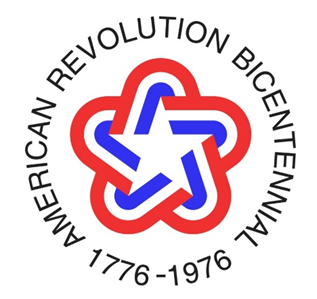
I’m old enough to remember the 200th anniversary of the American Revolution. Bicentennial symbols were everywhere. Liberty Bells, eagles, and the ubiquitous Bicentennial logo of the red, white and blue stylized five-point star. They could be found on hats, T-shirts, socks, soft drink cups, beer cans, and even a special “Spirit of ‘76” edition of the Ford Mustang II. Commemorative events and celebrations were being planned everywhere and people had “bicentennial fever”.
But the 250th anniversary is not attracting that same kind of attention or interest. I wonder why that is. Perhaps it’s that the name for a 250th anniversary, Semiquincentennial, doesn’t seem to roll off the tongue the way Bicentennial does. But I suspect it’s far more than just a tongue twisting name.
The Bicentennial came after a decade of national trauma. The Vietnam War, Watergate, and the civil rights struggles had all roiled the country. By 1976, most Americans wanted to feel good about the country again. It became a giant, colorful celebration of “American resilience.”
While the 250th anniversary of the American Revolution is being marked by numerous events, commemorations, and official proclamations, most are local, and it has not yet captured widespread public attention or generated the scale of national excitement seen during previous milestone anniversaries.
The anniversary arrives at a time of deep political polarization, which has complicated celebration plans. There is an ongoing debate within the group tasked with planning the celebration, the U.S. Semiquincentennial Commission, about how to present American history. Some members advocate for a traditional, celebratory approach focusing on the Founding Fathers and patriotic themes. Others push for a more inclusive narrative that acknowledges the complexities of American history, including the experiences of women, enslaved people, Indigenous communities, and other marginalized groups
Beyond the commission itself, some historians note that the “history wars”—ongoing disputes throughout society over how U.S. history should be taught and remembered—have made it harder to generate broad, enthusiastic buy-in for the anniversary among the general public.
Commemorations in places like Lexington and Concord have seen anti-Trump protesters carrying signs such as “Resist Like It’s 1775” and “No Kings,” explicitly drawing parallels between opposition to King George III and contemporary resistance to what they perceive as autocratic tendencies in current leadership. At the reenactment of Patrick Henry’s “Give Me Liberty or Give Me Death” speech, Virginia Governor Glenn Youngkin was met with boos and protest chants, highlighting how the Revolution’s legacy is being invoked in current political struggles.
While some organizers and historians hope the anniversary can serve as a unifying moment—emphasizing that “patriotism should not be a partisan issue”—the reality is that commemorations have often become forums for expressing contemporary political grievances and anxieties. The presence of both celebratory and dissenting voices at these events reflects the enduring debate over what it means to be American and who gets to define that identity. The complexity and messiness of American history, combined with current societal tensions, may dampen the celebratory mood and make it harder for people to connect emotionally with the anniversary.
Even the 250th logo has become a source of dispute, although it is one of the few areas of disagreement that is nonpartisan and tends to be about stylistic and artistic merits of the logo. Proponents of the new logo appreciate its modern and inclusive design emphasizing that the flowing ribbon represents “unity, cooperation, and harmony,” and reflects the nation’s aspirations as it commemorates this milestone. Detractors are concerned about the legibility of the “250” and the lack of traditional American symbols, such as stars, which could have reinforced its patriotic theme.
Surveys by history related organizations suggest that most Americans are not yet thinking about the 250th anniversary. The run-up to 2026 may see increased attention, but as of now, the anniversary has not broken through as a major topic of national conversation. If the anniversary continues to be viewed as a contentious partisan undertaking, it may never gain widespread popularity, and the general public may choose to stay away.
A friend who is a member of the West Virginia 250th committee told me that they had an initial meeting at which nothing was accomplished, and they have had no meeting since. It seems to me, this is up to us, the citizens, to ensure that the 250th anniversary of the American Revolution is appropriately remembered. We don’t have to live in an area where a Revolutionary War event occurred for us to recognize its events. Here in West Virginia, in October of 2024 we commemorated the 250th anniversary of the battle of Point Pleasant which many consider a precursor to the American Revolution. This event was not organized by any state or national group. It was the result of efforts on the part of the City of Point Pleasant and the West Virginia Sons of the American Revolution.
We do not need to depend on the government; we the people can hold local commemorations of revolutionary events that occurred in other areas. We can hold commemorations of the Battle of Bunker Hill, the signing of the Declaration of Independence, the Battle of Saratoga and many other events. It will take the initiative of local people to organize these events.
It will be our great shame if we allow this the commemoration of an event so significant in both American and world history to be turned into something that divides us rather unites us and strengthens our common bond.

Chronic Pain in Senior Citizens
Introduction
Chronic pain doesn’t just hurt—it reshapes lives. Among Americans over 65, nearly half report living with some form of persistent pain. And for many, it’s not merely a nuisance—it’s a barrier to independence, a source of depression, and a drain on their relationships.
Everyone’s pain is personal and requires a personal approach. There is no one-size-fits-all solution for pain management.
If you are suffering from chronic pain, this article may help you think about questions you need to ask your doctor to come up with your pain management plan. If you do not suffer from chronic pain, you may have friends or family who do. If so, this article may help you support them in their efforts to live with their pain and make the most of their lives.
Chronic pain is one of the most common and debilitating health issues among older adults. Defined as pain lasting longer than three to six months, it affects nearly 50% of people over 65 in the United States. For seniors, it is not just a physical burden—it impacts mental health, social engagement, and overall quality of life. Understanding the causes, diagnosis, and management of chronic pain in this population is essential for healthcare providers, caregivers, and patients alike.
I have had some personal experience with what chronic pain may be like. Following shoulder replacement surgery, I had persistent pain for about eight weeks. It was not severe, but it was always present. Never being pain free was more draining than having a short period of extremely severe pain. While I was fortunate in only having a short duration of consistent pain, I can only imagine what it must be like when this type of pain goes on for months or years.
Major Causes of Chronic Pain in Older Adults
Aging bodies are vulnerable to a range of degenerative and inflammatory conditions that contribute to chronic pain. The most common causes include:
- Osteoarthritis – Age-related wear and tear on joints leads to chronic joint pain, particularly in the knees, hips, and hands.
- Spinal Degeneration – Conditions like spinal stenosis and degenerative disc disease can cause back pain, sciatica, and radiculopathy.
- Neuropathies – Diabetes and shingles (postherpetic neuralgia) are common sources of nerve pain in older adults.
- Osteoporosis and Fractures – Fragile bones can lead to vertebral compression fractures, causing persistent back pain.
- Cancer-related Pain – Both the disease itself and its treatments may cause ongoing pain in older populations.
- Inflammatory Conditions – Rheumatoid arthritis and polymyalgia rheumatica, though less common, also contribute to chronic pain in seniors.
Types of Pain
Pain is typically classified into five main types, based on its cause and characteristics:
- Acute Pain: Short-term pain that comes on suddenly and is usually the result of injury, surgery, or illness. It generally resolves once the underlying cause is treated. Example: A broken bone or surgical incision.
- Chronic Pain: Long-lasting pain that persists for more than 3 to 6 months, often continuing after the initial injury has healed. It may be constant or intermittent. Example: Osteoarthritis, fibromyalgia, or chronic back pain.
- Nociceptive Pain: Caused by damage to body tissue. It’s usually described as sharp, aching, or throbbing and is typically well localized. Example: Somatic pain (skin, muscles, bones), Visceral pain (internal organs)
- Neuropathic Pain: Results from damage or dysfunction in the nervous system. Often described as burning, shooting, or electric shock-like. Example: Diabetic neuropathy, shingles pain.
- Psychogenic Pain: Pain influenced by emotional, psychological, or behavioral factors. While not caused by physical injury, the pain is still real and can be severe. Example: Headaches or back pain worsened by stress or depression.
Evaluating Chronic Pain in Seniors
Assessing chronic pain in older adults presents unique challenges. Some seniors underreport pain due to stoicism, fear of further testing, or concern about being a burden. Clinicians often use a mix of qualitative and quantitative tools:
- Pain Scales (e.g., Numeric Rating Scale, Faces Pain Scale) help gauge intensity.
- Pain Diaries facilitate tracking fluctuations of intensity and duration as well as pain triggers.
- Functional Assessments focus on how pain limits mobility and daily tasks.
- Comprehensive Geriatric Assessment evaluates medical, psychological, and functional factors as they relate to pain.
Because chronic pain often coexists with cognitive decline, clinicians must tailor evaluations accordingly, sometimes relying on behavioral cues that may require repeat observations.
Treating Chronic Pain in Older Adults
Effective treatment of chronic pain in seniors requires a balanced and individualized strategy. Over-reliance on medication can increase the risk of adverse effects, while under-treatment may lead to functional decline and depression. Treatment falls into three broad categories: pharmacologic, non-pharmacologic, and interventional.
Pharmacologic Treatments
- Acetaminophen (Tylenol)– First-line for mild to moderate pain due to its safety profile lack of impact on cognitive function.
- NSAIDs (ibuprofen, aspirin, etc.)– Effective for inflammation but with risks like stomach/intestinal bleeding and kidney injury.
- Topical Agents – Lidocaine patches and capsaicin creams are helpful for localized pain.
- Antidepressants – Duloxetine and amitriptyline are commonly used for neuropathic pain.
- Anticonvulsants – Gabapentin and pregabalin help with neuropathic related pain.
- Opioids – Reserved for severe pain with strict monitoring due to fall, sedation, and dependency risks.
Non-Pharmacologic Treatments
- Physical Therapy – Improves strength, flexibility, and function.
- Exercise – Walking, tai chi, and water aerobics reduce stiffness and elevate mood.
- Cognitive Behavioral Therapy (CBT) – Reshapes the pain response and builds resilience.
- Mindfulness and Relaxation – Meditation and deep breathing techniques are increasingly popular.
- Complementary Therapies – Acupuncture, massage, and chiropractic care provide relief for many.
- Assistive Devices – Braces, walkers, and orthotics reduce mechanical stress on joints.
Interventional Pain Management: A Middle Ground
For many seniors, interventional approaches offer targeted, longer-lasting relief when other therapies fall short. These procedures are typically performed by pain specialists.
- Nerve Blocks: Injections of anesthetic and steroids near inflamed or compressed nerves can reduce pain for weeks or months. Common types include facet joint blocks, sciatic nerve blocks, and sympathetic nerve blocks.
- Epidural Steroid Injections: Used for spinal stenosis or disc herniation, these injections reduce nerve inflammation. They can delay or avoid the need for surgery but should be used sparingly due to potential side effects.
- Radiofrequency Ablation (RFA): A minimally invasive technique that uses heat to deactivate small sensory nerves. Especially effective for chronic back or neck pain from arthritic joints.
- Spinal Cord Stimulation (SCS): Implanted devices deliver mild electrical impulses to disrupt pain signaling. Best for neuropathic pain or post-surgical syndromes.
- Intrathecal Pain Pumps: Deliver medication directly into spinal fluid, useful for severe chronic pain or cancer pain. The lower systemic dose reduces side effects, though implantation requires surgery.
- Joint Injections: Corticosteroids or hyaluronic acid injections in the knees or shoulders can reduce inflammation and improve mobility.
Psychological and Social Impact of Chronic Pain
Chronic pain is not just a physical affliction—it seeps into the emotional and social fabric of daily life:
- Mental Health: Pain is strongly associated with depression and anxiety, especially when it disrupts independence. The constant discomfort can lead to frustration, feelings of helplessness, and a reduced desire to engage in social or recreational activities.
- Cognitive Burden: Chronic pain may worsen attention and memory, potentially accelerating cognitive decline. Pain-related inflammation and the impact of sleep deprivation may play roles in these declines.
- Social Withdrawal: Seniors with untreated pain often avoid social interaction, increasing loneliness. This can further contribute to mental health challenges, creating a negative feedback loop of worsening symptoms.
- Sleep Disruption: Pain commonly interferes with sleep, compounding fatigue and emotional distress. Over time, this lack of sleep can exacerbate pain and create a vicious cycle, further affecting both physical and mental health.
- Caregiver Strain: Family members may experience burnout, especially when pain limits the elder’s self-care abilities.
Conclusion
Chronic pain in senior citizens is a multifaceted issue that demands an equally comprehensive response. From acetaminophen to nerve blocks, from yoga to spinal cord stimulators, the treatment toolbox is broad and adaptable. But no single approach works for everyone.
By integrating physical, emotional, and interventional strategies—and involving the patient in decision-making—we can reduce suffering, improve mobility, and restore quality of life for older adults living with chronic pain.

From Breaker Boys to Burger Flippers: The Resurgence of Child Labor in America
By John Turley
On May 25, 2025
In Commentary, History, Politics
What West Virginia’s new child labor law tells us about a growing trend and a forgotten history.
📜 Introduction
In April 2025, West Virginia passed a law eliminating work permit requirements for 14- and 15-year-olds and opening hazardous occupations to older teens. It’s a policy shift that echoes a much darker chapter of American history—one most of us thought was long behind us.
As I read the news, I couldn’t help but recall Lewis Hine’s haunting photos of the “Breaker Boys”—children as young as eight sorting coal in dangerous conditions. Their faces were the face of American industry at its most exploitative. Their plight helped spark the labor reforms we now take for granted.
But are those reforms at risk of unraveling?
🕰 A Brief History of Child Labor in America
At the turn of the 20th century, over two million American children worked long hours in factories, coal mines, and fields. Some were as young as five. The wages were low, the conditions dangerous, and the toll—educational, emotional, and physical—immeasurable.
Most of these children came from poor or immigrant families. Factory and mine owners favored child labor because it was cheap, compliant, and expendable.
⚖️ Early Reforms and Legal Battles
The reform movement gained traction in the early 1900s thanks to activists, labor unions, and journalists. The National Child Labor Committee, founded in 1904, worked with photographers like Lewis Hine to expose the brutality of child labor to the American public.
Attempts to legislate federally met fierce resistance. The Keating-Owen Act (1916) was struck down by the Supreme Court in Hammer v. Dagenhart (1918), and a second effort was defeated in 1923. It wasn’t until the Fair Labor Standards Act (FLSA) of 1938 that the federal government established real guardrails:
The FLSA marked the beginning of consistent national protections for working children.
🎓 Child Labor and Education: A Damaging Tradeoff
There’s a well-documented tradeoff between child labor and education:
Even today, agricultural labor laws allow children as young as 12 to work long hours, especially among migrant families. These children have some of the country’s highest school dropout rates.
📉 Modern Rollbacks: A Disturbing Trend
Since 2021, over a dozen U.S. states have proposed or passed laws rolling back child labor protections, often citing labor shortages or “career readiness”:
Critics warn that these laws open the door to exploitation, especially in lower-income communities.
🧠 Why It Matters
The repeal of child labor protections isn’t just a policy dispute—it’s a moral referendum. If child labor laws are weakened, the most vulnerable children will bear the cost, just as they did a century ago.
The lesson from history is simple: when economic hardship or political expediency trumps child welfare, it’s children who are put at risk.
📣 Final Thoughts
Public memory is short. But the bodies of exhausted child laborers buried in unknown graves and the broken educational paths of working teens are silent witnesses to the past—and a warning for the future.
If we claim to value children’s futures, our policies must reflect that—not just in schools, but in the workplace.
🔗 Sources and Suggested Further Reading