A Simple Guide to What Helps—and What’s Just Noise
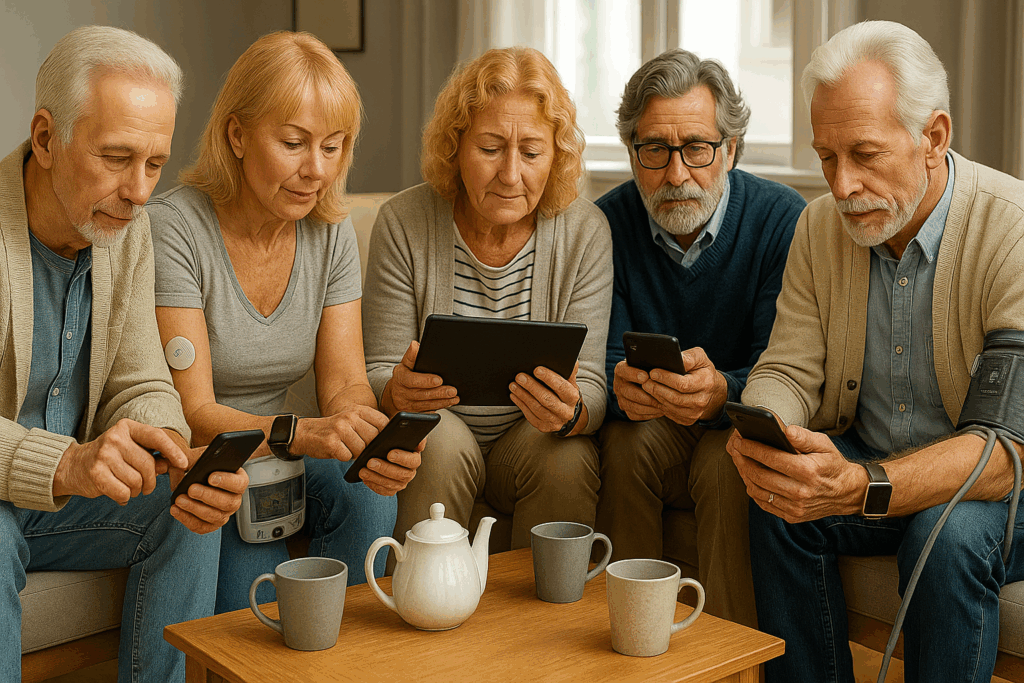
If you’re over 60 and trying to figure out whether a smartphone, smartwatch, or wearable can genuinely make life healthier—or you’re helping a spouse or parent decide—you’re not alone. A lot of people feel overwhelmed by all the features, apps, alerts, and promises.
The good news: some of this tech actually helps. It won’t replace your doctor, but it can flag early problems, keep you safer at home, and make it easier for your family or care team to stay in the loop. The trick is knowing what’s useful and what’s just hype.
Let’s walk through it in plain English.
Why This Stuff Matters Now
Ten years ago, the idea that a watch could detect a fall or an irregular heartbeat felt like science fiction. Today, it’s routine. About a third of adults over 50 now use smartwatches or other wearables—and the number keeps rising.
For many older adults, these devices have quietly become part of the “safety net” that helps them stay independent.
How Smartphones Actually Help Your Health
1. Keeping Medications on Track
If you’ve ever forgotten a pill—or doubled a dose—you’re in good company. Medication mix-ups are incredibly common.
Apps like:
- Medisafe – shows pill images, keeps a schedule, and even sends caregiver alerts.
- Apple’s Medications app – built right into iPhones and Apple Watches.
- CareClinic – tracks meds, moods, blood pressure, and symptoms in one place.
Studies from the National Library of Medicine show people using reminder apps stick to their meds far better than those who don’t.
2. Telemedicine That Actually Works
Telehealth isn’t a pandemic fad anymore—it’s now a standard part of care. Apps like Walmart Health Virtual Care or Heal let you talk to a clinician on video, sometimes even with Medicare coverage. Many can pull in data from wearables so your doctor gets a bigger picture than just your office visit.
3. Everyday Tools for Wellness
Your phone can track blood pressure, sleep, relaxation, and even your medical records.
- Qardio for blood pressure and weight
- Insight Timer for stress and sleep
- My Medical for storing labs and appointment notes
Simple but surprisingly useful.
Smartwatches: What They Really Do Well
Modern smartwatches are basically mini health monitors. Not perfect—but often helpful.
The genuinely useful features
- Irregular heartbeat detection (A-fib alerts). Apple’s A-fib notification is FDA-cleared and backed by a huge 419,000-person study.
- Fall detection. If you take a hard fall and don’t respond, the watch can call 911.
- Walking steadiness alerts. Your phone can notice changes in your balance.
- Sleep tracking. Good for patterns—not a medical diagnosis.
- Blood oxygen trends. Not perfect, but another piece of data.
Devices seniors tend to like
- Apple Watch Series 9 / Ultra 2
- Samsung Galaxy Watch7
- Medical alert watches (like Medical Guardian or Bay Alarm), which keep things simple and focus on emergency features.
Continuous Glucose Monitors (CGM): A Game Changer
If you or a loved one has diabetes, CGMs may be the single most meaningful wearable health tool available.
They sit on your arm or abdomen and send glucose numbers to your phone every few minutes. No more finger sticks. No guessing. No surprises.
Why seniors like them
- Far fewer finger pricks
- Alerts for highs or lows (can literally prevent emergencies)
- Better long-term glucose control
- Optional caregiver alerts
Top CGM options
- Dexcom G7 – Medicare-covered for many users
- FreeStyle Libre 3 – small, simple, affordable
- Medtronic Guardian Connect – syncs with insulin pumps
In 2023, Medicare expanded coverage, so more seniors now qualify.
Speculation: non-invasive glucose sensors (no needles at all) are being tested, but none are FDA-approved yet. Expect progress in the next few years.
Other Wearables That Actually Help
Not everything is a watch:
- KardiaMobile 6L – a pocket-sized, FDA-approved ECG in 30 seconds
- Tango Belt – a wearable “airbag” that inflates during a fall
- Hero Health – a smart pill dispenser that takes the guesswork out of meds
These tend to be more practical than trendy.
How to Choose: Start with Your Goal
Instead of shopping features, pick the problem you’re trying to solve:
- Worried about falls? Get a watch with fall detection.
- Blood pressure issues? Pair your phone with a good upper-arm cuff.
- Managing diabetes? Ask your doctor about CGM eligibility.
- Heart rhythm concerns? Add a handheld ECG like Kardia.
And make sure the device is easy to share with family or clinicians. Apple’s Health Sharing is especially simple.
Remote Patient Monitoring (RPM)
This is where your doctor gets readings from your home devices automatically. Medicare even pays for it. It can catch early issues—like rising blood pressure—before they turn into bigger problems.
Just be aware not every clinic uses it yet.
Privacy: A Quick Reality Check
Most people assume health apps follow HIPAA. Many don’t.
- HIPAA covers your doctor—not your app.
- The FTC now requires some health apps to notify you of breaches.
- Always review privacy policies to see who gets your data. Not fun, but necessary.
What Wearables Don’t Do Well
Here’s where things get messy:
- Heart rate sensors can misread darker skin tones, tattoos, or movement.
- SpO₂ readings can vary widely—enough that the FDA has issued warnings.
- Sleep trackers estimate, they don’t diagnose.
- Step counts vary by 10–30% depending on brand.
Think of wearables as “trends over time,” not medical tests.
Downsides to Keep in Mind
A few honest drawbacks:
- Daily or near-daily charging
- Subscription fees that creep up
- Too many alerts (which most people eventually shut off)
- Physical challenges like tiny text, small buttons, stiff bands
- Data that doesn’t always sync with your doctor’s record
- False reassurance (“My watch didn’t alert, so I’m fine”)
None of these are dealbreakers—but they’re worth knowing.
Where This Is All Going
Wearable tech will keep getting smaller and more accurate: rings, adhesive patches, even hearing aids that monitor your vitals.
Prediction (speculation): Within a few years, AI will connect your meds, sleep, glucose, heart data, and activity into simple daily guidance you can actually use. It’s not quite here yet, but it’s coming.
The Bottom Line
Smartphones and wearables can genuinely improve health and independence—but only if you choose based on your real needs. You don’t need every bell and whistle.
Start small.
Pick one goal.
Choose one device that helps with that goal.
Sometimes a simple fall-detection watch or a glucose sensor does far more good than the fanciest new feature. Used wisely, these tools give seniors—and their families—more safety, more independence, and more peace of mind.
Leave a Reply