

Sleep Part 2
Several different processes fall into the broad category of sleep disorder. But first, we should understand a few things about what constitutes a sleep disorder.
Not everyone requires the same amount of sleep; children and adolescents require more sleep than adults. Once we reach adulthood, our individual need for sleep usually becomes fairly consistent for the remainder of our lives. However, the amount of sleep needed varies from person to person.
A common misconception is that we require less sleep as we age. It is true that older adults frequently get less sleep but it’s not necessarily because we require less. Admittedly there is some controversy among sleep specialists, but we shouldn’t dismiss the concerns of older people because we don’t think they need as much sleep as they used to.
To diagnosed as a sleep disorder, it must be a relatively long-term process. An occasional night of sleeplessness does not constitute a sleep disorder; there must be some impact on the waking hours. For example, a person who only sleeps 5 to 6 hours a night but never has any daytime sleepiness, fatigue, difficulty concentrating, or completing tasks probably does not have a sleep disorder. Another person who gets 7 to 8 hours of sleep a night but feels drowsy, is unable to concentrate on tasks and drifts off to sleep midafternoon may have a sleep disorder.
A sleep disorder is never diagnosed by the time spent in bed. It is diagnosed based on how a lack of sleep impacts daily life and ability to function at the desired level. It’s very common for people to overestimate the amount of time they are awake at night. A sleep disorder is something that requires careful investigation. It is important to contact your doctor for a definitive diagnosis.
If there is another reason for sleeplessness, then a sleep disorder diagnosis should not be made. Common causes of sleep disturbance are pain and environmental factors such as noise, bright lights, and temperature extremes. Rotating shift work is another common cause.
It is important to determine if the person reporting sleep problems has adequate opportunity to sleep. Family demands or work requirements may often limit the ability to get sufficient sleep. Additionally, some older men make frequent trips to the bathroom during the night, but this doesn’t necessarily constitute a sleep disorder.
To diagnose a sleep disorder, the patient must have had the opportunity for adequate sleep but is still suffering from the symptoms of sleep deprivation. The first step in evaluating a sleep disturbance is to identify and eliminate as many external factors as possible.
Sleep Apnea
Sleep apnea is perhaps the best known sleep disorder. There are two types of sleep apnea, the fairly common obstructive sleep apnea (OSA) and central sleep apnea. Central sleep apnea is extremely rare and well beyond what we’re talking about here.
Most OSA patients complain of daytime sleepiness. A patient’s bed partner may report loud snoring, gasping, or snorting, or the patient seeming to stop breathing while asleep. Not everyone who snores has OSA. While about 80 to 90% of people who have OSA snore, fewer than 50% of snorers have OSA.
If you are concerned that you may have OSA, talk to your doctor. It’s not something that can be diagnosed by you at home. Diagnosis requires a formal assessment.
Sleep apnea is treatable with the infamous CPAP machine. It isn’t generally considered to be curable although some people who have lost a significant amount of weight have been able to wean themselves from the CPAP machine.
Insomnia
Insomnia is one of those catchall medical terms that covers a variety of clinical situations. The broad definition of insomnia is difficulty sleeping. But that includes many causes, both those understood and those not well understood.
During a sleep assessment, it’s important to determine if it is chronic insomnia. That is a pattern of difficulty falling asleep or staying asleep that occurs at least three nights a week and lasts for at least three months. But that’s only the beginning, there are many unrelated factors that can cause chronic insomnia and there are also different types of insomnia that may be unrelated to any other factors.
Onset insomnia is difficulty falling asleep. The patient may be awake for very long periods, but once they fall asleep, they’re usually able to sleep for several hours. Unfortunately, they are usually awakened by the alarm clock before they have experienced adequate restorative sleep.
The other broad category is maintenance insomnia, the difficulty staying asleep. These patients often wake up in the middle of the night and are unable to return to sleep for several hours. Frequently they report falling back asleep just before the alarm goes off.
Some people have mixed insomnia. Sometimes they will have difficulty falling asleep and at others, staying asleep. Occasionally, they will suffer from both types on the same night, making for a very long night indeed.
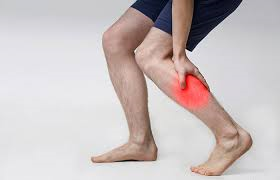
Both types of insomnia can have similar underlying causes. Some of them fit in the broad category of comorbid insomnia, whether it’s a medical, psychiatric, or other problem. This can include depression, anxiety, or somatic disorders such as restless leg or chronic pain. Medical disorders include pulmonary disease, diabetes, and congestive heart failure. Treatment of the underlying medical condition is the key to dealing with these types of sleep disorders.
In a self-fulfilling cycle, some people suffer from insomnia because they worry about their inability to sleep.
Another type of sleep disturbance frequently included in the category of insomnia is disruption of the circadian rhythm. The circadian rhythm is the body’s internal clock. It is generally a 24-hour cycle that follows the light-dark cycle of the day. Major circadian disruptions include jet lag and intermittent shift work. The use of LED screens such as televisions, computers, and E readers exposes us to a large amount of blue light which may confuse our body’s circadian rhythm into thinking it is a daylight period. The many effects of disrupting the circadian rhythm are beyond the scope of this post, but if your circadian rhythm is interrupted it can affect your sleep, at least in the short term.
In Part 3 we will look at those things that may help you sleep.
A quote to end this post:
“I’ve always envied people who sleep easily. Their brains must be cleaner, the floorboards of the skull well swept, all the little monsters closed up in a steamer trunk at the foot of the bed.” – David Benioff, author, and TV producer


The Triumph of Ignorance
By John Turley
On April 30, 2024
In Commentary, Medicine
“There are two ways to be fooled. One is to believe what is not true; the other is to refuse to believe what is true.” – Søren Kierkegaard
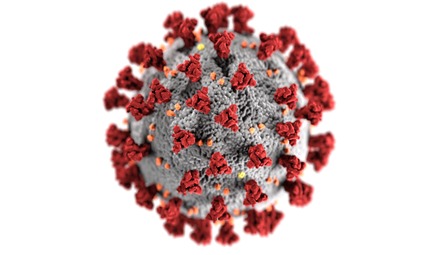
Saturday morning, I was reading in the newspaper about the resurgence of measles in West Virginia. I find it appalling that this disease should be returning, given that we have safe and effective vaccinations. What is next, polio, smallpox, or even plague? It is only through the unexpected veto by our governor that the ill-advised bill passed by our legislature to make all vaccinations virtually optional did not become law.
Some people may wonder why vaccinations are important. There are two principal reasons to ensure that a large portion of the population is vaccinated against communicable diseases. The first is that it reduces the individual vulnerability to disease. The person who is vaccinated is protected. But there is also a second, sometimes not well-understood, reason. That is herd immunity.
Communicable diseases require a large susceptible population to spread. When a significant portion of the population has been vaccinated the disease does not have the core of potential victims to allow spreading. This means that the vaccinated are protecting the non-vaccinated. However, it does require a large portion of the population to be vaccinated. The idea is that herd immunity will protect those who are unable to be vaccinated either due to age, allergies, or other medical conditions that would prohibit vaccination. Herd immunity is never going to protect a large proportion of the population who just choose not to be vaccinated. For example, about 90 -95% of the population needs to be vaccinated against measles to provide herd immunity.
So why do people who otherwise can be vaccinated choose not to be?
There are, of course, those who have true religious objections to vaccination. These people have long standing, deeply held convictions. Their opinions derive from study, prayer and reflection based on the tenants of their faith. They did not have a sudden anti-vaccine epiphany after listening to the poorly informed rantings of a demagogic politician.
There are many who mistrust the medical system. There were some cases in the past where unethical studies were conducted on unsuspecting populations. Given the rigorous oversight of medical research now, this no longer happens. Information about research into vaccinations and their safety and efficacy can be found on websites for the Centers for Disease Control and Prevention and the World Health Organization among others. (Website references are provided at the end of this post.)
There are others who object to vaccination on the basis of personal autonomy. They believe their right to refuse vaccination outweighs any consideration of the health concerns of the frail members of our community. This is certainly not reflective of the spirit of charity towards all that I was raised with.
What concerns me most are those who refuse to believe reputable medical authorities, government agencies, and mainline news services. They prefer to get their information from anonymous websites or from conspiracy theory websites that still give credence to such sources as the now-discredited 1999 study linking the MMR vaccine to autism. They completely ignore the fact that 10 of the 11 reported co-authors disavowed any part in the published conclusions. They also ignore the fact that the principal author was found guilty of fraud for personal gain as he was employed by the manufacturer of rival drugs. They also ignore the fact that he lost his medical license over his falsifications in this study. Yet, he is still cited in anti-vaccine literature as an expert source.
Equally disturbing is the fact that vaccine resistance has become a part of political identification. Certain reactionary political groups have, for some unfathomable reason, decided that refusing vaccination is a badge of their political allegiance. They seem to care more about maintaining their political purity than they care about science, public health, or even the welfare of their family and friends. Politicizing public health is dangerous for all of us. I’m not sure how we overcome this. It is easy to find the truth and verify it through fact-based studies, yet people refuse to do it.
I encourage everyone to work hard to ensure that our political leaders do not remove vaccination mandates for school children. For those of us of my age, we already have immunity through vaccination or prior exposure to the disease. It is our grandchildren and their children and their children’s children who will suffer through the return of these deadly diseases.
SOURCES:
World Health Organization: https://www.who.int/health-topics/vaccines-and-immunization#tab=tab_1
CDC: https://www.cdc.gov/vaccines/index.html https://www.cdc.gov/vaccines/hcp/vis/index.html
WV DHHR: https://oeps.wv.gov/immunizations/Pages/default.aspx
Immunise.org: https://www.vaccineinformation.org/