
Grumpy opinions about everything.

Category: Medicine

Of course there will be medicine. I am The Grumpy Doc.

Persistence of Memory

I turned 75 this year and like many people my age I have started to worry about my memory. I’ve always had a good memory. I seldom had to write anything down and I almost never forgot anything. But that’s rapidly becoming a thing of the past. I try to tell myself it’s because I don’t need to remember things now. I have my phone with my calendar and my to-do list and my reminders all right there in my pocket. Things for which I once relied on my memory are now just a simple “buzz” away. As much as I try to tell myself that, I can’t really believe it. I’m afraid things are starting to slip away, and I worry just how far and how fast this will progress. I know from talking to others my age I am not the only one with this concern. But what exactly is memory? How does it work? And what can we do to prevent its decline, or even better to reverse it?

What is memory?
Marriam-Webster Dictionary defines memory as: “…the power or process of reproducing or recalling what has been learned and retained especially through associative mechanisms; the store of things learned and retained from an organism’s activity or experience as evidenced by modification of structure or behavior or by recall and recognition.” I hope that’s more enlightening for you than it is for me. While it may describe memory, it doesn’t really explain it.

I think that I like Salvador Dali’s approach to memory. In his famous painting shown above, The Persistence of Memory, we see the passage of time as it inexorably moves on but leaves persistence in our memory. But as we can see memory is fluid and it is malleable. While memory may persist, it is not unchanged. OK, that may sound like philosophical mumbo jumbo, but I just want to get across the idea that memory is not a concrete thing, and it is as much about perception as anything else.

Types of memory

One of the first things to recognize is that memory is not a single monolithic sense. There are many types of perceptions or abilities that are encompassed in the collective term memory.

The type of memory we use most frequently is working memory. This is where we store things for short-term use. It would include things such as remembering numbers to add in your head. You don’t need it for long term, but if you have problems with your working memory it can take you much longer to get things done such as balancing a check book, following directions or grocery shopping.

Episodic memory is how we recall past events, personal experiences, conversations, feelings, and emotions. If you’re struggling to recall recent events and activities, you may have a problem with your episodic memory. This is the type of memory loss that most people first worry about.

Semantic memory is what you use to recall the definitions of words, the names of objects and to recognize familiar faces. It’s not tied to any specific experience, but these are just things that you just know, such as your key is used to unlock your door or if you want a drink of water, you pour it into a glass. If you find yourself frequently struggling for the right words in a conversation you may be having problems with your semantic memory.

Our prospective memory is the way we remember future things. It’s how we keep track of appointments and obligations. If you find yourself forgetting that you have made plans or where you were supposed to be going you may have problems with your prospective memory. We most commonly experience this when we find we have walked into a room, and we can’t remember why we went there. (Unless it’s the bathroom; I always remember why I’m there.)

Is it dementia?

Of course, this is our greatest worry. I think many of us fear dementia more than we fear stroke, heart attack, or cancer. Memory loss is not always dementia; there is some natural degradation of memory as we get older. But what is age-appropriate memory loss and what are some of the more common and frequently reversible forms of memory losses, and how do we know it’s not dementia.

So, is it normal memory loss or not? It’s normal to forget the date but it is not normal to not know the month or the year. It is normal to have to search for the appropriate word at times. It is not normal to be unable to hold a conversation. It is normal to occasionally forget someone’s name. (By this standard I’ve been suffering from memory loss since I was about 20 years old.) It’s not normal to not recognize close friends or family members. It’s normal to forget where you put your car keys. It’s not normal to forget what they are used for.

The fact that you’re worrying about some of these mild memory problems is in itself good. It just means that you recognize your memory is not as sharp as it once was. Dementia is a sudden and rapid decline in cognitive ability. It is frequently recognized by everyone except its victim.

Other causes
But before you jump right to worrying about Alzheimer’s, there are several more common medical problems that can cause memory loss and confusion. Most of these are, at least partially, reversible.

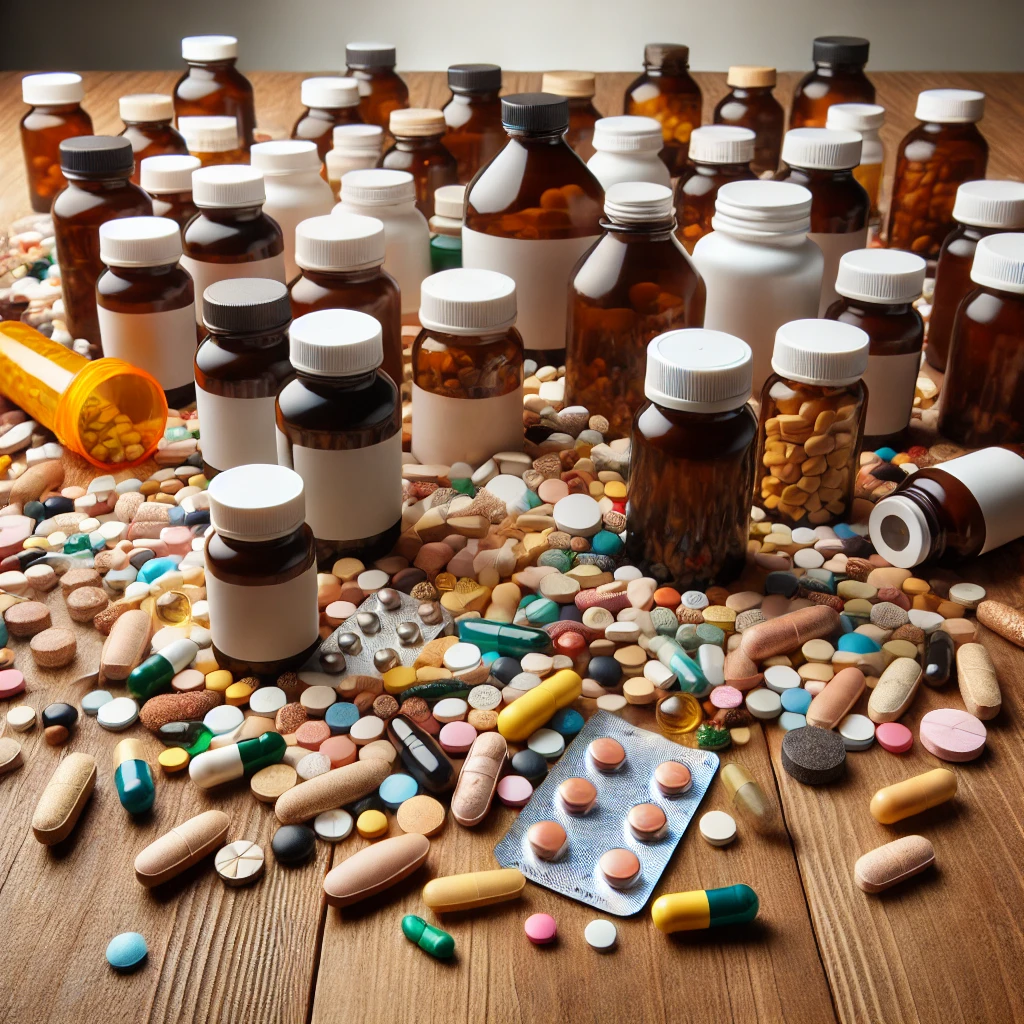
One of the most common causes of confusion and memory loss in older adults is what we in the medical field call polypharmacy and what most people call over medication. Some of the most common medications that cause mental impairment are diphenhydramine (more commonly known as Benadryl), pain medications, sleeping pills, medications for dizziness or anxiety, as well as some Parkinson medications. Some side effects of all of these can mimic the symptoms of dementia. This is particularly true if any of these medications are mixed with alcohol. If you’re experiencing some episodes of confusion or memory impairment and you’re on a variety of medications, ask your doctor or pharmacist to review them for potential memory impact.

Other common causes of memory impairment in older adults are dehydration, lack of sleep and lack of exercise. It’s a common misconception that our need for sleep and exercise decreases as we get older. Simple exercises such as daily walking have been shown to increase brain health and memory. The positive effects of exercise appear almost immediately.

Undiagnosed anxiety or depression often can mimic memory loss and dementia. This even has a nice clinical sounding name as the pseudodementia of depression. Poorly controlled chronic diseases such as type 2 diabetes can cause chronic inflammation in the body which can lead to cognitive and memory impairment as well.

It’s also generally believed that poor nutrition can cause memory impairments and a Mediterranean style diet has been recommended as a way of protecting against cognitive decline.

What can I do?

If you have concerns about your memory, of course the first step is to consult your doctor. Ask them to look for and deal with any of those common causes listed above. Be prepared, they may ask you some embarrassing questions about your past. They don’t think you’re a bad person, the only effective way to evaluate problems is to ask the same questions of everyone.

So, from there we get on to what can be done for prevention.

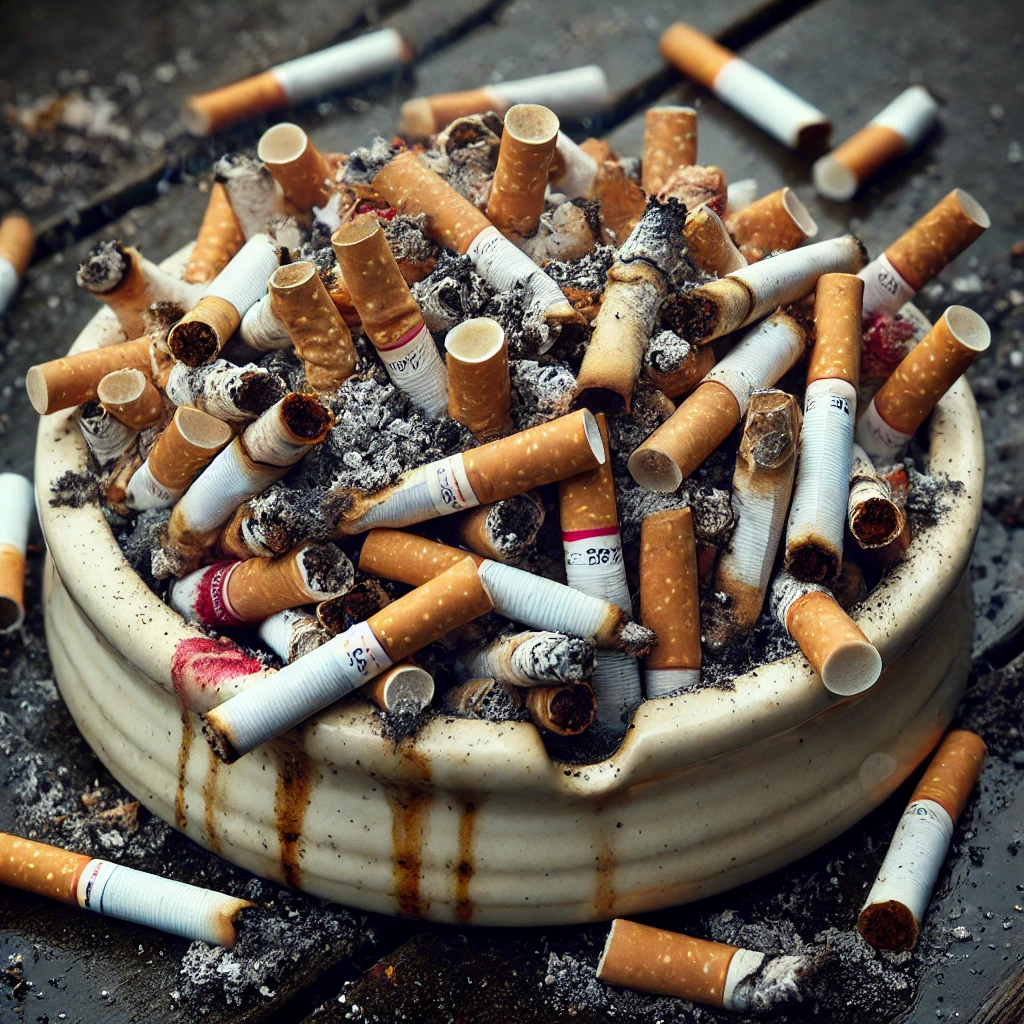
Excessive alcohol use and cigarette smoking have both been shown to have a negative impact on memory and can speed cognitive decline. Try to decrease your alcohol intake to one or two drinks a day and your cigarette smoking to none. There is no safe level of cigarette use. Despite common belief, vaping isn’t safer than cigarette use. Although oral tobacco hasn’t been extensively studied as it relates to memory, in studies related to other diseases it has been shown to increase inflammation and microvascular disease, all of which are known to accelerate memory loss and even vascular dementia.

Plan and implement a regular exercise program. You don’t need to be a marathon runner or a gym rat, you just need to have a steady regular plan. Thirty minutes of moderate exercise four or five times a week will show great benefits. Make sure you don’t get overly aggressive at the beginning and injure yourself. Walking is perfectly adequate for most people and doesn’t put undue stress on your joints.

Sleep like your life depends on it. Set a regular bedtime and stick with it both on weekdays and weekends. Try to get up at the same time every day. Just remember that during normal sleep, memory and learning are consolidated and brain toxins are disposed of. Improved sleep can also help with weight management, blood pressure control and blood sugar control. (More on sleep in a later blog.)

Social interaction has been shown to be as important for preventing cognitive decline as anything else. Strong bonds between family and friends are important for a healthy life. Involvement in churches, social groups and civic organizations are all equally beneficial. People who are socially isolated tend to develop earlier and more rapid cognitive decline. Social engagement also reduces the likelihood of depression.

Activities that require mental engagement, particularly in a social setting, have been shown to delay the onset of cognitive decline and in some cases have even reversed some of the signs in people who have previously been socially isolated.

Activities such as reading, writing, puzzle solving, card games and learning new skills have been shown to delay cognitive decline. For example, one of the things that I have done to try to stay mentally active is starting this blog. Not only am I engaged in researching and writing articles, but I had to learn how to set up and manage a website. Also, I had to learn how to work with voice recognition software because I must admit I’m too old to learn how to type.

Can’t I just take a pill?

For as long as I can remember, the pill to cure or reverse dementia is being tested and will be released sometime soon (it always seems to be within the next year). Unfortunately, most of those have been a disappointment. There have been some medications that have been shown to slightly delay decline, but none have substantially reversed it. And none of these medications have, so far, shown to be superior to correcting polypharmacy, or underlying medical problems, and improving social interactions and mental activities.

The Grumpy Doc says the best way to keep your memory is to stay out there living your life and making new memories. Keep moving, keep thinking, and keep doing. And the next time you see me you can tell me all about it, even if it does take me a while to remember your name.

Anchors Aweigh, Part IV

I reported on board the USS Sanctuary in September of 1969 and went to the personnel office for my assignment. This won’t surprise anyone who was ever in the Navy, but they seemed to have no idea that I was coming. After conferring among themselves, they came back and told me that I would be senior corpsman in sterile surgical supply.

Sterile surgical supply was where we prepared and maintained all the equipment necessary for conducting surgery as well as the sterile equipment used in the clinics and wards. The Sanctuary had several surgical suites that were busy almost all the time when we were on station in support of combat operations. It was a busy place and went through a lot of equipment.

Life on board a Navy ship is a 24 hour a day, seven day a week job. There are no days off when you’re at sea. Fortunately, as a member of the hospital crew, I was what they called a shift worker. Which meant I had a set schedule. Members of the ship’s crew were watch standers. That meant they worked in four hour rotations that changed every 24 hours. We could at least have some type of a routine for awake and sleep time, but for a watch stander the schedule was constantly rotating. As a petty officer and a supervisor, I was exempt from some extracurricular duties such as working on the mess decks and taking part in working parties for regular ship maintenance and supply.

The work was hard and continuous. There was no shortage of casualties in 1969. Our job was to provide direct medical support to our troops in combat. The wounded were flown by helicopter directly from the battlefield to the ship. We got the most severely injured; the ones who couldn’t be effectively treated at a field hospital.

The crew was highly trained and incredibly efficient. From the time a wounded soldier or marine landed on our flight deck it was only minutes until he was in the operating room. The survival rate for the wounded in Vietnam was far greater than it had been in either World War II or Korea. This was largely due to the speed with which casualties were transported to definitive medical care.

We generally didn’t treat civilians, but one day, unbeknownst to us, one of our medevac helicopters was bringing in a pregnant Vietnamese woman. When she was offloaded on the flight deck she was already in labor. They brought her down to the preoperative holding area which was adjacent to our sterile supply room. When there was a heavy influx of casualties, we helped out in the preop area that functioned somewhat like an emergency room.

We were standing there, an anesthesiologist and three corpsmen, trying to figure out how to deliver a baby. Thank goodness the woman took it in her own hands and delivered the baby herself! Of course, that didn’t stop us from congratulating each other about delivering the only baby born on a Navy hospital ship during the Vietnam War. If only all our patients could have turned out so well.

When I remember my time on the Sanctuary, I try not to dwell on the suffering of our patients. Their sacrifices still move me to tears. I prefer to be grateful that I was mostly out of direct combat and to focus the less intense episode that helped us maintain our sanity.

One unexpected benefit of being the senior corpsman in sterile surgical supply was being able to order those supplies. One day while going through the supply catalog I discovered it was possible to order five gallons of pure medical grade grain alcohol. And even better, it required no approval. I also ordered a large five gallon glass beaker. We had wall mounts in our work room where there were glass beakers with soap solution and acetone. We also had an empty wall mount.

The alcohol arrived, along with the five-gallon beaker. I put the alcohol in the beaker and pasted a large poison sign on it. I got green food coloring from the mess decks in return for a promise to share. It’s easy to be generous when you have five gallons. I did have to emphasize that it couldn’t be drunk straight but had to be diluted by fifty percent with fruit juice or soda.

The food coloring gave it an appropriately poisonous appearance. It also gave us the advantage of hiding it in plain sight. I quickly became the most popular corpsman on the ship.

Right after Thanksgiving the CO of the ship issued an announcement that the crew was now authorized to put up Christmas decorations. (I think I’ve mentioned before that sometimes I don’t always think through my wise cracks.) The fact that we were now authorized to have Christmas got me thinking. I made a large sign that said “All enlisted personnel desiring to have a Merry Christmas must report to the ship’s office to obtain a Christmas chit. Personnel having a Merry Christmas without an appropriate chit will be subject to nonjudicial punishment.” A chit was basically the Navy’s version of a permission slip. I thought this was pretty funny. Apparently, the ship’s office did not agree when people started lining up to get their Christmas chits.

This resulted in a stern lecture from our leading chief. It generally consisted of about every third word beginning with the letter F. I was sure I was going to be reassigned, reduced in rank, sent to the brig or something even worse. Surprisingly, after many blistering words, he dismissed me with a wave of the hand. As I was leaving, much relieved, the chief said, “And you can drop off the rest of that grain you got to the chief’s mess .” That depleted my supply and ended my short-lived popularity on the USS Sanctuary.

Right after Christmas, we had the opportunity to have a Bob Hope show on board the ship. Everyone was crammed onto the main deck to watch Bob, a few musicians and some dancers put on about an hour and a half show. I was way in the back as we had all the patients in the front. Bob’s jokes were corny. I’m sure the dancers were pretty (I wasn’t close enough to tell for sure) and the musicians weren’t particularly talented, but a good time was had by all.

Navy ships at sea in a combat zone practice strict blackout at night. Hospital ships don’t. Not only are they painted white, but they are lit up like a cruise ship with large flood lights hanging over the side of the ship to illuminate the red crosses. This illumination led to what quickly became one of our favorite pastimes.

Inshore ocean waters in Southeast Asia are infested with sea snakes and they are attracted to light. One sailor had his parents send him a sling shot and BBs and before long the ship’s rails were lined with sailors firing BBs and watching the snakes rolling in the water. For most of us, these were the only shots we fired in Viet Nam.

Once, while cruising close to the mouth of the Perfume River near Hue City, the ship went dead in the water. The rumor quickly spread among the crew that the NVA had attached a mine to the hull. Everyone rushed on deck to watch as divers went over the side to investigate. Imagine our disappointment when they surfaced dragging a large fishing net that had wrapped around the propeller.

I don’t remember as much about the trip home from Vietnam as I do about the plane ride over. I do remember that as soon as the plane lifted off the ground everyone on board started cheering and applauding and whiskey bottles were passed up and down the aisles. (Perhaps that’s why I don’t remember much about the flight.) Needless to say, it was a very happy trip.

There were other events that I may share at some point, including a misguided trip to Camp Eagle and several port calls to the infamous Olongapo in the Philippines. However, this post has gone on long enough, but I may return later to revisit these memories.

We arrived at Norton Air Force Base, which I now knew was in Ontario, California, not Ontario, Canada. They took us through customs and started searching our bags. I was wondering why, because I couldn’t imagine anything we could possibly be bringing back that would be valuable enough for customs to worry about until I saw them going through bags and pulling out weapons, grenades and even a mortar shell.

This was in the spring of 1970 and the height of the Vietnam War protests. As soon as we cleared customs, they put us in a large auditorium and gave us our welcome home briefing. One of the few things I remember from this is that we were told that if we did not have civilian clothes that we should go to the base exchange buy some and put them on before we got to LAX. Under no circumstances should we go to LAX in uniform because we would be harassed or possibly even assaulted by protesters. This was not quite the welcome home any of us were expecting.

I was on my way to an officer training program and four years in college. I was sure that by the time I graduated and got commissioned the war in Vietnam would be over. But, like many things associated with that war, nothing would ever be certain, and I would see that sad country again.

Critical Thinking


Recently I have been reading about the significant increase in childhood diseases that previously had been well controlled with vaccines. There are a number of factors at play here. One is the pandemic which has reduced doctor’s visits and with it some routine vaccinations. But the most significant factor is the resistance among the vaccine deniers not just the COVID vaccine, but vaccines in general.


This is especially troubling to me. These are people, many of whom are well educated, who have chosen not to vaccinate their children or themselves. The majority of these decisions are based on misinformation which has resulted in faulty decision making. I’ve addressed this in a previous post entitled Fake News. However, I would like to address some additional issues related to what is commonly called “critical thinking”. The ability to apply critical thinking would most likely have resulted in a far smaller vaccine denial movement and fewer deaths and disabilities.


Just to start, I’m going to repeat the definition of critical thinking I used in that post. “Critical thinking is the intellectually disciplined process of actively and skillfully conceptualizing, applying, analyzing, synthesizing, and/or evaluating information gathered from, or generated by, observation, experience, reflection, reasoning, or communication, as a guide to belief and action.”


That post was principally geared to critical thinking in adults. I wanted to discuss how to gather information, evaluate it and make a rational decision. I’ve come to realize, that by the time we are adults our method of thinking is very close to being set in stone. If we are to make a significant impact on the way our population evaluates data and makes decisions, it must start with the children.


I believe that the two pillars of early education should be reading and critical thinking. Admittedly, I am not an educator, but I believe if you can read you can teach yourself anything. But you also need the ability to decide what you should believe. The framework for being able to make these decisions is critical thinking.


In some ways critical thinking has been taught in the past, often as the Socratic method. Elements of it have been in specific courses such as philosophy, logic, and scientific investigation. These courses are usually designed for older, advanced students who most likely have already developed these skills or have a natural inclination to pursue such inquiry and evaluation.


For most students, if they haven’t learned how to gather information, evaluate competing ideas and draw coherent, fact based conclusions by the time they are in high school, it may be difficult for them to do so. Critical thinking must be a substantial part of education from the beginning. It cannot be a separate course. It must be integrated into the way every subject is taught. Students should not just be given rote information to be memorized. They should be taught how to think and evaluate and then they should be provided with all the information necessary to make their own informed decisions.


What does this mean? It means that all sides of a topic should be covered. There should be no forbidden subjects. There cannot be an effective analysis of competing information if only one side is presented. This needs to begin in the very first years of education. After all, as Americans we want education not indoctrination.

The ability to develop critical thinking and to make informed decisions requires the exposure to all varying ideas without any value judgment being attached by the teacher. The idea of an academic “safe space” where students are insulated from hurt feelings presupposes that they are unable to evaluate competing ideas and must be protected. This is the very essence of indoctrination and should be an anathema to education.


Children need to learn that the world is not a safe place. If they are not exposed to the competing ideas, how can they be expected to evaluate and recognize the harmful ones? If they are only exposed to one side, they will come to believe that side is the only true side regardless of its value.


I will use myself as an example. There were no efforts to teach critical thinking when I was a student. We were taught that everything presented in class was the right thing, and we were not to question it. Well, this might be true in math and many science classes, but it is not true anywhere else. It was not until well into my adult years that I recognized many of the things I had been taught were the result of societal prejudices and in some cases even ignorance. As a result, like many people, I tended to defend my long-held opinions even after I recognized their weakness.


I was very slow to adopt new ideas. Many of the opinions I now hold are far different from those with which I grew up. Critical thinking was not easy for me; challenging your core values never is. We don’t want our children and grandchildren to have to suffer through the same weakness of thought that we did.


Would the evaluation of competing information that is part of critical thinking have helped prevent the wide scale vaccine denial that we are currently experiencing? Many rumors are being spread about COVID and about the COVID vaccine, just as they have been about other vaccines in the past. There were many rumors that the disease did not exist and that the deaths were faked. These rumors are still on the Internet. They never had any verifiable source and anyone taking the effort to view the data would know that there was a significant death toll early in the pandemic.


The effectiveness of COVID vaccination can easily be checked on the Centers for Disease Control and Prevention website www.COVID.cdc.gov. A study in November 2022 shows unvaccinated Americans had a 16 times (not percent) higher rate of hospitalization compared to the fully vaccinated and a study from January 2022 shows the unvaccinated had a 12.7 times higher COVID related death rate.


There were many reports about side effects of the vaccine. Checking available medical sources, it is easy to discover that while there are some side effects, there are many misstatements or exaggerations about the COVID vaccines. The side effects are similar in frequency to other vaccines and medications in general. Vaccine side effects tend to diminish as the vaccine is improved in subsequent versions. A detailed review of COVID vaccine side effects can be found on www.cdc.gov/coronavirus/2019-ncov/vaccines21.


Social media were quick to jump on every alternative to vaccination. It took very little research to realize that none of these alternatives (think Clorox) had documented medical justification and had never been effectively studied. The supposed studies that were cited were either significantly flawed or could never be duplicated or even be found. Because they had no experiencing in critical thinking, many people accepted the unsupported statements that most satisfied their desires, either politically, socially or medically and adopted them as truth. Unfortunately, this failure in critical thinking resulted in hundreds of unnecessary deaths and severe illnesses.

Anchors Aweigh, Part III

When I left my duty station in Key West, the Navy handed me my orders and a check to cover my travel costs. As always, they left it up to me to figure out how to get there. I didn’t worry about that for the first two weeks. I was at home in Charleston, WV, and when I had a week left in my leave, I thought it was time to figure out how to get from Charleston to Norton Air Force Base, where I was supposed to get government transportation to take me to my new duty station, the hospital ship USS Sanctuary that was cruising off the coast of Vietnam.
I asked my father. He had never heard of Norton Air Force Base either and he suggested we contact a friend of his who was a travel agent. So, Dad gave him a call and two days later I went down to pick up the tickets. The agent handed me an airline ticket to Ontario International Airport. While I was trying to explain to him that I wasn’t going to Canada, that I was going to take my orders to Vietnam, he laughed and told me that Ontario was actually in California. It was the closest commercial airport to Norton Air Force Base.
While the Navy had given me money for transportation, it would only cover coach. In those days a coach seat was about the size a first-class seat is today. That flight took me to California where I got a bus to the Air Force base for the government chartered flight to Vietnam.
It was a long trip from California to Da Nang. We stopped in Hawaii to refuel. Unfortunately for us, they wouldn’t let us out of the airport. We were on that airliner long enough that they fed us three times, once on the way to Hawaii and twice between Hawaii and Da Nang. All three meals consisted of baked chicken, peas and carrots, and mashed potatoes. It wasn’t so bad for lunch and dinner but baked chicken for breakfast just wasn’t something I was up for. In typical government style we had three meals supplied by the lowest bidder.
I arrived in Da Nang to discover that the Sanctuary only came in port about every 6 to 8 weeks to resupply and wasn’t due back for three weeks. I got assigned to the transient barracks, where the Navy puts people awaiting further assignment. Sometimes at morning muster (roll call) they gave us jobs such as unloading trucks or doing basic lawn maintenance. Most of the time we were on our own to entertain ourselves.
The transient barracks was in Camp Tien Sha, a Sea Bee run support base. The most popular place on the base for enlisted men was the movie theater. It was open 24 hours a day and was free of charge. You could bring your own beer and they even allowed smoking in the theater. (Everyone smoked in the 60s.) They only had four movies which they ran in continuous rotation. But most importantly, it was the only place on base that an enlisted sailor could go that was air conditioned. Some guys even slept there.
While the camp was in one of the most secure parts of the Da Nang area, occasionally at night the alert sirens would sound. If any place in the surrounding area was attacked everyone got an alert. We would then go out to the bunkers and stand around outside to see if there were any rockets landing close to us. If there were, we would go inside the bunker. If not, we stood around outside smoking and trying to avoid the shore patrol who drove around to make sure we were in the bunkers. Occasionally we could see an explosion or the path of tracers in the air. Mostly we could just hear them. We were never quite sure where they were, but we were fairly confident they weren’t very close.
One of the most entertaining things was watching the TV news reporters. Camp Tien Sha had a weapons repair facility. If you were near it, you could hear machine guns and other weapons being test fired after having been repaired. You could also see tanks and other armored vehicles running up and down their test track. We got a big kick out of watching reporters put on a helmet and a flak jacket and stand in front of the camera while the tanks ran up and down behind them and the machine guns fired and them saying: “I’m reporting from the front lines in Vietnam. You can hear the battle raging behind me “. Occasionally, we would laugh so hard that one of the production people would come over and run us off. I know we ruined more than a few shots.
Eventually I got called to the personnel office and was told that the Sanctuary was due in port that afternoon. They handed me my orders and told me to report on board. I asked how to get to the dock and the personnel clerk just looked at me and shrugged. I eventually found my way to the motor pool and got a ride with a jeep that was heading down towards the docks.
There were several ships in the port at that time. However, the Sanctuary was hard to miss. Unlike other Navy ships that were painted gray, the Sanctuary was painted bright white and was emblazoned with big red crosses on the hull. I walked up the gangway, saluted and requested permission to board. In Anchors Aweigh Part IV I’ll talk more about life on the Sanctuary.

You and Your PSA

Several years ago, I received a diagnosis no one wants to hear. Cancer! Prostate cancer to be specific. Thanks to two skilled urologists, I’ve been cancer free for three years.

But it might not have had a happy ending. Please indulge me and let me tell you my story. I think it will be worth your time.

It starts with the PSA. The prostate specific antigen. This is something every man over 40 should know about and every man over 50 should be getting checked.

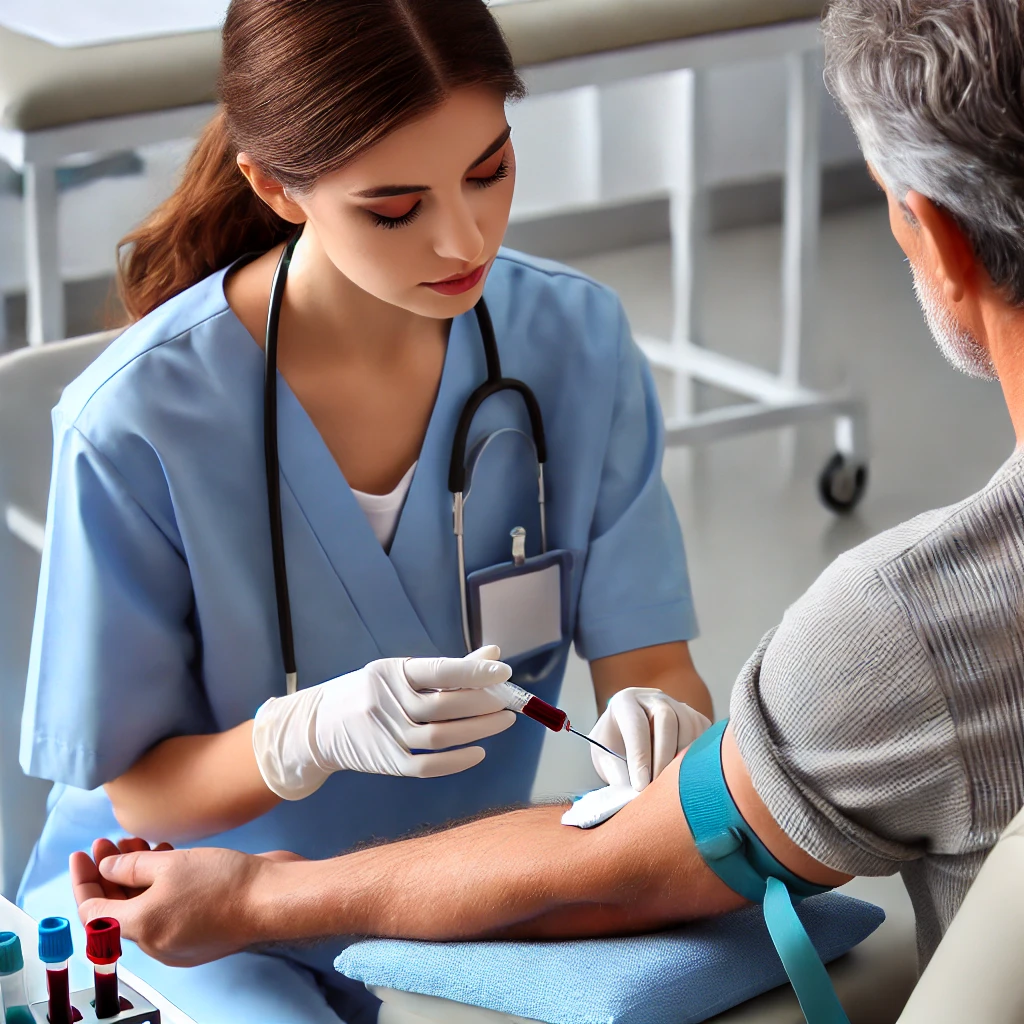
So, what is the PSA? It is a protein that is produced by both cancerous and normal cells in the prostate gland. It can be elevated by prostate cancer but it can also be elevated by prostatitis (an infection of the prostate) or an enlarged prostate (benign prostatic hypertrophy). It is checked through a simple blood test. Your family doctor can order as part of your annual work up.

What are the recommendations for the PSA? The US Preventive Services Task Force (USPSTF), the group chartered by the federal government to develop recommendations for effective screening of health conditions of the American public has the following three recommendations: (1) consideration of annual screening for men aged 55 to 69 with no family history of prostate cancer; this should be a shared, informed decision between the patient and his physician; (2) for men who have a significant family history of prostate cancer consideration should be given to screening beginning at age 40; (3) for men over 70 years old they recommend against screening for prostate cancer. Please note the phrase “consideration of screening”. This is not a firm recommendation. Unfortunately, some have interpreted that as meaning screening is not necessary.

Their concern about large-scale screening is that it may lead to over diagnosis or over treatment. A PSA test can have false positives that may lead to unnecessary biopsies or surgery. Only about 25% of men who have a prostate biopsy are found to have cancer. Although, it is important to recognize that a prostate biopsy does not test the entire gland. It takes samples from several areas of the gland. It is possible, though unusual, that a cancer could be missed in the biopsy process

Additionally, most prostate cancer is very slow growing. Most men who have prostate cancer later in life will generally die of something else before they would die of prostate cancer. However, a small percentage of men will have a high-grade prostate cancer that can progress rapidly and cause their death.

A prostate biopsy is graded on what is called a Gleason score. This is a complicated process that involves evaluating the highest grade and lowest grade areas sampled by the biopsy. I won’t go into detail because even medical professionals frequently have to look up the scoring process. The simplified version is that a 6 is a low-grade risk, a 7 is an intermediate risk and an 8 to 10 is a high-grade risk. Originally the Gleason scale was rated 2 to 10. With 2 to 5 being considered no risk. Currently only 6 to 10 is used with 6 being the lowest score.

I’m going to use my personal experience as a way of explaining why I disagree with the current recommendations for PSA screening. The week before my 70th birthday I went in to get my annual physical. In our clinic we have a “birthday panel”, a blood test that we draw for people annually for their physical exam. I had not planned to have my PSA checked since it was not recommended by either the USPSTF or the American Academy of Family Physicians for 70-year-olds. However, it had slipped my mind that a PSA was part of our “birthday panel”.

My PSA came back slightly elevated. Since it was a very minor elevation, I followed the guidelines and waited six months and repeated it. At that time, it increased only a small amount. The guidelines suggested repeating it again in six months. I have to admit though, I have never been a wait-and-see kind of guy. I scheduled an appointment with a urologist.

The urologist and I discussed the options. He told me that the elevation was slight and we could wait and repeat it in 6 months or if I wished we could do a biopsy. Again, not being a wait-and-see kind of guy I opted for the biopsy. After the biopsy my Gleason score was 7 and the pathology report said specifically that it was favorable-intermediate. The guidelines suggested repeating the biopsy again in six months.

As I said, I don’t like to wait. I opted for surgery. I had my prostate removed. I should mention that my family are not wait and see people either and they insisted I choose surgery.

The post-operative report said that there was a high-grade carcinoma that apparently had been missed by the biopsy. It had begun to extend beyond the capsule of the gland. Fortunately for me it had not metastasized and had not spread to the lymph nodes. Had I followed the guidelines and waited another year or even six months for a repeat biopsy, it is possible that the cancer would have metastasized and it could have been fatal.

It is important to recognize that all screening and treatment guidelines are developed on what is considered cost effective medicine for the population as a whole. They are not necessarily what is best for you as an individual. If you have any concerns, you should discuss them with your physician. Never be shy about requesting treatment beyond what guidelines suggest. Just remember, they are guidelines, not hard and fast rules. Take responsibility for your own health and don’t let anyone talk you out of what you think is best for you.

That is the opinion of the Grumpy Doc. If you have any questions, please leave comments on the blog or email me at grumpydocWV@gmail.com.

Vaccinate! Vaccinate!

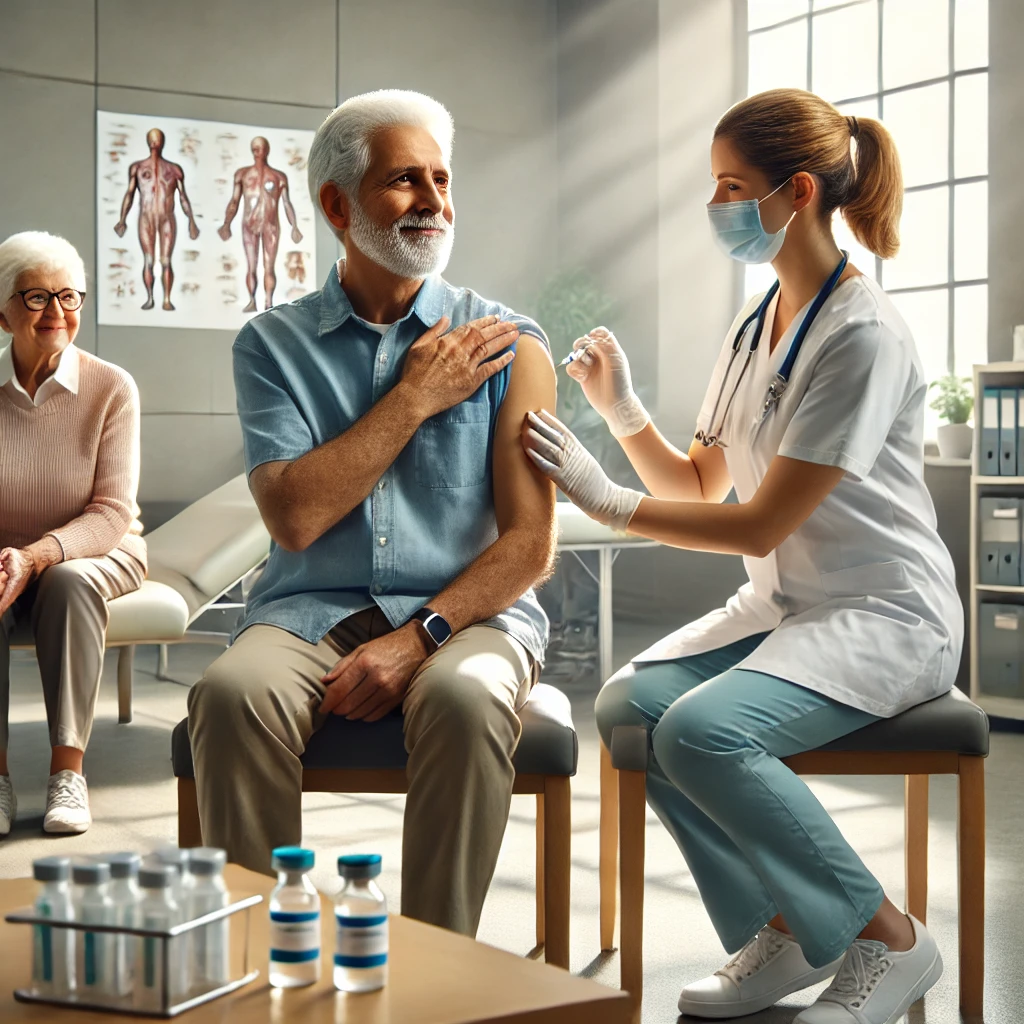
I’m going to climb on my soap box to thank those of you who are either fully vaccinated against COVID or who are in the process of becoming so.  The only chance we have of putting this virus behind us is to reduce the population of non-immune, so that the possibility of new variants is limited.  Hopefully, we can accomplish this by increasing the immune population through vaccination rather than decreasing the non-immune population through COVID related deaths. 

The vaccine is safe. Yes, there have been reports of serious events and even death among people who were vaccinated.  However, these events are approximately equal to their occurrence in the general population and with very few exceptions the vaccination could not be attributed to their death.  Additionally, risk factors for adverse reactions, which can happen with any medication, have been identified and those people likely to have a reaction are not being vaccinated until further studies can be done. 

  The number going around on the internet is that 14,000 people died from the COVID vaccination.  This is a blatant misstatement of the facts.  Fourteen thousand people who had been vaccinated died during the study period.  After careful review of each case, it was determined that the vast majority of deaths were attributed to other causes and for many of the others a proximal cause of death could not be identified.  This is out of the more than six million who had been vaccinated at the time the number was first reported.   

The bottom line is this:  there have been over 800,000 COVID deaths in the US and over 5,000,000 deaths worldwide.  This disease will continue its rampage until everyone does their part to stop the spread. 

I find the argument about personal freedom to be disingenuous.  We all give up some degree of personal freedom to live in a civil society.  We get a drivers license. We stop at red lights.  We don’t steal.  We don’t go shopping in our underwear (except possibly at Walmart, but that’s a topic for another day).  

I have to ask, “Do you consider your concept of personal freedom so important that you are willing to put the lives of others at risk?”  If you do, then this is not about freedom, it’s about selfishness.   

This is more important than politics.  This is life and death.  Please, get vaccinated. 

A Deadly Blood Clot: AKA The DVT

Blood clots, mainly in the legs, also known as deep vein thrombosis (DVT), are a major health risk for older Americans. They can lead to serious health complications and potentially even death. Learning to recognize risk factors for DVT as well as the warning signs that you may have developed one is vitally important. Equally as important is understanding the things you can do to minimize your risk.

 Risk factors include prolonged periods of immobility such as hospitalization or broken bones, as well as a long-distance travel, particularly air travel. Prevention of DVTs is the reasons many hospitalized patients are put on anticoagulants (blood thinners) either by mouth or by shots in their abdomen. Other risk factors include smoking, obesity, orthopedic surgery, use of oral contraceptives or hormone replacement therapy, cancer, heart failure and age greater than 65.

DVTs form in the deep veins of the legs. These are the large veins that communicate directly with the lungs. When small pieces of blood clot break off, they can travel to the lungs and cause what is known as a pulmonary embolism (PE). This can be a major threat to life and may require long term treatment with anticoagulation medicines. While not every DVT leads to a PE, It is important to recognize the warning signs that you may have a DVT and even more important to understand how to go about preventing them.

First, we should recognize the difference between DVTs and their unattractive cousins, varicose veins. We’ve all seen varicose veins and many of us have them. They are unsightly and sometimes can even be painful. However, they do not present the same risk to health and life as DVTs. Varicose veins are superficial veins and even if clots are formed in them, they cannot make it to your lungs.

There are several things to look for that may indicate you have a DVT. The most common is unilateral calf swelling where one leg is about two inches larger than the other measured at a point about four inches below the knee. Since most of us don’t carry a tape measure, be concerned if one leg looks larger than the other. Swelling may also consist of an entire leg. Occasionally both legs may be swollen but that is unusual. The swelling is often what is called pitting edema. In pitting edema, you can press your finger into the swollen area and remove it and a dent remains. Calf tenderness in the swollen leg may also be indicative of a DVT. If the swelling is significant, numbness may also be present. Pain with walking is also common and, in some cases, the swollen leg feels warm to the touch. Some of the same symptoms can be found in complications of varicose veins known superficial thrombophlebitis, a painful but not usually life-threatening condition. If you have any of the above symptoms you should immediately visit your family physician or other medical provider to ensure that a DVT is not missed.

And now, the most important part, what can you do to keep from getting a DVT? The easy things first. Wear loose clothes, drink plenty of water, and avoid anything with alcohol or caffeine. The best way to prevent a DVT is to get up and walk every couple of hours. Of course, this is easier said than done on a transcontinental or international flight. So, let’s look at a few things that can be done in your airline seat, or even in your car, to reduce your risk.

You want to exercise your legs while you’re seated. First you can raise and lower your heels while keeping your toes on the floor. You can also raise and lower your toes while keeping your heels on the floor. You can tighten and release your calf muscles. A little more advanced exercise is to lift your feet off the floor and twirl them around as if you’re trying to draw circles with your toes. If you have sufficient room in your airline seat you can try extending your knees or doing knee lifts. For most of us though there just isn’t enough room in an airline seat for doing these last two. You should do these exercises for about 30 to 40 seconds each and they should be repeated about every 30 to 40 minutes. This may not eliminate your risk of developing a blood clot but will certainly reduce it. Additionally, while there is some evidence to suggest that aspirin may reduce the risk of developing a blood clot, there are currently no specific guidelines for its use in prevention of DVTs and aspirin therapy does have some associated risk of bleeding. Be sure and contact your family doctor before starting aspirin therapy to prevent DVTs.

If you have any concern at all, seek medical assistance. It is better to be safe than to miss a DVT. Finally, safe travels.

Medicine During the American Revolution

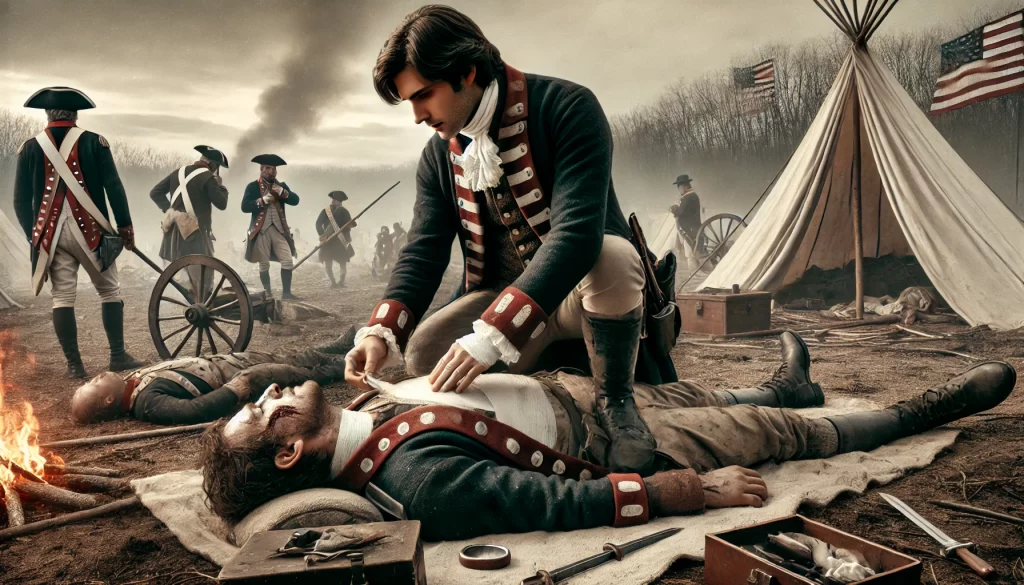
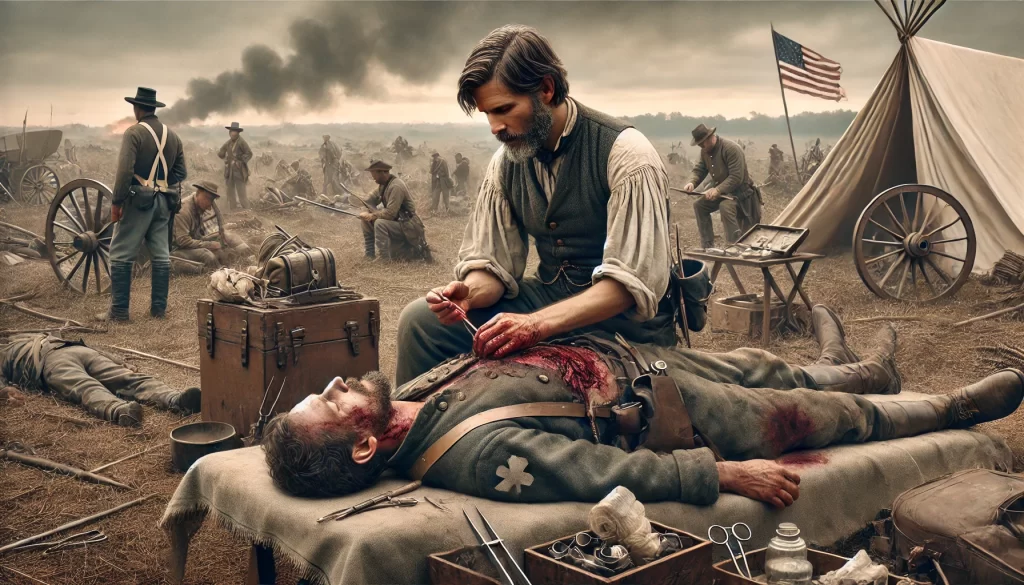
We all have an idea of what life was like for our 18th century ancestors: no electricity, no running water or indoor plumbing, no central heat, no telephone or computers, no rapid transportation.  But try to imagine what medicine was like under these conditions.  Most things that we take for granted as a routine part of our medical care did not yet exist.  There were no X-rays, no lab tests, no EKGs, no antibiotics and no concept of sterile procedure or anesthesia.  Surgery was a painful and often fatal process.

In many ways, medicine was more of a trade than a profession.  There were only two medical schools in 18th century America.  The Philadelphia Medical College was founded in 1765 and Kings College Medical College in New York two years later.  Most physician and surgeons (chirurgiens as it was spelled at the time) who had formal training received it in Europe.  By far, most physicians received their training by a one-to-three-year apprenticeship in the office of an established physician.  Others, particularly on the frontier, simply declared themselves physicians and set up practice.  In some remote areas, surgery was performed by the local barber or butcher because they had the tools.

The first medical society was formed in Boston in 1735.  By the mid-1700s most colonies required a medical license of some form.  In many colonies the medical license was little more than a business tax with few, if any, enforceable professional standards.  The first hospital in the colonies was founded in Philadelphia in 1751 by a group that included Benjamin Franklin.

In 1775 there were an estimated 3000 physicians practicing in the colonies.  Fewer than 300 had a medical degree or a certificate from a formal apprenticeship.  Early attempts at licensing were resisted as an attempt to place a monopoly on medicine.  Massachusetts was the first colony to attempt regulation by issuing a certificate of proficiency for completion of an approved apprenticeship.  But even in Massachusetts, as notable a physician as Benjamin Rush reported that the only prerequisite for “…. a doctor’s boy (apprentice) is the ability to stand the sight of blood”.

While modern concepts of disease and sanitation were beginning to evolve in the late 18th century, many practitioners still ascribed to the almost 1000-year-old ideas of the Greek physician Galan.  He believed that the body had four humors: blood, phlegm, yellow bile, and black bile.  Good health required a balance of the humors and illness resulted from their imbalance.  Attempts to restore balance included bleeding, purging, diuretics and laxatives, and placing heated cups on the back to form blisters and draw out the humors.  It was this belief that led to the bleeding that hastened George Washington’s death.  Quite literally, the cure was worse than the disease.

The physicians of the time had few effective medicines and often acted as their own apothecary, compounding medications of spices, herbs, flowers, bark, mercury, alcohol, or tar.  Opium elixir was marketed to help babies sleep through the night.  Mercury was used to treat everything from syphilis to scabies.  Voltaire summed up the state of pharmacology when he said “…. a physician is one who pours drugs of which he knows little into a body of which he knows less.”

Disease and hardship were a fact of life in the colonies.  One in eight women died in childbirth or from complications of pregnancy.  One in ten children died before the age of five.  Diseases such as malaria, yellow fever, typhus and measles ravaged many communities.  They were especially deadly for American Indians.

Smallpox was perhaps the deadliest disease of the colonial period.  Entire American Indian tribes were annihilated.  Epidemics repeatedly swept through the colonies in the 1700s killing thousands.  George III became King of England in part because of smallpox.  The last Stewart claimant to the throne died of the disease and England looked to the House of Hanover for the German born King George I.

Inoculations against smallpox had been widespread in Africa and in Arab countries for many years.  In the American colonies inoculation was denounced as barbarian and some clergy preached that it was thwarting God’s will.  Despite the support of such notables as Cotton Mather and Benjamin Franklin, inoculation against the disease was not widespread until George Washington, seeing the debilitating effect of smallpox on the Continental Army, ordered massive inoculation of all troops. 

Disease and poor hygiene were the greatest foes faced by the army.  John Adams reported that for every soldier killed in battle, ten died from disease.  On July 25, 1775, the Continental Army Medical Corps was formed.  Initially, each regiment was required to provide its own surgeon and there were no established qualifications.  Only Massachusetts required examination of regimental surgeons and many colonies did not provide the surgeons with a military rank. To make matters worse, the first director general of the army medical corps, Dr. Benjamin Church, was a British spy.

Modern ideas of sanitation were unknown to most colonists.  Few people bathed because they believed it removed the body’s protective coating.  Most soldiers had only a single set of clothes in which they also slept and almost never washed.  Army camps were hot beds of flux (dysentery) and camp fever (typhoid and typhus, the distinction between them was unknown).  Camp fever took a huge toll on the army because it left the survivors so debilitated that they required almost constant care and seldom returned to duty.

Sanitation consumed a large part of General Washington’s time at Valley Forge.  Latrines, garbage disposal and animal manure were constant problems.  Attempts to prevent and treat the itch (scabies) were relentless.  At times, several hundred soldiers would be unfit for duty due to infestation. What little clothing and blankets they did have often had to be burned to prevent the spread of the parasite. 

Conditions in army hospitals were not much better and could be far worse.  Camp fever spread rapidly through the close confines, often killing entire wards, including the staff.  Death rates could run as high as 25% in hospitals and many soldiers preferred to remain in camp where they felt they had a better chance of survival.  Dr Benjamin Rush stated “Hospitals are the sinks of human life.  They robbed the United States of more citizens than the sword.”

The French, as with many things during the revolution, aided the patriots with their health problems.  Dr. Jean Francois Coste, chief medical officer of the French Expeditionary Force, was one of the first to introduce strict regulations concerning sanitation and hygiene in army camps.  The Americans, noting the significantly better health of their allies, were quick to follow suit.

The revolution was always close to failure.  It was made even closer by widespread disease.  But as with everything, our patriot ancestors persisted and triumphed. 

This post was adapted from my article published in The SAR Magazine, Fall 2020, Sons of the American Revolution.

Sources:

Colonial Society of Massachusetts.  Medicine In Colonial Massachusetts 1620-1820.  Boston, MA, 1980

Miller, Christine.  A Guide to 18th Century Military Medicine in Colonial America, Self-Published,Lexington, KY, 2016.

Reiss, Oscar, MD.  Medicine and the American Revolution; How Diseases and their Treatments Affected the Colonial Army.    McFarland & Co, Jefferson, NC, 1998.

Shryock, Richard.  Medicine and Society in America 1660 – 1860.  Cornell University Press, Ithaca, NY, 1960.

Terkel, Susan.  Colonial American Medicine.  Franklin Watts, NY, 1993.

Wilber, C. Keith, MD. Revolutionary Medicine 1700 -1800.  The Globe Pequot Press, Guilford CN, 1980.

Doctor Google Will See You Now

There are few words that cause more trepidation among doctors than having a patient start off a visit by saying, “I was reading on the internet”. It’s not that we don’t want our patients to be well informed; a knowledgeable patient is an important part of successful health care.  It is what we call the therapeutic alliance.

What we worry about is what they may have been reading on the Internet. There is a lot of good information available, and I always encourage my patients to learn as much as they can about their own health issues. There are many professionally researched and peer reviewed medical websites. They include such commercial sites as Medscape and WebMD. They also include patient advocacy sites such as the American Diabetes Association and the American Heart Association. And, of course, there are the government sites such as the Centers for Disease Control and the National Institutes of Health. All these present the best available science and benefit from rigorous research and review.

That is not to say that they won’t change. Science evolves and knowledge improves. What is our best knowledge now may at some point in the future be proven wrong.  However, your best chance of getting solid information is on these well documented sites.

What I worry about are the undocumented or unverified websites that provide what can best be called rumor or conspiracy.   Any time a patient tells me,” I was reading on the Facebook page “The Truth About….,” I cringe.  Any Facebook page entitled “The Truth About…” is unlikely to contain much truth.   

False information takes on a life of its own on the internet. The big lie almost always buries the truth. Long after the article that was the basis for a false claim linking the MMR vaccine with autism was withdrawn by the British medical journal The Lancet, and long after the physician who wrote the article was found by the British General Medical Council to have falsified the data and long after he lost his medical license, the study is still quoted by many anti-vaccine people as being a fundamental truth.

Even when the authors of such false information repudiate it, people still believe it. It becomes part of the legend that “they” forced the author to remove it. No one ever explains who “they” are or why “they” want to keep the public in ignorance. Of course, there is never any source documentation or research reference.

The websites espousing false medical information may be second in number only to that espousing false political information. At times it seems that the more outlandish the claim the more readily their adherents believe it.  It doesn’t even seem to matter that this type of information is frequently published anonymously. You would think the readers would wonder why a person in possession of such great knowledge would refuse to take credit for it. I have often thought that if I anonymously posted on the internet that everyone who has ever drank water has died, that suddenly a large portion of the population would stop drinking water.

So, in closing, I just want to say I want all my patients to be well informed and take an active interest in their health care. And I encourage you to Google any medical questions you have. Just be sure that what you are reading is accurate and verified and scientifically based. Don’t allow conspiracy theories and “crackpot science” to have a detrimental effect on your health.

If in doubt, ask your doctor. If you don’t trust your doctor to give you factual information and prefer to consult with the anonymous pseudo medical websites then perhaps it’s time to find a new doctor.  But please, think twice before disregarding the advice of someone whose entire professional life is dedicated to your good health.

Page 7 of 7

Powered by WordPress & Theme by Anders Norén