Grumpy opinions about everything.

Author: John Turley Page 10 of 27

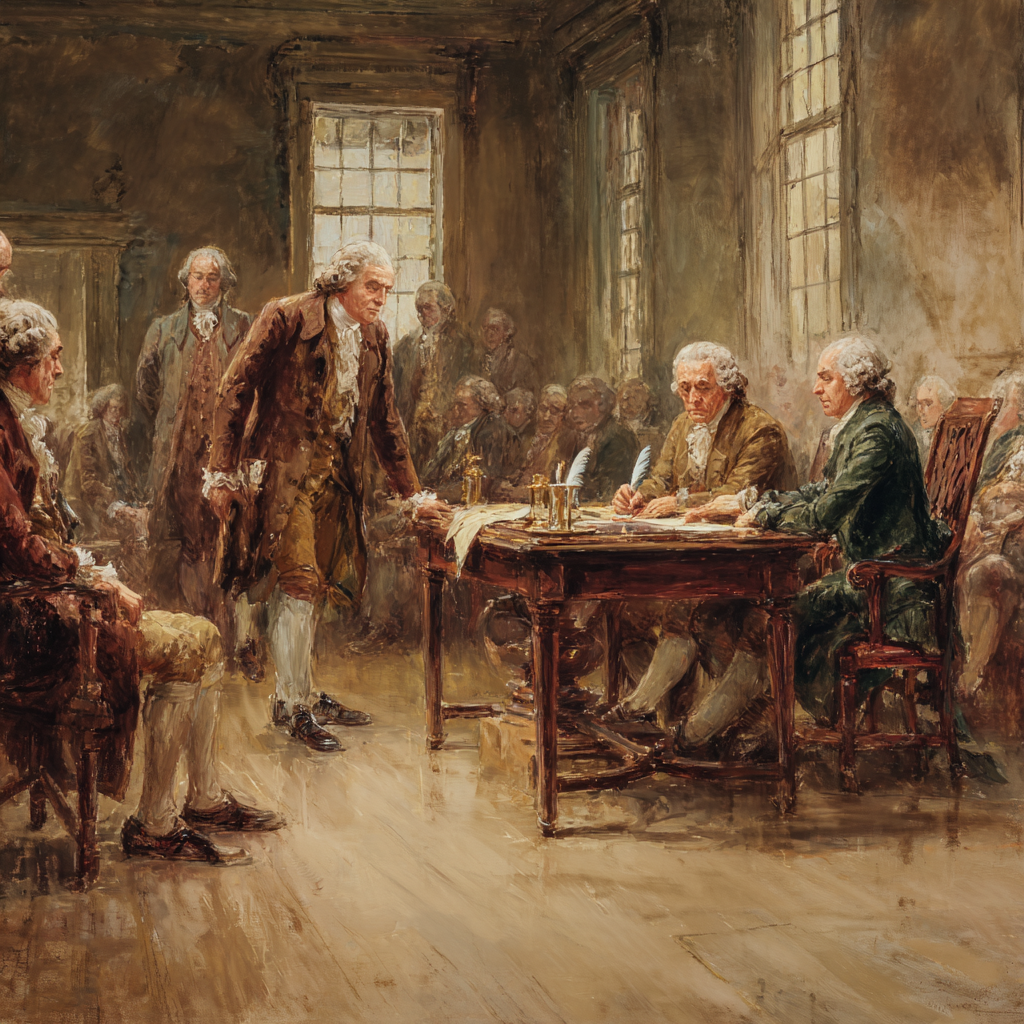
Why History Still Matters: Lessons for Today’s World

Recently I was reading an article about the poor state of historical knowledge in the United States, and I decided to repost my first article from when I started blogging almost five years ago.  It seems very little has changed.

“Study the past if you would define the future,”—Confucius. I particularly like this quotation. It is similar to the more modern version: Those who don’t learn from the past are doomed to repeat it. However, I much prefer the former because it seems to be more in the form of advice or instruction. The latter seems to be more of a dire warning. Though I suspect, given the current state of the world, a dire warning is in order.

But regardless of whether it comes in the form of advice or warning, people today do not seem to heed the importance of studying the past.  The knowledge of history in our country is woeful. The lack of emphasis on the teaching of history in general and specifically American history, is shameful. While it is tempting to blame it on the lack of interest on the part of the younger generation, I find people my own age also have very little appreciation of the events that shaped our nation, the world, and their lives. Without this understanding, how can we evaluate what is currently happening and understand what we must do to come together as a nation and as a world.

I have always found history to be a fascinating subject. Biographies and nonfiction historical books remain among my favorite reading. In college I always added one or two history courses every semester to raise my grade point average. Even in college I found it strange that many of my friends hated history courses and took only the minimum. At the time, I didn’t realize just how serious this lack of historical perspective was to become.

Several years ago, I became aware of just how little historical knowledge most people possess. At the time, Jay Leno was still doing his late-night show, and he had a segment called jaywalking. During that segment he would ask people in the street questions that were somewhat obscure and to which he could expect to get unusual and generally humorous answers. On one show, on the 4th of July, he asked people “From what country did the United States declare independence on the 4th of July?” and of course no one knew the answer.  

My first response was he must have gone through dozens of people to find the four or five people who did not know the answer to his question. The next day at work, the 5th of July, I decided to ask several people, all of whom were college graduates, the same question. I got not one single correct answer. Although, one person at least realized “I think I should know this”. When I told my wife, a retired teacher, she wasn’t surprised.  For a long time, she had been concerned about the lack of emphasis on social studies and the arts in school curriculums.  I too was now becoming seriously concerned about the direction of education in our country.

A lot of people are probably thinking “So what, who really cares what a bunch of dead people did 250 years ago?” If we don’t know what they did and why they did it how can we understand its relevance today?  We have no way to judge what actions may support the best interests of society and what will ultimately be detrimental.

Failure to learn from and understand the past results in a me-centric view of everything. If you fail to understand how and why things have developed, then you certainly cannot understand what the best course forward will be. Attempting to judge all people and events of the past through your own personal prejudices leads only to continued and worsening conflict.

If you study the past, you will see that there has never general agreement on anything. There were many disagreements, debates and even a civil war over differences of opinion.  It helps us to understand that there are no perfect people who always do everything the right way and at the right time. It helps us to appreciate the good that people do while understanding the human weaknesses that led to the things that we consider faults today. In other words, we cannot expect anyone to be a 100% perfect person. They may have accomplished many good and meaningful things, and those good and meaningful things should not be discarded because the person was also a human being with human flaws.

Understanding the past does not mean approving of everything that occurred but it also means not condemning everything that does not fit into twenty-first century mores.  Only by recognizing this and seeing what led to the disasters of the past can we hope to avoid repetition of the worst aspects of our history. History teaches lessons in compromise, involvement and understanding. Failure to recognize that leads to strident argument and an unwillingness to cooperate with those who may differ in even the slightest way. Rather than creating the hoped-for perfect society, it simply leads to a new set of problems and a new group of grievances.

In sum, failure to study history is failure to prepare for the future. We owe it to ourselves and future generations to understand where we came from and how we can best prepare our country and the world we leave for them. They deserve nothing less than a full understanding of the past and a rational way forward. 

I’m going to close with a quote I recently came across:

  “Indifference to history isn’t just ignorant, it’s rude.”

                        —David McCollum

Palpitations Explained: When It’s Normal and When It’s an Emergency

That sudden awareness of your heart beating faster, skipping a beat, or pounding in your chest can be unsettling. You’re experiencing what doctors call palpitations, and while they might feel alarming, they’re actually quite common. Understanding what causes them, when to worry, and how they’re treated can help put your mind at ease.

What Are Heart Palpitations?

Heart palpitations are essentially your heightened awareness of your own heartbeat. Normally, you don’t notice your heart beating throughout the day. When palpitations occur, you suddenly become conscious of this usually automatic process. People describe the sensation in various ways: your heart might feel like it’s racing, pounding, fluttering, flip-flopping, or skipping beats entirely.

You can feel palpitations in different locations too. While most people notice them in their chest, you might also feel them in your throat or neck. Some people even hear their heartbeat, especially when lying in bed at night in a quiet room.

Common Causes of Palpitations

The most frequent trigger for palpitations is anxiety or stress. When you’re worried, scared, or experiencing a panic attack, your body’s fight-or-flight response kicks in, causing your heart to beat faster and harder. But anxiety isn’t the only culprit.

Lifestyle factors play a significant role. Caffeine from coffee, tea, or energy drinks can trigger palpitations, as can alcohol and spicy foods. Many people notice palpitations after eating large, heavy meals rich in carbohydrates or sugar. Smoking and recreational drugs like cocaine or amphetamines are also common triggers.

Hormonal changes during pregnancy, menstruation, or menopause frequently cause palpitations. During pregnancy, your body produces more blood to support your baby, which can make your heart work harder and create noticeable palpitations.

Certain medications, including asthma inhalers, decongestants, thyroid medications, corticosteroids, and some blood pressure drugs, may cause palpitations as a side effect.

Medical conditions can also be responsible. An overactive thyroid gland speeds up your metabolism and heart rate. Low blood sugar, anemia, dehydration, imbalances of potassium or magnesium, and fever can all trigger palpitations.

Arrhythmias are an abnormal rhythm of the heart that can be perceived as palpitations.  Common types include atrial fibrillation (irregular, often rapid heart rate) commonly known as afib, ventricular tachycardia or vtach, (a rapid heart rate that starts in the lower chambers of the heart), and premature ventricular contractions (extra heartbeats) sometimes called PVCs. Some arrhythmias such as PVCs are harmless, while others can increase the risk of stroke, heart failure, or sudden cardiac arrest.

Palpitations can be a sign of more serious heart disease, such as coronary artery disease, cardiomyopathy, or heart valve problems. These often come with other symptoms such as chest pain, dizziness, or shortness of breath.

Recognizing the Symptoms

Beyond the basic awareness of your heartbeat, palpitations can come with additional sensations. You might feel like your heart is beating too fast or too hard. Some people describe a fluttering sensation, like butterflies in their chest. Others feel like their heart is skipping beats or adding extra ones.

The timing and triggers of your palpitations can provide important clues. Some people only notice them at night when lying down, simply because there are fewer distractions. Others experience them after exercise, during stressful situations, or following meals.

Most palpitations are brief, lasting just seconds to a few minutes. However, if they persist for longer periods or occur frequently throughout the day, they warrant medical attention.

How Palpitations Are Diagnosed

When you visit your doctor about palpitations, they’ll start with a detailed   conversation about your symptoms. They’ll ask you to describe exactly what you feel, when the palpitations occur, and what might trigger them. Your medical history, including any heart conditions, medications, and family history of heart problems, is crucial information.

The physical examination includes listening to your heart and lungs with a stethoscope, checking your blood pressure, and looking for signs of other conditions that might cause palpitations, such as an enlarged thyroid gland.

The most important initial test is an electrocardiogram (ECG or EKG), which records your heart’s electrical activity. This painless test can detect irregular heart rhythms if they occur during the recording. However, since palpitations often come and go, you might not experience them during the brief ECG.

For this reason, doctors often recommend longer-term monitoring. A Holter monitor is a portable device you wear for 24 to 48 hours that continuously records your heart rhythm during normal activities. Event monitors can be worn for weeks or months, and you activate them when you feel symptoms.

Blood tests can check for conditions like anemia, thyroid problems, or electrolyte imbalances that might trigger palpitations. An echocardiogram, which uses sound waves to create images of your heart, can reveal structural problems.

Benign vs. Dangerous Palpitations

Here’s the good news: most palpitations are benign and don’t indicate serious heart problems. Research shows that about 16% of people see their primary care doctor for palpitations, but the vast majority have harmless causes.

Benign palpitations typically occur in people with normal heart function and no structural heart disease. They’re often triggered by identifiable factors like stress, caffeine, or hormonal changes. These palpitations usually last only seconds to minutes and resolve on their own.

However, certain warning signs suggest palpitations might indicate a more serious condition. Seek immediate medical attention if palpitations occur with chest pain, severe shortness of breath, dizziness, fainting, or near-fainting episodes. These symptoms could indicate dangerous heart rhythms that affect your heart’s ability to pump blood effectively.

People with existing heart disease, previous heart attacks, or significant risk factors for heart disease should take palpitations more seriously. In these cases, palpitations might signal a dangerous arrhythmia that requires prompt treatment.

The pattern of palpitations can also provide clues. Sustained episodes lasting hours, very frequent daily occurrences, or palpitations that worsen over time are more concerning than occasional brief episodes.

Treatment and Management Options

Treatment for palpitations depends entirely on their underlying cause. When palpitations are benign and caused by lifestyle factors, the focus is on avoiding triggers and making healthy changes.

Stress management is often the most effective intervention. Techniques like deep breathing exercises, meditation, yoga, or regular counseling can significantly reduce stress-related palpitations. Regular exercise, while it might temporarily increase your heart rate, actually helps reduce overall palpitation frequency by improving cardiovascular fitness and stress resilience.

Dietary modifications can be very effective. Reducing or eliminating caffeine, limiting alcohol consumption, and avoiding large heavy meals can prevent many episodes. Staying well-hydrated and maintaining stable blood sugar levels through regular, balanced meals also helps.

For palpitations caused by medical conditions, treating the underlying problem usually resolves the symptom. This might involve thyroid medication for hyperthyroidism, iron supplements for anemia, or adjusting medications that trigger palpitations.

When palpitations are caused by heart rhythm disorders, more specific treatments may be necessary. Medications called beta-blockers can slow heart rate and reduce palpitation frequency. For more serious arrhythmias, doctors might recommend procedures like catheter ablation, which uses targeted energy to correct abnormal electrical pathways in the heart.

Some people benefit from devices like pacemakers (for slow heart rhythms) or implantable cardioverter defibrillators (for dangerous fast rhythms). However, these interventions are reserved for serious heart conditions, not typical benign palpitations.

While most current treatments focus on medications and procedures, emerging technologies like smartphone monitoring and wearable devices may play larger roles in future palpitation management.

When to Seek Help

Most palpitations don’t require emergency care, but certain situations demand immediate attention. Call 911 if palpitations occur with chest pain or pressure, severe shortness of breath, fainting, severe dizziness, if your pulse feels very fast or erratic, or any signs that might indicate a heart attack.

Schedule a regular appointment with your doctor if you experience frequent palpitations, if they’re interfering with your daily activities, or if you have risk factors for heart disease. Even if your palpitations turn out to be benign, getting proper evaluation provides peace of mind and ensures you’re not missing any underlying conditions.

Remember, while palpitations can feel frightening, they’re usually harmless. Recognizing the difference between harmless triggers and signs of more serious conditions and understanding their causes and knowing when to seek help are keys to managing your heart health

The Erosion of Decorum in Public Discourse

The nature of public debate has undergone a dramatic change in recent years. Civility and reasoned discourse—once the hallmarks of political and social commentary—have given way to something closer to a verbal battleground.

Today’s public exchanges are increasingly defined by inflammatory rhetoric, personal attacks, and an abandonment of long-held norms of decorum.

From Respectful Dialogue to Profanity-Laced Exchanges

The decline is nowhere more evident than in the normalization of profanity. What was once limited to private conversations or edgy entertainment now spills freely across digital platforms.

Social media comment threads, online forums, and even professional publications regularly feature language that, not long ago, would have been considered unacceptable in public life. This shift reflects a broader cultural preference for emotional expression over reasoned argument.

Substack and the Temptation of Provocation

Even Substack, often positioned as a refuge for serious, long-form writing, has not been immune.

When I first joined the platform, I was drawn by its promise of thoughtful essays outside the noise of traditional media. Yet I’ve noticed a sharp increase in profanity, personal insults, and derogatory comments—paired with a noticeable decline in reasoned discussion.

False claims, easily disproven with a quick fact-check, are repeated and restacked with little regard for accuracy. The subscription model, rewarding engagement over editorial oversight, can inadvertently encourage more inflammatory tones in order to hold readers’ attention.

The Meme Problem

Memes have only accelerated this decline. And here, I’ll admit my own complicity: I’ve created and shared memes to make ironic or satirical points. But over time, irony can blur into sarcasm, and satire into insult.

Memes thrive on simplification and emotional impact. Complex policies collapse into pithy slogans and mocking images. They’re shareable, entertaining, and easy—but rarely conducive to real understanding.

The result? Substantive debate gets replaced by fast, shallow exchanges of oversimplified (and often misleading) talking points.

From Essays to Punchlines

Essays once demanded careful argument: claims supported by evidence, acknowledgment of counterpoints, and respect for nuance. Memes demand only a laugh—or a groan.

Worse, their viral nature ensures that inflammatory or misleading content spreads faster than any correction ever could.

This isn’t just an aesthetic concern. When communication prioritizes winning over understanding, democracy suffers. Citizens grow less equipped to grapple with complex issues, and leaders find it easier to appeal to emotion rather than present workable solutions.

Can We Reverse the Trend?

The trajectory is worrisome—but not irreversible.

  • Platforms could design features that reward thoughtful engagement instead of amplifying outrage.
  • Educational institutions could recommit to teaching critical thinking and civil debate.
  • Individuals can model better behavior, remembering that persuasion usually requires respect.

Still, if I’m honest, I’m not optimistic. Too many incentives—from clicks to cash—push the culture of discourse in the opposite direction.

Final Thoughts

The health of our public discourse is the health of democracy itself. As writers, readers, and citizens, we carry responsibility for raising the standard.

Our words shape not only our immediate conversations but also the norms of civic life for generations to come. The choice is ours: continue down the path of hostility and simplification—or rebuild the habits of respect and reason.

I hope we choose the latter. But hope, at this moment, feels fragile.

The First Amphibious Landing

 The Continental Marines at Nassau

When the Second Continental Congress authorized the creation of the Continental Marines on November 10, 1775, few could foresee their pivotal role in orchestrating North America’s first amphibious assault less than four months later.  The operation against Nassau, on New Providence Island in the Bahamas, was born of necessity, marked by improvisation, and ultimately set the tone for Marine Corps operations—an audacious legacy that endures to this day.

Origins: Gunpowder Desperation and Strategic Vision

The American Revolution’s early years were marked by chronic shortages, especially of gunpowder. After the British seized stores destined for the Patriot cause, intelligence uncovered that significant quantities were stockpiled at Nassau. The Continental Congress approached this challenge with typical Revolutionary War creativity—they would use their brand-new Navy and even newer Marines to solve an Army problem. The Congress’ official instructions to Commodore Esek Hopkins focused on patrolling the Virginia and Carolina coasts, but “secret orders” directed attention to the Bahamas, setting in motion a bold plan to directly address the fledgling army’s supply crisis.

Organization: The Making of an Amphibious Battalion

With barely three months’ existence, the Continental Marines had hastily raised five companies of around 300 men. Captain Samuel Nicholas, tasked as the first Marine officer, oversaw their training and organization in Philadelphia. Their equipment was uneven—many wore civilian garb rather than uniforms and carried whatever muskets and bayonets were available. The uniform regulations specifying the now famous green coats with white facings were not promulgated until several months after the raid was over.

The Voyage South: Challenges and Preparation

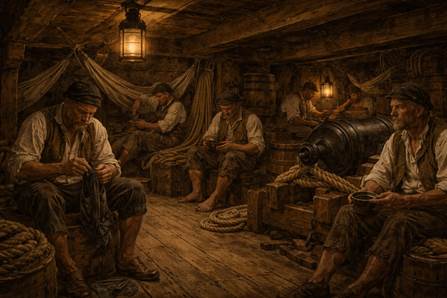
Hopkins’ fleet consisted of the ships Alfred, Hornet, Wasp, Fly, Andrew Doria, Cabot, Providence, and Columbus. In addition to ships’ crews, the fleet carried more than 200 Continental Marines under the command of Captain Nicholas. The expedition began inauspiciously on January 4, 1776, when the fleet attempted to leave Philadelphia but became trapped by ice in the Delaware River for six weeks.

When they finally reached the Atlantic on February 17, 1776, the small fleet faced additional challenges. Disease found its way onboard most of the ships. Smallpox was a huge concern and was reported on at least four ships.

The fleet’s journey to the Caribbean took nearly two weeks of sailing through challenging winter conditions. Despite the hardships, Hopkins maintained the element of surprise—British intelligence had detected American naval preparations but assumed the fleet was bound for New York or Boston, not the distant Bahamas.

Implementation: Amphibious Innovation at Nassau

The element of surprise was initially lost when the fleet’s approach triggered alarm at Nassau. Plans to storm the stronger Fort Nassau dissolved, and Hopkins convened a council to identify a new landing point. A revised strategy saw about 230 Marines and 50 sailors, led by Captain Nicholas, land from longboats two miles east of the weaker Fort Montagu on March 3, 1776. They wore a patchwork of civilian clothes and white breeches—some men had managed to find green shirts as a form of identification. They set out marching toward the fort armed with muskets and bayonets, looking perhaps more like pirates than soldiers. 

Their advance was met with only token resistance. Outnumbered and ill-prepared, local militia withdrew as Nicholas’s men captured Fort Montagu in what historian Edwin Simmons called a “battle as bemused as it was bloodless.”

Nicholas decided to wait until morning to advance on the town.  His decision was tactically sound given the circumstances—he’d lost surprise, did not know the enemy’s strength, was operating in unknown terrain, night was falling, and he lacked naval support. However, this prudent military decision allowed Governor Browne to escape with over 80% of Nassau’s gunpowder stores, turning what could have been a complete strategic victory into a partial success. This incident highlights the tension between tactical prudence and strategic urgency that was destined to become a recurring theme in amphibious warfare.

The next day the Americans took Fort Nassau and arrested the Governor, Montfort Browne. Browne had already sent most of the coveted gunpowder on to St. Augustine, Florida, the night before. Despite this, American forces seized cannons, shells, and other military stores before occupying Nassau for nearly two weeks.

Marine discipline and flexibility were evident, as they pivoted from their surprise landing, conducted operations deep inland, and created their evolving amphibious reputation. The fleet departed on March 17, not before stripping Nassau and its forts of anything militarily useful.

Aftermath: Growing Pains and Enduring Lessons

Though the mission failed in its primary objective of securing a cache of gunpowder, its operational successes far outweighed the losses. The Marines returned with large quantities of artillery, munitions, and several recaptured vessels. On the return leg, they faced and fought (though did not defeat) HMS Glasgow; the squadron returned to New England by April 8, with several casualties including the first Marine officer killed in action, Lt. John Fitzpatrick.

Controversy followed—Hopkins was censured for failing to engage British forces as directed in his official orders.  Nicholas was promoted to major and tasked with raising additional Marine companies for new frigates then under construction. These developments reflected both the lessons learned and the growing recognition of the value of the Marine force in expeditionary operations ashore.

A second raid on Nassau by Continental Marines occurred from January 27–30, 1778, under Captain John Peck Rathbun. Marines and seamen landed covertly at midnight, quickly seizing Fort Nassau and liberating American prisoners held by the British. The raiders proceeded to capture five anchored vessels, dismantled Fort Montagu, spiked the guns, and loaded 1,600 lbs of captured gunpowder before departing. This bold operation marked the first time the Stars and Stripes flew over a foreign fort and showcased the resourcefulness of American forces, who managed to strike a valuable blow against British power in the Caribbean without suffering casualties.

Long-Term Implications for the United States Marine Corps

The Nassau operation set powerful precedents:

  • Amphibious Warfare Doctrine: This was the Marines’ first organized amphibious landing, shaping the Corps’ future focus on rapid deployment from sea to shore, a hallmark that continues in modern doctrine.  This was likely referred to at the time as a Naval landing, as the word amphibious did not come into use in this context until the 1930s.
  • Adaptability Under Fire: The improvisational tactics used at Nassau foreshadowed the Corps’ reputation for flexibility and mission focus.
  • Naval Integration: Joint operations with the Navy not only succeeded tactically, but helped institutionalize the Marine-Navy partnership, with Marines serving as shipboard security, landing parties, and naval infantry.
  • Legacy of Boldness: This first operation established a “first-in” ethos and a culture embracing challenge and audacity, foundational principles in Marine culture.

After the war, the Continental Marines disbanded, only to be re-established in 1798. Yet the legacy of Nassau endured. “Semper Fidelis”—always faithful—has its roots in that March 1776 assault, when the odds seemed long and the stakes critical.

Today’s United States Marine Corps draws a direct lineage from that small, ragtag battalion of Marines scrambling ashore at Nassau, forever entwining its identity with the promise, risk, and legacy of that first storied mission. Every modern Marine, stepping from ship to shore, walks in the footprints of Captain Samuel Nicholas and his men—soldiers of the sea whose boldness, improvisation, and teamwork have echoed across the centuries.

The Electoral College: Should America Go Popular?

Few topics in American politics generate as much perennial debate as the Electoral College. Every four years, calls to abolish it resurface—often with renewed vigor when the electoral vote winner loses the popular vote, as happened in 1824, 1876, 1888, 2000, and 2016. The proposal is to elect the president by a nationwide popular vote, just as we do governors and senators.

Why We Have an Electoral College

The Electoral College was a late-stage compromise at the Constitutional Convention of 1787. The framers were balancing multiple tensions:

  • Large vs. small states
  • Slave vs. free states
  • Congress choosing the president vs. direct election

Delegates feared that direct election by popular vote would favor populous states, allow urban centers to dominate rural areas, and encourage demagogues to campaign purely on popular passions. At the same time, they worried about giving Congress too much control over the executive branch.

The system for selecting the president—via the Electoral College—was partly designed to prevent direct popular influence. Its original intent, according to historians, was to empower electors (seen as more knowledgeable) and to ensure thoughtful deliberation in choosing the president, guarding against the masses being swayed by charm rather than substance.

Some delegates—like James Madison, James Wilson, and Gouverneur Morris—supported direct popular election of the president, while others, like Elbridge Gerry and Roger Sherman, explicitly voiced distrust in direct election of the president and believed ordinary voters lacked impartiality or sufficient knowledge. 

Institutional and political bargaining ultimately shaped the final structure. Their solution: each state gets electors equal to its total number of representatives and senators. The addition of two electors for the senators ensures that the small states remain, on a population basis, overrepresented in the Electoral College.

State legislatures determine how electors are chosen (eventually, every state moved to popular election). Most states now award all their electoral votes to the statewide popular vote winner—“winner-take-all.”

The Electoral College thus emerged not as anyone’s ideal system, but as a possible,  workable compromise that balanced competing regional interests, philosophical concerns about democracy, and the practical realities of governing a large, diverse republic in the 18th century.

Pros of Eliminating the Electoral College

Equal Weight for Every Vote

The most compelling argument for eliminating the Electoral College centers on democratic equality. Under the current electoral system, a vote in Wyoming carries roughly three times the weight of a vote in California when measured by electoral votes per capita. To put this in real numbers Wyoming has about 193,000 people per electoral vote while California has about 718,000.  This mathematical reality means that some Americans’ voices count more than others in selecting their president, a principle that seems to contradict the foundational democratic ideal of “one person, one vote.”

A national popular vote would ensure that every American’s vote carries identical weight, regardless of geography. This approach would eliminate scenarios where candidates win the presidency while losing the popular vote. Such outcomes can undermine public confidence in democratic institutions and raise questions about the legitimacy of electoral results.

Reflects the Will of the Majority

In two of the last six elections (2000 and 2016), the candidate with fewer total popular votes became president. While the framers accepted the possibility of divergence between the popular and electoral results, many modern Americans view such outcomes as undermining democratic legitimacy.

Encourages Nationwide Campaigning

Because many states are firmly “red” or “blue,” campaigns focus their energy on a handful of battleground states that could go either way—like Pennsylvania, Wisconsin, and Arizona. Under a popular vote, candidates would have an incentive to compete everywhere, because every additional vote counts the same regardless of location.

Simplifies the Process

The Electoral College system confuses many Americans and can seem archaic in the 21st century. A direct popular vote is straightforward and immediately understandable: the candidate who receives the most votes wins. This simplicity could increase public trust and participation in the democratic process.

Eliminates “Faithless Electors”

Although rare, faithless electors—those who cast electoral votes against their state’s popular choice—are possible under the current system. A direct election would remove this constitutional quirk.

Cons of Eliminating the Electoral College

Federalism Concerns

The United States is a union of states as well as a single nation. The Electoral College reinforces the role of states in presidential elections, reflecting their status as sovereign entities in certain respects. Abolishing it could be seen as eroding federalism by further centralizing power.

Risk of Regional Dominance

Opponents argue that without the Electoral College, candidates could focus disproportionately on high-population regions—California, Texas, Florida, New York—while ignoring rural states and smaller communities. Whether this would happen in practice is debated, but the perception of neglect could deepen regional divides.

Potential for Narrow-Margin Crises

In a popular vote system, a razor-thin margin would require a nationwide recount. Under the Electoral College, disputes are typically contained within a state (e.g., Florida in 2000). A national recount would be a logistical and political nightmare.

Constitutional Hurdles

Abolishing the Electoral College requires a constitutional amendment—an extraordinarily high bar. That means approval by two-thirds of both houses of Congress and ratification by three-quarters of the states. Smaller states, which benefit from the Electoral College’s vote weighting, have little incentive to approve such a change.

Intermediate Options

Since abolishing the Electoral College outright is politically unlikely in the near term, reform advocates have proposed middle-ground solutions.

The National Popular Vote Interstate Compact (NPVIC)

The NPVIC is an agreement among states to award all their electoral votes to the national popular vote winner, but it only takes effect once states totaling at least 270 electoral votes join. As of 2025, 17 states plus D.C. (totaling 209 electoral votes) have joined. This approach sidesteps a constitutional amendment but relies on states’ willingness to cede control over their electoral votes.  The compact could be implemented without amending the constitution and achieves the functional equivalent of a popular vote. However, it has not been legally tested and would likely face court challenges. To me, the greatest drawback is that states could withdraw at any time. I would envision that in a closely contested and contentious election states unhappy with the national outcome would likely withdraw from the compact.

Proportional Allocation of Electoral Votes

Instead of winner-take-all, states could allocate electoral votes proportionally to the share of the statewide vote. Maine and Nebraska already use a variation of this system, awarding some votes by congressional district.  Theoretically, this would reduce the impact of battleground states and increase the representation for minority views within states. But it could also increase the likelihood of no candidate reaching 270 electoral votes thereby sending the election into the House of Representatives. It still preserves the over representation of smaller states because it retains the two electors for senators. 

If electors are awarded proportionally based on statewide voting, the popular vote may not be distributed in a manner to allow awarding of whole delegates. There’s no constitutional provision for awarding partial electors. This would be especially significant in states with only one or two representatives in the house.

If electors were awarded to the winners of each Congressional District this would encourage even more gerrymandering than we are currently seeing. Extreme gerrymandering could undermine any progress towards reflecting the popular vote, simply continuing the current mismatch of popular and electoral votes.

Gerrymandering is a political practice that involves manipulating the boundaries of electoral districts to benefit a particular party or group. It is nothing new in American politics, originating in the early 19th century.  The term “gerrymandering” was coined after an 1812 incident in Massachusetts, where Governor Elbridge Gerry signed a bill redrawing district lines to favor his party. One of the districts resembled a mythical salamander in shape, inspiring the portmanteau “Gerry-mander” in a satirical cartoon by Elkanah Tisdale that helped popularize the term. It’s interesting, that since gerrymandering favored the Democratic-Republican Party and the newspaper that published the cartoon supported the Federalist Party, it was made to look not like a cute salamander but more like an ominous dragon. 

Bonus Electoral Votes for National Popular Vote Winner

A hybrid idea would keep the Electoral College but award a fixed number of bonus electors (say, 100) to the national popular vote winner. This would almost guarantee alignment between the popular and electoral results without abandoning the current structure.  This option maintains a state-based system and reduces the chance of a split result. But it would also require a constitutional amendment and add complexity that many voters may find confusing.

Feasibility of Change

Reforming or abolishing the Electoral College faces three main obstacles:

  • Constitutional Entrenchment – Article II and the 12th Amendment are clear about elector allocation. Full abolition would require one of the most difficult political feats in American governance—a constitutional amendment.
  • State Incentives – Smaller states and swing states have outsized influence under the current system. They are unlikely to support reforms that dilute their power.
  • Partisan Dynamics – Since recent Electoral College/popular vote splits have benefited Republicans, Democrats tend to favor reform, while Republicans tend to defend the status quo. That dynamic could shift if the pattern changes.

 Conclusion

The Electoral College is both a relic of 18th-century compromises and a living feature of America’s federal structure. Its defenders argue that it protects smaller states, contains electoral disputes, and reinforces the states’ role in national governance. Its critics counter that it violates the principle of “one person, one vote” and distorts campaign priorities.

Abolishing it in favor of a direct popular vote would likely make presidential elections more democratic in the literal sense, but it would also raise questions about federalism, campaign strategy, and the handling of close results. The Electoral College preserves federalism and geographic balance but can produce outcomes that seem to contradict majority will.

Intermediate options like the NPVIC or proportional allocation may offer ways to mitigate the College’s most controversial effects without uprooting the constitutional framework but also face significant hurdles for implementation.

Whether reform happens will depend not just on the merits of the arguments, but on the political incentives of the states and the parties. Until those incentives shift, the Electoral College is likely to remain—imperfect, contentious, and uniquely  American.

The Constitutional Foundations

Who Controls Elections?

Donald Trump has repeatedly claimed that the president should have broad authority to change how elections are conducted—particularly when it comes to abolishing mail-in voting and voting machines. As recently as August 2025, Trump pledged to issue an executive order banning mail-in ballots and voting machines ahead of the 2026 midterm elections, insisting that states must comply with his directive because, in his words, “States act merely as ‘agents’ for the Federal Government when it comes to counting and tabulating votes.… They are required to follow what the Federal Government, represented by the President of the United States, instructs them to do, FOR THE GOOD OF OUR COUNTRY”.

But this isn’t the first time he has suggested that he could control the election process.  In March 2025, Trump issued a major executive order titled “Preserving and Protecting the Integrity of American Elections” that aims to expand presidential control over the election process.  The order attempts to direct the Election Assistance Commission (EAC) — an independent, bipartisan agency — to mandate that voters show a passport or other similar document proving citizenship when registering to vote using the federal voter registration form.  The executive order has been the subject of extensive litigation, and several federal judges have issued injunctions against various portions of it.

Amid the COVID-19 pandemic during his first term, President Trump publicly suggested delaying the election. Constitutional scholars and members of Congress quickly pointed out he lacked such authority—the date of federal elections is set by statute, and only Congress could change it.

The U.S. Constitution provides a clear framework for who holds the authority to control elections, and it is not the president.

Article I, Section 4: Congressional and State Authority

The main constitutional authority over U.S. elections is found in Article I, Section 4, commonly called the “Elections Clause.” It states:

“The Times, Places and Manner of holding Elections for Senators and Representatives, shall be prescribed in each State by the Legislature thereof; but the Congress may at any time by Law make or alter such Regulations…”

This language charges state legislatures with defining the details of congressional elections, including logistics and procedures. Importantly, Congress retains the power to override state laws and impose federal rules—such as standardized Election Days or regulations for voter registration and districting.

What does this mean for the president? The Constitution is clear: the president has no direct authority to determine the conduct of congressional elections or to unilaterally change the way federal elections are held. Presidential influence over elections is limited to signing or vetoing congressional legislation, not acting alone.

Article II and the 12th Amendment: Presidential Elections

Presidential elections are regulated by Article II, which created the Electoral College, and by the 12th Amendment .

Article II, Section 1 provides:

“Each State shall appoint, in such Manner as the Legislature thereof may direct, a Number of Electors…”

States arrange how their presidential electors are selected, subject to changes imposed by congressional law. The federal government, through Congress (not the president!), determines the timing of choosing electors and casting electoral votes. The 12th Amendment sets procedures for how electors meet and vote for both president and vice president.

Again, neither Article II nor the 12th Amendment gives the president authority to independently set election rules. At most, the president can recommend reforms, sign laws crafted by Congress, and advocate for certain policies.

Historical Examples of Limits on Presidential Power Over Elections

Even during national crises, presidents have not been able to unilaterally change election rules:

  • 1864 Election (Lincoln): Despite the Civil War, Abraham Lincoln did not postpone or suspend the presidential election. Elections were carried out in the states, including special arrangements for soldiers to vote.
  • 1944 Election (Roosevelt): In the midst of World War II, Franklin Roosevelt stood for re-election. Again, no effort was made by the president to change election laws.

Presidential Powers: What Can the Executive Branch Do?

The president’s responsibilities in elections are more limited than you might expect and are essentially ministerial and ceremonial, not regulatory.

The executive power in Article II invests the president with broad national leadership, command of the military, and responsibility to “take Care that the Laws be faithfully executed”. This can include enforcing voting rights laws and overseeing federal agencies that support election integrity. However, the Constitution and decades of legal precedent restrict the president from directly controlling election rules.

  • The president cannot by executive order change state rules for voting methods (e.g., mail-in voting, voting machines).
  • The president cannot unilaterally suspend or postpone federal elections.
  • The president cannot direct states to alter their voter registration, polling locations, or other administrative details.
  • The president has no role in certifying state results. That function belongs to state officials, with Congress responsible for counting electoral votes.
  • The president can direct federal agencies like the Department of Justice to enforce federal election laws, protect voting rights, and intervene in cases of fraud or intimidation.  The president does not have the authority to direct federal agencies to act in a manner contrary to the law.

When presidents have sought to influence election administration more directly, courts and Congress have reaffirmed the constitutional boundaries. For example, efforts to change the date of an election or prohibit certain voting methods without congressional action have consistently failed in the courts.

Congressional Power: The Real Check on Election Rules

While state legislatures remain the primary manager of elections, Congress retains the final word. The Supreme Court has confirmed that congressional law “preempts” conflicting state rules in matters of federal elections. When Congress acts—through laws like the Voting Rights Act, Help America Vote Act, and the National Voter Registration Act—states must comply, and the president’s role is simply to sign or veto those laws.

Congress has used its power over the years to:

  • Set a uniform national Election Day.
  • Establish protections for disabled voters and overseas citizens.
  • Mandate requirements around voter registration and accessibility.
  • Regulate campaign finance and transparency.

Checks, Balances, and Modern Tensions

Recent political debates have seen calls for presidents to take stronger action on election oversight, especially regarding the use of mail-in ballots or voting machines. However, these calls run up against clear constitutional limits: the president cannot rewrite the rules of elections without Congress or state legislatures.

Any presidential attempt to do so by executive order would face swift legal challenges and almost certainly be invalidated. The intent of the Framers was to divide election power between the states and Congress, with the president largely excluded from direct rule-making authority. This balance—central to federalism—protects elections from potential abuses of executive power and ensures that reforms require broad democratic consensus. While presidents can champion reforms and enforce federal laws supporting fair elections, they are constitutionally forbidden from unilaterally changing election rules.

Conclusion

The framework isn’t perfect—it can create confusion when state and federal authorities clash. But the basic principle remains: states run elections. Congress can regulate them within constitutional bounds, and presidents enforce the resulting laws.

For citizens, lawmakers, and presidents alike, respect for these boundaries secures the foundation of American democracy. The right to vote—and the integrity of how that vote is counted—is protected not by any single leader, but by enduring constitutional principles and the shared power of states and Congress.

Is Fairness a Moral Principle or Just a Feeling?

We live in a culture obsessed with “fairness.” If something doesn’t go our way, we brand it “unfair.” If it does, we call it “fair.” But fairness is inherently subjective: what’s fair to you may feel wildly unfair to me.

When Fairness First Mattered

I first noticed this in my kids. Whenever I told them “No,” they’d cry, “That’s not fair!”— but could only shrug when I asked why. Most of us can’t define fairness any better than a six-year-old: it’s simply a catch-all for “I don’t like this.”

Lately, “unfair” has become a socially acceptable way to say “I disagree.” It even carries moral weight—as if fairness were an absolute like good or evil. But these concepts aren’t easy to pin down.

Is it fair that some people are born with musical talent, while others struggle to clap on beat? Is it fair that some are naturally athletic, while others can’t run a mile without seeing stars? (If it were up to me, I’d call it unfair, since I have neither musical nor athletic ability.)

The Real Inequities

Life is rife with natural inequalities. Those born with an advantage deem it “fair” they benefit; those born without cry “unfair” and demand special considerations. And while I sympathize, everyone roots for the underdog, handouts aren’t the same as opportunity.

The Grumpy Doc’s Take

Here’s what I tell my kids (and myself): There is no absolute fairness. You can’t craft a definition that pleases everyone. Things simply are the way they are:

  • Don’t like it? Roll up your sleeves and change it.
  • Like it? Work to preserve it.

To me, fairness is best understood as this: Everyone should have an equal opportunity to work for what they want. That doesn’t mean we all start in the same place. It does mean we should try to ensure that those who’ve been historically disadvantaged get an even chance—one that accounts for past inequities. And to those who insist you’ve never enjoyed special treatment: what’s your golf handicap?

Embrace the Inequalities

Do I know how to guarantee equal opportunity? No. Others who are far smarter than me will have to figure that out. Am I upset that they’re smarter than me? Not at all. If I were the smartest person around, we’d all be in trouble.

In the end, fairness isn’t a universal yardstick. It’s an invitation to participate: to work, compete, and strive. Because if life were perfectly fair, we’d never need to improve it.

Citizens United: A Supreme Court Decision That Reshaped American Politics

In January 2010, the U.S. Supreme Court issued one of the most consequential and controversial rulings in modern political history: Citizens United v. Federal Election Commission. The 5–4 decision dramatically altered the legal landscape of campaign finance, opening the door for unlimited spending by corporations, unions, and certain nonprofit organizations, potentially giving them disproportionate influence in election campaigning.

Hailed by some as a victory for free expression and condemned by others as unleashing a torrent of special interest cash into politics, Citizens United has continued to define the shape of campaign financing for the past 15 years.

The Origins of the Case

The lawsuit began with a film. In 2008, Citizens United, a conservative nonprofit organization led by David Bossie, produced “Hillary: The Movie,” a 90-minute documentary highly critical of then-Senator Hillary Clinton, who was seeking the Democratic presidential nomination. Citizens United wanted to air the film on cable television through video-on-demand services within 30 days of the Democratic primary elections and planned to run promotional advertisements.

However, federal campaign finance law under the Bipartisan Campaign Reform Act (also known as McCain-Feingold) prohibited corporations from using general treasury funds for “electioneering communications” within specific timeframes before elections.

Fearing civil and criminal penalties, Citizens United sought a court declaration that their film and promotional materials were exempt from these restrictions.

The organization argued that because the documentary didn’t explicitly tell viewers how to vote, it shouldn’t be classified as campaign advocacy subject to corporate spending limits. A federal district court disagreed, ruling unanimously that the film could only be interpreted as telling viewers that Clinton was “unfit for office” and encouraging them to vote against her.

The Supreme Court’s Landmark Ruling

Citizens United appealed, and the Supreme Court ultimately agreed to hear the case, raising questions not just about this particular film, but about the broader constitutionality of limiting corporate and union election expenditures.

In their decision, the justices went far beyond the narrow question in the original case. In a 5-4 decision authored by Justice Anthony Kennedy, and joined by Chief Justice Roberts and Justices Thomas, Scalia, and Alito, the Court ruled that restrictions on independent political expenditures by corporations and unions violated the First Amendment’s free speech protections.

The majority opinion overturned two significant precedents: Austin v. Michigan Chamber of Commerce (1990) and portions of McConnell v. Federal Election Commission (2003). Justice Kennedy wrote that political speech is “indispensable to decision making in a democracy, and this is no less true because the speech comes from a corporation.”

Justice John Paul Stevens, writing in dissent, warned that the decision represented “a rejection of the common sense of the American people, who have recognized a need to prevent corporations from undermining self-government.”

The ruling did not lift limits on direct contributions to candidates; those caps remain in place. But it cleared the way for unlimited spending on independent political advocacy, so long as it is not coordinated with a candidate’s campaign.

The majority decision made two key assumptions: that independent political spending wouldn’t lead to corruption because it would be transparent, and that it would remain truly separate from candidate campaigns. Both assumptions have proven incorrect in practice.

Transforming the Political Landscape

The decision’s impact has been dramatic and far-reaching. Outside spending in federal elections skyrocketed from $730 million at the time of the ruling to $4.5 billion in 2024. The ruling enabled the creation of “super PACs”—political action committees that can raise and spend unlimited amounts as long as they maintain nominal (sometimes fictional) independence from campaigns.

Each election cycle since 2010 has seen a new record in campaign spending, much of it “outside money”—funds raised and spent by organizations not directly affiliated with candidates or parties. The influence of wealthy donors has only grown, with some estimates suggesting that the vast majority of outside election funding comes from a small handful of deep-pocketed interests.

Perhaps more concerning to democracy advocates is the rise of “dark money” — political spending where the funding source remains secret. Dark money expenditures increased from less than $5 million in 2006 to over $1 billion in the 2024 presidential election alone.

The 2024 election exemplified Citizens United‘s influence. Billionaire-backed super PACs helped close substantial fundraising gaps, with groups like those funded by Elon Musk taking on core campaign functions including voter outreach operations, while supposedly remaining independent. This concentration of political influence among ultra-wealthy donors represents a fusion of private wealth and political power unseen since the late 19th century.

Current Political Implications

Today, Citizens United remains deeply unpopular with the American public. A Washington Post – ABC News poll found that 80% of Americans opposed the Citizens United ruling, Including 85% of Democrats, 76% of Republicans, and 81% of independents.

The ruling has created what some campaign finance experts call a “corruption bomb” effect, where wealthy individuals can effectively buy political influence through seemingly independent expenditures. Recent legislative efforts, including the proposed Abolish Super PACs Act introduced in Congress, aim to restore some limits on political spending, though prospects for passage remain unlikely.

The Citizens United decision continues to shape American politics in 2025. Campaigns increasingly rely on outside groups to fund negative advertising, which can deepen political polarization. With no upper limit on independent expenditures, candidates may feel beholden to the interests of big-money backers who can tip the scales in tight races.

Supporters of the ruling argue that it promotes free speech, enabling more voices to be heard in the political arena. They contend that limiting corporate or union spending would amount to government censorship. Opponents counter that equating money with speech effectively drowns out the voices of ordinary voters who cannot match the spending power of corporations or billionaires.

Some reform advocates are pursuing constitutional amendments to overturn Citizens United, though such efforts face steep political and procedural hurdles. Others push for enhanced disclosure laws to ensure voters know who is funding political messages.

As the 2026 midterm elections approach, Citizens United‘s legacy continues to define the relationship between money and political power. It raises fundamental questions about whether democratic governance can function effectively when political speech is increasingly dominated by the ultra-wealthy. Should the First Amendment protect unlimited political spending by corporations and unions, or does such spending distort democracy by giving disproportionate influence to the wealthiest? The Court’s ruling in Citizens United has transformed the way American elections are fought and the consequences of that decision are still unfolding.

One for the Road? How Alcohol Affects Us as We Age

I’ve always enjoyed a cocktail or glass of wine with dinner, but recently I’ve noticed that if I decide to have a second drink it affects me more than it ever has before.  As we age, our relationship with alcohol undergoes significant changes that many people don’t fully understand. What might have been a manageable glass of wine or cocktail with dinner in your thirties can have dramatically different effects in your sixties and beyond. Understanding these changes is crucial for maintaining health and safety as you grow older.

How Aging Changes Alcohol Processing

The human body’s ability to process alcohol diminishes considerably with age, creating a perfect storm of physiological changes that make older adults more vulnerable to alcohol’s effects. These changes begin gradually in middle age and become more pronounced as we enter our senior years.

Decreased Lean Body Mass and Increased Fat: As we age, our bodies naturally lose muscle mass and gain fat tissue. Since alcohol distributes primarily in water-rich lean tissue rather than fat, older adults have less space for alcohol to distribute throughout our bodies. This means the same amount of alcohol that once felt manageable now results in higher blood alcohol concentrations.

Reduced Water Content: Our total body water content decreases significantly with age, dropping from about 60% in young adults to roughly 50% or less in older adults. With less water to dilute alcohol, even modest amounts can lead to higher concentrations in the bloodstream and more pronounced effects.

Slower Metabolism: The liver, our body’s primary alcohol-processing center, becomes less efficient with age. Liver enzymes responsible for breaking down alcohol work more slowly, meaning alcohol stays in the system longer. What once took an hour to metabolize might now take two hours or more, prolonging both the effects and potential for harm.

In sum: Studies now show that chronic and heavy alcohol consumption can actually accelerate the body’s biological aging, making tissues and organs age faster than our calendar years suggest. This effect is especially strong with liquor and binge drinking, both driving up markers of cellular aging more than moderate beer or wine consumption.  A drink that felt “fine” at 40 might lead to wooziness or poor judgment at 70—not because of frailty or weakness, but because of predictable physiological changes.

Physical Effects of Alcohol on the Aging Body

The aging process makes our bodies more susceptible to alcohol’s negative effects across multiple systems. These changes can have serious implications for both immediate safety and long-term health.

Cardiovascular Impact: While moderate alcohol consumption has sometimes been associated with heart benefits in younger adults, aging changes this equation. Older adults are more likely to have existing cardiovascular conditions, and alcohol can exacerbate high blood pressure, irregular heart rhythms, and heart disease. The dehydrating effects of alcohol become more problematic as our bodies become less efficient at maintaining fluid balance.

Brain and Cognitive Effects: The aging brain is particularly vulnerable to alcohol’s effects. Alcohol can worsen age-related cognitive decline and increase the risk of falls due to impaired balance and coordination. Even small amounts can significantly impact reaction time, judgment, and memory in older adults. Regular consumption may accelerate cognitive decline and increase dementia risk.

Bone Health: Alcohol interferes with calcium absorption and bone formation, making older adults more susceptible to osteoporosis and fractures. Since aging already increases fracture risk, alcohol consumption compounds this danger significantly.

Sleep Disruption: While alcohol might initially seem to help with sleep, it actually disrupts sleep quality, particularly in older adults who already face age-related sleep challenges. Poor sleep quality can cascade into numerous other health problems, from weakened immunity to increased fall risk.

Dangerous Drug Interactions

Perhaps the most critical concern for older adults and alcohol consumption is the potential for dangerous interactions with medications. Adults over 65 take an average of four prescription medications, and many of these can have serious interactions with alcohol.

Blood Thinners: Medications like warfarin (Coumadin), apixaban (Eliquis), and even aspirin can have dangerous interactions with alcohol. Alcohol can either increase bleeding risk to dangerous levels or, paradoxically, reduce the medication’s effectiveness, increasing stroke risk.

Diabetes Medications: Alcohol can cause unpredictable blood sugar changes, particularly dangerous for those taking insulin or medications like metformin. The combination can lead to severe hypoglycemia, which can be life-threatening.

Blood Pressure Medications: ACE inhibitors, beta-blockers, and diuretics can all interact with alcohol, potentially causing dangerous drops in blood pressure, dizziness, and increased fall risk.

Pain Medications: The combination of alcohol with opioid pain medications can cause severe respiratory depression with possibly fatal results. Even over-the-counter pain relievers like acetaminophen, when combined with alcohol, can potentially cause liver damage.

Sleep Aids and Anxiety Medications: Benzodiazepines like lorazepam (Ativan) or sleep medications like zolpidem (Ambien) can have amplified sedating effects when combined with alcohol, increasing risk of falls, accidents, and respiratory depression.

Antidepressants: Many older adults take antidepressants, and alcohol can interfere with their effectiveness while increasing side effects like drowsiness and coordination problems.

Key Takeaway: Even small amounts of alcohol can react with medications, increasing accident risk and threatening life. Always consult a healthcare provider about drinking while taking any medication.

Guidelines for Safer Alcohol Consumption

The National Institute on Aging recommends that adults over 65 limit themselves to no more than one drink per day and no more than seven drinks per week, significantly lower than recommendations for younger adults. However, even this guideline may be too liberal for many older adults, particularly those taking medications or with underlying health conditions.

Key Safety Strategies: Always consult with healthcare providers about alcohol consumption and medication interactions. Keep a detailed list of all medications, including over-the-counter drugs and supplements, and review them regularly with doctors and pharmacists. Consider the cumulative effects of multiple medications when making decisions about alcohol consumption.

Timing Matters: If you choose to drink, timing can be crucial. Avoiding alcohol within several hours of taking medications can reduce interaction risks, though some medications require longer intervals.

Recommendations: According to the National Institute on Alcohol Abuse and Alcoholism, adults over 65 should:limit consumption to no more than one standard drink per day;have at least two alcohol-free days per week; avoid alcohol entirely when taking certain medications or managing specific chronic illnesses.  A standard drink is defined as:12 oz of beer (5% alcohol), 5 oz of wine (12% alcohol), or 1.5 oz of distilled spirits (40% alcohol).  Please note that this is smaller than most restaurant or cocktail lounge servings, particularly for distilled spirits that usually average about 3 oz or more per drink.

For some people, the safest level of drinking may be none at all—particularly if falls, liver disease, or cognitive impairment are concerns.

Warning Signs

Alcohol misuse in older adults is often overlooked. Its symptoms can mimic—or be mistaken for—age-related issues like memory loss, depression, or poor balance. Some warning signs include: frequent falls or bruises, unexplained memory lapses or confusion, changes in sleep patterns, neglect of hygiene or nutrition, social withdrawal or irritability, mixing alcohol with medications—intentionally or unintentionally.

Even if alcohol isn’t consumed in large quantities, it can still be harmful if consumed regularly in combination with underlying health conditions or with medications—both prescription and over the counter.

The Bottom Line

Aging fundamentally changes how our bodies process and respond to alcohol, making us more vulnerable to both immediate dangers and long-term health consequences. The combination of physiological changes, increased medication use, and higher baseline health risks means that alcohol consumption strategies that worked in our younger years may no longer be safe or appropriate.

An important step is open communication with healthcare providers about alcohol consumption and its potential interactions with medications and health conditions. For many older adults, reducing alcohol consumption or abstaining entirely becomes the safest choice for maintaining health, independence, and quality of life in their later years. I still enjoy the occasional drink, just not as much or as often as when I was younger—like many things in life.

Resources

The Substance Abuse and Mental Health Services Administration (www.SAMHSA.gov) has a helpline at 1-800-662-HELP (4357).

National Institute on Aging (https://www.nia.nih.gov/health/alcohol-misuse-or-alcohol-use-disorder/facts-about-aging-and-alcohol)

Mayo Clinic (https://www.mayoclinic.org/search/search-results?q=alcohol%20and%20aging).

Centers for Disease Control and Prevention (https://www.cdc.gov/mmwr/preview/mmwrhtml/00001403.htm)

Deborah Sampson: A Revolutionary Soldier

In the story of the American Revolution, the names most often remembered are those of the Founding Fathers and battlefield generals. Yet woven through the familiar narrative are lesser known but extraordinary individuals whose actions defied the norms of their time. One of the most remarkable among them was Deborah Sampson, a Massachusetts woman who disguised herself as a man and served for nearly two years in the Continental Army. Her life reflects not only courage and patriotism, but also the complexity of gender roles in Revolutionary America

A Difficult Early Life

Deborah Sampson was born in Plympton, Massachusetts, in 1760 as the eldest of seven children in a family with deep Pilgrim roots, tracing lineage to Myles Standish and Governor William Bradford. Despite this heritage, her family struggled financially, and she grew up with poverty and abandonment. Her father deserted the family when she was young, leaving her mother with limited resources to care for their children. It was initially thought that he had died at sea, but they later discovered he had actually moved to Maine where he married and raised a second family.

Deborah was still young when her mother died and she was sent to live with a widow, Mary Price Thatcher, then in her 80s. Deborah likely learned to read while living with her.  After Widow Thatcher died, Deborah was bound out as an indentured servant to the Thomas family in Middleborough, Massachusetts, where she worked until she turned 18. This experience exposed her to hard physical labor and taught her skills typically associated with men’s work, including farming and carpentry. During this time, she educated herself and developed a keen intellect that would prove invaluable throughout her life. 

When her term of indenture ended in 1782, Sampson found herself in a precarious position as a young, unmarried woman with few economic opportunities. She intermittently supported herself as a teacher in the summers and a weaver in the winters.

Enlisting in the Army

The Revolutionary War was still raging, and the Continental Army desperately needed recruits. Motivated by both patriotic fervor and economic necessity, Sampson made the audacious decision to enlist in the army disguised as a man. She initially enlisted in 1782 under the name Timothy Taylor and collected a cash enlistment bounty but she failed to report for duty with her company.   She was later recognized as being Taylor and was required to repay what she had not already spent from her enlistment bounty.  No further punishment was made by the civil authorities; however, the Baptist Church withdrew its fellowship until she apologized and asked for forgiveness.

She later made a second enlistment, adopting the name Robert Shurtleff (sometimes spelled Shurtlieff or Shirtliff). This time she followed through and reported for duty.

She bound her chest, cut her hair, and donned men’s clothing to complete her transformation.  Sampson’s physical appearance aided her deception. She was tall for a woman of her era, standing nearly six feet, with a lean build and strong constitution developed through years of manual labor. Her lack of facial hair was not unusual among young male recruits, and she successfully passed the initial examination to join the 4th Massachusetts Regiment in May 1782.

The challenge of maintaining her disguise while living in close quarters with other soldiers required constant vigilance. Sampson developed strategies to protect her secret, including volunteering for guard duty to avoid sleeping arrangements that might expose her, and finding private moments to tend to personal needs. She also had to manage the physical demands of military life while dealing with the unique challenges of being a woman in a male-dominated environment.

Sampson’s military career nearly ended when she was wounded during a skirmish. She received a sword cut to her head and was shot in the thigh. Fearing that medical treatment would reveal her true identity, she initially treated her wounds herself, even digging a musket ball out of her own leg with a knife. Some of the shot remained too deep to remove, leaving her with a lifelong disability.

During her military service, Sampson demonstrated exceptional courage and skill as a soldier. She participated in several skirmishes and battles, including engagements near New York City and in Westchester County. Her fellow soldiers respected her for her dedication, marksmanship, and willingness to volunteer for dangerous scouting missions. She proved herself particularly adept at reconnaissance work, using her intelligence and observational skills to gather valuable information about enemy positions and movements.

Discovery and Discharge

During an epidemic in Philadelphia, she fell seriously ill with a fever and was taken to a hospital, where a physician discovered her secret while treating her. Fortunately, the doctor, Barnabas Binney, chose to protect Sampson rather than expose her. He treated her quietly and helped facilitate her honorable discharge from the army in October 1783. Her commanding officer, General John Paterson, reportedly handled the situation with discretion and respect, recognizing her valuable service to the cause of independence.  Eventually she was discharged by General Henry Knox on October 25, 1783, and was given funds to return home and a Note of Advice, similar to modern discharge papers.

Life After the War

After the war, Sampson returned to Massachusetts, where she married Benjamin Gannet in 1785 and had three children. But like many veterans, she struggled financially and had difficulty obtaining the military pay and benefits she had earned. In 1792, with the help of prominent supporters—including Paul Revere—she successfully petitioned the Massachusetts legislature for back pay and a modest state pension and she later received a pension from the federal government.

Her story didn’t end with domestic life. She became one of the first women in America to go on a speaking tour, traveling throughout New England and New York to share her experiences. Wearing her military uniform, she delivered a combination of storytelling, dramatic performance of military drills, and patriotic appeal.  These lectures, which began in 1802, were groundbreaking for their time, as respectable women rarely spoke publicly before mixed audiences.

A Lasting Legacy

Deborah Sampson’s legacy extends far beyond her military service. She challenged rigid gender roles and demonstrated that women could serve their country with the same valor and effectiveness as men. Her story inspired future generations of women who sought to break barriers and serve in traditionally male-dominated fields.

After she died in 1827, her story continued to gain recognition. In 1838, her husband was awarded a widow’s pension, possibly the first instance in U.S. history that the benefit was granted to a man based on his wife’s military service.

She left behind a legacy of courage, determination, and pioneering spirit that continues to resonate today. In 1983, she was declared the Official Heroine of the Commonwealth of Massachusetts, and in 2020, the U.S. House of Representatives passed the Deborah Sampson Act, expanding healthcare and benefits for female veterans. Statues and memorials, including her gravesite in Sharon, Massachusetts, commemorate her contributions.  Her wartime exploits have been the subject of books, plays, and scholarly research and her story continues to inspire generations as a symbol of courage and the ongoing struggle for gender equality in military service. 

While she was not the only woman to disguise herself and enlist—others like Margaret Corbin and Anna Maria Lane also took up arms—Sampson is among the best documented and celebrated.

Her life represents a crucial chapter in both military history and women’s history, illustrating the complex ways in which the American Revolution created opportunities for individuals to transcend social conventions in service of the greater cause of independence.  Deborah’s journey from indentured servant to Continental Army soldier and national lecturer is a testament to her extraordinary courage and determination. By stepping into a role forbidden to women and excelling under the harshest conditions, she challenged the boundaries of her time and set a precedent for future generations.

Though it is possible that her wartime activities may have been exaggerated—a common practice in biographies of the time—her life remains a powerful reminder of the contributions women have made, often unrecognized, in the shaping of American history.

The illustration at the beginning of this post is from The Female Review: Life of Deborah Sampson, the Female Soldier in the War of Revolution (1916), a reprint of the 1797 biography by Herman Mann.  

Page 10 of 27

Powered by WordPress & Theme by Anders Norén