
The Grumpy Doc

Grumpy opinions about everything.

Understanding Chronic Kidney Disease: A Guide for Older Adults

Chronic kidney disease (CKD) affects approximately 37 million Americans, with adults over 65 representing the fastest-growing group diagnosed. Often called a “silent disease,” CKD can progress for years without noticeable symptoms, making awareness and early detection crucial for preserving kidney function and overall health.

What Is Chronic Kidney Disease?

Chronic kidney disease occurs when the kidneys gradually lose their ability to filter waste products and excess fluid from the blood. Unlike acute kidney injury, which happens suddenly and can be quickly corrected, CKD develops slowly over months or years and is generally not reversable. The kidneys perform several vital functions beyond filtration, including regulating blood pressure, supporting production of red blood cells, and maintaining the body’s chemical balance. When kidney function declines, these processes become compromised, leading to serious health complications if left untreated.

The disease progresses through five stages, from mild kidney damage with normal filtration to complete kidney failure requiring dialysis or transplantation. Understanding this progression helps patients and healthcare providers make informed decisions about treatment and lifestyle modifications.

Risk Factors: Who’s Most Vulnerable?

Several factors significantly increase the risk of developing CKD, with diabetes and high blood pressure being the leading causes and accounting for nearly two-thirds of all cases.

Type 2 diabetes, which affects over 11% of the U.S. population, damages the small blood vessels in the kidneys impairing their filtering capacity.  Kidneys also play a role in glucose management by clearing insulin from the body. As kidney function declines, insulin stays in the system longer reducing circulating glucose levels.

Hypertension creates a destructive cycle of progressive kidney disease. It damages kidney blood vessels, reducing their effectiveness, causing the kidneys to struggle to regulate blood pressure, creating further blood pressure elevation, leading to greater damage. This relationship makes blood pressure control essential for both prevention and treatment.

Age itself is a significant risk factor. After age 40, kidney function naturally declines by approximately 1% per year. However, this normal aging process can accelerate in the presence of other risk factors. Family history also plays a role, particularly for conditions like polycystic kidney disease and certain genetic disorders affecting kidney function.

Other risk factors include cardiovascular disease, obesity, smoking, and prolonged use of certain medications, particularly nonsteroidal anti-inflammatory drugs (NSAID—aspirin, ibuprofen, etc) and some prescription medications. African Americans, Hispanic Americans, and Native Americans face higher risks due to genetic predisposition and higher rates of diabetes and hypertension.  As with all chronic medical conditions, the detrimental effect of smoking cannot be overstated. 

Recognizing the Signs: Symptoms of CKD

The insidious nature of CKD means symptoms often don’t appear until after significant kidney damage has occurred. Early-stage CKD may produce no symptoms at all, which is why routine screening for at-risk individuals is so important.

As the disease progresses, symptoms may include persistent fatigue and weakness which are often dismissed as normal aging. Patients may have trouble concentrating, sleep problems, decreased appetite and persistent nausea. Swelling in the feet, ankles, or around the eyes can indicate fluid retention due to impaired kidney function.

Changes in urination patterns may occur, including increased frequency, especially at night, or decreased urine output. The urine may appear foamy, indicating protein spillage, or may be darker in color. Some patients experience persistent itching due to waste product buildup in the blood.

More advanced CKD can cause severe nausea, vomiting, muscle cramps, and shortness of breath. High blood pressure may develop or worsen, and patients might experience chest pain or irregular heartbeats. These symptoms warrant immediate medical attention.

Diagnostic Testing: Identifying CKD

Early detection relies on simple, routine blood and urine tests that can identify kidney problems before symptoms appear.  Your doctor will order blood tests and urine tests, and possibly imaging tests such as ultrasounds to evaluate your risk for kidney disease. Frequently these tests will check for many other things such as anemia, high cholesterol or diabetes. All of these can contribute to chronic kidney disease.

Treatment Approaches: Managing CKD

While CKD cannot be cured, proper treatment can significantly slow progression and manage complications. The primary goals include treating underlying causes, slowing decline of   kidney function, and managing associated health problems.

Blood pressure control is paramount, with target levels typically below 130/80 mmHg for most CKD patients. ACE inhibitors and ARBs (angiotensin receptor blockers) are preferred medications as they provide additional kidney protection beyond blood pressure reduction.

Diabetes management requires maintaining hemoglobin A1c levels below 7% for most patients. Newer medications like SGLT2 inhibitors show promise in protecting kidney function while controlling blood sugar.

Dietary modifications play a crucial role in CKD management. Reducing sodium intake helps control blood pressure and fluid retention. Protein restriction may be recommended in advanced stages to reduce kidney workload, though this requires careful monitoring to prevent malnutrition.

Managing complications becomes increasingly important as CKD progresses. This includes treating anemia with iron supplements or erythropoiesis-stimulating agents, managing bone and mineral disorders with vitamin D supplements and phosphate binders, and addressing cardiovascular risk factors.

For end-stage kidney disease, renal replacement therapy through dialysis or kidney transplantation becomes necessary. Early planning for these treatments improves outcomes and quality of life.

Prevention Strategies: Protecting Your Kidneys

Prevention remains the most effective approach to CKD. Maintaining healthy blood pressure through regular exercise, weight management, sodium reduction, and medication compliance are the foundations of kidney protection.

Diabetes prevention and management through lifestyle modifications and appropriate medical care significantly reduces CKD risk. Regular monitoring of blood sugar, blood pressure, and kidney function allows for early intervention when problems arise.

Avoiding nephrotoxic substances, including excessive NSAID use, staying hydrated, and not smoking all contribute to kidney health. Regular medical check-ups enable early detection and treatment of conditions that could lead to CKD.

Understanding chronic kidney disease empowers older adults to take proactive steps in prevention and to look for appropriate care when needed. With proper management, early detection, and comprehensive care, many people with CKD can maintain a good quality of life and slow disease progression.

The Origin of Juneteenth: America’s Second Independence Day

The Juneteenth flag is red, white, and blue to reflect the American flag and includes a bursting star to symbolize freedom.

On June 19, 1865, an event that would forever change American history unfolded in Galveston, Texas. Union Major General Gordon Granger stood before a crowd and read General Order No. 3, announcing that “all slaves are free.” This proclamation marked the beginning of what we now celebrate as Juneteenth, America’s newest federal holiday and a day that celebrates the fulfillment of emancipation for all enslaved people in the United States.

Delayed Freedom

The story of Juneteenth begins with a troubling gap between law and reality. President Abraham Lincoln had issued the Emancipation Proclamation on January 1, 1863, declaring freedom for enslaved people in states “…in rebellion against the United States”. However, enforcement depended on the advance of Union troops and In the Confederate state of Texas—remote and beyond Union control—the proclamation went unenforced for more than two years.  Many slaveholders deliberately withheld information about emancipation, and the absence of Union forces meant that freedom remained out of reach for thousands.

Even after the Civil War effectively ended in April 1865 with Lee’s surrender at Appomattox, news of emancipation remained deliberately suppressed in Texas. Some enslavers continued to hold people in bondage through the spring planting season.  It wasn’t until federal troops arrived in Galveston in sufficient force to ensure compliance that the promise of emancipation became reality for the last enslaved Americans.

Birth of a Celebration

The newly freed Texans didn’t wait for official recognition to begin celebrating their liberation. They called it Juneteenth, a combination of June and nineteenth and celebrations erupted spontaneously across Texas as communities gathered to commemorate their freedom with prayer, music, food, and fellowship. These early celebrations were deeply rooted in African American culture, featuring traditional foods and drinks, spirituals and folk songs, and the retelling of the freedom story to younger generations.

As African Americans moved from Texas to other parts of the country during the Great Migration, they carried Juneteenth traditions with them. Throughout the late 19th and early 20th centuries, Juneteenth celebrations grew, often featuring parades, music, food, and family gatherings. The holiday’s popularity waned during the mid-20th century but experienced a resurgence during the Civil Rights Movement, as activists sought to reconnect with their heritage and the ongoing struggle for equality.

From Regional Tradition to National Recognition

For over a century, Juneteenth was primarily a regional and cultural celebration rather than an official holiday. Texas became the first state to make Juneteenth a state holiday in 1980, other states followed gradually. The movement gained momentum in the 21st century as Americans increasingly recognized the need to acknowledge the full history of emancipation.

The nationwide racial justice protests of 2020 brought renewed attention to Juneteenth’s significance. On June 17, 2021, President Joe Biden signed legislation making Juneteenth a federal holiday, acknowledging it as both a celebration of freedom and a reminder of America’s ongoing journey toward equality.

A Day of Reflection and Celebration

Today, Juneteenth serves multiple purposes in American life. It’s a day of celebration, honoring the resilience and culture of African Americans. It’s also a day of education, reminding all Americans about the complexities of emancipation and the ongoing struggle for civil rights. Most importantly, it stands for hope—proof that progress, however delayed, is possible when people demand justice and equality. It honors the struggles and achievements of African Americans, reminding us of the enduring importance of freedom, perseverance, and hope in the face of adversity. As communities gather each year to celebrate Juneteenth, they continue the tradition of remembering the past while striving for a more inclusive and equitable future

Juneteenth stands as a testament to the truth that freedom delayed need not be freedom denied.

Juneteenth is not an official state holiday in West Virginia. In prior years, former governor Jim Justice issued a proclamation declaring Juneteenth a paid holiday for state employees. The current governor has made no such proclamation. Those who are planning the Juneteenth celebration in West Virginia have scheduled a Juneteenth parade for June 20th, West Virginia Day, which is an official state holiday.

Anti-Vax or Disease Supporter

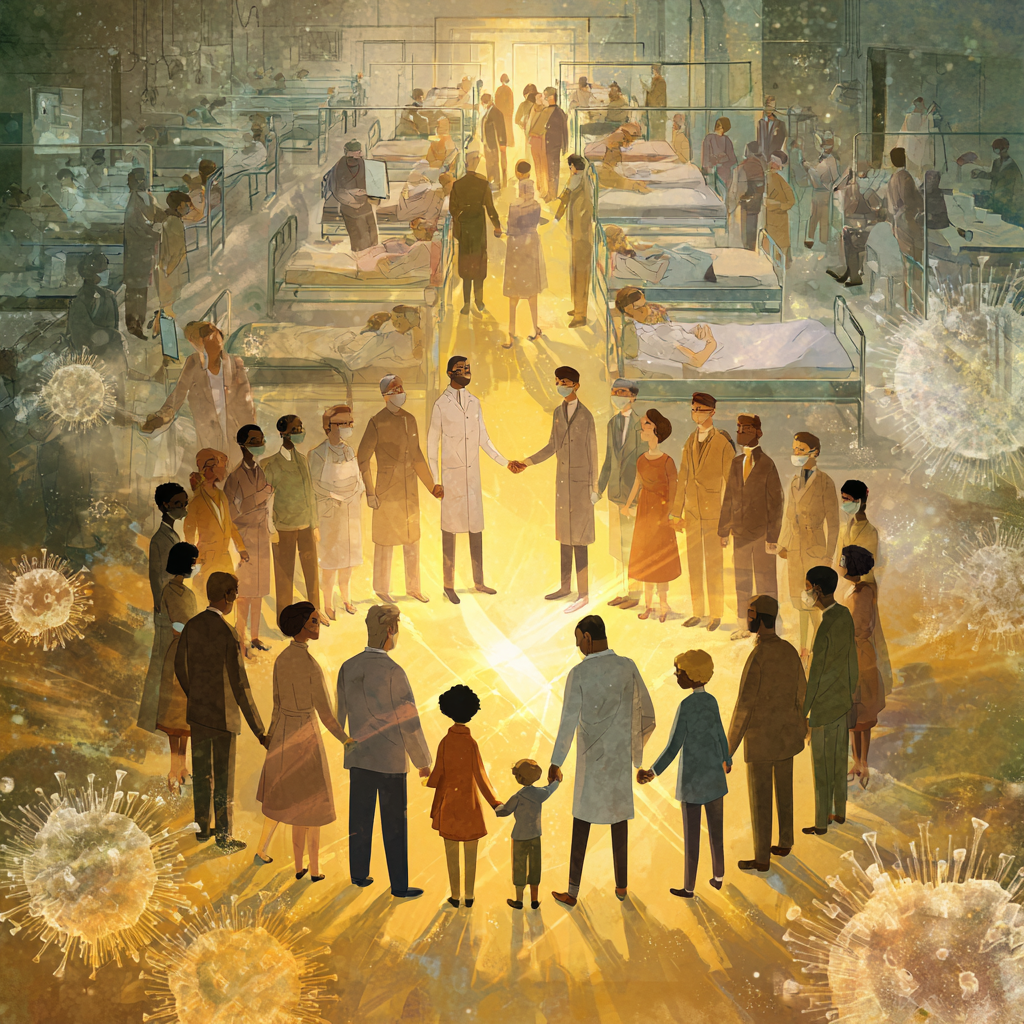
Between June 9 and 11, 2025, HHS Secretary Robert F. Kennedy Jr. dismissed all 17 members of the CDC’s Advisory Committee on Immunization Practices—a body that has guided U.S. vaccine policy for about 60 years. He followed this by appointing eight new members, the minimum under the charter, including several known vaccine deniers.

In light of this, I have decided to repost an article I wrote over a year ago.  (With new artwork.)

“There are two ways to be fooled. One is to believe what is not true; the other is to refuse to believe what is true.”

– Søren Kierkegaard

Saturday morning, I was reading in the newspaper about the resurgence of measles in West Virginia. I find it appalling that this disease should be returning, given that we have safe and effective vaccinations.  What is next, polio, smallpox, or even plague?  It is only through the unexpected veto by our [former] governor that the ill-advised bill passed by our legislature to make all vaccinations optional with a little more than a request by the parents, did not become law. [The current governor has issued an executive rendering vaccinations virtually optional for school children.]

Some people may wonder why vaccinations are important. There are two principal reasons to ensure that a large portion of the population is vaccinated against communicable diseases. The first is that it reduces the individual vulnerability to disease. The person who is vaccinated is protected. But there is also a second, sometimes not well-understood, reason.  That is herd immunity.

Communicable diseases require a large susceptible population to spread. When a significant portion of the population has been vaccinated the disease does not have the core of potential victims to allow spreading. This means that the vaccinated are protecting the non-vaccinated. However, it does require a large portion of the population to be vaccinated. The idea is that herd immunity will protect those who are unable to be vaccinated either due to age, allergies, or other medical conditions that would prohibit vaccination. It is never going to protect a large proportion of the population who just choose not to be vaccinated.  For example, about 90-95% of the population needs to be vaccinated against measles to provide herd immunity.

So why do people who otherwise can be vaccinated choose not to be?

There are, of course, those who have true religious objections to vaccination.  There are others who object to vaccination on the basis of personal autonomy. They believe their right to refuse vaccination outweighs any consideration of the health concerns of the frail members of our community.

There are many who mistrust the medical system. There were some cases in the past where unethical studies were conducted on unsuspecting populations. Given the rigorous oversight of medical research now, this no longer happens. Information about research into vaccinations and their safety and efficacy can be found on websites for the Centers for Disease Control and Prevention and the World Health Organization among others. (Website references are provided at the end of this post.)

What concerns me most are those who refuse to believe reputable medical authorities, government agencies, and mainline news services. They prefer to get their information from anonymous websites or from conspiracy theory websites that still give credence to the now-discredited 1999 study linking the MMR vaccine to autism. They completely ignore the fact that 10 of the 11 reported co-authors disavowed any part in the conclusions of the study. They also ignore the fact that the principal author was found guilty of fraud for personal gain as he was employed by the manufacturer of rival drugs. They also ignore the fact that he lost his medical license over his falsifications in this study. Yet, he is still cited in anti-vaccine literature as an expert source.

Equally disturbing is the fact that vaccine resistance has become a part of political identification. Certain reactionary political groups have, for some unfathomable reason, decided that refusing vaccination is a badge of their political allegiance.  They seem to care more about maintaining their political purity than they care about science, public health, or even the welfare of their family and friends.  Politicizing public health is dangerous for all of us.  I’m not sure how we overcome this. It is easy to find the truth and verify it through fact-based studies, yet people refuse to do it. [See my post Choosing Not To Know.]

I encourage everyone to work hard to ensure that our political leaders do not remove vaccination mandates for school children. For those of us of my age, we already have immunity through vaccination or prior exposure to the disease.  It is our grandchildren and their children and their children’s children who will suffer through the return of these deadly diseases.

Rather than “vaccine deniers,” they should be referred to as “disease supporters.”

SOURCES:

  World Health Organization: https://www.who.int/health-topics/vaccines-and-immunization#tab=tab_1

  CDC:  https://www.cdc.gov/vaccines/index.html   https://www.cdc.gov/vaccines/hcp/vis/index.html

   WV DHHR: https://oeps.wv.gov/immunizations/Pages/default.aspx

   Immunise.org:  https://www.vaccineinformation.org/

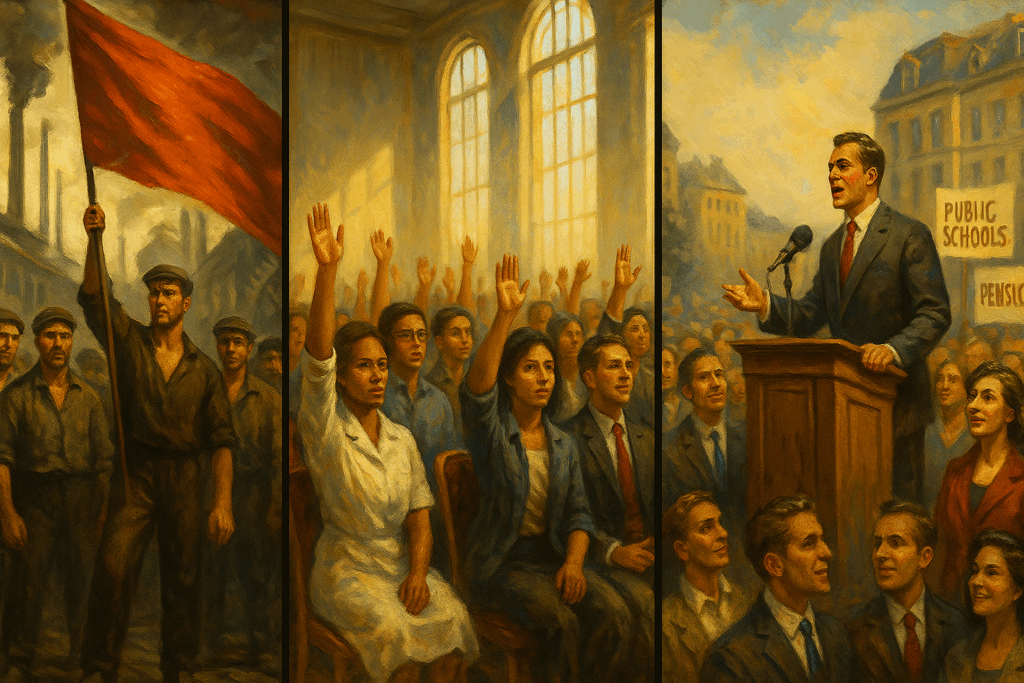
No Kings Day, June 14, 12:00 Noon, WV Capitol

Be There!

Silencing the Gavel: How the ‘One Big Beautiful Bill’ Will Undermine Judicial Review

In late May 2025, the U.S. House of Representatives narrowly passed a massive legislative package called the “One Big Beautiful Bill Act.” Touted by President Donald Trump and Republican leaders as a sweeping reform of tax policy, federal spending, and government regulation, the bill is now at the center of heated debate—not just over its fiscal and policy impacts, but also over its implications for the balance of power among the branches of government.

What the Bill Does—and Doesn’t Do

The “Big Beautiful Bill” is a reconciliation bill, meaning it can bypass the Senate’s usual 60-vote threshold and be passed with a simple majority. This process is designed to fast-track budgetary and tax legislation, but it also means the bill can only address certain policy areas directly related to the federal budget. At its core, the bill delivers major tax cuts, extends the Trump-era tax reductions, and makes permanent changes, principally reductions, to mandatory spending programs. It also includes provisions on agriculture, immigration, Medicaid, and technology, among other areas. The bill is viewed by critics as favoring the wealthy to the detriment of the poor.

Despite claims on social media, the bill does not give the president the power to delay or cancel elections. Multiple fact-checkers and legal experts have confirmed that such authority would violate the Constitution, which assigns election timing to Congress and state legislatures. The bill’s focus is on fiscal and regulatory reforms, not election administration.

While the bill ostensibly comes from Congress, it actually weakens Congress’s own institutional role in the separation of powers by removing one of the key mechanisms used by the judicial branch to enforce constitutional limits on executive power. If passed, this will be an unmitigated disaster for the Constitution and the country.

Democratic Representative Jamie Raskin called it an unprecedented power grab: “Instead of providing support for the judicial branch, this Judiciary Committee bill seeks to strip the courts of their power to hold the administration in contempt when the President violates court orders”.

The Hidden Provision: Section 70302

Buried within the bill’s 1,000-plus pages is a provision—Section 70302—that has drawn sharp criticism from legal scholars, civil rights groups, and even some lawmakers. The bill is not available for public examination, but it has been reported by the international news service Reuters that this section states that no federal court may use appropriated funds to enforce a contempt citation for failure to comply with an injunction or temporary restraining order unless the plaintiff posted a security bond when the order was issued.

Surety bonds are intended to protect the defendant in civil suits from incurring financial loss associated with legal expenses occurring from defending against frivolous or wrongful lawsuits.  If the ruling is in favor of the defendant, the plaintiff must surrender the bond to cover the expenses of the defendant.  For example, if I sue you for slander, I may have to post a cash bond and if the judge rules against me, the bond will be forfeited to cover your legal fees. If I win, the bond will be returned to me.  

Historically, courts have often waived the bond requirement, especially when plaintiffs challenge government actions as unconstitutional. The rationale is that requiring a bond would make it prohibitively expensive for individuals or groups to seek judicial relief against unlawful government conduct. Section 70302 would change this, making it much harder for courts to enforce their rulings against the executive branch or other government actors unless the plaintiff can afford to post a bond.  If this passes, it is conceivable that the administration may attempt to impose bonds of $1 million or more—effectively eliminating the ability of citizens to challenge government actions.

Why is It Important?

The federal judiciary is one of the three pillars of our constitutional government, and it plays a vital role in the balance of powers. It serves as an independent check on the executive and legislative branches, interpreting laws, resolving disputes, and safeguarding constitutional rights. Since Marbury v. Madison (1803), the judiciary has claimed the authority to strike down laws or executive actions that violate the Constitution. This power of judicial review is foundational to the principle of checks and balances. The proposed legislation seeks to shift that balance.  Among its most concerning provisions are efforts to limit judicial oversight of executive actions.

How This Shifts Power to the Executive

The practical effect of Section 70302 is to limit the judiciary’s ability to hold the executive branch accountable for violating court orders. If a judge issues an injunction to stop an unconstitutional or illegal government action, but no bond was posted when the injunction was granted, the court would be barred from using its contempt power to enforce compliance.

This provision applies retroactively, meaning it would render thousands of existing court orders unenforceable overnight. Critics argue that this creates a “catch me if you can” system, where the government can violate constitutional rights faster than courts can stop them. Legal experts warn that this undermines the rule of law and the separation of powers, which depend on the ability of courts to check executive overreach.

While the bill does not explicitly allow the executive branch to completely bypass legal challenges, it makes it much harder for courts to compel the executive to comply with their rulings. This functionally increases the executive’s authority to resist or delay judicial oversight.

Current Status of the Bill

As of early June 2025, the “One Big Beautiful Bill” has passed the House by a razor-thin margin (215-214) and is now before the Senate where Majority Leader John Thune has expressed hope that the bill could reach President Trump’s desk by the July 4 holiday, but the path forward is far from certain.

The Senate is expected to make significant modifications to the House version, and some provisions—including Section 70302—could be stripped out or revised. The reconciliation process limits what can be included in the final bill, and the Senate Parliamentarian may rule that certain provisions are not eligible for inclusion.

Why This Matters

The “One Big Beautiful Bill” is not just about taxes and spending. It represents a bold attempt to reshape the relationship between the executive and judicial branches. By limiting courts’ ability to enforce their rulings, the bill tilts the balance of power toward the executive, making it easier for the president and his administration to ignore or delay compliance with court orders.

Critics argue that this threatens the rule of law and the constitutional system of checks and balances. Supporters, however, see it as a way to prevent frivolous lawsuits and give the executive more flexibility to implement its agenda and to move closer to the unitary executive theory.

Looking Ahead

As the Senate debates the bill, watch for the fate of Section 70302. The outcome will have lasting implications for the balance of power in Washington and for the ability of courts to hold the government accountable.

For now, the “One Big Beautiful Bill” remains a work in progress. Its final form—and its impact on American governance—will depend on the compromises and changes made in the Senate over the coming weeks.

Is It Dementia or Could It Be a UTI?

Medical Conditions That Can Mimic Cognitive Decline in Seniors

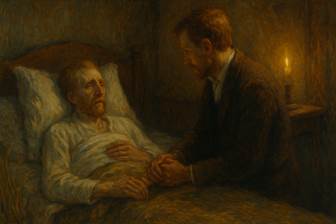
By the time most people reach their senior years, they’ve encountered memory lapses—forgetting names, misplacing keys, or struggling to recall a word on the tip of the tongue. For some, these are harmless signs of aging. But when these slips become more frequent or interfere with daily living, concerns about dementia begin to surface. Yet, dementia isn’t always the correct diagnosis. In fact, a significant number of elderly individuals diagnosed with dementia may actually have a treatable medical condition mimicking its symptoms.  Studies suggest that between 15% and 20% of seniors diagnosed with dementia may have a treatable medical condition.

What Is Dementia—and Why Is It Misdiagnosed?

Dementia is an umbrella term that describes a decline in cognitive function severe enough to interfere with daily life. The most common cause is Alzheimer’s disease, but dementia can result from a variety of underlying disorders. It’s not a normal part of aging, though the risk increases with age.

The problem is that many medical conditions—some temporary and treatable—can present with symptoms that look very much like dementia. These include confusion, memory loss, language difficulties, disorientation, and poor judgment. Because these symptoms often overlap, especially in older adults with multiple health issues, the true cause can be obscured unless a thorough medical workup is performed.

Medical Conditions That Can Mimic Dementia

1. Depression (“Pseudodementia”)

Depression in older adults often manifests as cognitive impairment. This phenomenon, sometimes called pseudodementia, can look like Alzheimer’s disease: memory problems, slowed thinking, apathy, and difficulty concentrating.

Key clues: The patient may complain more about their memory than someone with true dementia would. The symptoms of depression may appear suddenly, and they are often aware of their cognitive decline.

Diagnosis: Standard depression screening tools (e.g., PHQ-9) and a careful history can help. Neuropsychological testing can distinguish depression-related cognitive changes from true dementia.

Treatment: Antidepressants, psychotherapy, and social engagement often produce remarkable improvements—sometimes reversing the symptoms entirely.

2. Medication Side Effects

Polypharmacy—the use of multiple medications is common among seniors. Some drugs, especially in combination, can impair cognition.

Common culprits: Anticholinergics (like diphenhydramine), benzodiazepines (like lorazepam), opioids, and some blood pressure and sleep medications.

Key clues: Symptoms often begin after a new medication is introduced or the dosage is increased.

Diagnosis: A comprehensive medication review is essential. Temporarily discontinuing or substituting suspect drugs may clarify the picture.

Treatment: Adjusting the medication regimen, often in consultation with a pharmacist or geriatrician, can alleviate symptoms.

3. Delirium

Delirium is an acute, often fluctuating change in mental status caused by an underlying medical problem. It can look like sudden-onset dementia—but unlike dementia, delirium has a rapid onset and may involve hallucinations or incoherence.

Common causes: Infections (especially urinary tract infections and pneumonia), dehydration, electrolyte imbalances, and reactions to surgery or medications.  Prolonged hospitalization may also trigger delirium.

Diagnosis: Tools like the Confusion Assessment Method (CAM) help differentiate delirium from dementia. A rapid onset and waxing-and-waning course are telltale signs.

Treatment: Identifying and treating the underlying cause—antibiotics for infection, fluids for dehydration—usually resolves delirium within days or weeks.

4. Thyroid Disorders

Both hypothyroidism and hyperthyroidism can affect memory, mood, and cognition.

Symptoms: Hypothyroidism is often associated with sluggishness, confusion, depression, and poor concentration; hyperthyroidism may present with anxiety, irritability, or insomnia.

Diagnosis: A simple blood test measuring thyroid-stimulating hormone (TSH) and free T4 levels can confirm the diagnosis.

Treatment: Thyroid hormone replacement or medications to control thyroid activity can restore normal function and resolve cognitive symptoms.

5. Vitamin B12 Deficiency

Vitamin B12 is crucial for brain and nerve function. A deficiency can cause memory loss, confusion, and mood changes.

Symptoms: Fatigue, numbness or tingling in extremities, and balance issues may accompany cognitive complaints.

Diagnosis: Serum B12 levels, methylmalonic acid, and homocysteine testing can reveal deficiencies.

Treatment: Oral or injectable B12 supplementation typically leads to improvement, especially when deficiency is caught early.

6. Normal Pressure Hydrocephalus (NPH)

NPH is a condition where cerebrospinal fluid builds up in the brain’s ventricles, causing pressure. It is often misdiagnosed as dementia or Parkinson’s disease.

Classic triad: Gait disturbance, urinary incontinence, and dementia-like symptoms.

Diagnosis: Brain imaging (MRI or CT scan) and specialized tests like a lumbar puncture can confirm NPH.

Treatment: Surgical insertion of a shunt to drain excess fluid can reverse symptoms in many patients.

7. Sleep Apnea

Untreated sleep apnea deprives the brain of oxygen during sleep, impairing concentration, memory, and mood.

Symptoms: Loud snoring, excessive daytime sleepiness, and poor attention span.

Diagnosis: Overnight sleep studies (polysomnography) can detect apnea episodes.

Treatment: Continuous Positive Airway Pressure (CPAP) therapy often restores cognitive function when apnea is controlled.

8. Sensory Deficits

Hearing and vision loss are strongly associated with cognitive decline that can be mistaken for dementia.

Symptoms: Social withdrawal, apparent confusion, inappropriate responses

Diagnosis and treatment: Routine hearing and vision testing should be part of any cognitive assessment. Hearing aids, glasses, or other interventions can dramatically improve functioning.

9. Alcohol-Related Cognitive Impairment

Long-term alcohol use can damage the brain, but abstinence can allow for some recovery.

Symptoms mimicking dementia: Memory problems, difficulty with abstract thinking, judgment impairment

Diagnosis and treatment: Thorough history-taking and screening for alcohol use. Abstinence and nutritional support can prevent further decline and sometimes allow improvement.

10. Urinary Tract Infections (UTIs)

Older adults may lack typical UTI symptoms (e.g., pain during urination), leading to missed diagnoses.  This frequently occurs in hospitalized patients with urinary catheters.  

Symptoms: Sudden confusion, agitation, hallucinations, and sleep disturbances.

Diagnosis: Urinalysis and urine culture.

Treatment: Antibiotics typically resolve cognitive symptoms within days.

11. Dehydration

Seniors frequently fail to take in adequate fluids leading to dehydration which causes reduced blood flow to the brain impairing cognitive function.

Symptoms: Dizziness, lethargy, and acute confusion.

Diagnosis: Physical exam and blood electrolyte tests.

Treatment: Rehydration with oral fluids or IV therapy.


How Often Is Dementia Misdiagnosed?

Estimates vary, but studies suggest that up to 10–20% of older adults initially diagnosed with dementia may instead have a reversible condition that mimics it [source: Cleveland Clinic, https://my.clevelandclinic.org/health/diseases/15820-reversible-dementia].

In clinical practice, this number may be even higher—particularly in settings where older adults are not thoroughly evaluated by geriatric specialists or neurologists.

Why Accurate Diagnosis Matters

A diagnosis of dementia carries serious implications. It can lead to premature placement in long-term care, withdrawal from work or social engagement, and loss of autonomy. Mislabeling a patient with dementia when they have a treatable condition not only causes unnecessary distress but also denies them a chance at recovery.

Recommended Evaluation

A thorough workup should include:

  • Full medical and medication history
  • Cognitive screening tools (e.g., MMSE, MoCA)
  • Depression screening
  • Blood tests (including thyroid, B12, and metabolic panel)
  • Brain imaging when appropriate
  • Sleep evaluation if symptoms suggest sleep apnea

Geriatricians, neurologists, and neuropsychologists often work together to differentiate true dementia from mimics.

Conclusion: Don’t Settle for a Label

When an older adult shows signs of cognitive decline, dementia is not the only possible explanation. Depression, medication side effects, metabolic problems, and even reversible brain fluid buildup can all masquerade as dementia—and they are often treatable.

Recognizing these possibilities takes time, careful examination, and sometimes a second opinion. But the payoff can be immense: restored clarity, improved quality of life, and the satisfaction of knowing that all options were explored.


From Breaker Boys to Burger Flippers: The Resurgence of Child Labor in America

What West Virginia’s new child labor law tells us about a growing trend and a forgotten history.

📜 Introduction
In April 2025, West Virginia passed a law eliminating work permit requirements for 14- and 15-year-olds and opening hazardous occupations to older teens. It’s a policy shift that echoes a much darker chapter of American history—one most of us thought was long behind us.

As I read the news, I couldn’t help but recall Lewis Hine’s haunting photos of the “Breaker Boys”—children as young as eight sorting coal in dangerous conditions. Their faces were the face of American industry at its most exploitative. Their plight helped spark the labor reforms we now take for granted.

But are those reforms at risk of unraveling?


🕰 A Brief History of Child Labor in America
At the turn of the 20th century, over two million American children worked long hours in factories, coal mines, and fields. Some were as young as five. The wages were low, the conditions dangerous, and the toll—educational, emotional, and physical—immeasurable.

Most of these children came from poor or immigrant families. Factory and mine owners favored child labor because it was cheap, compliant, and expendable.


⚖️ Early Reforms and Legal Battles
The reform movement gained traction in the early 1900s thanks to activists, labor unions, and journalists. The National Child Labor Committee, founded in 1904, worked with photographers like Lewis Hine to expose the brutality of child labor to the American public.

Attempts to legislate federally met fierce resistance. The Keating-Owen Act (1916) was struck down by the Supreme Court in Hammer v. Dagenhart (1918), and a second effort was defeated in 1923. It wasn’t until the Fair Labor Standards Act (FLSA) of 1938 that the federal government established real guardrails:

  • Prohibited employment under 16 in manufacturing/mining
  • Banned hazardous work under 18
  • Limited working hours for minors
  • Authorized federal inspections

The FLSA marked the beginning of consistent national protections for working children.


🎓 Child Labor and Education: A Damaging Tradeoff
There’s a well-documented tradeoff between child labor and education:

  • Working children attend school less, perform worse, and are more likely to drop out.
  • Child labor perpetuates intergenerational poverty.
  • Education access is key to breaking this cycle—but only if children aren’t too exhausted or endangered to learn.

Even today, agricultural labor laws allow children as young as 12 to work long hours, especially among migrant families. These children have some of the country’s highest school dropout rates.


📉 Modern Rollbacks: A Disturbing Trend
Since 2021, over a dozen U.S. states have proposed or passed laws rolling back child labor protections, often citing labor shortages or “career readiness”:

  • Arkansas (2023): Removed permit and parental consent requirements for 14- and 15-year-olds.
  • Iowa: Now allows minors in meatpacking and industrial work, with waivers.
  • Kentucky: Loosened hour limits during the school year.
  • Other states: Missouri, New Jersey, New Hampshire, and others are following suit.

Critics warn that these laws open the door to exploitation, especially in lower-income communities.


🧠 Why It Matters
The repeal of child labor protections isn’t just a policy dispute—it’s a moral referendum. If child labor laws are weakened, the most vulnerable children will bear the cost, just as they did a century ago.

The lesson from history is simple: when economic hardship or political expediency trumps child welfare, it’s children who are put at risk.


📣 Final Thoughts
Public memory is short. But the bodies of exhausted child laborers buried in unknown graves and the broken educational paths of working teens are silent witnesses to the past—and a warning for the future.

If we claim to value children’s futures, our policies must reflect that—not just in schools, but in the workplace.


🔗 Sources and Suggested Further Reading

  • U.S. Department of Labor: Child Labor Provisions
  • National Child Labor Committee Archives
  • Keating-Owen Act Summary – OurDocuments.gov

“America at 250: A Revolution Remembered… or Forgotten?”

I’m old enough to remember the 200th anniversary of the American Revolution. Bicentennial symbols were everywhere. Liberty Bells, eagles, and the ubiquitous Bicentennial logo of the red, white and blue stylized five-point star. They could be found on hats, T-shirts, socks, soft drink cups, beer cans, and even a special “Spirit of ‘76” edition of the Ford Mustang II. Commemorative events and celebrations were being planned everywhere and people had “bicentennial fever”.

But the 250th anniversary is not attracting that same kind of attention or interest. I wonder why that is. Perhaps it’s that the name for a 250th anniversary, Semiquincentennial, doesn’t seem to roll off the tongue the way Bicentennial does. But I suspect it’s far more than just a tongue twisting name.

The Bicentennial came after a decade of national trauma.  The Vietnam War, Watergate, and the civil rights struggles had all roiled the country.  By 1976, most Americans wanted to feel good about the country again. It became a giant, colorful celebration of “American resilience.”

While the 250th anniversary of the American Revolution is being marked by numerous events, commemorations, and official proclamations, most are local, and it has not yet captured widespread public attention or generated the scale of national excitement seen during previous milestone anniversaries.

The anniversary arrives at a time of deep political polarization, which has complicated celebration plans.  There is an ongoing debate within the group tasked with planning the celebration, the U.S. Semiquincentennial Commission, about how to present American history. Some members advocate for a traditional, celebratory approach focusing on the Founding Fathers and patriotic themes. Others push for a more inclusive narrative that acknowledges the complexities of American history, including the experiences of women, enslaved people, Indigenous communities, and other marginalized groups

Beyond the commission itself, some historians note that the “history wars”—ongoing disputes throughout society over how U.S. history should be taught and remembered—have made it harder to generate broad, enthusiastic buy-in for the anniversary among the general public. 

Commemorations in places like Lexington and Concord have seen anti-Trump protesters carrying signs such as “Resist Like It’s 1775” and “No Kings,” explicitly drawing parallels between opposition to King George III and contemporary resistance to what they perceive as autocratic tendencies in current leadership. At the reenactment of Patrick Henry’s “Give Me Liberty or Give Me Death” speech, Virginia Governor Glenn Youngkin was met with boos and protest chants, highlighting how the Revolution’s legacy is being invoked in current political struggles.

While some organizers and historians hope the anniversary can serve as a unifying moment—emphasizing that “patriotism should not be a partisan issue”—the reality is that commemorations have often become forums for expressing contemporary political grievances and anxieties. The presence of both celebratory and dissenting voices at these events reflects the enduring debate over what it means to be American and who gets to define that identity.  The complexity and messiness of American history, combined with current societal tensions, may dampen the celebratory mood and make it harder for people to connect emotionally with the anniversary.

Even the 250th logo has become a source of dispute, although it is one of the few areas of disagreement that is nonpartisan and tends to be about stylistic and artistic merits of the logo. Proponents of the new logo appreciate its modern and inclusive design emphasizing that the flowing ribbon represents “unity, cooperation, and harmony,” and reflects the nation’s aspirations as it commemorates this milestone.  Detractors are concerned about the legibility of the “250” and the lack of traditional American symbols, such as stars, which could have reinforced its patriotic theme.

Surveys by history related organizations suggest that most Americans are not yet thinking about the 250th anniversary.  The run-up to 2026 may see increased attention, but as of now, the anniversary has not broken through as a major topic of national conversation.  If the anniversary continues to be viewed as a contentious partisan undertaking, it may never gain widespread popularity, and the general public may choose to stay away.

A friend who is a member of the West Virginia 250th committee told me that they had an initial meeting at which nothing was accomplished, and they have had no meeting since. It seems to me, this is up to us, the citizens, to ensure that the 250th anniversary of the American Revolution is appropriately remembered. We don’t have to live in an area where a Revolutionary War event occurred for us to recognize its events. Here in West Virginia, in October of 2024 we commemorated the 250th anniversary of the battle of Point Pleasant which many consider a precursor to the American Revolution.  This event was not organized by any state or national group. It was the result of efforts on the part of the City of Point Pleasant and the West Virginia Sons of the American Revolution.

We do not need to depend on the government; we the people can hold local commemorations of revolutionary events that occurred in other areas. We can hold commemorations of the Battle of Bunker Hill, the signing of the Declaration of Independence, the Battle of Saratoga and many other events. It will take the initiative of local people to organize these events.

It will be our great shame if we allow this the commemoration of an event so significant in both American and world history to be turned into something that divides us rather unites us and strengthens our common bond.

Page 12 of 27

Powered by WordPress & Theme by Anders Norén