
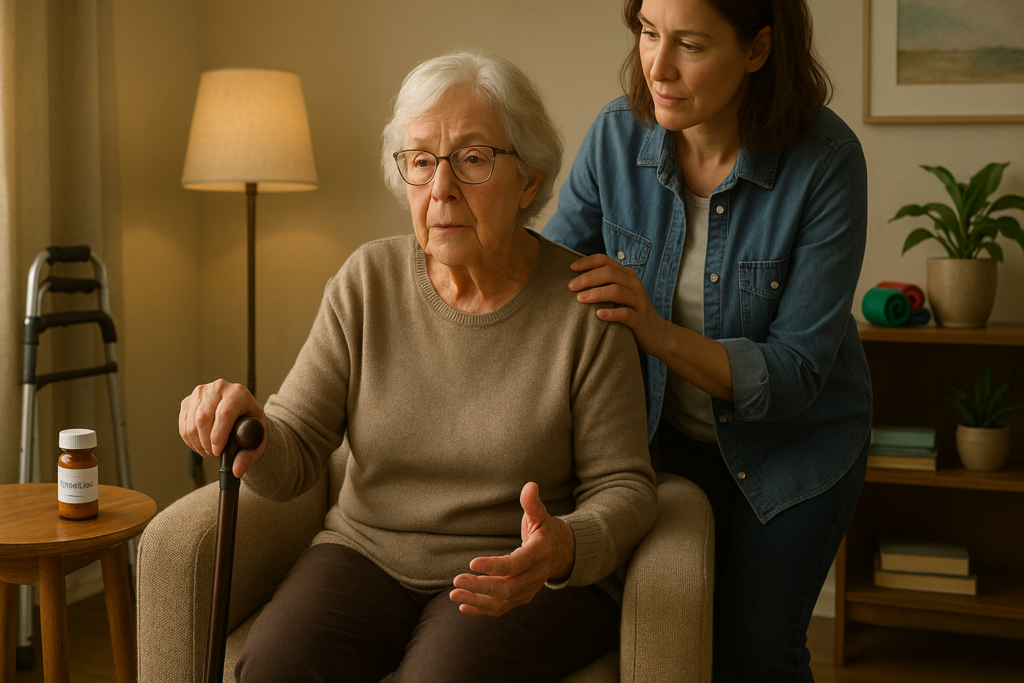
When most people think of Parkinson’s disease, they picture the characteristic tremor—that involuntary shaking that has become almost synonymous with the condition. But the reality is far more complex than just one visible symptom. Let’s dig into what’s actually happening in the brain, how doctors figure out what’s going on, and what living with this condition really looks like.
What Causes Parkinson’s Disease?
Here’s where things get frustrating for researchers: despite decades of study, scientists still don’t know exactly what causes the nerve cells in the brain to die. I’m going to apologize in advance because I’m going to be using a lot of “doctor talk”—no way around it.
What we do know is that nerve cells (neurons) in the substantia nigra portion of the basal ganglia—an area of the brain controlling movement—become impaired or die, and these neurons normally produce dopamine, an important brain chemical. When these cells stop working properly, dopamine levels drop, and that’s when movement problems begin showing up.
But dopamine isn’t the whole story. People with Parkinson’s also lose nerve endings that produce norepinephrine, the main chemical messenger of the sympathetic nervous system, which helps explain why the disease affects so much more than just movement—things like blood pressure, digestion, and energy levels all take a hit.
Most Parkinson’s cases are idiopathic, meaning the cause is unknown, though contributing factors have been identified. Current thinking suggests a complicated mix of genetic and environmental factors. About 5% to 10% of cases begin before age 50, and these early-onset forms are often, though not always, inherited.
Some risk factors have emerged from research: age is the most significant, with about 1% of those over 65 and around 4.3% of those over 85 affected. Traumatic brain injury significantly increases risk, especially if recent, and repeated head injuries from contact sports can cause what’s called post-traumatic parkinsonism. Muhammad Ali is a classic example of this.
Exposure to pesticides and industrial chemicals has also been identified as a risk factor. Interestingly, large epidemiologic studies consistently show that people who smoke have a lower risk of being diagnosed with Parkinson’s disease than never‑smokers, although smoking is still strongly discouraged because of its many harmful health risks. Large cohort studies in the U.S. and Europe generally find no direct association between alcohol consumption and Parkinson’s disease. A few observational studies show that moderate drinkers have slightly lower Parkinson’s rates. However, researchers believe this may be due to reverse causation (people in early or undiagnosed stages often reduce drinking because of GI or mood changes) and lifestyle confounders (moderate drinkers may differ in socioeconomic status, diet, or activity level). So, the “protective” effect is considered speculative, not causal.
The Symptoms: More Than Just Shaking
The hallmark movement symptoms—what doctors call “motor symptoms”—are what usually bring people to the doctor. Slowed movements, called bradykinesia, is required for a Parkinson’s diagnosis. People describe it as muscle weakness, though it’s really about control, not strength. The classic tremor, stiffness, and balance problems round out the main movement issues. Patients frequently show reduced arm swing, shuffling gait, difficulty initiating movement or turning, masked facial expression, decreased blinking, and soft or monotone speech.
But here’s what often surprises people: many individuals later diagnosed with Parkinson’s notice that prior to experiencing stiffness and tremor, they had sleep problems, constipation, loss of smell, and restless legs. These “prodromal symptoms” can show up years before the movement problems become obvious. Other early signs include mood disorders like anxiety and depression.
The cognitive side deserves attention too. Some people experience changes in cognitive function, including problems with memory, attention, and the ability to plan and accomplish tasks, though hard to pin down due to concurrence with age related memory problems, 20% at the time of diagnosis is a commonly cited number. More contested is how many develop Parkinson’s dementia, with estimates ranging from 20% all the way to 85%.
How Doctors Make the Diagnosis
Here’s something that might surprise you: there are currently no blood or laboratory tests to diagnose non-genetic cases of Parkinson’s. The standard diagnosis is clinical, meaning there’s no test that can give a conclusive result—certain physical symptoms need to be present.
Doctors typically diagnose Parkinson’s by taking a detailed medical history and performing a neurological examination. If symptoms improve after starting medication, that’s another indicator that the person has Parkinson’s.
There are some imaging tools available. The FDA approved an imaging scan called the DaTscan in 2011, which allows doctors to see detailed pictures of the brain’s dopamine system using a radioactive drug and SPECT scanner. But this scan can’t definitively diagnose Parkinson’s though it helps rule out conditions that mimic it. A hallmark of Parkinson’s is the buildup of misfolded alpha-synuclein proteins (Lewy bodies) inside neurons. Whether this is a cause, an effect, or both is still under study—this part of the science remains somewhat speculative.
Recently, researchers developed something more promising: the alpha-synuclein seeding amplification assay can detect abnormal alpha-synuclein in spinal fluid and may detect Parkinson’s in people who haven’t been diagnosed yet. The catch? It requires a spinal tap and isn’t widely available, though scientists are working on blood and saliva tests.
The early diagnostic challenge is real. Many disorders can cause similar symptoms, and people with Parkinson’s-like symptoms from other causes are sometimes said to have parkinsonism, which includes conditions like multiple system atrophy and Lewy body dementia that require different treatments.
What to Expect: The Prognosis
Let’s address the big question: how does Parkinson’s affect life expectancy? The news here is better than you might think. The average life expectancy of a person with Parkinson’s is generally the same as for someone without the disease.
More specifically, average life expectancy has increased by about 55% since 1967, rising to more than 14.5 years from diagnosis. Modern treatments have made a huge difference. Research indicates that those with Parkinson’s and normal cognitive function appear to have a largely normal life expectancy.
That said, timing matters. Research from 2020 suggests that people who receive a diagnosis before age 70 usually experience a greater reduction in life expectancy, and males with Parkinson’s may have a greater reduction in life expectancy than females.
The disease is progressive, meaning it gets worse over time, but symptoms and progression vary from person to person, and neither you nor your doctor can predict which symptoms you’ll get, when, or how severe they’ll be. The tremor-dominant type usually has a more favorable prognosis than the hypokinetic type.
What actually causes death in advanced Parkinson’s? Advanced symptoms can cause falls, pressure ulcers, swallowing difficulties and general frailty, all of which are linked to death. Aspiration pneumonia—when you inhale food or liquid into the lungs—is the leading cause of death for people with Parkinson’s.
Managing the Disease
Currently, there’s no cure for Parkinson’s, but medications or surgery can improve many of the movement symptoms.
The gold standard medication is levodopa (often combined with carbidopa as Sinemet). Healthcare providers use levodopa cautiously and they commonly combine it with other medications to keep your body from processing it before it enters your brain. This helps avoid side effects like nausea, vomiting, and low blood pressure when standing up. The tricky part? Over time, the way your body uses levodopa changes, and it can lose effectiveness.
Beyond levodopa, doctors use MAO-B inhibitors and dopamine agonists. As the disease progresses, these medications become less effective and may cause involuntary muscle movements. When drugs stop working well, there are surgical options to treat severe motor symptoms.
The main surgical treatment today is called deep brain stimulation (DBS). It is the most important therapeutic advancement since the development of levodopa, and it’s been FDA-approved since the late 1990s A surgeon places thin metal wires called electrodes into one or both sides of the brain, in specific areas that control movement. A second procedure implants an impulse generator battery under the collarbone or in the abdomen. It is similar to a heart pacemaker and about the size of a stopwatch, this device delivers electrical stimulation to those targeted brain areas.
A new treatment that is being used is focused ultrasound. Guided by MRI, high-intensity, inaudible sound waves are emitted into the brain, and where these waves cross, they create high energy that destroys a very specific area connected to tremor. It’s considered non-invasive and the FDA has approved it for Parkinson’s tremor that doesn’t respond to medications.
Don’t underestimate lifestyle interventions either. Physical therapy can improve balance and address muscle stiffness, and regular exercise improves strength, flexibility, and balance. Eating a balanced diet helps—drinking plenty of water and eating enough fiber reduces constipation, while omega-3 fats and magnesium may boost cognition and help with anxiety.
Parkinson’s disease sits at the intersection of aging, genetics, environment, and biology. Diagnosis is clinical, progression is gradual and variable, and treatment has become increasingly sophisticated. While it remains incurable, early diagnosis, personalized medication plans, targeted therapies like DBS, and consistent exercise allow many people to maintain meaningful independence for years.
The key message from specialists? Treatment makes a major difference in keeping symptoms from having worse effects, and adjustments to medications and dosages can hugely impact how Parkinson’s affects your life.



Ten Essential Health Tips for Senior Citizens
By John Turley
On December 19, 2024
In Commentary, Medicine
As we age, maintaining good health becomes increasingly important to ensure a high quality of life. While everyone’s health needs are unique, there are universal strategies that can help seniors stay fit, independent, and active. Below are ten key health tips tailored for senior citizens, designed to promote both physical and mental well-being.
1. Stay Physically Active
Regular physical activity is one of the most important ways to maintain overall health as you age. Exercise helps improve cardiovascular health, keeps muscles and bones strong, and enhances flexibility. Engaging in activities like walking, swimming, or gentle strength training can also help reduce the risk of falls. Most health experts recommend about 150 minutes of moderate exercise per week. Be sure to consult with your physician prior to starting a new exercise program to get a check-up and discuss any concerns or limitations, particularly if you have not had a regular exercise program for a while.
Begin with low-impact activities to avoid injury. Gradually increase intensity and duration. Consider joining an organized exercise group. It will make your time more enjoyable and give you a ready source of motivation. Additionally, the group will increase your safety should you fall or become injured.
If you have mobility issues, start with low-impact activities like chair exercises, tai chi, or yoga, which are great for improving balance and joint mobility. Stretching is also important for maintaining flexibility. Don’t forget to hydrate before, during, and after exercise. Our thirst cues decrease as we get older, making us more susceptible to dehydration.
2. Maintain a Balanced Diet
Nutrition plays a critical role in maintaining health and vitality. As we age, our metabolism slows down, making it important to eat nutrient-dense foods that provide essential vitamins and minerals without excess calories. Focus on a diet rich in fruits, vegetables, whole grains, lean proteins, and healthy fats.
Incorporate foods that are high in fiber to support digestion, and make sure you’re getting enough calcium and vitamin D to protect your bones. Stay hydrated, as seniors may sometimes feel less thirsty but still require plenty of fluids.
3. Get Regular Health Screenings and Checkups
Preventive healthcare becomes increasingly important with age. Regular checkups and screenings allow doctors to catch potential health issues early, when they are more easily treatable. Seniors should monitor blood pressure, cholesterol levels, and blood sugar to detect conditions like hypertension, diabetes, and heart disease. Managing chronic conditions is important not just for physical health but for mental well-being too.
Annual vision, dental, and hearing checkups are equally important. Additionally, keep up with vaccinations, including the flu shot, pneumonia vaccine, and shingles vaccine, to prevent serious illnesses. Take advantage of any home health services that are available.
4. Prioritize Mental Health
Mental health is just as important as physical health. Seniors are sometimes at higher risk for depression, anxiety, and loneliness, especially after the loss of a spouse or friends. It’s important to stay connected with family and friends and to stay purposeful whether through social activities, religious activities, community centers, or volunteering. If seniors are struggling with anxiety, depression, or loneliness, it’s important to seek professional help. Many people benefit from counseling, cognitive-behavioral therapy (CBT), or support groups. There’s also growing evidence for the effectiveness of telehealth mental health services, making access to care easier.
5. Get Enough Sleep
Sleep patterns often change with age, but seniors still need about 6-9 hours of sleep per night for optimal health. Poor sleep can lead to increased stress, weakened immunity, and a higher risk of falls.
Create a restful environment and stick to a consistent sleep schedule. Avoid excessive napping during the day and limit caffeine intake in the evening. If you’re struggling with insomnia or sleep disorders, consult your doctor to address underlying causes.
6. Manage Medications Wisely
Many seniors take multiple medications for chronic conditions, which can increase the risk of drug interactions or side effects. Keep a current list of all medications, including over-the-counter drugs and supplements, and review it regularly with your healthcare provider.
Take medications exactly as prescribed, and don’t hesitate to ask your doctor or pharmacist about any concerns regarding when or how to take your medications.
7. Stay Socially Connected
Staying socially engaged is vital for mental health and emotional well-being. Isolation can lead to depression, cognitive decline, and a lower quality of life. Make an effort to nurture relationships, whether with family, friends, or through community groups.
Consider joining clubs, classes, or volunteer groups where you can meet people with similar interests. Regular social interaction has been shown to improve mood, reduce stress, and even boost immune function.
8. Focus on Fall Prevention
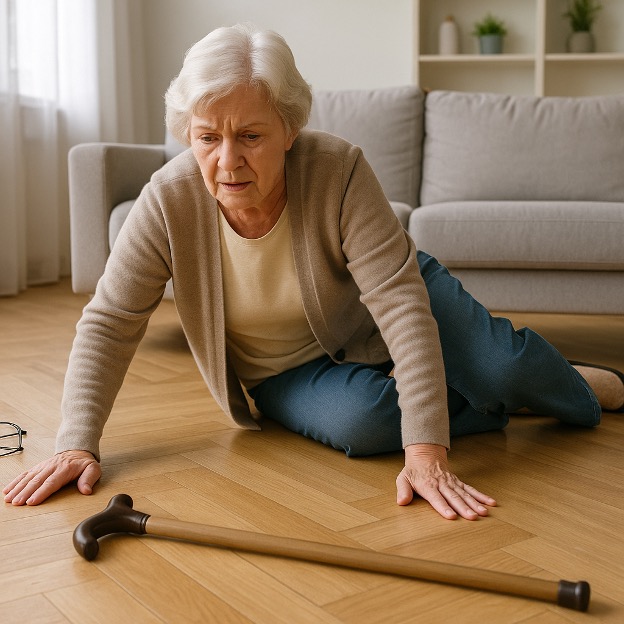
Falls are a leading cause of injury among seniors, often leading to serious complications such as fractures and other joint injuries. To minimize the risk of falling, make sure your home is safe by eliminating tripping hazards like loose rugs or clutter, installing grab bars in the bathroom, and ensuring adequate lighting.
Regular exercise can improve balance and strength, reducing fall risk. Additionally, vision checks and proper footwear can further lower the likelihood of accidents.
9. Keep Your Mind Active
Cognitive decline is a common concern for aging individuals, but staying mentally active can help delay or even prevent this process. Regularly challenging your brain with new and stimulating activities can improve memory, attention, and problem-solving skills.
Try hobbies that require mental effort, like learning a new language, playing a musical instrument, or tackling crossword puzzles. Engaging in lifelong learning through online courses or local adult education programs can also provide mental stimulation while keeping you socially connected.
10. Practice Stress Management
Chronic stress can take a toll on both physical and mental health, leading to issues such as high blood pressure, sleep disturbances, and weakened immunity. Seniors may face unique stressors, including health concerns or loss of independence, but there are effective strategies to manage stress.
Mindfulness, meditation, deep breathing exercises, and spending time in nature can all help reduce stress levels. Engage in hobbies that you find enjoyable and relaxing, whether it’s gardening, painting, or simply spending time with loved ones.
Conclusion: Embracing Healthy Aging
Aging is a natural part of life, and by adopting healthy habits, seniors can enjoy a fulfilling and active lifestyle well into their golden years. Staying physically active, maintaining social connections, and prioritizing mental health are key to aging gracefully. By following these ten essential health tips, seniors can significantly improve their quality of life and continue to thrive.
While it’s important to tailor these suggestions to your personal needs and health conditions, small changes in daily routines can lead to big benefits over time. Remember that your healthcare provider is a valuable partner in supporting your health, so maintain open communication with them about any concerns or changes in your health status.