
Grumpy opinions about everything.

Category: Medicine Page 4 of 7

Of course there will be medicine. I am The Grumpy Doc.

Understanding Chronic Kidney Disease: A Guide for Older Adults

Chronic kidney disease (CKD) affects approximately 37 million Americans, with adults over 65 representing the fastest-growing group diagnosed. Often called a “silent disease,” CKD can progress for years without noticeable symptoms, making awareness and early detection crucial for preserving kidney function and overall health.

What Is Chronic Kidney Disease?

Chronic kidney disease occurs when the kidneys gradually lose their ability to filter waste products and excess fluid from the blood. Unlike acute kidney injury, which happens suddenly and can be quickly corrected, CKD develops slowly over months or years and is generally not reversable. The kidneys perform several vital functions beyond filtration, including regulating blood pressure, supporting production of red blood cells, and maintaining the body’s chemical balance. When kidney function declines, these processes become compromised, leading to serious health complications if left untreated.

The disease progresses through five stages, from mild kidney damage with normal filtration to complete kidney failure requiring dialysis or transplantation. Understanding this progression helps patients and healthcare providers make informed decisions about treatment and lifestyle modifications.

Risk Factors: Who’s Most Vulnerable?

Several factors significantly increase the risk of developing CKD, with diabetes and high blood pressure being the leading causes and accounting for nearly two-thirds of all cases.

Type 2 diabetes, which affects over 11% of the U.S. population, damages the small blood vessels in the kidneys impairing their filtering capacity.  Kidneys also play a role in glucose management by clearing insulin from the body. As kidney function declines, insulin stays in the system longer reducing circulating glucose levels.

Hypertension creates a destructive cycle of progressive kidney disease. It damages kidney blood vessels, reducing their effectiveness, causing the kidneys to struggle to regulate blood pressure, creating further blood pressure elevation, leading to greater damage. This relationship makes blood pressure control essential for both prevention and treatment.

Age itself is a significant risk factor. After age 40, kidney function naturally declines by approximately 1% per year. However, this normal aging process can accelerate in the presence of other risk factors. Family history also plays a role, particularly for conditions like polycystic kidney disease and certain genetic disorders affecting kidney function.

Other risk factors include cardiovascular disease, obesity, smoking, and prolonged use of certain medications, particularly nonsteroidal anti-inflammatory drugs (NSAID—aspirin, ibuprofen, etc) and some prescription medications. African Americans, Hispanic Americans, and Native Americans face higher risks due to genetic predisposition and higher rates of diabetes and hypertension.  As with all chronic medical conditions, the detrimental effect of smoking cannot be overstated. 

Recognizing the Signs: Symptoms of CKD

The insidious nature of CKD means symptoms often don’t appear until after significant kidney damage has occurred. Early-stage CKD may produce no symptoms at all, which is why routine screening for at-risk individuals is so important.

As the disease progresses, symptoms may include persistent fatigue and weakness which are often dismissed as normal aging. Patients may have trouble concentrating, sleep problems, decreased appetite and persistent nausea. Swelling in the feet, ankles, or around the eyes can indicate fluid retention due to impaired kidney function.

Changes in urination patterns may occur, including increased frequency, especially at night, or decreased urine output. The urine may appear foamy, indicating protein spillage, or may be darker in color. Some patients experience persistent itching due to waste product buildup in the blood.

More advanced CKD can cause severe nausea, vomiting, muscle cramps, and shortness of breath. High blood pressure may develop or worsen, and patients might experience chest pain or irregular heartbeats. These symptoms warrant immediate medical attention.

Diagnostic Testing: Identifying CKD

Early detection relies on simple, routine blood and urine tests that can identify kidney problems before symptoms appear.  Your doctor will order blood tests and urine tests, and possibly imaging tests such as ultrasounds to evaluate your risk for kidney disease. Frequently these tests will check for many other things such as anemia, high cholesterol or diabetes. All of these can contribute to chronic kidney disease.

Treatment Approaches: Managing CKD

While CKD cannot be cured, proper treatment can significantly slow progression and manage complications. The primary goals include treating underlying causes, slowing decline of   kidney function, and managing associated health problems.

Blood pressure control is paramount, with target levels typically below 130/80 mmHg for most CKD patients. ACE inhibitors and ARBs (angiotensin receptor blockers) are preferred medications as they provide additional kidney protection beyond blood pressure reduction.

Diabetes management requires maintaining hemoglobin A1c levels below 7% for most patients. Newer medications like SGLT2 inhibitors show promise in protecting kidney function while controlling blood sugar.

Dietary modifications play a crucial role in CKD management. Reducing sodium intake helps control blood pressure and fluid retention. Protein restriction may be recommended in advanced stages to reduce kidney workload, though this requires careful monitoring to prevent malnutrition.

Managing complications becomes increasingly important as CKD progresses. This includes treating anemia with iron supplements or erythropoiesis-stimulating agents, managing bone and mineral disorders with vitamin D supplements and phosphate binders, and addressing cardiovascular risk factors.

For end-stage kidney disease, renal replacement therapy through dialysis or kidney transplantation becomes necessary. Early planning for these treatments improves outcomes and quality of life.

Prevention Strategies: Protecting Your Kidneys

Prevention remains the most effective approach to CKD. Maintaining healthy blood pressure through regular exercise, weight management, sodium reduction, and medication compliance are the foundations of kidney protection.

Diabetes prevention and management through lifestyle modifications and appropriate medical care significantly reduces CKD risk. Regular monitoring of blood sugar, blood pressure, and kidney function allows for early intervention when problems arise.

Avoiding nephrotoxic substances, including excessive NSAID use, staying hydrated, and not smoking all contribute to kidney health. Regular medical check-ups enable early detection and treatment of conditions that could lead to CKD.

Understanding chronic kidney disease empowers older adults to take proactive steps in prevention and to look for appropriate care when needed. With proper management, early detection, and comprehensive care, many people with CKD can maintain a good quality of life and slow disease progression.

Anti-Vax or Disease Supporter

Between June 9 and 11, 2025, HHS Secretary Robert F. Kennedy Jr. dismissed all 17 members of the CDC’s Advisory Committee on Immunization Practices—a body that has guided U.S. vaccine policy for about 60 years. He followed this by appointing eight new members, the minimum under the charter, including several known vaccine deniers.

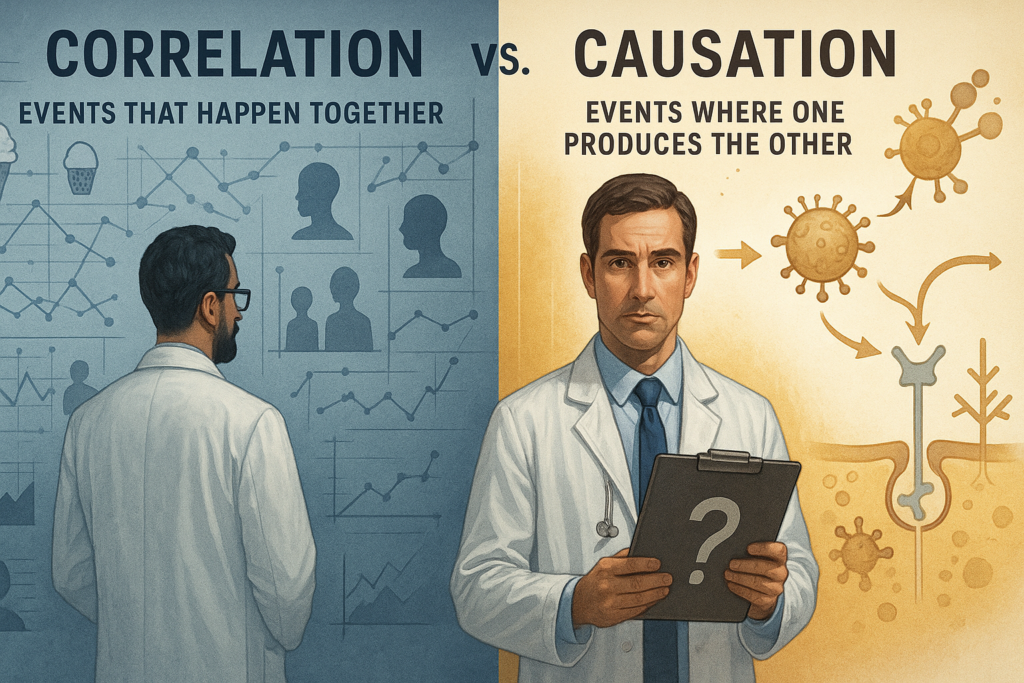
In light of this, I have decided to repost an article I wrote over a year ago.  (With new artwork.)

“There are two ways to be fooled. One is to believe what is not true; the other is to refuse to believe what is true.”

– Søren Kierkegaard

Saturday morning, I was reading in the newspaper about the resurgence of measles in West Virginia. I find it appalling that this disease should be returning, given that we have safe and effective vaccinations.  What is next, polio, smallpox, or even plague?  It is only through the unexpected veto by our [former] governor that the ill-advised bill passed by our legislature to make all vaccinations optional with a little more than a request by the parents, did not become law. [The current governor has issued an executive rendering vaccinations virtually optional for school children.]

Some people may wonder why vaccinations are important. There are two principal reasons to ensure that a large portion of the population is vaccinated against communicable diseases. The first is that it reduces the individual vulnerability to disease. The person who is vaccinated is protected. But there is also a second, sometimes not well-understood, reason.  That is herd immunity.

Communicable diseases require a large susceptible population to spread. When a significant portion of the population has been vaccinated the disease does not have the core of potential victims to allow spreading. This means that the vaccinated are protecting the non-vaccinated. However, it does require a large portion of the population to be vaccinated. The idea is that herd immunity will protect those who are unable to be vaccinated either due to age, allergies, or other medical conditions that would prohibit vaccination. It is never going to protect a large proportion of the population who just choose not to be vaccinated.  For example, about 90-95% of the population needs to be vaccinated against measles to provide herd immunity.

So why do people who otherwise can be vaccinated choose not to be?

There are, of course, those who have true religious objections to vaccination.  There are others who object to vaccination on the basis of personal autonomy. They believe their right to refuse vaccination outweighs any consideration of the health concerns of the frail members of our community.

There are many who mistrust the medical system. There were some cases in the past where unethical studies were conducted on unsuspecting populations. Given the rigorous oversight of medical research now, this no longer happens. Information about research into vaccinations and their safety and efficacy can be found on websites for the Centers for Disease Control and Prevention and the World Health Organization among others. (Website references are provided at the end of this post.)

What concerns me most are those who refuse to believe reputable medical authorities, government agencies, and mainline news services. They prefer to get their information from anonymous websites or from conspiracy theory websites that still give credence to the now-discredited 1999 study linking the MMR vaccine to autism. They completely ignore the fact that 10 of the 11 reported co-authors disavowed any part in the conclusions of the study. They also ignore the fact that the principal author was found guilty of fraud for personal gain as he was employed by the manufacturer of rival drugs. They also ignore the fact that he lost his medical license over his falsifications in this study. Yet, he is still cited in anti-vaccine literature as an expert source.

Equally disturbing is the fact that vaccine resistance has become a part of political identification. Certain reactionary political groups have, for some unfathomable reason, decided that refusing vaccination is a badge of their political allegiance.  They seem to care more about maintaining their political purity than they care about science, public health, or even the welfare of their family and friends.  Politicizing public health is dangerous for all of us.  I’m not sure how we overcome this. It is easy to find the truth and verify it through fact-based studies, yet people refuse to do it. [See my post Choosing Not To Know.]

I encourage everyone to work hard to ensure that our political leaders do not remove vaccination mandates for school children. For those of us of my age, we already have immunity through vaccination or prior exposure to the disease.  It is our grandchildren and their children and their children’s children who will suffer through the return of these deadly diseases.

Rather than “vaccine deniers,” they should be referred to as “disease supporters.”

SOURCES:

  World Health Organization: https://www.who.int/health-topics/vaccines-and-immunization#tab=tab_1

  CDC:  https://www.cdc.gov/vaccines/index.html   https://www.cdc.gov/vaccines/hcp/vis/index.html

   WV DHHR: https://oeps.wv.gov/immunizations/Pages/default.aspx

   Immunise.org:  https://www.vaccineinformation.org/

Is It Dementia or Could It Be a UTI?

Medical Conditions That Can Mimic Cognitive Decline in Seniors

By the time most people reach their senior years, they’ve encountered memory lapses—forgetting names, misplacing keys, or struggling to recall a word on the tip of the tongue. For some, these are harmless signs of aging. But when these slips become more frequent or interfere with daily living, concerns about dementia begin to surface. Yet, dementia isn’t always the correct diagnosis. In fact, a significant number of elderly individuals diagnosed with dementia may actually have a treatable medical condition mimicking its symptoms.  Studies suggest that between 15% and 20% of seniors diagnosed with dementia may have a treatable medical condition.

What Is Dementia—and Why Is It Misdiagnosed?

Dementia is an umbrella term that describes a decline in cognitive function severe enough to interfere with daily life. The most common cause is Alzheimer’s disease, but dementia can result from a variety of underlying disorders. It’s not a normal part of aging, though the risk increases with age.

The problem is that many medical conditions—some temporary and treatable—can present with symptoms that look very much like dementia. These include confusion, memory loss, language difficulties, disorientation, and poor judgment. Because these symptoms often overlap, especially in older adults with multiple health issues, the true cause can be obscured unless a thorough medical workup is performed.

Medical Conditions That Can Mimic Dementia

1. Depression (“Pseudodementia”)

Depression in older adults often manifests as cognitive impairment. This phenomenon, sometimes called pseudodementia, can look like Alzheimer’s disease: memory problems, slowed thinking, apathy, and difficulty concentrating.

Key clues: The patient may complain more about their memory than someone with true dementia would. The symptoms of depression may appear suddenly, and they are often aware of their cognitive decline.

Diagnosis: Standard depression screening tools (e.g., PHQ-9) and a careful history can help. Neuropsychological testing can distinguish depression-related cognitive changes from true dementia.

Treatment: Antidepressants, psychotherapy, and social engagement often produce remarkable improvements—sometimes reversing the symptoms entirely.

2. Medication Side Effects

Polypharmacy—the use of multiple medications is common among seniors. Some drugs, especially in combination, can impair cognition.

Common culprits: Anticholinergics (like diphenhydramine), benzodiazepines (like lorazepam), opioids, and some blood pressure and sleep medications.

Key clues: Symptoms often begin after a new medication is introduced or the dosage is increased.

Diagnosis: A comprehensive medication review is essential. Temporarily discontinuing or substituting suspect drugs may clarify the picture.

Treatment: Adjusting the medication regimen, often in consultation with a pharmacist or geriatrician, can alleviate symptoms.

3. Delirium

Delirium is an acute, often fluctuating change in mental status caused by an underlying medical problem. It can look like sudden-onset dementia—but unlike dementia, delirium has a rapid onset and may involve hallucinations or incoherence.

Common causes: Infections (especially urinary tract infections and pneumonia), dehydration, electrolyte imbalances, and reactions to surgery or medications.  Prolonged hospitalization may also trigger delirium.

Diagnosis: Tools like the Confusion Assessment Method (CAM) help differentiate delirium from dementia. A rapid onset and waxing-and-waning course are telltale signs.

Treatment: Identifying and treating the underlying cause—antibiotics for infection, fluids for dehydration—usually resolves delirium within days or weeks.

4. Thyroid Disorders

Both hypothyroidism and hyperthyroidism can affect memory, mood, and cognition.

Symptoms: Hypothyroidism is often associated with sluggishness, confusion, depression, and poor concentration; hyperthyroidism may present with anxiety, irritability, or insomnia.

Diagnosis: A simple blood test measuring thyroid-stimulating hormone (TSH) and free T4 levels can confirm the diagnosis.

Treatment: Thyroid hormone replacement or medications to control thyroid activity can restore normal function and resolve cognitive symptoms.

5. Vitamin B12 Deficiency

Vitamin B12 is crucial for brain and nerve function. A deficiency can cause memory loss, confusion, and mood changes.

Symptoms: Fatigue, numbness or tingling in extremities, and balance issues may accompany cognitive complaints.

Diagnosis: Serum B12 levels, methylmalonic acid, and homocysteine testing can reveal deficiencies.

Treatment: Oral or injectable B12 supplementation typically leads to improvement, especially when deficiency is caught early.

6. Normal Pressure Hydrocephalus (NPH)

NPH is a condition where cerebrospinal fluid builds up in the brain’s ventricles, causing pressure. It is often misdiagnosed as dementia or Parkinson’s disease.

Classic triad: Gait disturbance, urinary incontinence, and dementia-like symptoms.

Diagnosis: Brain imaging (MRI or CT scan) and specialized tests like a lumbar puncture can confirm NPH.

Treatment: Surgical insertion of a shunt to drain excess fluid can reverse symptoms in many patients.

7. Sleep Apnea

Untreated sleep apnea deprives the brain of oxygen during sleep, impairing concentration, memory, and mood.

Symptoms: Loud snoring, excessive daytime sleepiness, and poor attention span.

Diagnosis: Overnight sleep studies (polysomnography) can detect apnea episodes.

Treatment: Continuous Positive Airway Pressure (CPAP) therapy often restores cognitive function when apnea is controlled.

8. Sensory Deficits

Hearing and vision loss are strongly associated with cognitive decline that can be mistaken for dementia.

Symptoms: Social withdrawal, apparent confusion, inappropriate responses

Diagnosis and treatment: Routine hearing and vision testing should be part of any cognitive assessment. Hearing aids, glasses, or other interventions can dramatically improve functioning.

9. Alcohol-Related Cognitive Impairment

Long-term alcohol use can damage the brain, but abstinence can allow for some recovery.

Symptoms mimicking dementia: Memory problems, difficulty with abstract thinking, judgment impairment

Diagnosis and treatment: Thorough history-taking and screening for alcohol use. Abstinence and nutritional support can prevent further decline and sometimes allow improvement.

10. Urinary Tract Infections (UTIs)

Older adults may lack typical UTI symptoms (e.g., pain during urination), leading to missed diagnoses.  This frequently occurs in hospitalized patients with urinary catheters.  

Symptoms: Sudden confusion, agitation, hallucinations, and sleep disturbances.

Diagnosis: Urinalysis and urine culture.

Treatment: Antibiotics typically resolve cognitive symptoms within days.

11. Dehydration

Seniors frequently fail to take in adequate fluids leading to dehydration which causes reduced blood flow to the brain impairing cognitive function.

Symptoms: Dizziness, lethargy, and acute confusion.

Diagnosis: Physical exam and blood electrolyte tests.

Treatment: Rehydration with oral fluids or IV therapy.


How Often Is Dementia Misdiagnosed?

Estimates vary, but studies suggest that up to 10–20% of older adults initially diagnosed with dementia may instead have a reversible condition that mimics it [source: Cleveland Clinic, https://my.clevelandclinic.org/health/diseases/15820-reversible-dementia].

In clinical practice, this number may be even higher—particularly in settings where older adults are not thoroughly evaluated by geriatric specialists or neurologists.

Why Accurate Diagnosis Matters

A diagnosis of dementia carries serious implications. It can lead to premature placement in long-term care, withdrawal from work or social engagement, and loss of autonomy. Mislabeling a patient with dementia when they have a treatable condition not only causes unnecessary distress but also denies them a chance at recovery.

Recommended Evaluation

A thorough workup should include:

  • Full medical and medication history
  • Cognitive screening tools (e.g., MMSE, MoCA)
  • Depression screening
  • Blood tests (including thyroid, B12, and metabolic panel)
  • Brain imaging when appropriate
  • Sleep evaluation if symptoms suggest sleep apnea

Geriatricians, neurologists, and neuropsychologists often work together to differentiate true dementia from mimics.

Conclusion: Don’t Settle for a Label

When an older adult shows signs of cognitive decline, dementia is not the only possible explanation. Depression, medication side effects, metabolic problems, and even reversible brain fluid buildup can all masquerade as dementia—and they are often treatable.

Recognizing these possibilities takes time, careful examination, and sometimes a second opinion. But the payoff can be immense: restored clarity, improved quality of life, and the satisfaction of knowing that all options were explored.


 Living with Pain

 Chronic Pain in Senior Citizens

Introduction

Chronic pain doesn’t just hurt—it reshapes lives. Among Americans over 65, nearly half report living with some form of persistent pain. And for many, it’s not merely a nuisance—it’s a barrier to independence, a source of depression, and a drain on their relationships.

Everyone’s pain is personal and requires a personal approach. There is no one-size-fits-all solution for pain management.

If you are suffering from chronic pain, this article may help you think about questions you need to ask your doctor to come up with your pain management plan. If you do not suffer from chronic pain, you may have friends or family who do. If so, this article may help you support them in their efforts to live with their pain and make the most of their lives.

Chronic pain is one of the most common and debilitating health issues among older adults. Defined as pain lasting longer than three to six months, it affects nearly 50% of people over 65 in the United States. For seniors, it is not just a physical burden—it impacts mental health, social engagement, and overall quality of life. Understanding the causes, diagnosis, and management of chronic pain in this population is essential for healthcare providers, caregivers, and patients alike.

I have had some personal experience with what chronic pain may be like. Following shoulder replacement surgery, I had persistent pain for about eight weeks. It was not severe, but it was always present. Never being pain free was more draining than having a short period of extremely severe pain. While I was fortunate in only having a short duration of consistent pain, I can only imagine what it must be like when this type of pain goes on for months or years.

Major Causes of Chronic Pain in Older Adults

Aging bodies are vulnerable to a range of degenerative and inflammatory conditions that contribute to chronic pain. The most common causes include:

  • Osteoarthritis – Age-related wear and tear on joints leads to chronic joint pain, particularly in the knees, hips, and hands.
  • Spinal Degeneration – Conditions like spinal stenosis and degenerative disc disease can cause back pain, sciatica, and radiculopathy.
  • Neuropathies – Diabetes and shingles (postherpetic neuralgia) are common sources of nerve pain in older adults.
  • Osteoporosis and Fractures – Fragile bones can lead to vertebral compression fractures, causing persistent back pain.
  • Cancer-related Pain – Both the disease itself and its treatments may cause ongoing pain in older populations.
  • Inflammatory Conditions – Rheumatoid arthritis and polymyalgia rheumatica, though less common, also contribute to chronic pain in seniors.

Types of Pain

Pain is typically classified into five main types, based on its cause and characteristics:

  • Acute Pain:   Short-term pain that comes on suddenly and is usually the result of injury, surgery, or illness. It generally resolves once the underlying cause is treated. Example: A broken bone or surgical incision.
  • Chronic Pain: Long-lasting pain that persists for more than 3 to 6 months, often continuing after the initial injury has healed. It may be constant or intermittent. Example: Osteoarthritis, fibromyalgia, or chronic back pain.
  • Nociceptive Pain:  Caused by damage to body tissue. It’s usually described as sharp, aching, or throbbing and is typically well localized.  Example: Somatic pain (skin, muscles, bones), Visceral pain (internal organs)
  • Neuropathic Pain:   Results from damage or dysfunction in the nervous system. Often described as burning, shooting, or electric shock-like.  Example: Diabetic neuropathy, shingles pain.
  • Psychogenic Pain:   Pain influenced by emotional, psychological, or behavioral factors. While not caused by physical injury, the pain is still real and can be severe.  Example: Headaches or back pain worsened by stress or depression.

Evaluating Chronic Pain in Seniors

Assessing chronic pain in older adults presents unique challenges. Some seniors underreport pain due to stoicism, fear of further testing, or concern about being a burden. Clinicians often use a mix of qualitative and quantitative tools:

  • Pain Scales (e.g., Numeric Rating Scale, Faces Pain Scale) help gauge intensity.
  • Pain Diaries facilitate tracking fluctuations of intensity and duration as well as pain triggers.
  • Functional Assessments focus on how pain limits mobility and daily tasks.
  • Comprehensive Geriatric Assessment evaluates medical, psychological, and functional factors as they relate to pain.

Because chronic pain often coexists with cognitive decline, clinicians must tailor evaluations accordingly, sometimes relying on behavioral cues that may require repeat observations.

Treating Chronic Pain in Older Adults

Effective treatment of chronic pain in seniors requires a balanced and individualized strategy. Over-reliance on medication can increase the risk of adverse effects, while under-treatment may lead to functional decline and depression. Treatment falls into three broad categories: pharmacologic, non-pharmacologic, and interventional.

Pharmacologic Treatments

  • Acetaminophen (Tylenol)– First-line for mild to moderate pain due to its safety profile lack of impact on cognitive function.
  • NSAIDs (ibuprofen, aspirin, etc.)– Effective for inflammation but with risks like stomach/intestinal bleeding and kidney injury.
  • Topical Agents – Lidocaine patches and capsaicin creams are helpful for localized pain.
  • Antidepressants – Duloxetine and amitriptyline are commonly used for neuropathic pain.
  • Anticonvulsants – Gabapentin and pregabalin help with neuropathic related pain.
  • Opioids – Reserved for severe pain with strict monitoring due to fall, sedation, and dependency risks.

Non-Pharmacologic Treatments

  • Physical Therapy – Improves strength, flexibility, and function.
  • Exercise – Walking, tai chi, and water aerobics reduce stiffness and elevate mood.
  • Cognitive Behavioral Therapy (CBT) – Reshapes the pain response and builds resilience.
  • Mindfulness and Relaxation – Meditation and deep breathing techniques are increasingly popular.
  • Complementary Therapies – Acupuncture, massage, and chiropractic care provide relief for many.
  • Assistive Devices – Braces, walkers, and orthotics reduce mechanical stress on joints.

Interventional Pain Management: A Middle Ground

For many seniors, interventional approaches offer targeted, longer-lasting relief when other therapies fall short. These procedures are typically performed by pain specialists.

  • Nerve Blocks: Injections of anesthetic and steroids near inflamed or compressed nerves can reduce pain for weeks or months. Common types include facet joint blocks, sciatic nerve blocks, and sympathetic nerve blocks.
  • Epidural Steroid Injections: Used for spinal stenosis or disc herniation, these injections reduce nerve inflammation. They can delay or avoid the need for surgery but should be used sparingly due to potential side effects.
  • Radiofrequency Ablation (RFA): A minimally invasive technique that uses heat to deactivate small sensory nerves. Especially effective for chronic back or neck pain from arthritic joints.
  • Spinal Cord Stimulation (SCS): Implanted devices deliver mild electrical impulses to disrupt pain signaling. Best for neuropathic pain or post-surgical syndromes.
  • Intrathecal Pain Pumps: Deliver medication directly into spinal fluid, useful for severe chronic pain or cancer pain. The lower systemic dose reduces side effects, though implantation requires surgery.
  • Joint Injections: Corticosteroids or hyaluronic acid injections in the knees or shoulders can reduce inflammation and improve mobility.

Psychological and Social Impact of Chronic Pain

Chronic pain is not just a physical affliction—it seeps into the emotional and social fabric of daily life:

  • Mental Health: Pain is strongly associated with depression and anxiety, especially when it disrupts independence.  The constant discomfort can lead to frustration, feelings of helplessness, and a reduced desire to engage in social or recreational activities.
  • Cognitive Burden: Chronic pain may worsen attention and memory, potentially accelerating cognitive decline. Pain-related inflammation and the impact of sleep deprivation may play roles in these declines.
  • Social Withdrawal: Seniors with untreated pain often avoid social interaction, increasing loneliness.  This can further contribute to mental health challenges, creating a negative feedback loop of worsening symptoms.
  • Sleep Disruption: Pain commonly interferes with sleep, compounding fatigue and emotional distress.   Over time, this lack of sleep can exacerbate pain and create a vicious cycle, further affecting both physical and mental health.
  • Caregiver Strain: Family members may experience burnout, especially when pain limits the elder’s self-care abilities.

Conclusion

Chronic pain in senior citizens is a multifaceted issue that demands an equally comprehensive response. From acetaminophen to nerve blocks, from yoga to spinal cord stimulators, the treatment toolbox is broad and adaptable. But no single approach works for everyone.

By integrating physical, emotional, and interventional strategies—and involving the patient in decision-making—we can reduce suffering, improve mobility, and restore quality of life for older adults living with chronic pain.

🫁 Living With COPD

 What You Need to Know About This Silent Lung Disease

Chronic Obstructive Pulmonary Disease—better known as COPD—is one of the most common chronic illnesses affecting adults, particularly older adults, worldwide. And yet, it remains underrecognized until it’s well-advanced. In this post, we’ll break down what COPD is, how it develops, who’s at risk, what symptoms to watch for, how it’s treated, and what living with the disease may look like over time.

🚬 What Causes COPD?

At its core, COPD is an inflammatory condition that narrows the airways and damages the alveoli (the tiny air sacs in the lungs). The disease typically results from long-term exposure to lung irritants. Here are the main culprits:

  • Smoking (cigarettes, cigars, pipes) – the #1 cause
  • Occupational hazards – coal dust, fumes, silica, grain dust
  • Indoor air pollution – wood-burning stoves, biomass fuel
  • Outdoor pollution – especially in cities or industrial zones
  • Genetics – especially a rare condition called alpha-1 antitrypsin deficiency

Most people who develop COPD are over age 40 and have a history of smoking, but it’s not exclusive to smokers.

🧬 How COPD Develops

In people with COPD, years of exposure to irritants cause chronic inflammation in the airways. This leads to:

  • Swelling and narrowing of the air passages
  • Destruction of alveolar walls (especially in emphysema)
  • Increased mucus production (as seen in chronic bronchitis)
  • Air trapping in the lungs, reducing oxygen exchange

It’s a slow and irreversible process. By the time symptoms appear, significant lung damage may have already occurred.

😮‍💨 Symptoms: What to Watch For

COPD symptoms often sneak up gradually and are easy to ignore or misattribute to aging. Common signs include:

  • Persistent cough (especially one that produces phlegm)
  • Shortness of breath (especially on exertion)
  • Wheezing or noisy breathing
  • Chest tightness
  • Frequent respiratory infections
  • Fatigue or lack of stamina
  • Bluish lips or fingertips in later stages (a sign of low oxygen)

Episodes where these symptoms suddenly worsen are called exacerbations—and they can be serious.

🔬 How COPD is Diagnosed

The gold standard for diagnosis is a spirometry test.

📊 What’s the FEV1/FVC Ratio?

This simple lung test measures how much air you can force out in one second (FEV1) and the total amount you can exhale after a deep breath (FVC). If your FEV1/FVC ratio is less than 0.70, that’s a strong sign of airflow obstruction—a hallmark of COPD.

✅ Normal: FEV1/FVC ≥ 0.75–0.80
❌ COPD: FEV1/FVC < 0.70

Doctors may also order chest X-rays, blood oxygen tests, or CT scans to rule out other conditions or assess lung damage.

💊 Treating COPD: What’s Possible?

There’s no cure—but treatment can help you feel better, breathe easier, and live longer. Here’s how it’s managed:

🚭 1. Stop Smoking

This is the most important intervention. Quitting smoking slows progression—no matter what your stage.

🌬️ 2. Inhalers (Bronchodilators)

These help open narrowed airways. There are short-acting types for quick relief and long-acting types for daily control.

🌡️ 3. Inhaled Steroids

Used to reduce inflammation and prevent flare-ups, especially for people who have frequent exacerbations.

🏃‍♂️ 4. Pulmonary Rehab

A supervised program that includes exercise training, nutrition advice, and education. Proven to improve quality of life.

🧪 5. Oxygen Therapy

Recommended if blood oxygen is low. Some people need it 24/7; others only during activity or sleep.

😷 6. Surgical Options

Rarely, procedures like lung volume reduction or lung transplants are used in severe cases.

📈 How COPD Progresses

The GOLD system stages COPD into four levels based on spirometry and symptom severity:

StageFEV1 % PredictedDescription
I≥80%Mild
II50–79%Moderate
III30–49%Severe
IV<30%Very Severe

As COPD worsens, daily tasks like climbing stairs, shopping, or even talking can become exhausting. Exacerbations may increase in frequency and severity.

What’s the Outlook?

COPD is a chronic, lifelong condition. But the prognosis varies:

  • If caught early and managed well, many people live long, active lives.
  • If left untreated, it can lead to respiratory failure, heart problems, and frequent hospitalizations.
  • Advanced cases can progress to Cor pulmonale (right-sided heart failure) which may develop due to chronic low oxygen levels and pulmonary hypertension.
  • Respiratory failure can occur in advanced stages, requiring mechanical ventilation.

Doctors sometimes use a tool called the BODE Index to estimate risk. It includes:

  • Body mass index (low BMI = worse outlook)
  • Obstruction (how bad the lung damage is)
  • Dyspnea (breathlessness level)
  • Exercise tolerance (walking distance)

🛠️ The Bottom Line

COPD is common, serious, and often preventable. If you have a chronic cough, get winded easily, or have a history of smoking or exposure to lung irritants, talk to your doctor about spirometry testing.

Lifestyle changes, especially quitting smoking, make the biggest difference. Medications and rehabilitation programs can dramatically improve your quality of life.

Early action matters—and it’s never too late to start breathing better.


📚 References

Understanding Prostate Cancer: What Every Man Needs to Know

Prostate Cancer: An Introduction

Prostate cancer is one of the most common cancers among men; the American Cancer Society estimates that approximately one in eight men will be diagnosed with it at some point in their lives.

Prostate cancer is the second leading cause of cancer death in men, after lung cancer. However, most men diagnosed with prostate cancer do not die from the disease.

The five-year survival rate for localized and regional prostate cancer is nearly 100%, thanks to advances in early detection and treatment. Even for men with more advanced disease, treatments such as hormone therapy, radiation, and newer systemic therapies have improved survival outcomes; still, in some cases, prostate cancer can be aggressive and life-threatening.

That said, prostate cancer remains a significant public health concern. The American Cancer Society estimates that approximately 34,000 men in the U.S. died from prostate cancer in 2024. The risk of death increases with more aggressive cancer types, higher Gleason scores, and cancer that has spread to distant organs such as the bones.

In this article we will explore key aspects of prostate cancer, including diagnostic tools such as PSA and the Gleason score, the various treatment options available, and the debate surrounding prostate cancer screening, particularly for men over 70.

Prostate-Specific Antigen (PSA) Test: A Controversial Screening Tool

One of the primary tools used to screen for prostate cancer is the prostate-specific antigen (PSA) blood test. PSA is a protein produced by both normal and cancerous prostate cells, and elevated levels of PSA in the blood can indicate the presence of prostate cancer. However, an elevated PSA level does not always mean cancer is present, as benign conditions like prostatitis (inflammation of the prostate) or benign prostatic hyperplasia (BPH, an enlarged prostate) can also cause high PSA levels.

The PSA test has been at the center of much debate over the past few decades. On the one hand, it has undoubtedly led to earlier detection of prostate cancer, sometimes before any symptoms appear. On the other hand, the PSA test is not a perfect screening tool. It can lead to overdiagnosis and overtreatment of cancers that may never have become clinically significant. Many prostate cancers grow so slowly that they would not have caused harm during a man’s natural lifespan, yet once detected, patients may undergo unnecessary treatments with side effects such as urinary incontinence and erectile dysfunction.

Because of these limitations, the decision to undergo PSA screening should be made after a thorough discussion between the patient and his healthcare provider, considering individual risk factors such as age, family history, and race. Additionally, prostate cancer tends to develop at a younger age in African American men and it is generally recommended that consideration be given to initiate screening beginning around age 45, or even earlier if there’s a strong family history.  Additionally, African American men are more likely to be diagnosed with aggressive forms of prostate cancer, leading to poorer outcomes.

In a prior post on medical guidelines, I discussed my personal experience with PSA screening and my diagnosis with prostate cancer.

The Gleason Score: A Key Factor in Diagnosis

Once a prostate cancer diagnosis is confirmed, typically via biopsy, one of the most important prognostic tools is the Gleason score. The Gleason score is a grading system that assesses the aggressiveness of prostate cancer cells under a microscope. Pathologists examine the prostate tissue samples and assign two numbers based on the appearance of the cancer cells. The appearance of cancer cells is evaluated, and each area of abnormal cells is assigned a number on a scale from 1 to 5, with 5 being the most abnormal. (In clinical practice today, grades 1 and 2 are almost never used.) The first number is the most common area, and the second number is the next most common. These two numbers are then added together to give a composite Gleason score between 6 and 10. There is one caveat; not all scores are equal. For example, while 4 + 3 and 3 + 4 both produce a score of 7, the former is more significant because its most common area is of a higher grade.

  • A Gleason score of 6 typically indicates low-grade cancer that is less likely to spread and may grow slowly.
  • Scores of 7 suggest an intermediate risk, with some potential for more aggressive growth.
  • Scores of 8 to 10 represent high-grade cancer that is more likely to grow quickly and spread to other parts of the body.

The Gleason score plays a crucial role in determining treatment options. For instance, low-grade cancers may be candidates for active surveillance, where the patient is closely monitored without immediate treatment. In contrast, high-grade cancers may require more aggressive intervention, such as surgery or radiation therapy.  It is also important to recognize that a biopsy may miss an area of high-grade tumor giving an artificially low Gleason score, although with modern use of MRI this is less likely.

Treatment Options

Prostate cancer treatment decisions depend on several factors, including the Gleason score, PSA level, the stage of the cancer (whether it has spread beyond the prostate), the patient’s overall health, and personal preferences.

1. Active Surveillance

Active surveillance is often recommended for men with low-risk prostate cancer, especially those who are older or have other significant health problems. Instead of immediate treatment, the patient is closely monitored with periodic PSA tests, digital rectal exams (DRE), and biopsies to detect any signs of progression. The goal is to avoid over-treatment while keeping a close eye on the cancer in case it becomes more aggressive.

2. Surgery (Radical Prostatectomy)

For men with localized prostate cancer, especially those with higher Gleason scores or younger patients, surgery may be recommended. A radical prostatectomy involves removing the entire prostate gland and some surrounding tissues. While surgery offers the potential for a cure, it comes with risks of side effects such as incontinence and erectile dysfunction, depending on factors such as nerve preservation during the procedure.  The newer robotic surgical techniques have fewer side effects than the older open technique.

3. Radiation Therapy

Radiation therapy is another option for treating localized or locally advanced prostate cancer. External beam radiation or brachytherapy (internal radiation) can target the cancerous cells while sparing healthy tissue. Radiation therapy is often used as an alternative to surgery or in combination with other treatments. The side effects are similar to those of surgery, including urinary and sexual dysfunction, though the timing and severity of these side effects may differ.

4. Hormone Therapy (Androgen Deprivation Therapy, or ADT)

Prostate cancer growth is often fueled by androgens, the male hormones such as testosterone. Hormone therapy aims to lower androgen levels or block their effects on prostate cancer cells, which can slow the growth of the cancer. Hormone therapy is typically used in cases where the cancer has spread beyond the prostate or recurred after previous treatment. It may also be used in combination with radiation for high-risk cancers.

5. Chemotherapy and Other Systemic Treatments

For men with advanced prostate cancer that has spread to other parts of the body (metastatic cancer), chemotherapy may be an option. Other newer treatments, such as immunotherapy and targeted therapies, are being developed to improve outcomes for patients with advanced disease.

The Age 70 Screening Debate

One of the most debated topics in prostate cancer screening is when to stop PSA testing. Many organizations, including the U.S. Preventive Services Task Force (USPSTF), recommend that routine PSA screening should generally stop at age 70. The rationale behind this recommendation is that prostate cancer often grows very slowly, and older men are more likely to die from other causes before prostate cancer becomes life-threatening. Moreover, the risks of treatment often outweigh the benefits for older men with low-risk cancers.

However, this recommendation is not without controversy. Some experts argue that healthy older men, particularly those with a life expectancy of 10 years or more, should continue to be screened because they may still benefit from early detection and treatment. Discontinuing screening might result in missing aggressive cancers that could benefit from early intervention. Some studies suggest that older men who continue screening are less likely to be diagnosed with high-risk disease.

As with other aspects of prostate cancer care, the decision should be individualized based on the patient’s health, preferences, and overall risk profile.

Conclusion

Prostate cancer is a complex disease with a wide range of outcomes, from slow-growing tumors that may never cause harm to aggressive cancers that can be fatal. Screening and diagnostic tools such as the PSA test and Gleason score are valuable, but they must be used carefully to avoid over-diagnosis and over-treatment. Treatment options range from active surveillance to surgery and radiation, and the choice depends on the individual patient’s cancer characteristics and overall health. Finally, the decision to stop PSA screening at age 70 should be made on a case-by-case basis, with the goal of balancing the benefits of early detection against the potential harms of treatment.

Prostate cancer is a serious diagnosis, but with appropriate screening and treatment, many men can live long and healthy lives.

 Doctors of the Deep Blue Sea

A Brief History of the U.S. Navy Medical Corps

The U.S. Navy Medical Corps has a history that evolves from a humble beginning during the Revolutionary War to its current role as a vital component of modern military medicine. The Medical Corps ensures the health and well-being of sailors, Marines, and their families, while contributing to public health and advancements in medical science.

Origins in the Revolutionary War

The roots of Navy medicine trace back to the Revolutionary War, when medical care aboard ships was primitive at best. Shipboard surgeons, often lacking formal medical training, treated injuries and disease with the limited tools and knowledge available to them. In the early days of the U.S. Navy, physicians served without formal commissions, often receiving temporary appointments for specific cruises.  Their primary tasks included amputations, treating infections, and caring for diseases like scurvy and dysentery.

In 1798, Congress formally established the Department of the Navy, creating the foundation for organized medical care within the naval service.  Surgeon Edward Cutbush published the first American text on naval medicine in 1808. The Naval Hospital Act of 1811 marked another milestone, authorizing the construction of naval hospitals to support the growing fleet.

Establishment of the Navy Medical Corps (1871)

The U.S. Navy Medical Corps was officially established on March 3, 1871, by an act of Congress. This legislation created a formal medical staff to support the Navy, setting standards for the recruiting and training naval physicians. These physicians were initially known as “Surgeons” and “Assistant Surgeons,” tasked with providing care on ships and at naval hospitals.  The act granted Navy physicians rank relative to their line counterparts, acknowledged their role as a staff corps, and established the title of “Surgeon General” for the Navy’s senior medical officer.

During this period, the Navy Medical Corps began to expand its scope. It embraced emerging medical technologies and scientific discoveries, setting the stage for its later contributions to public health and medical innovation.

The Navy Hospital Corps

The U.S. Navy Hospital Corps was established on June 17, 1898. Its creation was prompted by the increased medical needs during the Spanish-American War. Since then, the enlisted corpsmen have served in every conflict involving the United States, providing critical medical care on battlefields, aboard ships, and in hospitals worldwide.

Corpsmen are trained to perform a wide range of medical tasks, including emergency battlefield triage and treatment, surgery assistance, and disease prevention. They are often embedded directly with Marine Corps units, making them indispensable on the battlefield.

The Hospital Corps is the most decorated group in the U.S. Navy. To date, its members have earned numerous high-level awards for valor, including: 22 Medals of Honor, 182 Navy Crosses, 946 Silver Stars, and 1,582 Bronze Stars.

World Wars and the Expansion of Military Medicine

Both World War I and World War II were transformative for the Navy Medical Corps. During World War I, Navy medical personnel treated injuries and illnesses both aboard ships and in field hospitals. Their efforts were instrumental in managing wartime epidemics, including the devastating 1918 influenza pandemic.

World War II brought further advancements. The Navy Medical Corps played a pivotal role in addressing the challenges of warfare in diverse climates, including tropical diseases in the Pacific Theater. It also pioneered methods for treating trauma, burns, and psychiatric conditions.

Cold War Era and Modernization

The Cold War era marked a time of significant innovation for the Navy Medical Corps. The establishment of the Navy Medical Research Institutes advanced studies in areas such as tropical medicine, submarine medicine, and aerospace medicine. These efforts supported the Navy’s global missions and contributed to broader medical advancements.

In the latter half of the 20th century, Navy medical personnel became key players in humanitarian missions, responding to natural disasters and providing aid in conflict zones. Their expertise in public health, infectious disease control, and trauma care enhanced the Navy’s ability to spread goodwill worldwide.

Modern Contributions and Future Challenges

Today, the Navy Medical Corps supports both military readiness and global health. Its personnel provide care on ships, submarines, aircraft carriers, and for Marine Corps forces, and at shore-based facilities. They also participate in humanitarian missions and disaster response, reflecting the Navy’s commitment to a broader vision of security and well-being.

In recent years, Navy medicine has faced challenges such as the COVID-19 pandemic, addressing mental health issues among service members, and adapting to emerging threats like climate change and cyber warfare defense. These challenges underscore the evolving role of the Navy Medical Corps in a complex world.

From its early days of rudimentary care to its modern role in global health and innovation, the U.S. Navy Medical Corps has been a cornerstone of military medicine. Its contributions extend beyond the battlefield, shaping public health, medical research, and humanitarian efforts worldwide.

As the Navy Medical Corps continues to adapt to new challenges, it remains a testament to the enduring value of medical service in the defense of the nation and the promotion of global health.

More Than Just Glasses – Eye Health for Adults

Most of us don’t consider getting an eye exam until we think we need new glasses or maybe when we think we need glasses for the first time. But that’s not the only reason we should be visiting the eye doctor.  For adults, maintaining eye health becomes increasingly important as we get older. Vision changes are a natural part of aging and many serious eye conditions can be managed or even prevented with regular care. Conditions such as cataracts, glaucoma, macular degeneration, and diabetic retinopathy can be discovered during routine exams. Additionally, there are rarer eye conditions that can be detected, such as ocular cancers, that may not be symptomatic initially but can lead to vision loss and can even be fatal.

Timely diagnosis and treatment of eye diseases are crucial to preserving sight and overall quality of life.  Your eye exam is about far more than just a new pair of glasses.

This issue will cover major eye diseases affecting adults, the symptoms, available treatments, and complications of late diagnoses.


Cataracts

A cataract is a clouding of the eye’s natural lens, leading to blurry or diminished vision. Cataracts are one of the most common causes of vision loss in older adults.

Symptoms:

  • Blurred or cloudy vision
  • Difficulty seeing at night
  • Sensitivity to light and glare
  • Seeing halos around lights
  • Fading or yellowing of colors
  • Double vision in one eye

Treatment:

In the early stages, stronger lighting and prescription glasses may help. However, the only definitive treatment is cataract surgery, where the cloudy lens is replaced with an artificial intraocular lens (IOL). Cataract surgery is one of the safest and most effective procedures available.

Complications of Late Diagnosis:

Delaying treatment can lead to significant vision impairment, increasing the risk of falls, depression, and loss of independence. In advanced cases, cataracts can cause complete blindness.


Glaucoma

Glaucoma is a group of diseases that damage the optic nerve, often due to high intraocular pressure. Open-angle glaucoma is the most common form. It typically develops slowly without noticeable symptoms. Angle-closure glaucoma appears more suddenly and generally involves severe eye pain.  Glaucoma is a leading cause of blindness worldwide and often develops without noticeable symptoms until significant vision loss occurs.

Symptoms:

  • Gradual loss of peripheral vision (in open-angle glaucoma)
  • Sudden, severe eye pain (in angle-closure glaucoma)
  • Blurred vision
  • Halos around lights
  • Nausea and vomiting (in acute cases)

Treatment:

Glaucoma cannot be cured, but it can be managed with:

  • Prescription eye drops to reduce intraocular pressure
  • Laser therapy to improve fluid drainage
  • Surgery in severe cases

Complications of Late Diagnosis:

Glaucoma-related vision loss is irreversible. Without timely intervention, glaucoma can lead to tunnel vision and complete blindness.


Age-Related Macular Degeneration (AMD)

Macular degeneration, or age-related macular degeneration (AMD), primarily affects the macula, the central part of the retina responsible for sharp, central vision. There are two main forms of AMD: dry (non-neovascular) and wet (neovascular). Dry AMD is more common and progresses slowly, while wet AMD is less common but more severe and leads to rapid vision loss.

Symptoms:

  • Blurred or distorted central vision
  • Difficulty reading or recognizing faces
  • Straight lines appearing wavy
  • Need for brighter light when reading
  • Dark or empty areas in the center of vision

Treatment:

There is no cure for AMD, but treatment options include:

  • Injections to slow the progression of wet AMD
  • Laser therapy in some cases
  • Lifestyle changes, including a diet rich in leafy greens, omega-3 fatty acids, and antioxidant supplements

Complications of Late Diagnosis:

Without early treatment, AMD can progress to severe vision loss, making everyday activities like reading and driving difficult.


Diabetic Retinopathy

This condition occurs in people with diabetes when high blood sugar damages the blood vessels in the retina. In early stages it is not symptomatic, but it can lead to blindness if untreated.

Symptoms:

  • Floaters or dark spots in vision
  • Blurry vision
  • Difficulty seeing colors
  • Vision loss in advanced cases

Treatment:

  • Better blood sugar control to slow progression
  • Injections to prevent spread
  • Laser treatment to seal leaking blood vessels
  • Surgery for severe cases

Complications of Late Diagnosis:

Delaying treatment can result in retinal detachment, complete vision loss, and an increased risk of other eye diseases.


Cancers of the Eye

Although rare, cancers such as ocular melanoma can develop in the eye. This is a diverse group of malignancies that can affect different parts of the eye and its surrounding structures. They can originate within the eye or can spread to the eye from other parts of the body. They can be aggressive and vision threatening requiring prompt diagnosis and treatment.

Symptoms vary depending on the type and location of the cancer and can include many of the same symptoms as other eye diseases. Prognosis and treatment depend on the type of cancer and stage at the time of diagnosis. Treatment can include surgery, radiation therapy, laser therapy, chemotherapy and targeted immunotherapy. Early diagnosis is critical.

The Importance of Regular Eye Examinations

The American Academy of Ophthalmology recommends that adults over 65 have a comprehensive eye exam at least once a year, even if they have no noticeable vision problems. Those with conditions like diabetes, glaucoma, or AMD may need more frequent exams.

Maintaining Good Eye Health

  • Eat a Vision-Friendly Diet: Foods rich in vitamin A, C, E, zinc, and omega-3 fatty acids help protect eyesight.
  • Control Chronic Conditions: Managing diabetes and high blood pressure reduces the risk of eye complications.
  • Protect Your Eyes: Wear sunglasses with UV protection and blue light filtering when using digital screens.
  • Quit Smoking: Smoking significantly increases the risk of AMD, cataracts, and other eye diseases.
  • Stay Active: Regular exercise improves circulation and overall eye health.
  • Use Proper Lighting: Ensure good lighting at home to prevent strain and falls.
  • Follow Medication Instructions: Use prescribed eye drops and medications consistently to manage conditions like glaucoma.

Prioritizing Eye Health for a Better Quality of Life

Vision loss can significantly impact independence, mobility, and mental well-being. The key to maintaining good eye health is early detection and timely treatment. By scheduling regular eye exams and adopting healthy habits, you can preserve your vision and enjoy a higher quality of life.

If you’re haven’t had an eye exam in the past year, now is the time to schedule one. It’s about more than just a new pair of glasses. Protecting your eyesight today can ensure a clearer, brighter tomorrow.

Telehealth: Revolutionizing Healthcare

Or Is It Simply a Band-Aid?

When I first started hearing about telemedicine in the 1990s, I was dubious at best. How can I treat a patient I can’t examine? Too many things ran through my mind. I couldn’t listen to their heart, I couldn’t listen to them breathe, I couldn’t even look in their throat or their ears. What if I needed an EKG? How could I check their blood pressure? I was worried that telemedicine might be “second rate medicine”. 

I was worried about misdiagnosis and overprescribing antibiotics. If you couldn’t actually examine a patient, you might decide to play it safe and prescribe an antibiotic whether it was really needed or not. It might result in people being sent to the emergency room who might have been treated as an outpatient if you could have examined them in person.

As I looked into it, I discovered that the idea of telemedicine was not really new. As early as 1879, the British Medical Journal The Lancet discussed the possibility of using the telephone, then a revolutionary new technology, to reduce unnecessary doctors’ visits.  It took the advent of the computer age and audio-video technology to make telemedicine a real possibility.  But even then, I was still skeptical. I preferred to see my patients in person and did not get involved in telemedicine until the great societal upheaval of COVID.

I happened to retire from the emergency department three months before COVID hit. I was still doing primary care two days a week for an employee’s clinic. Like everyone else, we were shut down.

Reluctantly, we decided the only way to provide a service to our patients was to start using telehealth. Of course, we had none of the audio-video equipment we needed so we initially did it by telephone. That just confirmed most of my worries about providing poor care. We soon acquired the audio-video capabilities which gave us a little more insight into the patients we were dealing with. Over the next few months, I learned who was and was not a good candidate for telemedicine and how I could best care for patients that I could not physically examine. I’m going to share with you some of the things that I’ve learned over the past four years. Thankfully telehealth is now an exception rather than the rule as it was early in COVID. But it’s here to stay and we need to learn how to make it work.

Advantages of Telehealth

Convenience and Accessibility: Telehealth’s most immediate and tangible benefit is convenience. With the simple click of a button, patients can consult a physician from the comfort of their home. This is particularly helpful for those living in rural areas or those who are physically unable to travel to a clinic or hospital. According to a study by the American Medical Association, telehealth has increased access to care for patients who otherwise might not be able to receive it, whether due to geographical limitations, lack of transportation, or mobility issues.

For working professionals or parents who find it difficult to carve out time for in-person visits, telehealth allows consultations to occur from anywhere, drastically reducing travel time and missed work or family obligations. Patients also benefit from shorter wait times, as virtual queues tend to move more quickly than physical ones.

 Cost Efficiency:  Telehealth services can be more cost-effective for both patients and healthcare providers. For patients, the expenses associated with travel, parking, and time away from work are minimized. Healthcare providers, particularly in large hospital networks, can allocate resources more efficiently by integrating telemedicine into their workflow. Many telehealth services also offer more affordable consultation fees compared to in-office visits. A report from the National Bureau of Economic Research found that telemedicine visits are often less expensive for both insurers and healthcare systems.

Continuity of Care:  Telehealth allows for more frequent follow-ups, which is critical for managing chronic diseases such as diabetes, hypertension, and asthma. Instead of requiring patients to come to the clinic for every minor adjustment or medication change, telehealth allows for regular check-ins from home. This facilitates better long-term disease management and patient compliance. It can also enable quick intervention in cases where a patient’s symptoms escalate, potentially reducing the likelihood of emergency room visits.

Disadvantages of Telehealth

Limited Physical Examination:  The inability to perform a comprehensive physical examination is a significant limitation of telehealth. While many aspects of healthcare can be effectively managed through conversation, video, and shared data, some conditions require a hands-on exam. For example, a doctor might not be able to detect subtle signs of a skin condition, a heart murmur, or abdominal tenderness through a video screen. This limitation can hinder accurate diagnoses and delay proper treatment.

Privacy and Data Security:  Healthcare data is among the most sensitive forms of personal information. The shift to telehealth introduces significant concerns about data security, especially given the increase in cyberattacks on healthcare systems. The Health Insurance Portability and Accountability Act (HIPAA) mandates strict guidelines for protecting patient privacy, but not all telehealth platforms may be fully compliant. In some cases, platforms may use third-party applications that could compromise patient information. The risk of hacking, data breaches, or improper data handling adds another layer of complexity to the telehealth debate.

Connectivity Issues: High-speed internet is a luxury that is still not available in many rural and underserved areas. Telehealth relies heavily on stable and fast internet connections to facilitate real-time communication between patient and provider. In regions where broadband access is limited, telehealth appointments can be riddled with delays, interruptions, or complete disconnections. This not only disrupts the flow of the consultation but can also compromise the quality of care provided.

Lack of Universal Standards: Unlike in-person healthcare, where the processes are well-established and regulated, telehealth practices can vary significantly between providers and systems. The lack of universal standards for telehealth can lead to inconsistencies in the quality of care. Some platforms might not integrate well with electronic health records (EHRs), making it difficult for physicians to access a complete patient history during the virtual consultation.  Platforms may not function seamlessly across different devices (i.e., Android vs. iOS) or different browsers. Technical support may not always be readily available to address these issues, leading to delays in care or missed appointments.

Medical Problems Not Appropriate for Telehealth

While telehealth has proven to be effective for certain conditions, it is not a one-size-fits-all solution. There are specific medical problems that necessitate an in-person visit, where a physical examination and specialized equipment are crucial.

 Acute Injuries and Trauma:  Telehealth is not suitable for diagnosing or treating acute injuries such as fractures, deep cuts, burns, or other types of trauma. These conditions require immediate hands-on evaluation, imaging (e.g., X-rays or CT scans), and possibly surgical intervention. A telehealth consultation cannot provide the necessary tools to address these problems adequately, and any delays in care could worsen the patient’s condition.

Cardiovascular Emergencies: Conditions such as chest pain, heart attack symptoms, or strokes demand immediate in-person evaluation. The time-sensitive nature of these issues means that telehealth would not be appropriate for diagnosis or treatment. Patients experiencing these symptoms require rapid testing, monitoring, and possibly life-saving interventions that cannot be performed remotely.

Neurological Symptoms: Patients presenting with acute neurological symptoms such as sudden onset of weakness, slurred speech, confusion, or seizure activity require immediate in-person evaluation. These symptoms could indicate a stroke, transient ischemic attack (TIA), or another serious neurological condition that cannot be diagnosed or managed through a telehealth appointment.

Surgical Consultations: While telehealth can be a valuable tool for follow-up appointments post-surgery, the initial evaluation for surgical candidates should take place in person. Surgeons often rely on physical examinations and imaging results to determine whether surgery is necessary and to plan the procedure effectively.

Striking a Balance

Telehealth has transformed healthcare in a multitude of ways, providing unprecedented access to care for millions of patients. Its convenience, cost efficiency, and ability to promote continuity of care make it a powerful tool in the modern healthcare landscape. However, the limitations of telehealth, especially in cases requiring hands-on care or in emergencies, cannot be ignored. As healthcare systems continue to integrate telehealth into routine practice, it is essential to strike a balance between virtual and in-person care to ensure that all patients receive the level of medical attention they need. For now, I believe telehealth should be viewed as a complement to, rather than a replacement for, traditional healthcare.

Page 4 of 7

Powered by WordPress & Theme by Anders Norén