
.
Introduction
Let’s talk about something that affects nearly a third of all older adults but rarely makes it into polite dinner conversation: bowel movements. Specifically, how often should you be having them, what happens when you don’t, and what can you do about it. This isn’t exactly cocktail party material, but it matters, a lot, for your comfort, your health, and your overall quality of life.
Constipation is extraordinarily common in people over 60. Some estimates put the rate of chronic constipation as high as 30% in community-dwelling older adults, and it climbs up to 50% among nursing home residents. Yet it remains under-discussed, under-treated, and frequently dismissed as just a normal part of getting older. Spoiler alert: it isn’t.
What Is a “Normal” Bowel Movement Schedule for Seniors?
Here’s a liberating fact: there is no single right answer to how often you should go. The notion that everyone should have a bowel movement every day is a myth. The accepted medical range for normal stool frequency is anywhere from three times a day to three times a week. If you’re comfortable, there’s no straining, and nothing has dramatically changed from your usual pattern, you’re probably fine.
For most seniors, having a bowel movement once a day to three times a week falls within the typical range. The key phrase here is “typical for you.” What matters clinically is consistency and comfort, not hitting some magic daily number.
A large National Health Interview Survey of over 42,000 participants found something that surprises many people: infrequent bowel movements don’t automatically increase with age the way conventional wisdom has long assumed. As the researchers noted in the Annals of Internal Medicine, a decline in bowel movement frequency is “not an invariable concomitant of aging.”
So what does change with age? The colon can slow its transit time — the speed at which food waste travels from one end to the other. Muscle tone in the abdomen and pelvic floor may decrease. Nerve sensitivity in the rectum can diminish, meaning you may not feel the urge to go as acutely as you once did. Add reduced physical activity, inadequate fluid intake, and a roster of medications, and you have a recipe for sluggishness down below.
Harvard Health recommends paying attention to any dramatic departure from what’s normal for you. If you typically go once a day and suddenly you’re going once a week without an obvious explanation like a change in diet or travel, that’s worth discussing with your doctor. Especially if it comes with fatigue, pain, unintentional weight loss, blood in the stool, or a change in consistency.
The Downside of Infrequent Bowel Movements
Constipation might seem like just an inconvenience, but when it becomes chronic or severe, the consequences can be surprisingly serious. Here’s a rundown of what can go wrong.
Fecal Impaction
The most dangerous complication of untreated chronic constipation is fecal impaction — when hardened stool becomes lodged in the colon or rectum and simply cannot pass. This is a genuine medical emergency. In the UK, fecal impaction has been identified in about 40% of hospitalized older patients. What makes it particularly tricky is that it can masquerade as diarrhea: liquid stool from above the blockage leaks around the impaction, creating what’s called overflow incontinence. If left untreated, impaction can cause intestinal obstruction, ulceration of the bowel wall, and even perforation and these can be life-threatening.
Hemorrhoids and Anal Fissures
Chronic straining on the toilet puts enormous pressure on the veins around the rectum, which can produce hemorrhoids — swollen, painful, and sometimes bleeding. Hard stools can also cause small tears called anal fissures, which are painful and can bleed with each bowel movement. These aren’t just uncomfortable; they can signal that something needs to change.
Quality of Life
Don’t underestimate how much chronic constipation chips away at daily life. Studies using validated quality-of-life instruments have consistently found that constipated older adults score lower on measures of physical functioning, mental health, general health perception, and management of bodily pain. Some studies even found improvements in mood and depression once constipation was successfully treated. This is not a trivial problem.
Confusion and Cognitive Effects
In older adults, particularly those with dementia, unresolved constipation can contribute to confusion, agitation, and behavioral changes. Clinicians who work in geriatrics are trained to consider constipation when an older patient with cognitive impairment suddenly becomes more agitated or confused. It’s one of those connections that surprises non-clinicians but is well recognized in eldercare.
A Note on Red Flags
It bears repeating, new, unexplained constipation, especially in an older adult who hasn’t had it before, deserves medical evaluation. Colon cancer, among other serious conditions, can present as a change in bowel habits. Blood in the stool, unexplained weight loss, iron-deficiency anemia, or a family history of colorectal cancer are all signals to see your doctor promptly rather than reaching for a laxative.
Non-Pharmacological Approaches
Good news: there’s a lot you can do before opening the medicine cabinet. Lifestyle measures are always considered first-line therapy, and for many people, they’re enough.
Fiber Intake
Dietary fiber is the single most important nutritional factor in maintaining regular bowel movements. Fiber adds bulk to stool and helps it move through the colon more efficiently. Whole grains, fresh fruits, vegetables, legumes, dried fruits like prunes, figs, and apricots are all solid choices. Prune juice, in particular, contains sorbitol, a natural sugar that acts as a mild laxative (but I have to admit, it’s not my favorite). Some healthcare providers recommend a simple homemade mixture of equal parts prune juice, chopped prunes, applesauce, and wheat bran, starting with one tablespoon a day and working up to four (again, not my go-to breakfast).
One caution: add fiber gradually. Ramping up too fast can cause bloating and gas, which discourages people from sticking with it. Slow and steady works better here.
Hydration
Without adequate fluid, stool dries out and becomes harder to pass. Mayo Clinic recommends 8 to 10 eight-ounce glasses of non-caffeinated fluids daily. This is especially important if you’re taking a fiber supplement, which needs water to do its job properly. Admittedly, this can be a real challenge for some people.
Physical Activity
Exercise stimulates the gut. Even light walking helps move things along, and the CDC recommends that seniors aim for about 30 minutes of cardiovascular exercise on most days, with a mix of muscle and bone-strengthening activities. The Nurses’ Health Study, which followed over 62,000 women, found that physical activity two to six times per week was associated with a 35% lower risk of constipation.
Scheduled Toileting
Taking advantage of the body’s natural gastrocolic reflex — the wave of colonic contractions triggered by eating — is a simple but effective strategy. Sitting on the toilet 15 to 30 minutes after a meal, particularly breakfast, can help train the bowel to move on a regular schedule. This is one of the most underutilized, zero-cost interventions in geriatric care.
Toilet Positioning
A simple footstool placed under the feet while on the toilet can make a meaningful difference. Raising the knees above hip level — mimicking a squatting position — straightens the angle between the rectum and the anus, making stool easier to pass. Some patients find this makes a real difference in comfort and completeness of evacuation.
Privacy and Routine
This one sounds almost too simple, but it matters: many older adults, particularly those in assisted living or with mobility limitations, feel rushed, embarrassed, or lack adequate privacy when trying to have a bowel movement. Stress and anxiety directly suppress gut motility. Ensuring that someone has enough time, privacy, and a comfortable setting is a legitimate therapeutic intervention, especially in care facility settings.
Biofeedback Therapy
For seniors whose constipation stems from difficulty coordinating the pelvic floor muscles — a condition called dyssynergic defecation — biofeedback therapy can be a game-changer. It uses electronic sensors and visual or auditory feedback to help patients learn to relax the correct muscles during a bowel movement. It’s non-invasive, has no side effects, and is particularly well-suited for people whose constipation hasn’t responded to diet and laxatives.
Pharmacological Approaches
When lifestyle changes aren’t enough and sometimes, they’re not, a range of medications are available, from gentle over-the-counter options to prescription treatments for stubborn cases. Here’s how they generally stack up, from mildest to strongest.
Fiber Supplements (Bulk-Forming Agents)
Products like psyllium (Metamucil), methylcellulose (Citrucel), and polycarbophil (FiberCon) work by absorbing water and adding bulk to stool, making it easier to pass. They’re generally safe for long-term use and are typically the first pharmaceutical step. The key is taking them with plenty of water; without adequate fluid, they can worsen constipation.
Stool Softeners
Docusate sodium (Colace) works by allowing water and fats to penetrate the stool, making it softer and easier to pass. It’s commonly used in post-surgical patients or anyone who needs to avoid straining — for example, after a heart attack or hemorrhoid surgery. It’s gentle and generally well tolerated, though evidence for its effectiveness as a standalone constipation treatment is modest.
Osmotic Laxatives
Polyethylene glycol — sold as MiraLAX — is widely considered the preferred osmotic laxative for older adults. It works by drawing water into the colon, softening the stool and stimulating movement. It’s tasteless, mixes easily into beverages, and has a favorable safety profile compared to alternatives like lactulose (which can cause bloating and gas) or magnesium-based products (which should be used cautiously in people with kidney disease). Daily use of PEG is considered safe and is quite common in geriatric practice. This is my personal option.
Milk of Magnesia (magnesium hydroxide) is another osmotic option that works well for many people, but should be used cautiously in anyone with impaired kidney function, as magnesium can accumulate and cause toxicity.
Stimulant Laxatives
Bisacodyl (Dulcolax) and senna (Senokot) work by stimulating nerve endings in the colon wall, triggering muscle contractions that push stool along. They’re effective but generally recommended for short-term use rather than daily reliance, due to concerns about dependency and potential effects on colon muscle function over time — though evidence on long-term harm is less alarming than once believed.
Suppositories and Enemas
For more immediate relief — or when oral treatments haven’t worked — glycerin or bisacodyl suppositories can sometimes trigger a bowel movement within minutes. Warm water or mineral oil enemas are typically reserved for fecal impaction. These are short-term rescue measures rather than ongoing management tools and should only be used with medical supervision.
Prescription Medications
For seniors with chronic constipation that doesn’t respond to over-the-counter options, several prescription medications have been approved. Linaclotide (Linzess) increases intestinal fluid secretion and gut motility; studies have included patients up to age 86 and demonstrated increased bowel movement frequency. Lubiprostone (Amitiza) works similarly. For patients on opioid pain medications whose constipation is directly caused by those drugs, a class of medications called peripherally acting mu-opioid antagonists — including methylnaltrexone (Relistor) and naloxegol (Movantik) — can counteract the constipating effects of opioids without reducing their pain-relieving benefits.
A Note on Medications That Cause Constipation
It’s worth pausing here to note that many medications commonly prescribed to older adults are themselves a major cause of constipation. Opioid pain medications are the biggest culprits, but the list also includes calcium channel blockers (used for blood pressure and heart conditions), certain antidepressants, antipsychotics, antihistamines, iron supplements, and some antihypertensives. If constipation is a new or worsening problem, a medication review with your doctor is one of the most productive first steps.
The Bottom Line (Sorry about the pun)
Bowel health in older adults is more nuanced than many people realize. “Normal” varies from person to person, and the goal isn’t to hit a daily number on a checklist — it’s to maintain whatever is comfortable and consistent for you, without pain or straining. When that starts to slip, you should take it seriously rather than dismissing it as just part of getting older.
The hierarchy of treatment is straightforward: start with lifestyle — fiber, fluids, exercise, and toileting routine. If that’s not enough, move to gentle over-the-counter options like fiber supplements and MiraLAX. If those don’t work, a physician can guide more targeted approaches, including prescription medications or biofeedback therapy.
And always, always tell your doctor about changes in your bowel habits — especially if they come with blood, pain, or weight loss. Your gut has a lot to say, and it’s worth listening.
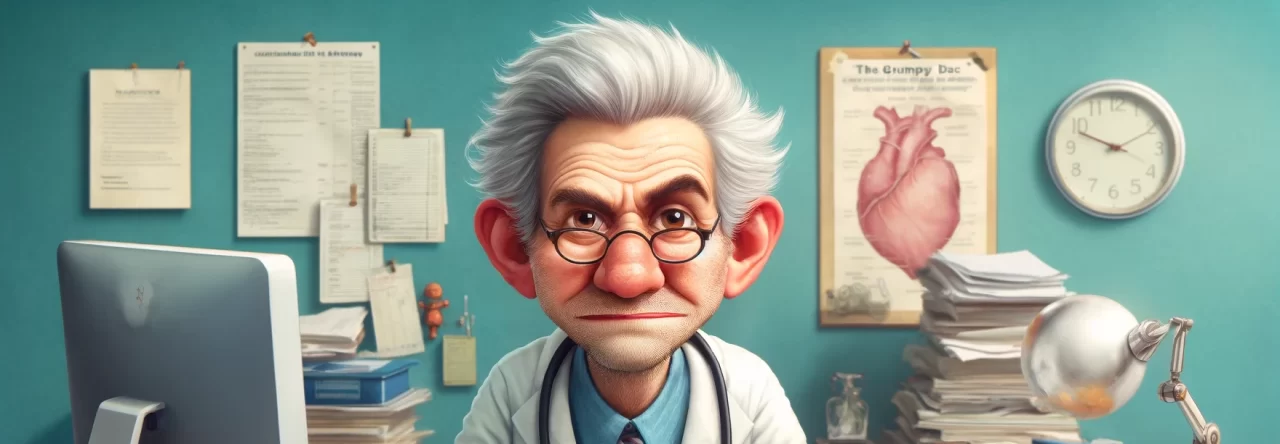
Illustration generated by author using ChatGPT.
Sources
· PubMed / Annals of Internal Medicine — Bowel habit in relation to age and gender (National Health Interview Survey, 42,375 subjects) https://pubmed.ncbi.nlm.nih.gov/8572842/
· Mayo Clinic Community Health — Bowel habits as you age https://communityhealth.mayoclinic.org/featured-stories/bowel-habits-aging
· Harvard Health — Staying Regular https://www.health.harvard.edu/healthy-aging-and-longevity/staying-regular
· National Institute on Aging (NIH) — Concerned About Constipation? https://www.nia.nih.gov/health/constipation/concerned-about-constipation
· PubMed Central — Chronic Constipation in the Elderly Patient: Updates in Evaluation and Management https://pmc.ncbi.nlm.nih.gov/articles/PMC7272371/
· PubMed Central — Update on the Management of Constipation in the Elderly: New Treatment Options https://pmc.ncbi.nlm.nih.gov/articles/PMC2920196/
· PubMed Central — Constipation in Older Adults: Stepwise Approach to Keep Things Moving https://pmc.ncbi.nlm.nih.gov/articles/PMC4325863/
· HealthInAging.org — Caregiver Guide: Constipation Problems https://www.healthinaging.org/tools-and-tips/caregiver-guide-constipation-problems
· American Academy of Family Physicians (AAFP) — Management of Constipation in Older Adults (2015) https://www.aafp.org/pubs/afp/issues/2015/0915/p500.html
· American Academy of Family Physicians (AAFP) — Treatment of Constipation in Older Adults (2005) https://www.aafp.org/pubs/afp/issues/2005/1201/p2277.html
· Better Health While Aging — Constipation Treatment & Best Laxatives in Aging https://betterhealthwhileaging.net/how-to-prevent-and-treat-constipation-aging/
· Medical Daily — Chronic Constipation in Seniors: Complete Guide to Causes, Risks, and Safe Treatment Options https://www.medicaldaily.com/chronic-constipation-seniors-complete-guide-causes-risks-safe-treatment-options-474499
Illustration generated by author using ChatGPT
Medical Disclaimer
The information provided in this article is intended for general educational and informational purposes only and does not constitute medical advice. It should not be used as a substitute for professional medical advice, diagnosis, or treatment.
Always seek the guidance of a qualified healthcare provider with any questions you may have regarding a medical condition or treatment. Never disregard professional medical advice or delay seeking it because of something you have read here.
If you are experiencing a medical emergency, call 911 or your local emergency number immediately.
The author of this article is a licensed physician, but the views expressed here are solely those of the author and do not represent the official position of any hospital, health system, or medical organization with which the author may be affiliated.












“86” — A Little Number With a Big History
By John Turley
On May 2, 2026
In Commentary
Fifty some years ago when I was in the Marines, we used the term “86” to refer to something that should be ignored or discarded—in the colorful vernacular of the Corps, “shit canned”. That’s trashed to you civilians. The Marines have never been known as a peaceable lot and we had many colorful euphemisms for doing grievous bodily harm, but “86” was never among them.
So why is “86” suddenly everywhere in the news? Blame James Comey. The former FBI Director posted a beach photo on Instagram showing seashells arranged to spell out “86 47” — and the internet promptly exploded. Republicans argued it was a death threat against the 47th president. Comey said it simply meant he wanted Trump removed from office. That dispute has brought a piece of century-old American slang back into the spotlight, so it’s worth taking a look at what the term means and where it came from.
The Short Answer
Eighty-six is slang meaning “to throw out,” “to get rid of,” or “to refuse service to.” It most likely comes from 1930s soda-counter slang meaning that an item was sold out. This was part of a broader diner code that included: 13 “the boss is around,” 81 “glass of water,” and 95 “customer left without paying”. Over the decades it evolved from a kitchen noun into a verb with broader reach, and today it shows up everywhere from restaurant kitchens to Twitter and now worldwide headlines.
The Longer Answer
Here’s the honest answer: nobody knows for certain. Its etymology is unknown, but it seems to have been coined in the 1920s or 1930s. There are many theories about its origin — one article enumerates 18 possibilities, and another suggests there are “about 86 theories about 86.”
While the leading contender is the mundane diner option, there are several other more or less plausible and frequently more colorful options.
The most linguistically grounded explanation is that “86” is simply rhyming slang. The most common theory is that it is rhyming slang for “nix.” That’s the same “nix” meaning to reject or say no.
One of the more colorful stories involves a Prohibition-era speakeasy. Chumley’s, a bar with multiple entrances including one at 86 Bedford Street in New York. The story goes that the bar was supposedly warned by police before raids. Customers were told to “86 it” — meaning leave through the Bedford Street exit while cops came through the other door. It’s a great story, and if it’s not true it should be.
How It Evolved
First appearing in the early 1930s as a noun, it did not take long for the word to broaden its use beyond the realm of the soda counter. In the 1950s the word underwent some functional shift and began to be used as a verb — initially meaning “to refuse to serve a customer,” and later taking on the slightly extended meaning of “to get rid of; to throw out.”
It was quickly adopted and members of the military services who love slang, shortcuts, and inside terminology. It may just be a coincidence that Article 86 of the U.S. Uniform Code of Military Justice concerns Absence Without Leave, or AWOL.
By the 1970s it had moved well beyond the restaurant world. In the 1972 film The Candidate, a media adviser says to Robert Redford’s character, “OK, now, for starters, we got to cut your hair and eighty-six the sideburns.”
Where It Stands Today
These days, people use “86” when they cancel plans, dump something, or boot someone from a chat. Social media picked it up — Twitter and TikTok users will “86 a trend” or “86 a person” in a heartbeat.
In professional kitchens and bars, it remains “everyday lingo” — one hospitality industry veteran called it “probably the most overused word in hospitality.”
The Comey controversy also resurrected an older, arcane, and darker shade of the term. According to Cassell’s Dictionary of Slang, “to 86” can alternatively mean “to kill, to murder; to execute judicially.” That said, Merriam-Webster notes this use is infrequent, and they do not include this sense due to its relative recency and sparseness of use.
The bottom line is that “86” is one of those wonderfully slippery pieces of American slang that started in a noisy kitchen, picked up mythology along the way, and is now flexible enough to mean anything from “we’re out of the salmon” to a loaded political statement — depending entirely on who’s using it and who’s listening.
Or, perhaps this entire tempest is just the response of one thin skinned man to his pathologic fear of seashells.